

Yôji Yamada is a Japanese filmmaker best known for his role in creating the Tora-san series, which consists of 48 films and remains one of the longest-running film series in the world. His work often delves into the intricacies of human relationships, familial bonds, and the dynamics of everyday life in Japan.
Yamada’s journey in the film industry began at Shochiku Company, where he honed his craft under the tutelage of directors like Yasujirō Ozu, adopting Ozu’s meticulous attention to the subtleties of family life and human emotions. The Tora-san series, which started in 1969 with It’s Tough Being a Man, marked a significant turning point in Yamada’s career, establishing him as a household name in Japan. The series’ blend of humour, pathos, and relatable characters captured the hearts of many, making it a cultural phenomenon. Throughout his career, Yamada has navigated both commercial successes and challenges, continually adapting his style to reflect changing societal norms and audience preferences. His ability to remain relevant, evidenced by his later acclaimed works like The Twilight Samurai, which earned an Academy Award nomination, showcases his adaptability and enduring talent.
His filmography explores the human experience, characterised by subtle humour, poignant moments, and a warm portrayal of characters. In films such as The Yellow Handkerchief and Tokyo Family, he navigates the delicate balance between love, nostalgia, loss, and longing. These narratives are woven against the backdrop of Japan’s shifting cultural and social landscape, offering audiences both a mirror to their own experiences and a window into broader societal changes. Another key element of his work is the recurrent theme of generational conflicts and the challenges of adapting to a rapidly modernising world, as seen in The Little House and Kabei: Our Mother.
Yôji Yamada has a style that leans towards simplicity and authenticity. He often employs long takes and static shots, allowing the audience to immerse themselves fully in the scene and fostering a connection with the characters and their surroundings. This minimalist approach, combined with his sharp focus on character-driven stories, ensures that the emotions and experiences of the characters remain at the forefront. The nostalgic tones, gentle pacing, and beautifully framed shots in films like Twilight Samurai and The Hidden Blade exemplify his masterful approach to storytelling, making him a standout figure in the world of Japanese cinema.

Yôji Yamada (1931 – -)
Calculated Films:
- The Twilight Samurai (2002)
Similar Filmmakers
- Kiyoshi Kurosawa
- Kohei Oguri
- Masaki Kobayashi
- Masayuki Suo
- Mikio Naruse
- Naoko Ogigami
- Naomi Kawase
- Shinji Somai
- Takashi Miike
- Takeshi Kitano
- Tomu Uchida
- Yasujiro Ozu
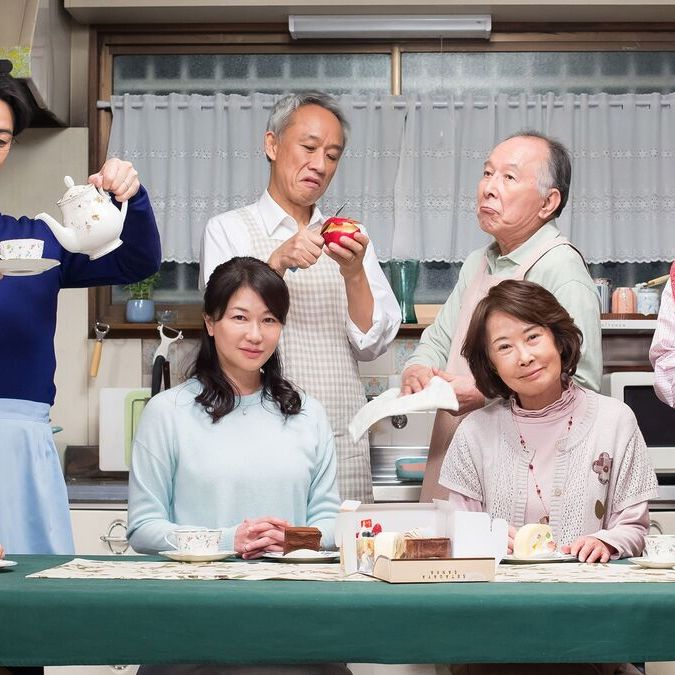


Yôji Yamada’s Top 5 Films Ranked
1. The Twilight Samurai (2002)
Genre: Jidaigeki
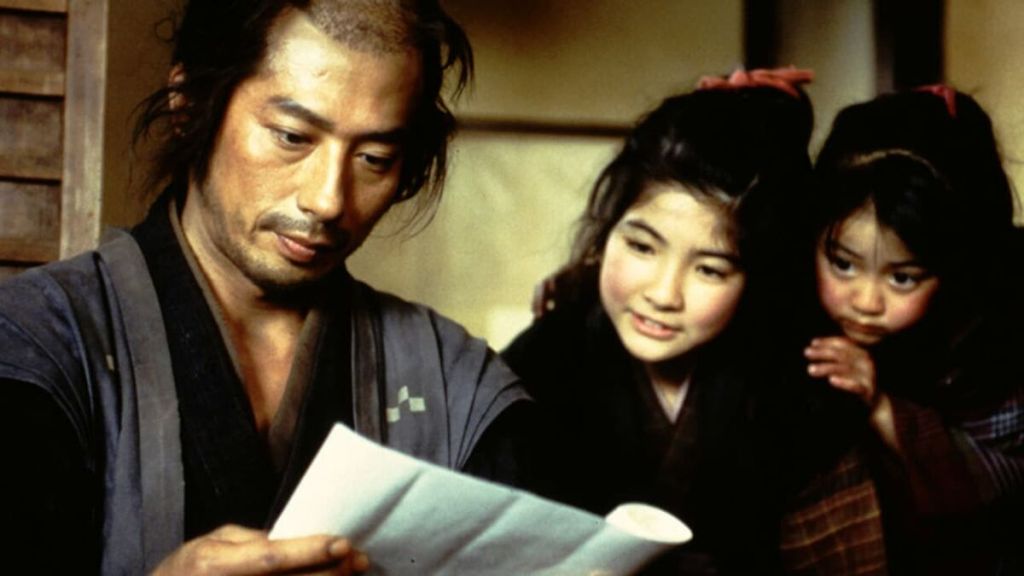
2. The Hidden Blade (2004)
Genre: Jidaigeki
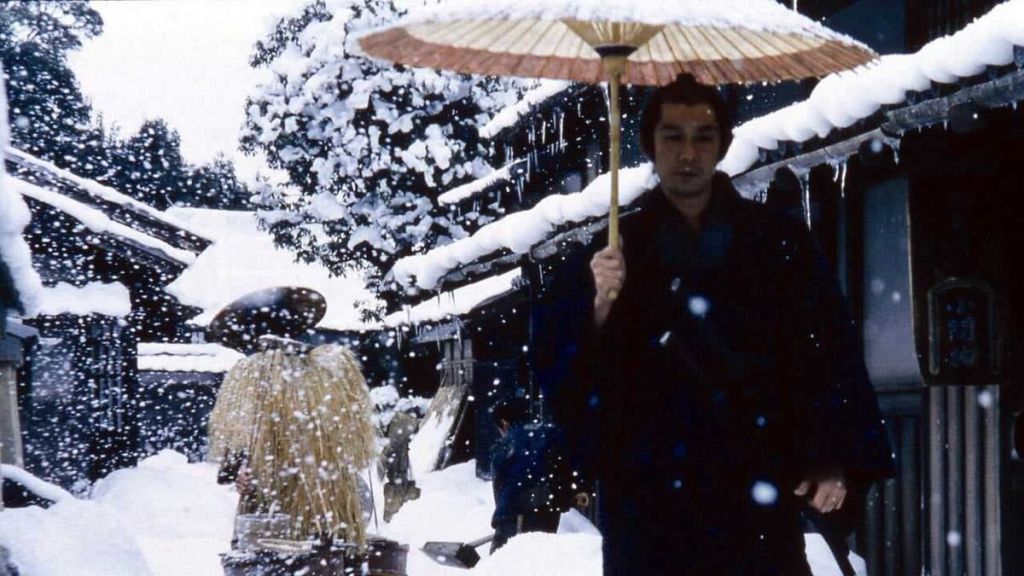
3. Kabei: Our Mother (2008)
Genre: Drama
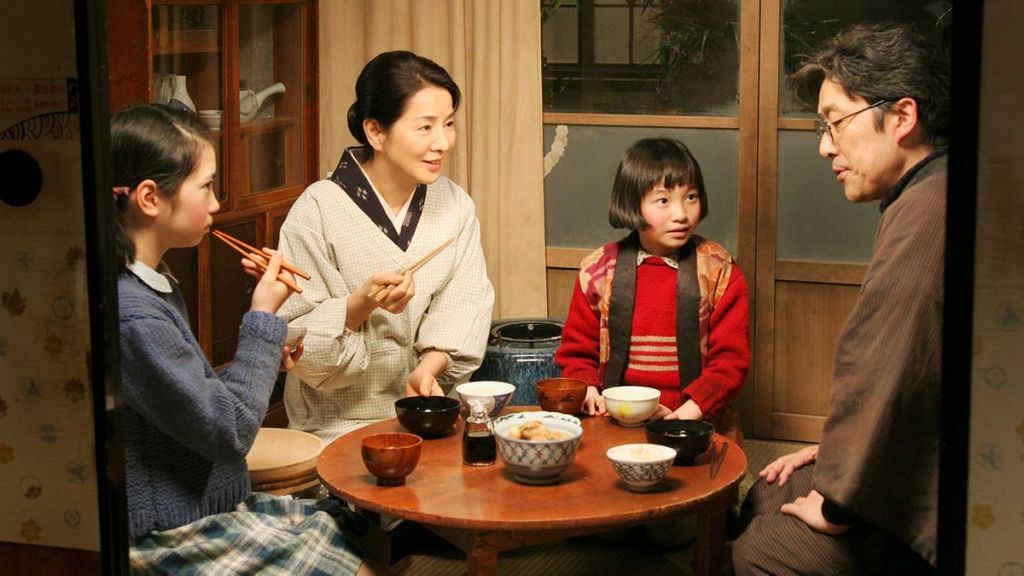
4. Love and Honor (2006)
Genre: Jidaigeki, Romance

5. When Spring Comes Late (1970)
Genre: Road Movie, Family Drama
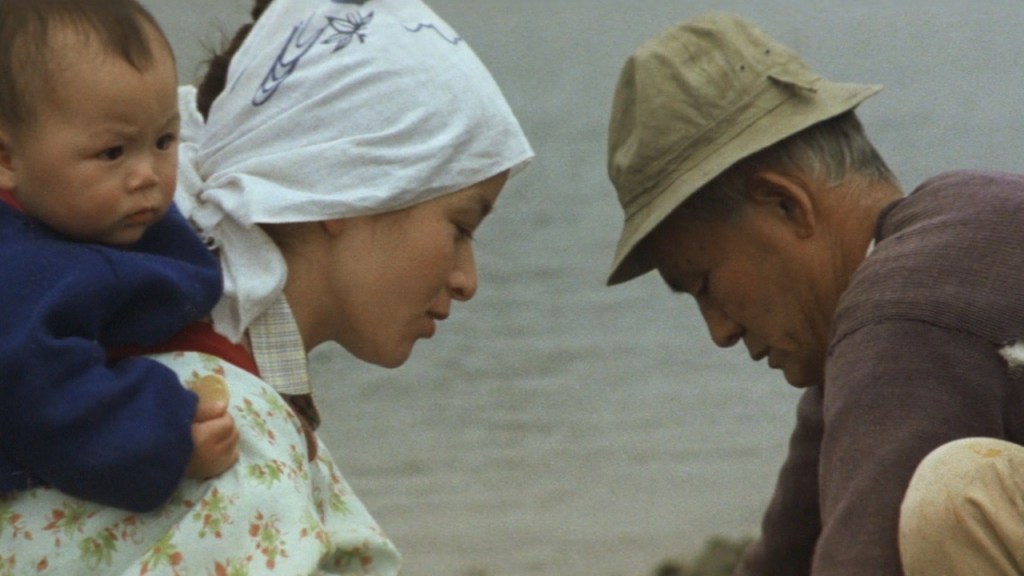
Yôji Yamada: Themes and Style
Themes:
- Everyday Life and Common People: Yamada often spotlights the daily lives of ordinary individuals. His films showcase the beauty, struggles, and resilience of common people, offering insights into their experiences and emotions.
- Family Dynamics: Many of his works delve into the intricate relationships within families. They explore themes of love, responsibility, conflict, and reconciliation, providing a deep understanding of familial bonds.
- Generational Differences: Yamada’s films frequently highlight the differences and tensions between older and younger generations, exploring how they navigate through mutual misunderstandings and establish meaningful connections.
- Japanese Culture and Tradition: He also integrates aspects of Japanese culture and tradition into his narratives, reflecting the nation’s identity, heritage, and societal changes over time.
Styles:
- Narrative Style: Yamada’s storytelling is often subtle and gentle, allowing audiences to immerse themselves in the unfolding narrative seamlessly. He utilises a slow pace to provide viewers with time to contemplate and connect with the characters and their circumstances.
- Visual Aesthetics: His films are known for their striking visual composition, using naturalistic lighting and meticulous framing to create evocative and memorable images that complement the story’s tone and atmosphere.
- Character Development: Yamada pays significant attention to character development, crafting multi-dimensional and relatable characters that evoke empathy and understanding from the audience.
- Humour and Pathos: He masterfully blends comedy and pathos, offering a balanced portrayal of life’s joys and sorrows. This combination allows viewers to engage with the films on multiple emotional levels.
Directorial Signature:
- Humanistic Approach: Yamada’s directorial approach is deeply humanistic, focusing on the inherent dignity and worth of every individual. He crafts narratives that celebrate the human spirit and its capacity to endure and triumph over adversity.
- Intimate Atmosphere: He creates an intimate atmosphere in his films that draws audiences into the world of the characters. Through close-ups and attentive cinematography, viewers can experience the subtle expressions and emotions of the characters intimately.
Yôji Yamada – Great Director


 Bronze Screen Dream