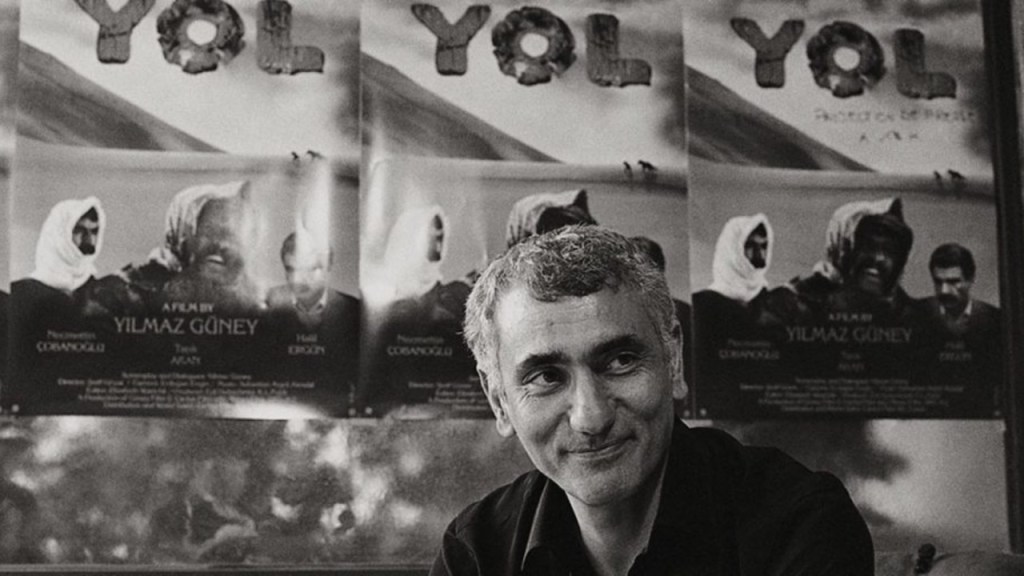
Yılmaz Güney was a prominent Turkish filmmaker acclaimed for his deeply moving and politically charged films that often delved into the struggles and realities of the marginalised sections of Turkish society. He gained international recognition for his unique storytelling style, which seamlessly blended elements of social realism with a distinct narrative approach. His works are known for their unflinching portrayal of poverty, injustice, and resistance, making him a key figure in Turkish cinema.
Güney’s career was marked by a passionate engagement with the socio-political issues of his time. His films frequently explored the lives of the poor and oppressed, a theme vividly depicted in Yol (The Way), which won the Palme d’Or at the Cannes Film Festival. This film, like many of his others, showcased his talent for capturing the raw emotions and harsh realities faced by his characters. Güney’s work often critiqued the societal and political structures of Turkey, making his films a voice for the voiceless. He was known for using non-professional actors to bring an authentic feel to his stories.
His films were marked by a stark, often bleak aesthetic that underscored the grim realities he portrayed. The use of natural lighting long takes, and minimalistic dialogue in films like Umut (Hope) and Sürü (The Herd) contributed to a sense of raw immediacy and authenticity. This approach not only amplified the emotional impact of his stories but also reflected his personal and political struggles, including his time in prison, which significantly influenced his artistic vision.

Yılmaz Güney (1937 – 1984)
Calculated Films:
- Hope (1970)
- Yol (1982)
Similar Filmmakers
- Ali Ozgenturk
- Atif Yilmaz
- Bahman Ghobadi
- Costa-Gavras
- Erden Kiral
- Fernando Solanas
- Francesco Rosi
- Glauber Rocha
- Halit Refig
- Ken Loach
- Lino Brocka
- Lutfi O. Akad
- Metin Erksan
- Nuri Bilge Ceylan
- Omer Kavur
- Satyajit Ray
- Serif Goren
- Zeki Otkten


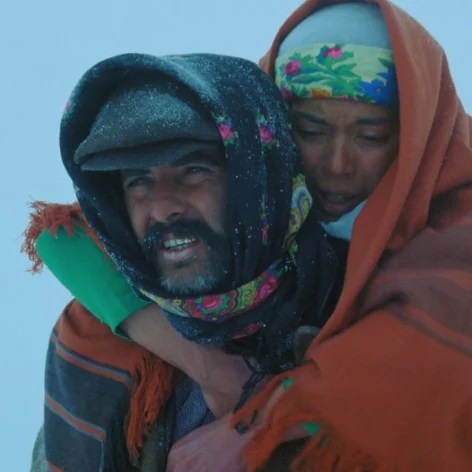
Yılmaz Güney’s Top 5 Films Ranked
1. Yol (1982)
Genre: Drama, Road Movie
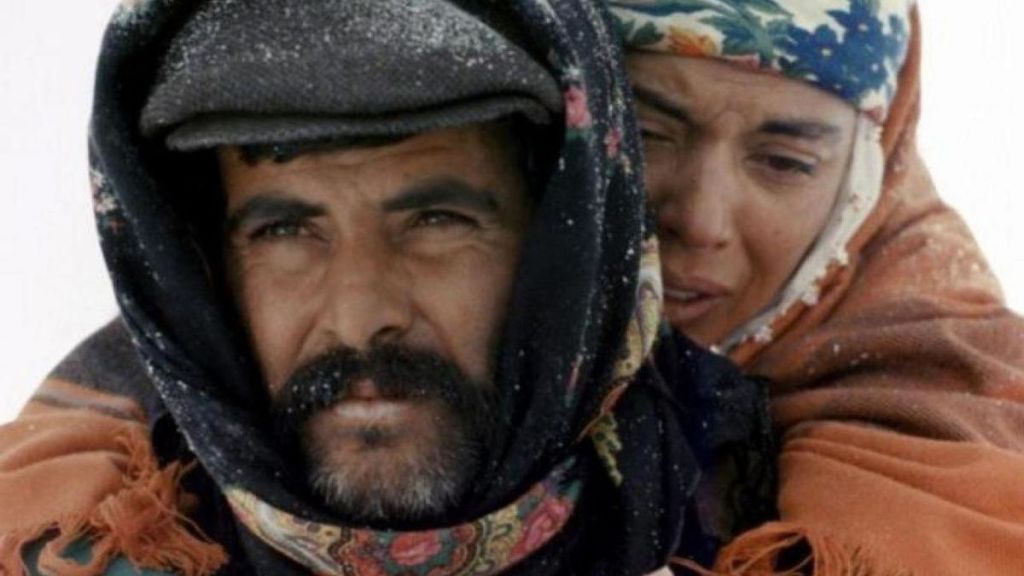
2. Hope (1970)
Genre: Drama
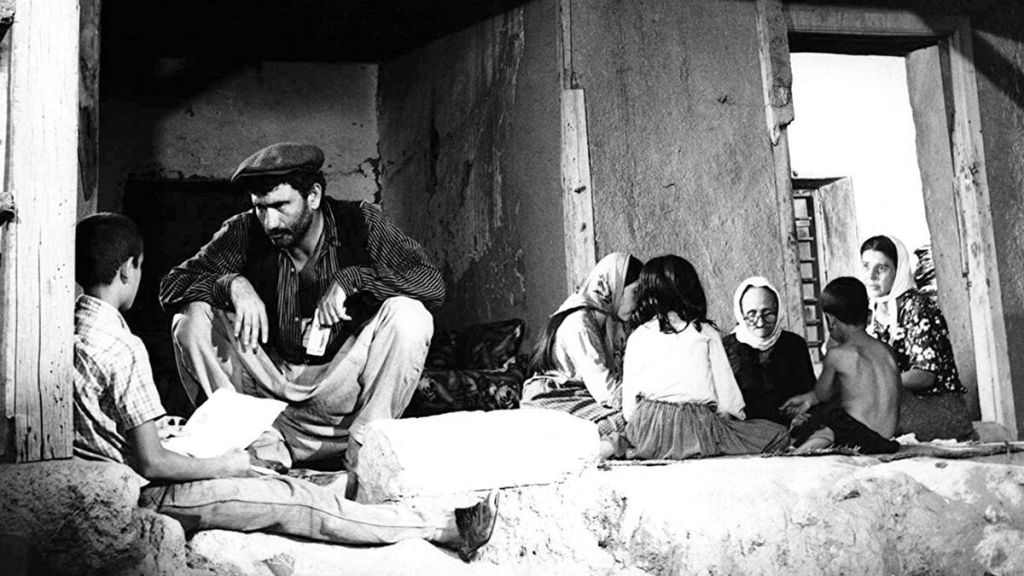
3. Duvar (1983)
Genre: Prison Film

4. Zavallilar (1975)
Genre: Drama, Hyperlink Cinema

5. Friend (1974)
Genre: Drama
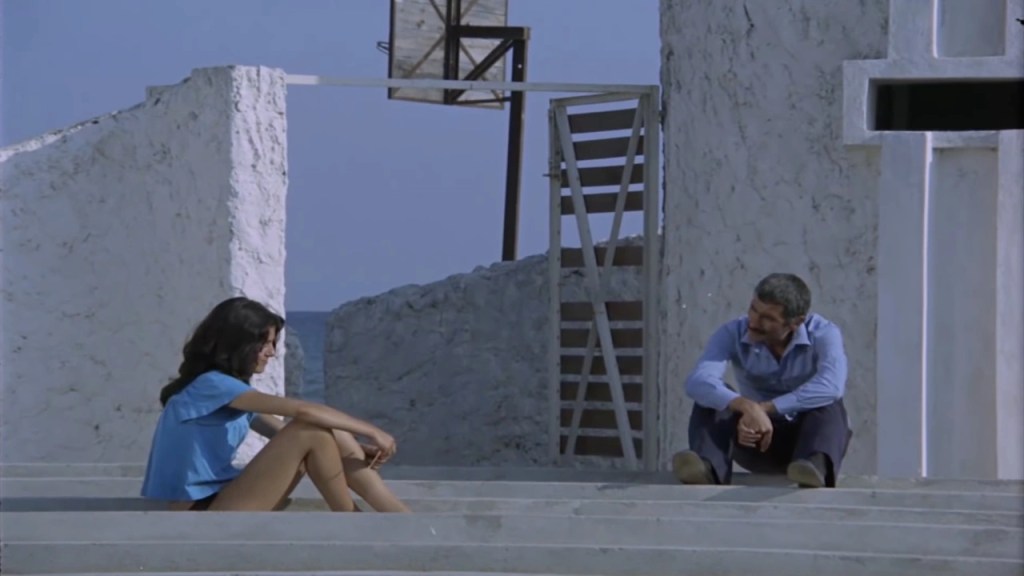
Yılmaz Güney: Themes and Style
Themes:
- Social Injustice and Oppression: Güney frequently addressed themes of social injustice, class struggle, and the plight of the marginalised. His film Yol vividly portrays the struggles of prisoners on temporary leave, highlighting societal and political oppression in Turkey.
- Rural Life and Peasantry: He often depicted the hardships of rural life and the struggles of peasants. In films like The Herd, the harsh realities of rural existence and the exploitation of the working class are central themes.
- Rebellion and Resistance: Güney’s works commonly feature characters who rebel against authoritarian structures. In Umut, the protagonist’s quest for a better life symbolises a broader struggle against oppressive systems.
- Cultural Identity and Kurdish Issues: As a Kurdish filmmaker, Güney explored Kurdish culture and identity. His works subtly address issues related to the Kurdish people in Turkey, showcasing their struggles and resilience.
- Crime and Morality: His films often explore the moral dilemmas associated with crime. The Enemy delves into the psychological and social factors driving individuals towards criminal activities.
Styles:
- Neorealism: Güney’s style is heavily influenced by Italian neorealism, characterised by on-location shooting, non-professional actors, and a focus on the everyday lives of ordinary people, as seen in Umut.
- Minimalist Cinematography: His films feature minimalist cinematography, emphasising natural lighting and simple compositions to enhance the storytelling, exemplified in Yol.
- Symbolic Imagery: Güney employed symbolic imagery to convey deeper meanings, often using landscapes and natural elements to reflect the inner state of characters or societal conditions.
- Direct and Uncompromising Narrative: His storytelling is straightforward and uncompromising, often depicting harsh realities without beautification or romanticism, a style evident in The Herd.
- Documentary-like Realism: The use of a documentary-like approach adds a layer of realism to his films, making the depiction of social issues more impactful and authentic.
Directorial Signature:
- Focus on Underprivileged Characters: Güney often centred his narratives around underprivileged and marginalised characters, offering a voice to those seldom heard in mainstream cinema.
- Political Undertones: Despite censorship challenges, his films frequently contain political undertones, critiquing the status quo and advocating for social change, as demonstrated in Yol.
- Acting and Directing Dual Role: Güney was unique in his dual role as both an actor and a director, bringing a deep understanding of character development and performance to his directorial work.
- Legacy of Influence: Despite facing political persecution and imprisonment, Güney’s work left a lasting impact on Turkish cinema, inspiring future generations of filmmakers to tackle social and political themes.
Yılmaz Güney – Great Director


 Bronze Screen Dream