

Yasuzo Masumura was a Japanese film director renowned for his distinctive approach to cinema. He stands out in the world of post-war Japanese film, and his body of work is best known for its exploration of the darker facets of humanity, often presenting taboo themes and complex portrayals of desire, obsession, and individualism.
After studying law at the University of Tokyo, Masumura’s passion for film led him to the Centro Sperimentale di Cinematografia in Rome, Italy, where he was profoundly influenced by Italian neorealism. Upon his return to Japan in the mid-1950s, he started working at Daiei Film and made his directorial debut with Kisses in 1957. This film marked the beginning of his career as a director who sought to infuse Japanese cinema with a fresh, more personal and realistic perspective, challenging the period’s dominant studio-driven filmmaking approach.
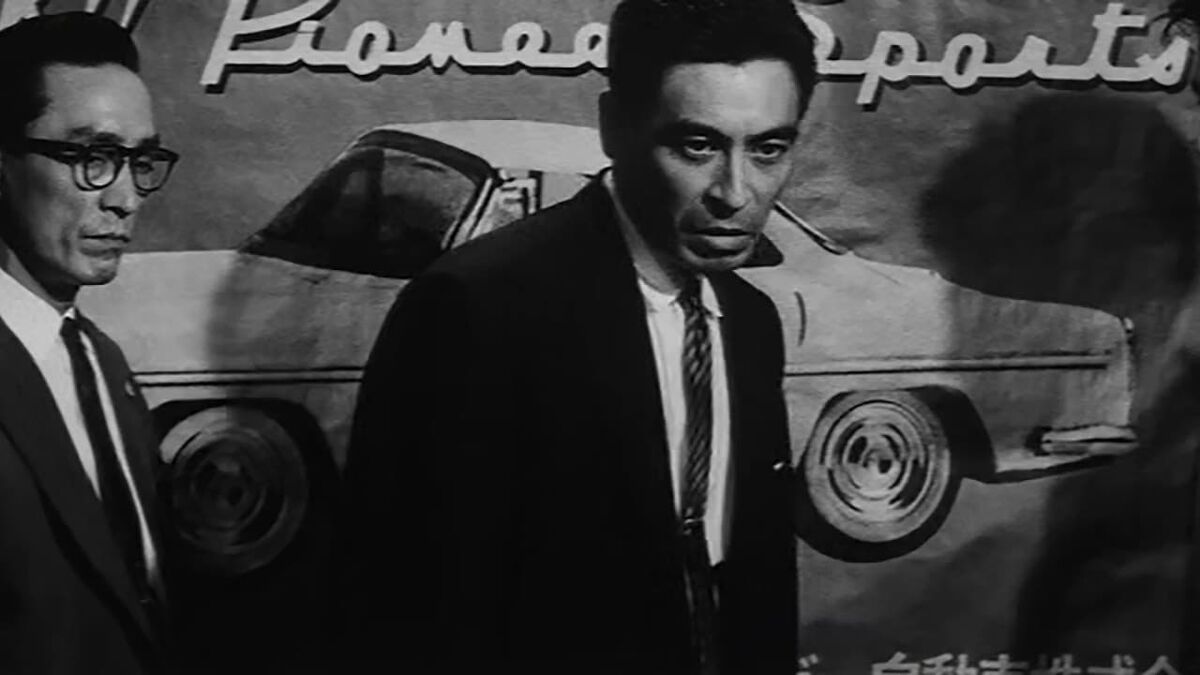
The late 1950s and 1960s are often regarded as the zenith of Masumura’s career, during which he produced some of his most acclaimed works. Giants and Toys, a satirical take on the confectionery industry and consumer culture, solidified his reputation as a director willing to critique and satirise the rapid industrialisation and Westernisation of post-war Japan.
Masumura’s films often examine societal structures, questioning conformity and societal norms and highlighting the tensions between personal desires and society’s expectations. In movies like Blind Beast, he delves into the realms of obsession and the extremities of human psychology, presenting an intimate portrayal of the human psyche. Similarly, in Giants and Toys, Masumura critiques the corporate world and its inherent absurdities, reflecting a unique blend of satire and human drama. His films consistently probe the limits of human nature, frequently presenting characters who go against the grain, challenging both themselves and the society they inhabit.
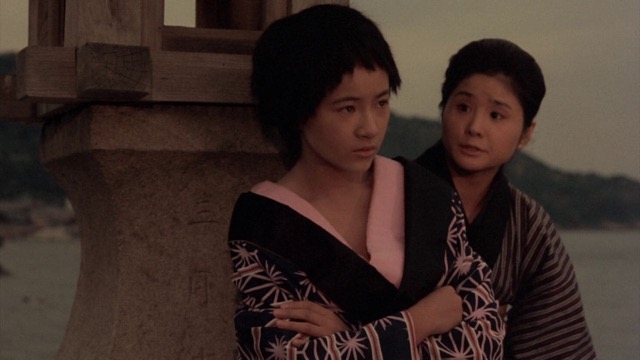
His use of vibrant colours, often contrasted with the bleakness of his themes, creates a striking juxtaposition. His compositions are meticulous, and he employs a dynamic camera that is usually in motion, making his films engaging and, at times, disorienting. This is evident in Red Angel, where the disorienting visuals perfectly match the film’s turbulent emotional landscape.
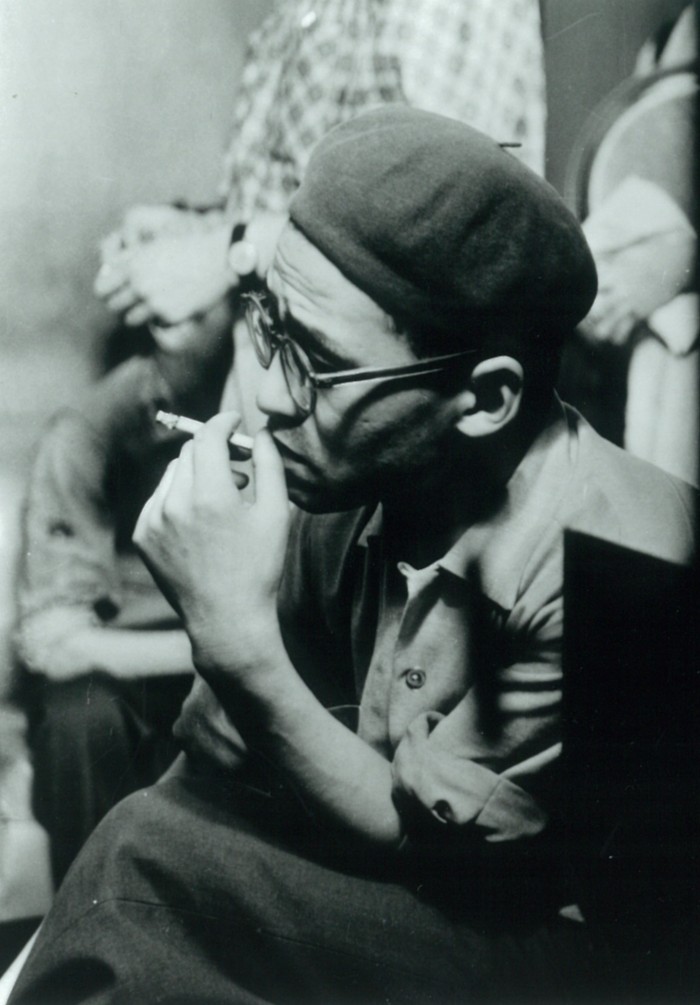
Yasuzo Masumura (1924 – 1986)
Calculated Films:
- Kisses (1957)
- Giants and Toys (1958)
- A Wife Confesses (1961)
- Red Angel (1966)
- Blind Beast (1969)
Similar Filmmakers
- Akira Kurosawa
- Kan Mukai
- Juzo Itami
- Kenji Mizoguchi
- Ko Nakahira
- Kon Ichikawa
- Koreyoshi Kurahara
- Masahiro Shinoda
- Masaki Kobayashi
- Mikio Naruse
- Nagisa Oshima
- Seijun Suzuki
- Shohei Imamura
- Susumu Hani
- Tadashi Imai
- Yoichi Higashi
- Yoji Yamada
- Yoshishige Yoshida


Yasuzo Masumura’s Top 5 Films Ranked
1. Red Angel (1966)
Genre: Drama, War
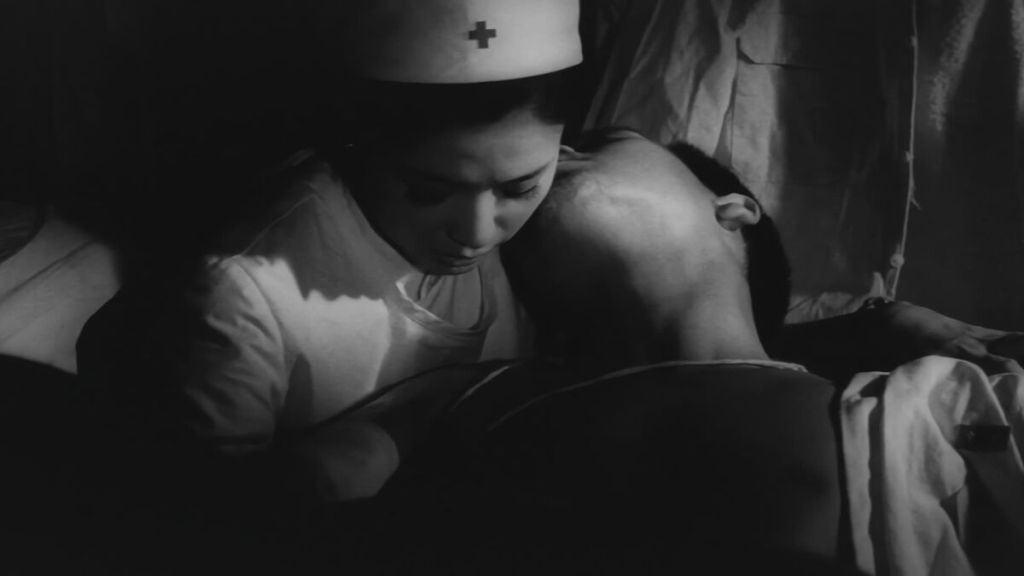
2. Blind Beast (1969)
Genre: Psychological Thriller, Pink Film, Erotic Thriller
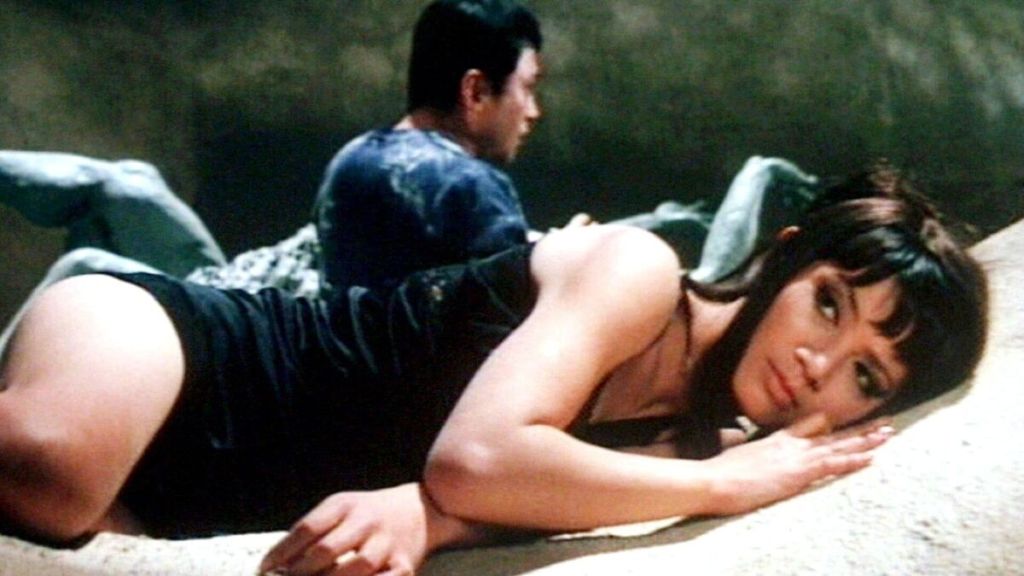
3. Giants and Toys (1958)
Genre: Satire, Comedy
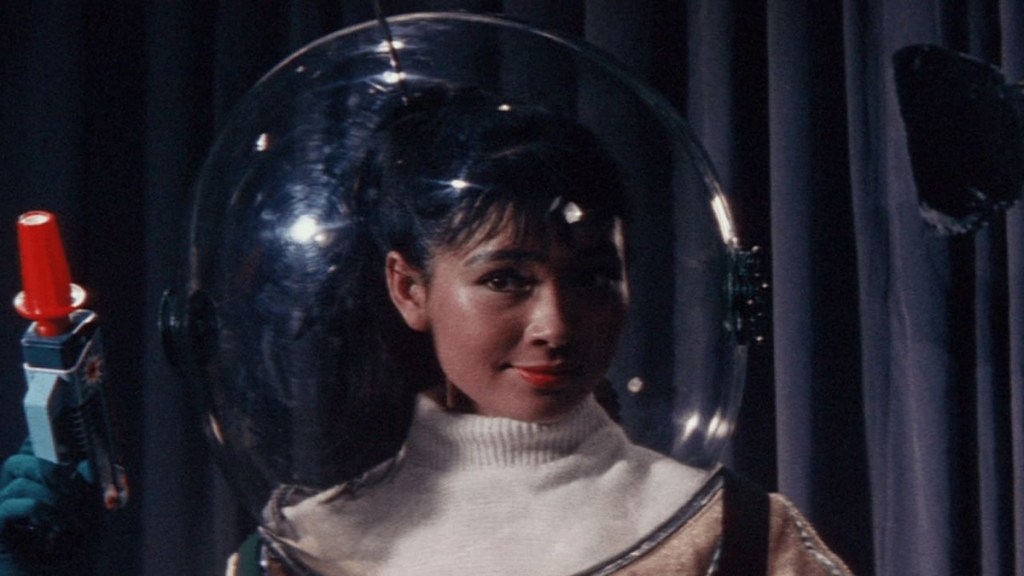
4. Seisaku’s Wife (1965)
Genre: Romance, Melodrama

5. A Wife Confesses (1961)
Genre: Legal Drama, Romance
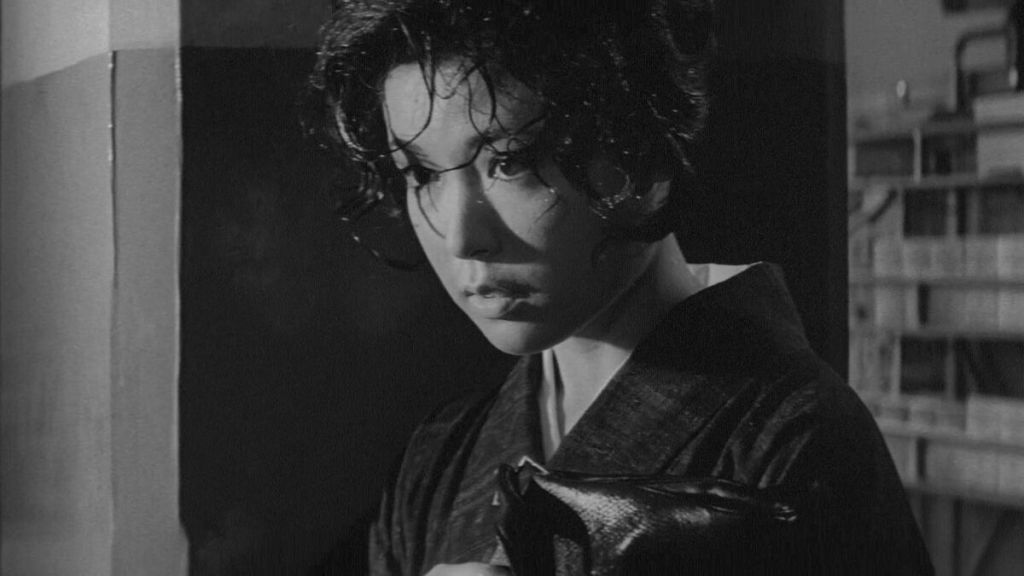
Yasuzo Masumura: Themes and Style
Themes:
- Human Desire and Passion: Many of Masumura’s films delve into the depths of human desires, exploring both their beauty and destructive potential. His characters often find themselves torn between societal norms and their innate desires.
- Consumerism and Capitalism: Masumura was critical of post-war Japan’s rapid modernisation and its implications on individualism and society. Films like Giants and Toys address the rat race of corporate life and the commodification of human beings.
- Obsession: Whether it’s love, ambition, or revenge, Masumura’s protagonists often exhibit an extreme form of obsession that drives them to their limits, sometimes leading to their doom.
- Body and Physicality: Films such as Blind Beast and Manji showcase Masumura’s interest in the human body as a source of both pleasure and pain. He was not shy about exploring sensuality and the body’s physical limits.
- Societal Constraints: The clash between individual desires and societal expectations is a recurrent theme. His characters often challenge or confront societal norms, resulting in conflict and tragedy.
Styles:
- Bold Visuals: Masumura’s background in graphic design is evident in his films’ strong visual compositions. He employed striking colour palettes, sharp contrasts, and imaginative set designs.
- Provocative Narratives: He never shied away from presenting stories that would challenge or even shock his audience, pushing boundaries in terms of content and presentation.
- Fast-paced Editing: Many of his films, especially his earlier works, are known for their brisk editing style, creating a sense of urgency and momentum.
- Theatricality: Masumura often blended cinematic techniques with theatrical elements, making his characters and their emotions more pronounced and heightened.
- Collaboration with Ayako Wakao: Masumura frequently collaborated with actress Ayako Wakao, with whom he crafted some of his most memorable and controversial characters.
Directorial Signature:
- Anti-establishment Tone: Masumura’s scepticism about post-war Japanese society’s structures and values was evident. He often presented a cynical view of institutions, be it corporate, medical, or societal.
- Intense Character Study: Masumura’s films are characterised by deeply introspective explorations of his protagonists. He put them under a microscope, revealing their intricacies and vulnerabilities.
- Contrasting Dualities: Many of his films juxtapose contrasting elements – pleasure and pain, freedom and captivity, individualism and collectivism – to create tension and drama.
- Sensuality: One of the hallmarks of Masumura’s cinema is his unabashed exploration of sensuality. Whether through visuals, narratives, or character interactions, he portrayed sensuality in its raw, untamed form.
Yasuzo Masumura – Great Director


 Bronze Screen Dream