
Woody Allen is an American filmmaker widely known for his unique blend of intellectual humour, neurotic characters, and complex explorations of relationships and existential themes. With a career spanning several decades, his films, which include Annie Hall, Manhattan, and Midnight in Paris, showcasing distinctive storytelling and a distinctive comedic style that has left an indelible mark on cinema.
Born and raised in New York City, Allen started his career writing jokes and scripts for television and stand-up comedians. His breakthrough as a filmmaker came in the 1970s with the release of Annie Hall, which won four Academy Awards, including Best Picture, and solidified his reputation as an innovative and influential director. Despite his vast filmography, Allen’s journey has not been without controversy, with allegations of sexual abuse significantly impacting his public image and the reception of his work.
A notable feature of Allen’s films is their distinctive humour, embodied by neurotic, self-deprecating characters engaged in intellectual wit and situational comedy. Allen often plays the lead in his earlier films, further cementing these characteristics in his cinematic identity. Dialogue-driven scripts are another signature of his work, underlining the importance of conversation in his narratives. These elements, combined with exploring complex romantic relationships and existential themes, create a unique narrative style seen in films like Annie Hall and Manhattan.
“I don’t want to achieve immortality through my work. I want to achieve it by not dying.”
New York City often serves as more than just a backdrop in Allen’s films; it is a character in itself, presented in romantic and idyllic lights. As his career progressed, Allen began exploring European settings, as seen in Midnight in Paris, reflecting his cited influence from European art cinema. Allen’s passion for jazz also frequently seeps into his films, with the music setting mood, reflecting period settings, and underlining his personal connection to the genre.
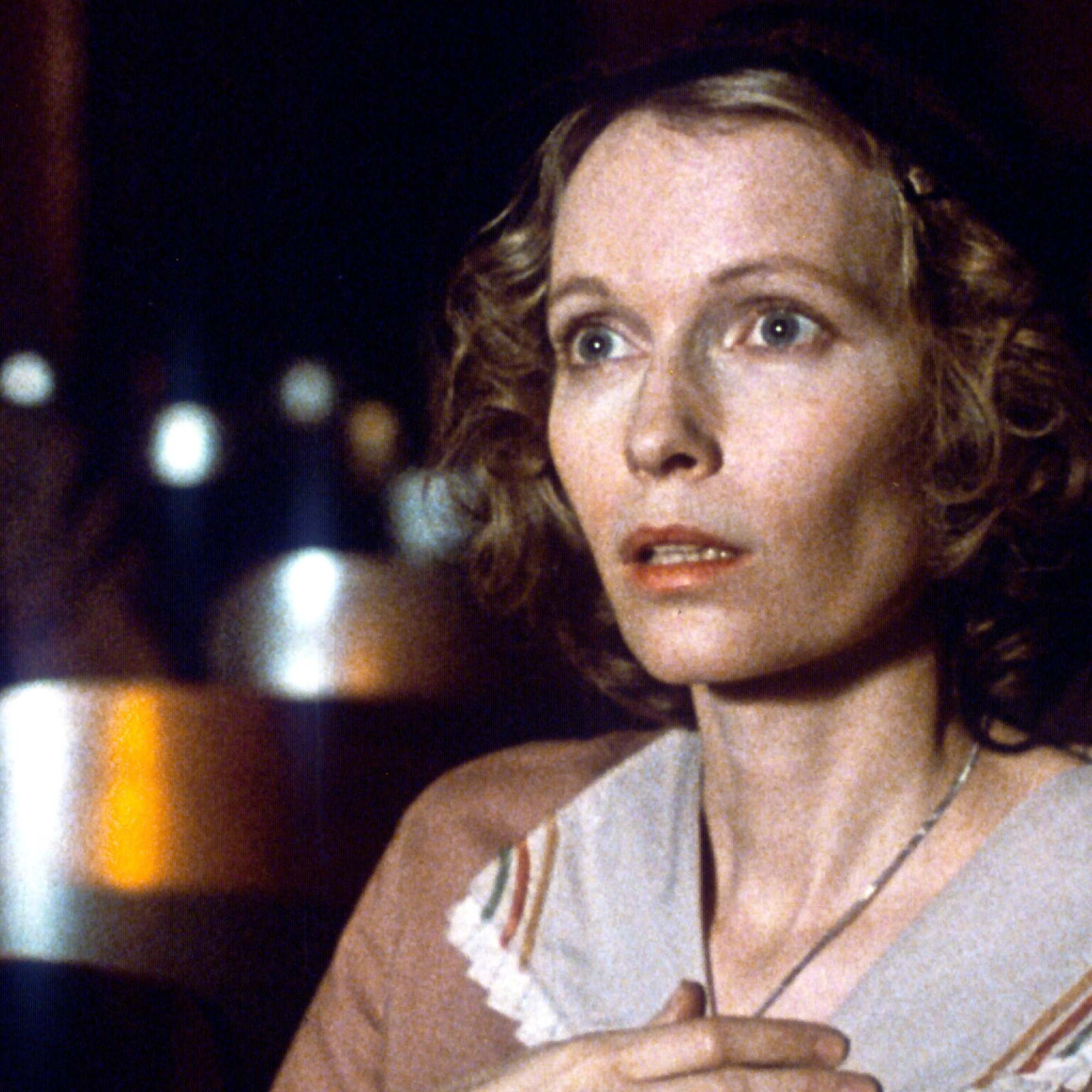
Collaboration is central to Allen’s filmmaking process, particularly with actors. This approach has resulted in numerous acclaimed performances, with actors like Diane Keaton, Mia Farrow, and Scarlett Johansson frequently appearing in his films. These collaborations, along with his distinctive storytelling style, contribute significantly to the character studies in his work.
Allen’s influence in cinema extends beyond America, inspiring directors worldwide with his innovative comedic style and narrative techniques. Filmmakers like Noah Baumbach and Wes Anderson have cited his influence on their work, showcasing his impact on film history. However, his legacy remains complex due to the controversies surrounding his personal life, affecting the reception and interpretation of his work. Yet, Woody Allen’s contribution to the cinematic landscape, particularly with comedy and character-driven storytelling, cannot be understated.
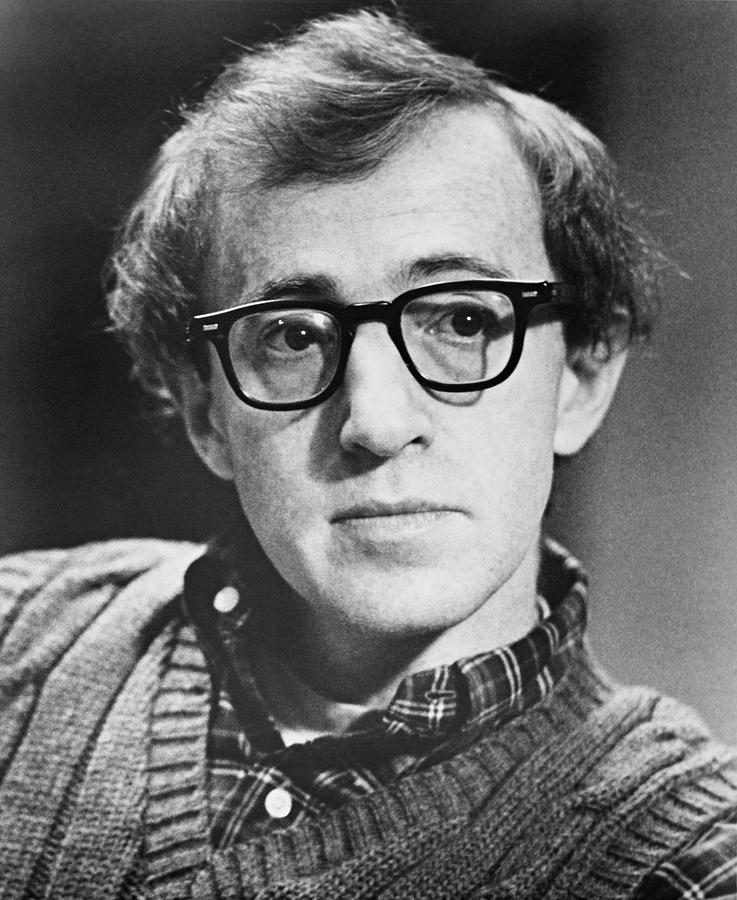
Woody Allen (1935 – -)
Calculated Films:
- Take The Money and Run (1969)
- Love and Death (1975)
- Annie Hall (1977)
- Interiors (1978)
- Manhattan (1979)
- Stardust Memories (1980)
- Zelig (1983)
- Broadway Danny Rose (1984)
- The Purple Rose of Cairo (1985)
- Hannah and Her Sisters (1986)
- Crimes and Misdemeanors (1989)
- Husbands and Wives (1992)
- Midnight in Paris (2011)
Similar Filmmakers
- Herbert Ross
- Ingmar Bergman
- John Cassavetes
- Leo McCarey
- Louis Malle
- Noah Baumbach
- Nora Ephron
- Paul Mazursky
- Preston Sturges
- Rob Reiner
- Todd Solondz
- Whit Stillman

Woody Allen’s Top 10 Films Ranked
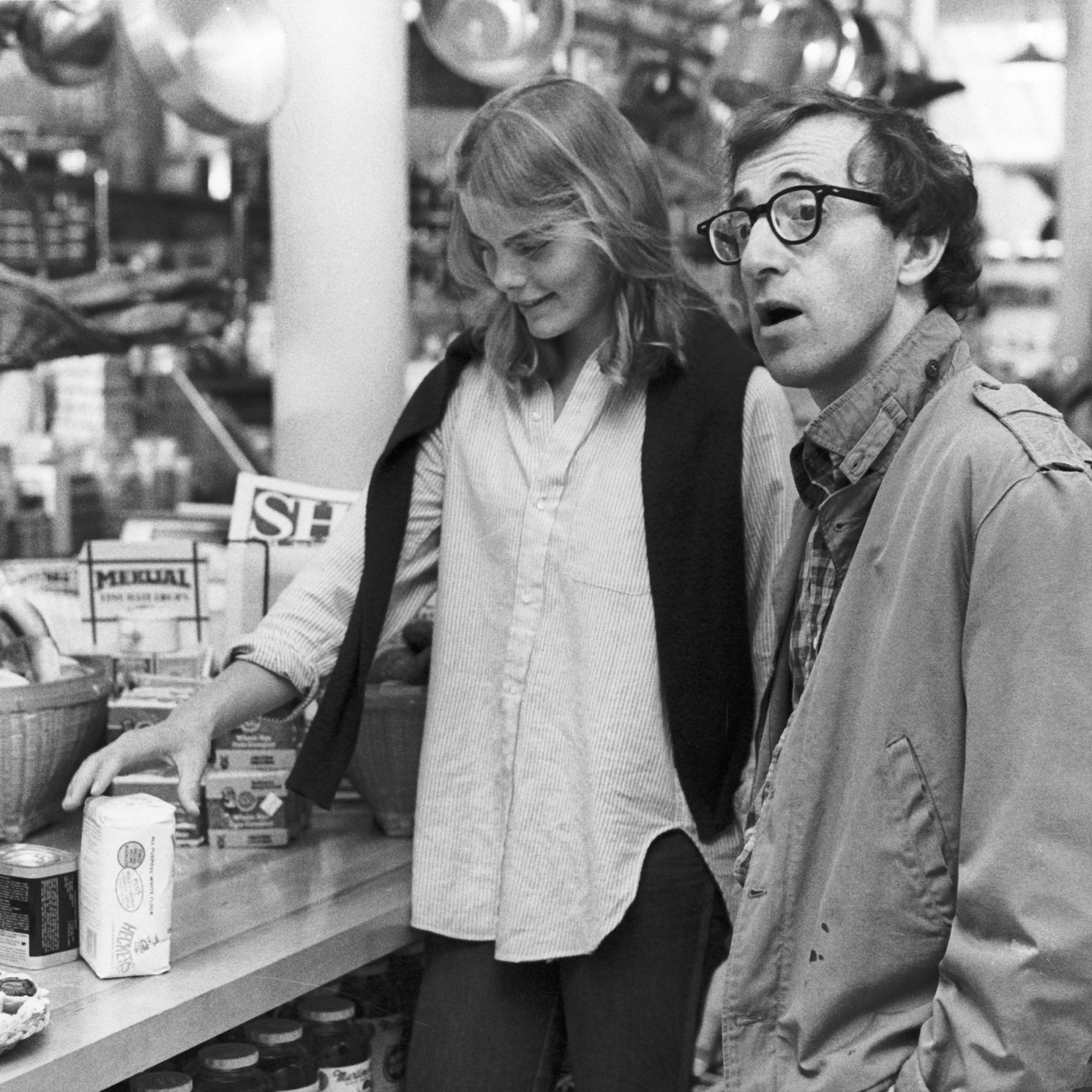
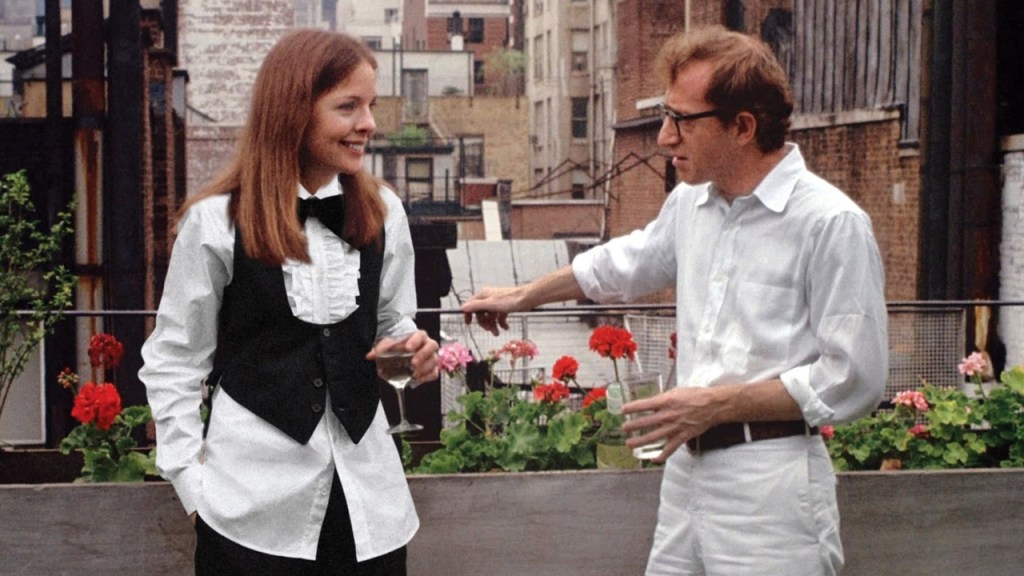
1. Annie Hall (1977)
Genre: Romantic Comedy, Drama
2. Hannah and Her Sisters (1986)
Genre: Drama, Romantic Comedy

3. Manhattan (1979)
Genre: Romantic Comedy, Drama

4. Crimes and Misdemeanors (1989)
Genre: Drama
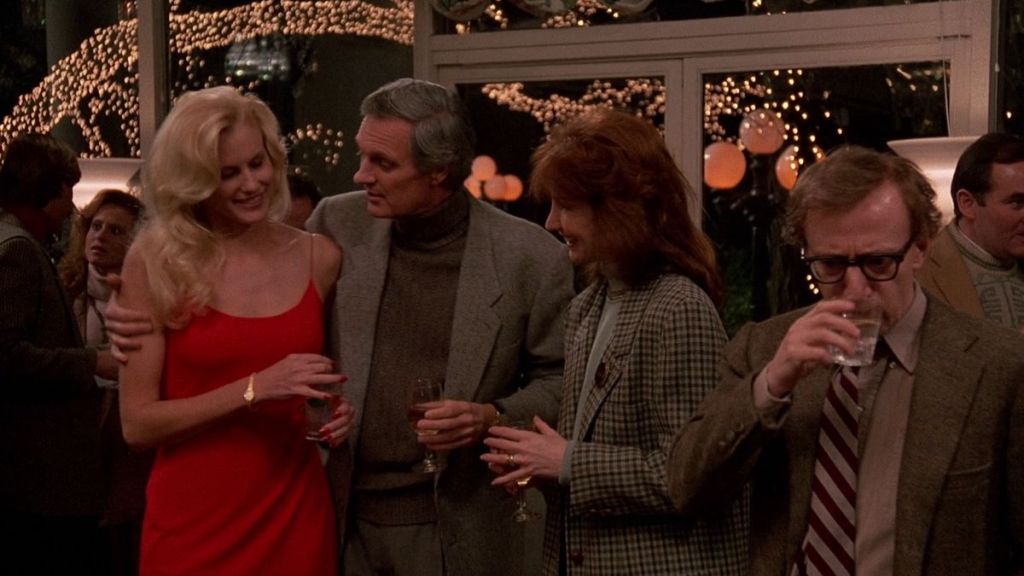
5. Love and Death (1975)
Genre: Parody, Absurdist Comedy, Satire

6. The Purple Rose of Cairo (1985)
Genre: Low Fantasy, Romantic Comedy

7. Zelig (1983)
Genre: Mockumentary, Comedy, Satire, Low Fantasy
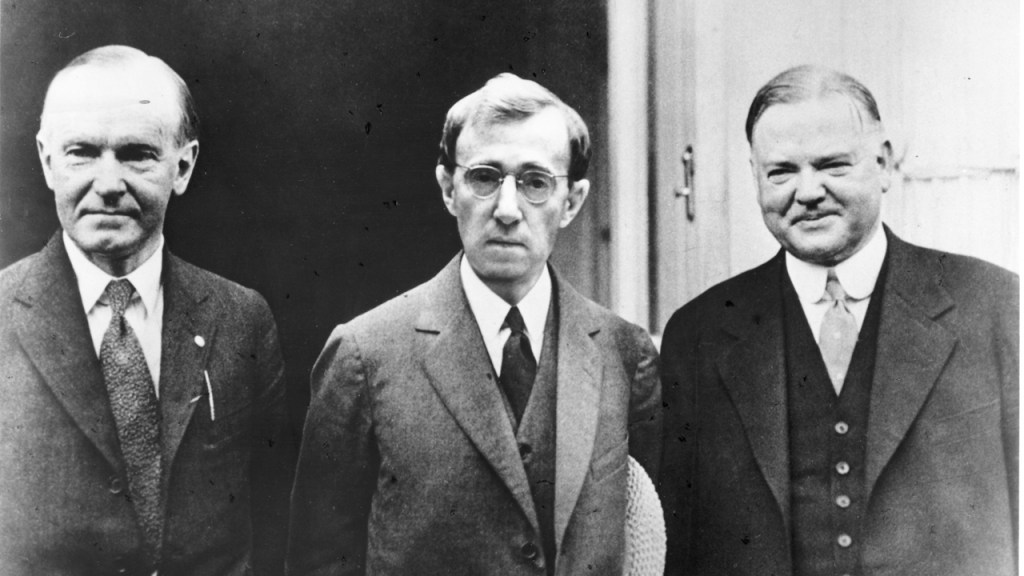
8. Husbands and Wives (1992)
Genre: Drama

9. Midnight in Paris (2011)
Genre: Low Fantasy, Romantic Comedy, Time Travel

10. Radio Days (1987)
Genre: Comedy

Woody Allen: Themes and Style
Themes:
- Neurotic Characters and Relationships: Woody Allen often explores the neuroses of his characters, especially within romantic relationships. Films like Annie Hall and Manhattan dissect the complexities of love and the intricacies of human connection through witty dialogue and self-reflective characters.
- Existential Questions: His work frequently grapples with existential themes, such as the search for meaning in a seemingly indifferent universe, as seen in Crimes and Misdemeanors and Match Point. These films often pose questions about morality, fate, and the randomness of life.
- Art and Creativity: Allen’s fascination with the artist’s life and the process of creativity is evident in films like Midnight in Paris and Bullets Over Broadway. He delves into the struggles of creating art, the relationship between the artist and their work, and the immortalising effect of artistic achievement.
- Jewish Identity and Intellectualism: Many of Allen’s films, such as Hannah and Her Sisters and Deconstructing Harry, reflect on Jewish identity, intellectualism, and the cultural nuances of being a New Yorker, offering a humorous yet poignant look at his own roots and the milieu he knows best.
Styles:
- Dialogue-Driven Scripts: Allen’s films are known for their heavy reliance on dialogue, which is often fast-paced, witty, and laden with intellectual and cultural references. This is a hallmark of his narrative style, creating a cerebral experience for the audience.
- Realistic and Complex Characters: The characters in Allen’s films are multi-dimensional and flawed, bringing a sense of realism and relatability to the screen. His ability to write complex, authentic characters is showcased in films like Vicky Cristina Barcelona and Blue Jasmine.
- Jazz Soundtracks: Many of Allen’s films feature jazz soundtracks, which complement the mood and time periods of his stories. This musical choice enhances the atmosphere, as seen in Sweet and Lowdown or Manhattan, and often acts as an auditory signature for his work.
- Cinematography: The visual style in Allen’s films often includes long takes and a static camera, allowing the scene to play out in real time. Films like Husbands and Wives employ a documentary-style handheld camera to create a sense of immediacy and intimacy.
Directorial Signature:
- New York City as a Backdrop: Allen frequently uses New York City not just as a setting but as a character in its own right. The city’s landmarks, streets, and neighbourhoods are lovingly captured, often in beautiful black and white, as seen in Manhattan.
- Self-Insertion: Allen is known for inserting a version of himself into his films, whether by casting himself as the protagonist or creating a character that embodies his personality and concerns, as with the protagonist in Stardust Memories.
- Exploration of Morality and Infidelity: His films often explore the moral dilemmas surrounding infidelity and the complexity of human relationships. Husbands and Wives and Match Point are prime examples where he examines the consequences of moral transgressions.
- Blend of Comedy and Tragedy: Allen has a signature way of blending humour with serious themes, often leading to a tragicomic tone. This blend is seen in Annie Hall, where comedy arises from the existential pain and confusion of the characters.
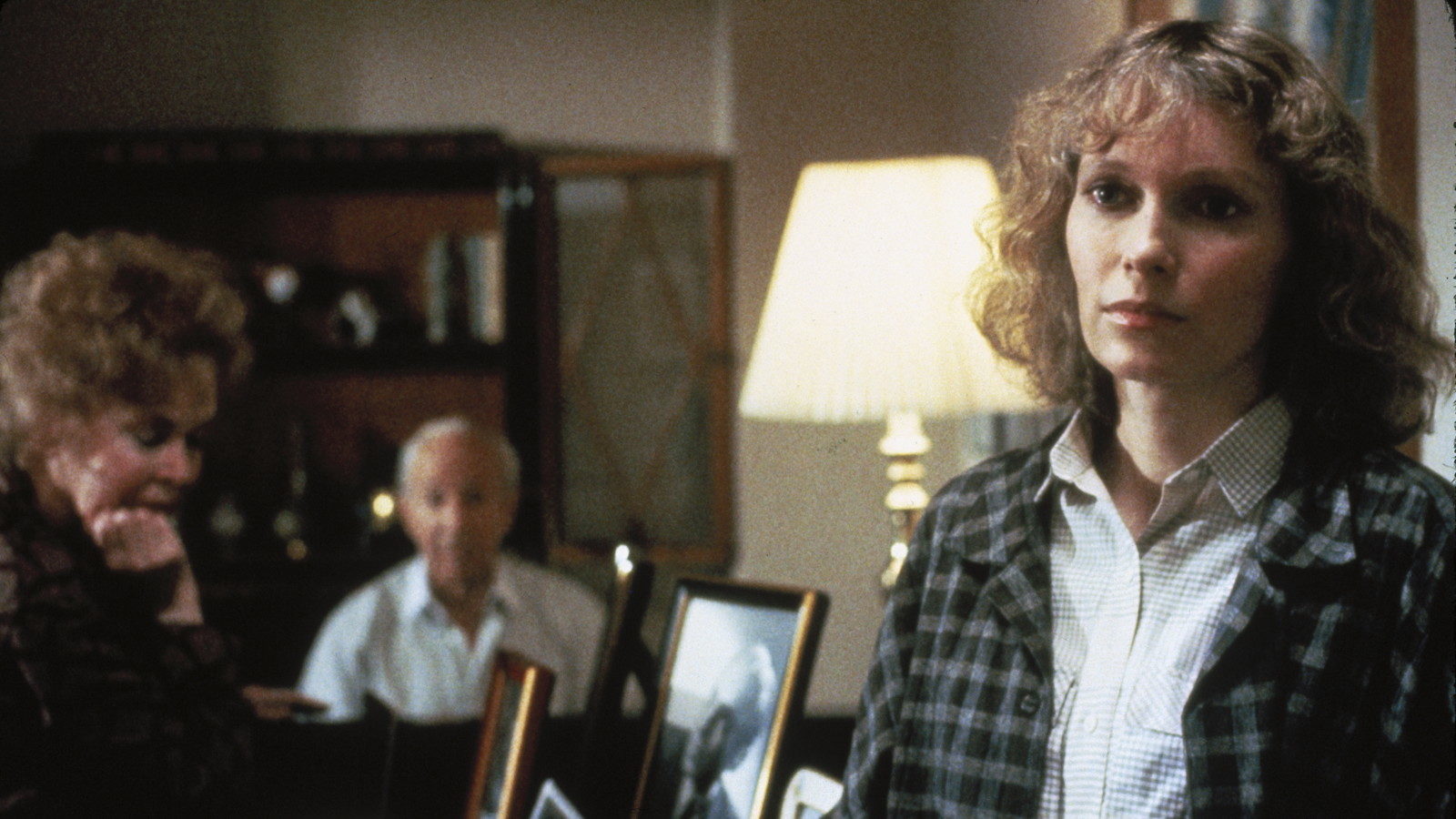
Woody Allen: The 36th Greatest Director



 Bronze Screen Dream