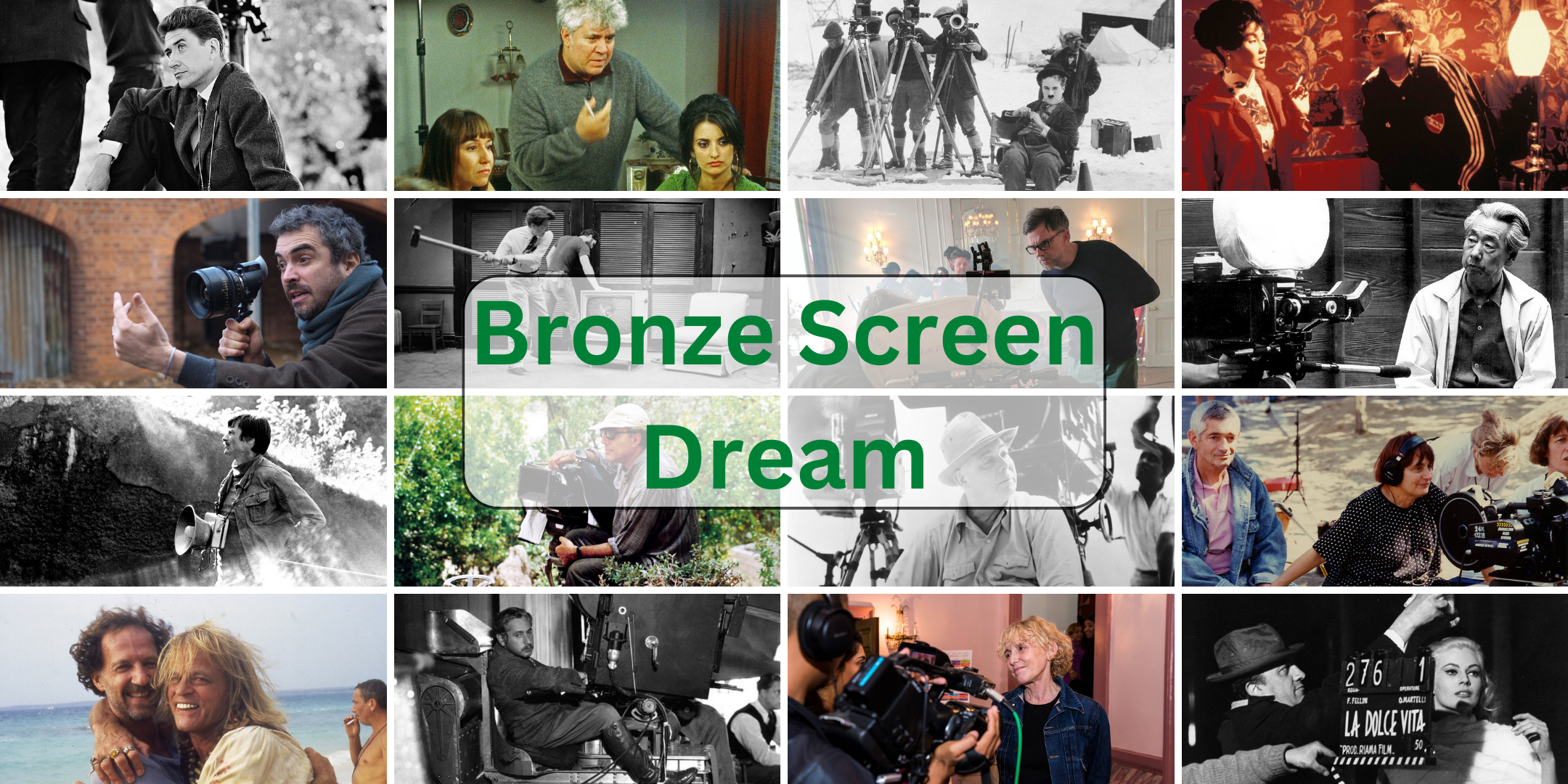

Wong Kar Wai, an acclaimed Hong Kong filmmaker, is renowned for his stylistic originality and unique thematic explorations. His visually resplendent films, characterised by their rich colour palettes, intricate aesthetics, and nonlinear storytelling, have influenced global cinema. Films like Chungking Express and In the Mood for Love underscore his reputation as a master storyteller, intertwining themes of love, longing, and memory in modern urban settings.
Raised in Shanghai and later moving to Hong Kong, Wong’s early exposure to Eastern and Western cultures would profoundly influence his filmmaking. After graduating from Hong Kong Polytechnic, he entered the film industry as a screenwriter before transitioning to directing in the late 1980s. Despite experiencing initial commercial failures, he would soon carve a unique place in the cinematic landscape with his breakthrough film Days of Being Wild in 1990, marking the start of his enduring collaboration with the celebrated cinematographer Christopher Doyle.
Nonlinear storytelling forms the backbone of Wong’s cinematic approach. His narratives eschew traditional chronology in favour of a fragmented, elliptical style. His mastery in intertwining timelines and stories can be seen in films like Chungking Express, a film that skillfully weaves multiple narratives together, creating an interconnected network of events and characters. This method emphasises the fluidity and interconnectedness of human experiences, reflecting Wong’s contemplative approach to storytelling.
“My films are never about what Hong Kong is like, or anything approaching a realistic portrait, but what I think about Hong Kong and what I want it to be.”
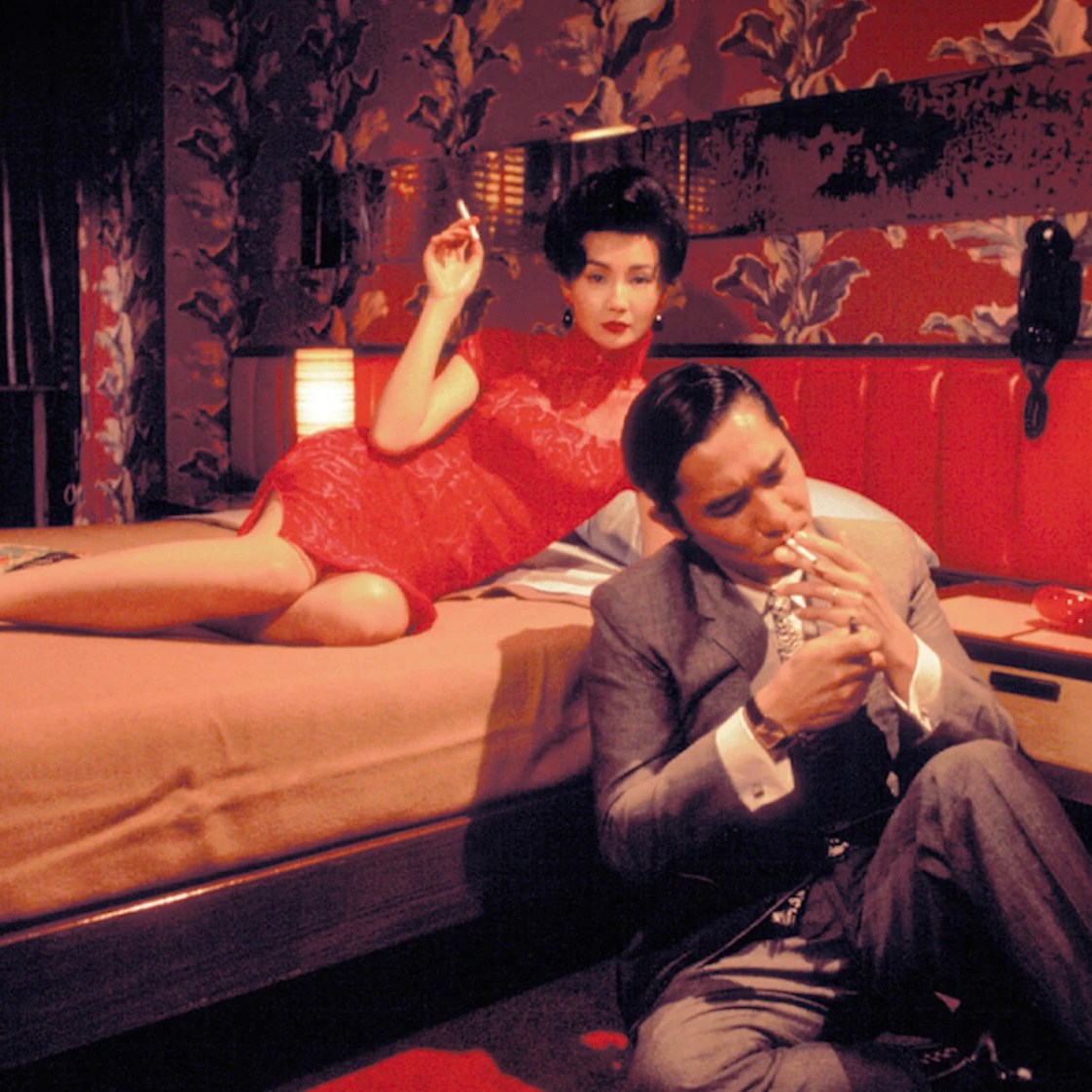
Wong’s visual style, a significant facet of his work, showcases a symphony of vibrant colours, slow-motion sequences, and inventive lighting that creates deeply atmospheric scenes. Collaborating with cinematographer Christopher Doyle, Wong develops a distinctive aesthetic, as seen in In the Mood for Love with its intricately patterned wallpaper, rain-soaked streets, and dimly lit narrow alleyways. His framing often leans toward the intimately claustrophobic, underscoring the emotional intensity and complexities of his characters’ lives.
In his films, Wong persistently delves into themes of unrequited love, loneliness, and longing. His characters inhabit a liminal space, torn between desire and societal constraints. This is illustrated in In the Mood for Love and 2046, where characters negotiate complex emotional and social webs. Furthermore, the intricate layering of music in Wong’s films reflects the inner states of his characters, enhancing their emotional depth and the narrative’s atmosphere.
The international influence of Wong Kar Wai’s work is significant. His idiosyncratic style has inspired a broad spectrum of filmmakers, including Barry Jenkins, who credits Wong’s Happy Together as a key influence on his Oscar-winning film, Moonlight. The Polish filmmaker Paweł Pawlikowski has also acknowledged Wong’s influence on his work. Wong’s films have significantly impacted contemporary cinema’s aesthetics and narrative structures, from their poignant exploration of themes to their innovative stylistic techniques, marking him as a critical figure in the annals of global cinema history.

Wong Kar-wai (1958 – -)
Calculated Films:
- Days of Being Wild (1990)
- Chungking Express (1994)
- Ashes of Time (1994)
- Fallen Angels (1995)
- Happy Together (1997)
- In The Mood For Love (2000)
- 2046 (2004)
Similar Filmmakers

Wong Kar-wai’s Top 10 Films Ranked
1. In The Mood For Love (2000)
Genre: Romance, Drama

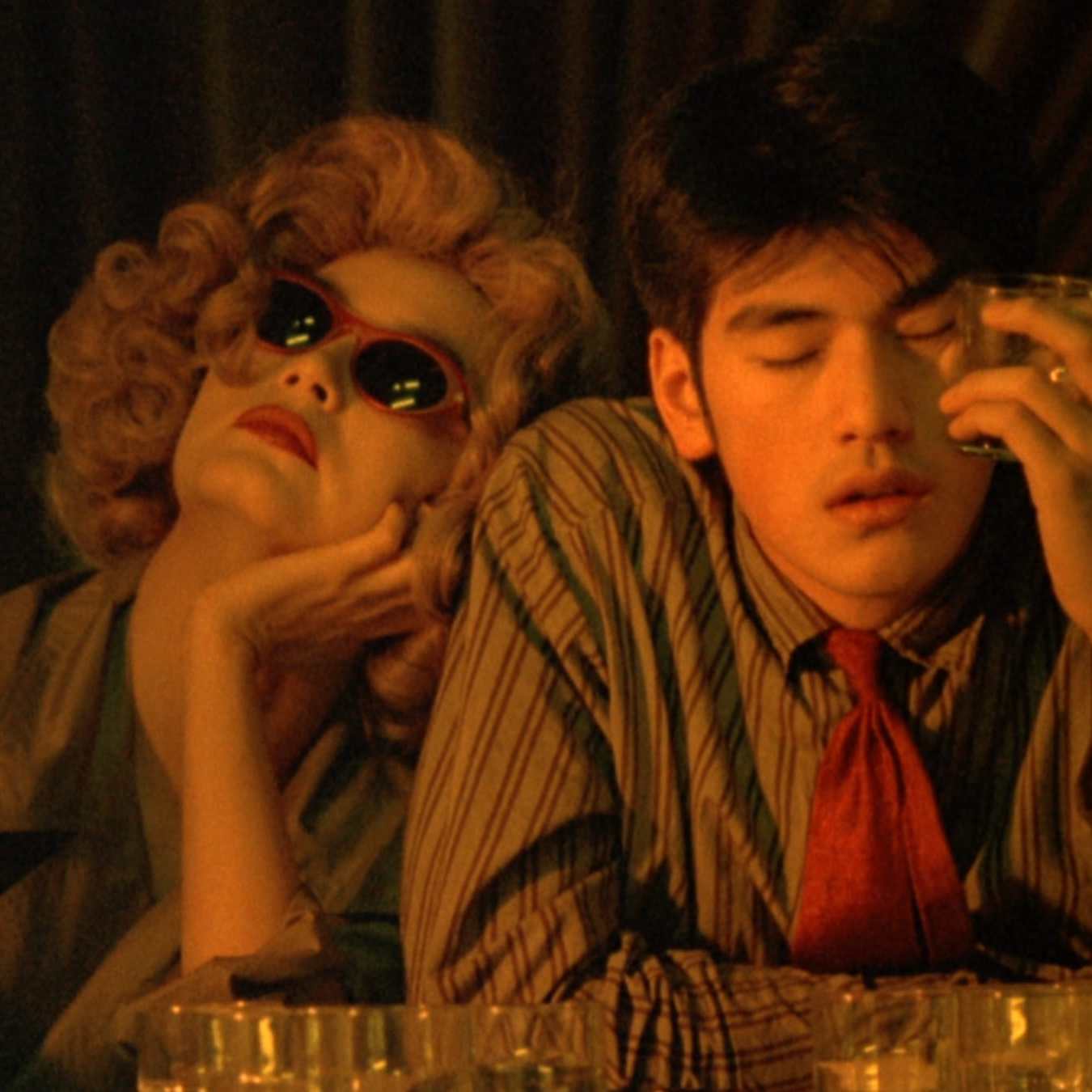
2. Chungking Express (1994)
Genre: Romance, Drama

3. Happy Together (1997)
Genre: Romance, Drama, Slice of Life
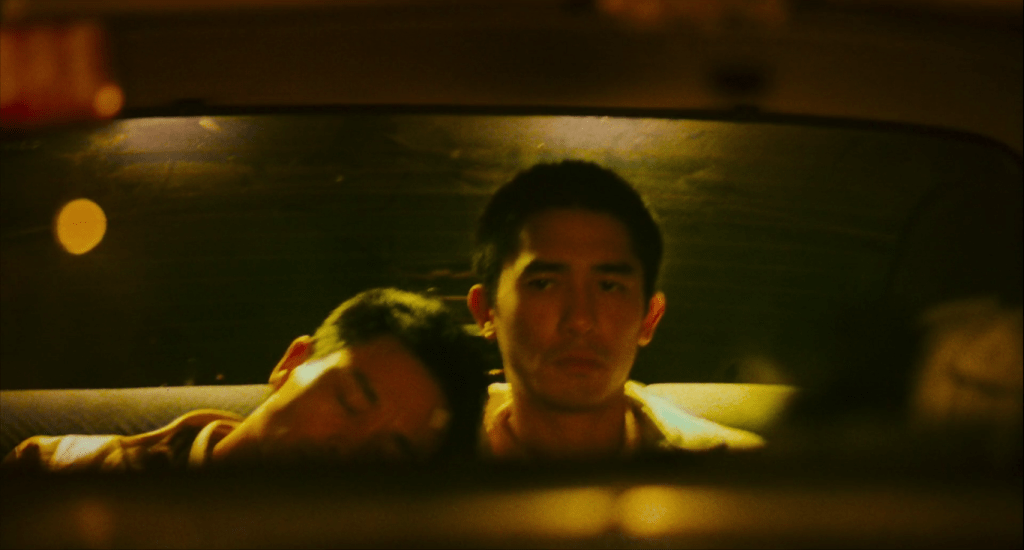
4. Fallen Angels (1995)
Genre: Romance, Crime, Drama
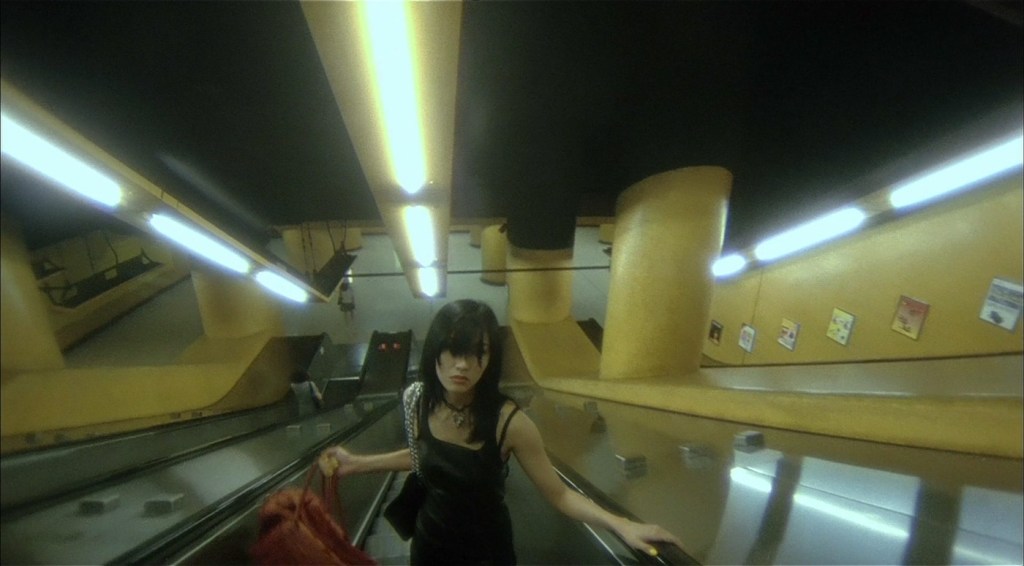
5. 2046 (2004)
Genre: Romance, Drama
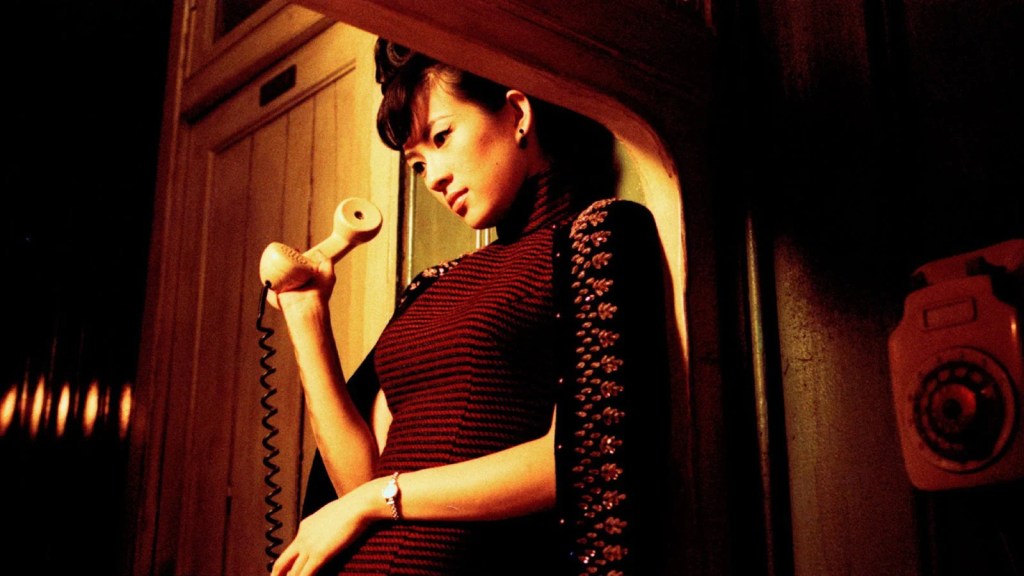
6. Days of Being Wild (1990)
Genre: Drama, Romance

7. As Tears Go By (1988)
Genre: Drama, Triad Film, Gangster Film
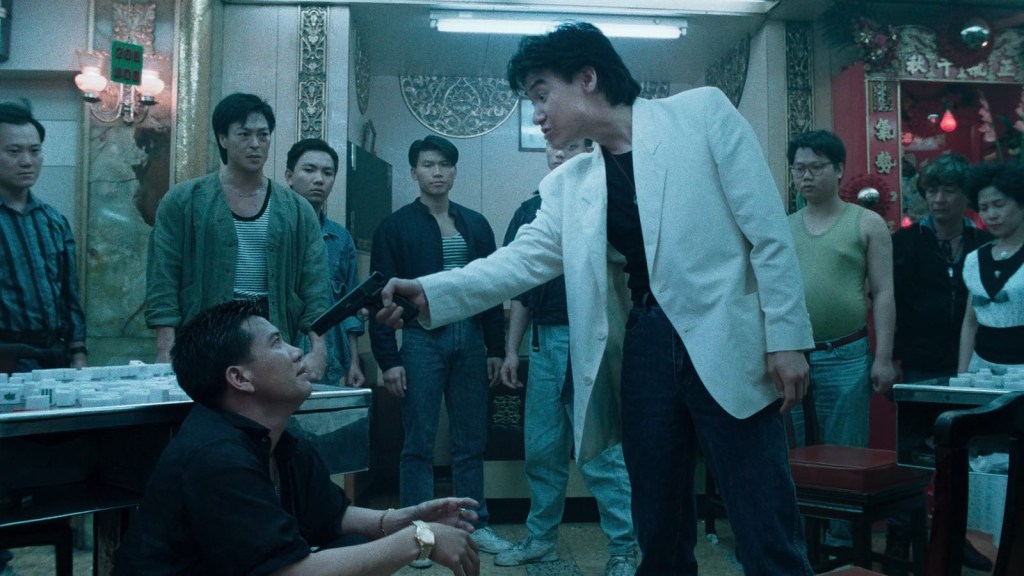
8. The Grandmaster (2013)
Genre: Kung Fu, Biographical
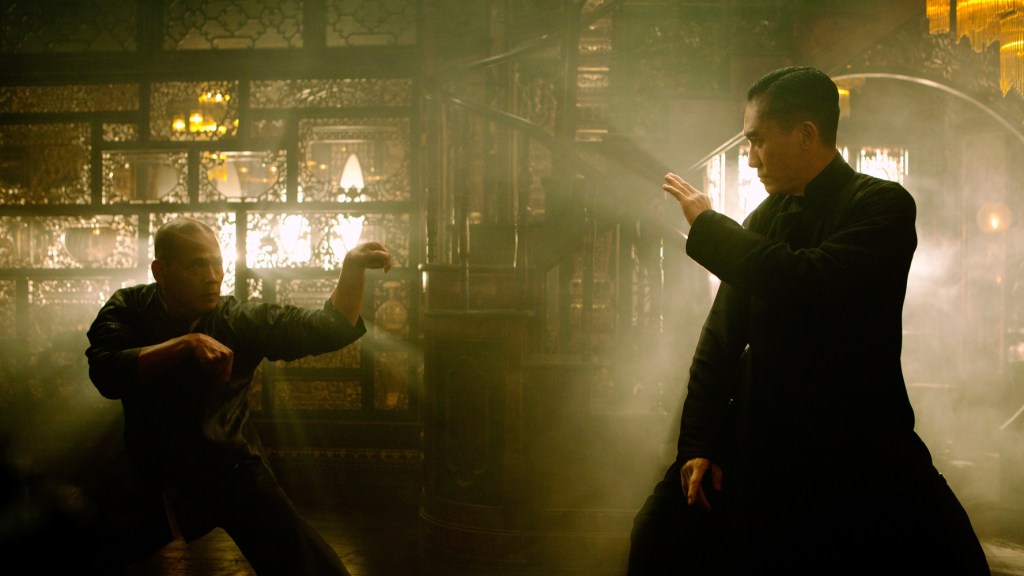
9. Ashes of Time (1994)
Genre: Wuxia, Drama

10. My Blueberry Nights (2007)
Genre: Romance, Drama

Wong Kar-wai: Themes and Style
Themes:
- Unrequited and Lost Love: Wong Kar-wai frequently delves into the bittersweet complexities of love, exploring unrequited feelings and missed connections in films like In the Mood for Love and Chungking Express.
- Time and Memory: His films often meditate on the concepts of time and memory, examining how characters are haunted by the past and uncertain about the future, as in 2046, where characters grapple with their memories and desires.
- Loneliness and Isolation: Characters in Wong’s films, such as those in Fallen Angels, are often depicted as solitary figures against the backdrop of a bustling city, highlighting the personal isolation amidst urban life.
- Displacement and Identity: Wong’s work explores the theme of cultural displacement and the search for identity in a rapidly changing world, a poignant aspect of The Grandmaster.
- Transient Relationships: He captures the fleeting nature of human connections in contemporary society, where characters like those in Days of Being Wild struggle to form lasting relationships.
Styles:
- Visual Aesthetics: Wong Kar-wai is renowned for his lush visual style, with vibrant colours and stylised lighting, creating a mood that is as important as the narrative, evident in the saturated hues of In the Mood for Love.
- Non-linear Storytelling: He often employs a fragmented, non-linear approach to narrative, asking the audience to piece together the story from disjointed moments, as seen in 2046.
- Slow Motion and Step Printing: Wong uses techniques like slow motion and step printing to accentuate moments, giving them a dreamlike quality that echoes the emotional states of his characters, a signature element in Chungking Express.
- Evocative Soundtracks: Music is an integral component that complements the emotional landscape of his films. Wong uses a blend of original scores and carefully selected songs to enhance the narrative, as the soundtrack of In the Mood for Love demonstrates.
- Impressionistic Cinematography: His collaboration with cinematographers like Christopher Doyle results in a distinctive, impressionistic look that captures the transient moments of daily life with a haunting beauty, a technique masterfully displayed in Fallen Angels.
Directorial Signature:
- Improvisational Direction: Wong Kar-wai is known for his spontaneous and improvisational directing style, often writing scenes the same day they are shot, which lends an immediacy and freshness to the performances in Chungking Express.
- Frequent Collaborators: He regularly works with the same ensemble of actors and crew, creating a distinct filmmaking family whose chemistry is evident on screen, as seen with Tony Leung’s appearances in multiple films.
- Ephemeral Romanticism: Wong’s directorial signature is marked by a sense of ephemeral romanticism, capturing fleeting glances and the unspoken chemistry between characters, which creates an intense emotional resonance, as in In the Mood for Love.
- Atmospheric Locations: He meticulously chooses locations that enhance the atmospheric quality of his films, often using urban landscapes to reflect the inner lives of his characters, such as the narrow alleys and neon signs in Chungking Express.
- Narrative Ambiguity: Wong often leaves narratives open-ended, inviting viewers to draw their own conclusions and infuse their own emotions and experiences into the story. This technique leaves a lasting impression, as in 2046.
Wong Kar-wai: The 48th Greatest Director


 Bronze Screen Dream