

Wojciech Has was a Polish film director best known for his visually imaginative and meticulously crafted films, often exploring philosophical, literary, and psychological themes. His works, like The Saragossa Manuscript and The Hourglass Sanatorium, have been celebrated for their surreal, dreamlike qualities, as well as their complex narrative structures and allegorical elements.
Has’s career began in the post-war era of Polish cinema, a period marked by the country’s struggle to rebuild its cultural identity. Early in his career, Has demonstrated a penchant for storytelling that defied the socialist realist norms of the time, favouring instead a more personal and introspective approach. His early works already hinted at the themes and styles that would define his later, more recognised films. The turning point in Has’s career came with The Saragossa Manuscript, a film that garnered international acclaim and showcased his ability to adapt complex literary works into visually stunning and intellectually engaging cinematic experiences. This film, along with The Hourglass Sanatorium, represents the zenith of Has’s exploration of narrative form and his fascination with the intricacies of the human mind.
Throughout his career, Has navigated the challenges of the changing political landscape in Poland, which often imposed restrictions on artistic expression. Despite these hurdles, he managed to maintain a distinctive voice, often using allegory and metaphor to subtly critique the status quo. His films during the 1960s and 1970s, in particular, reflect a period of creative flourishing, during which he solidified his reputation as a director of great imagination and depth. However, Has’s work was not without its controversies; The Hourglass Sanatorium, for instance, faced censorship issues due to its perceived subversive elements, reflecting the tense relationship between art and politics in Communist Poland.
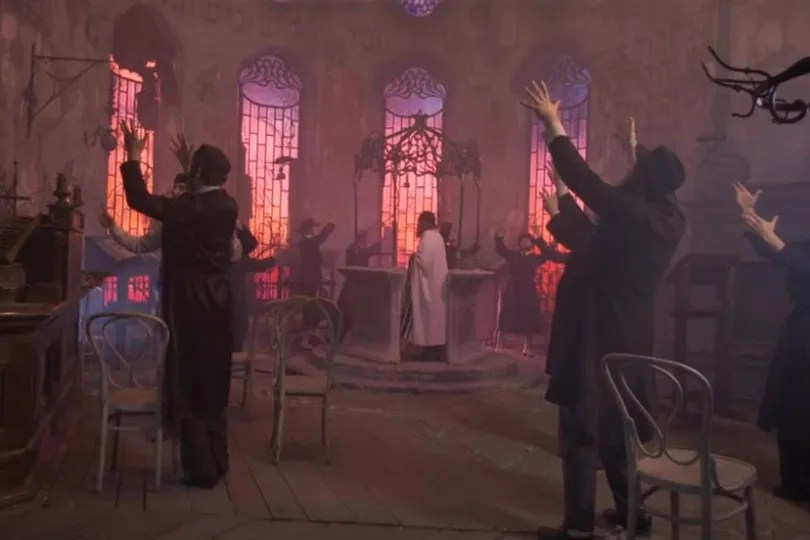
His filmography is characterised by its deep fascination with human consciousness and the mysteries of existence. He often deployed non-linear storytelling techniques to explore characters’ internal worlds, memories, and dreams. For example, in The Hourglass Sanatorium, Has created a hallucinatory, timeless space where the protagonist navigates through various episodes of his life, encountering historical, mythical, and fantastical elements, reflecting the fluid, illogical nature of the human psyche and memory. This introspective approach allows viewers to engage with the films on multiple interpretative levels, offering a rich, contemplative cinematic experience.
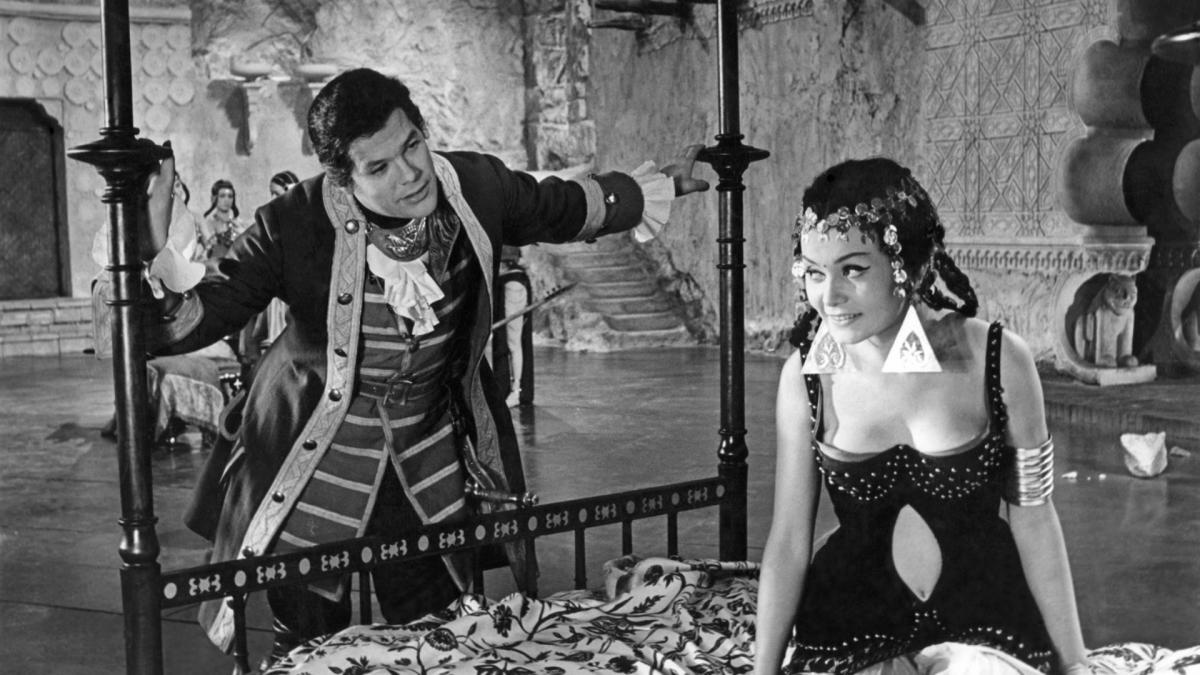
Has’s films are notable for their meticulous attention to detail and atmospheric, sometimes gothic aesthetic. The Saragossa Manuscript is a case in point with its hauntingly beautiful cinematography and elaborate set designs that contribute to the film’s enigmatic, hypnotic ambience. Furthermore, Has had a propensity for adapting literary works, often selecting texts that mirrored his thematic preoccupations, such as the exploration of identity, the unconscious, and the metaphysical. This harmonious marriage between literary sources and Has’s distinctive directorial vision produced films that are as intellectually engaging as they are visually stunning.

Wojciech Has (1925 – 2000)
Calculated Films:
- Noose (1958)
- How to Be Loved (1963)
- The Sargossa Manuscript (1965)
- The Hourglass Sanatorium (1973)
Similar Filmmakers
- Jan Svankmajer
- Jaromil Jires
- Jerzy Kawalerowicz
- Jerzy Skolimowski
- Juraj Herz
- Károly Makk
- Kazimierz Kutz
- Luis Bunuel
- Raul Ruiz
- Tadeusz Konwicki
- Terry Gilliam
- Věra Chytilová


Wojciech Has’ Top 5 Films Ranked
1. The Saragossa Manuscript (1965)
Genre: Period Drama, Comedy, Gothic, Epic

2. The Hourglass Sanatorium (1973)
Genre: Surrealism, Psychological Drama, Portal Fantasy

3. Noose (1958)
Genre: Polish Film School, Psychological Drama

4. How to Be Loved (1963)
Genre: Polish Film School, Psychological Drama
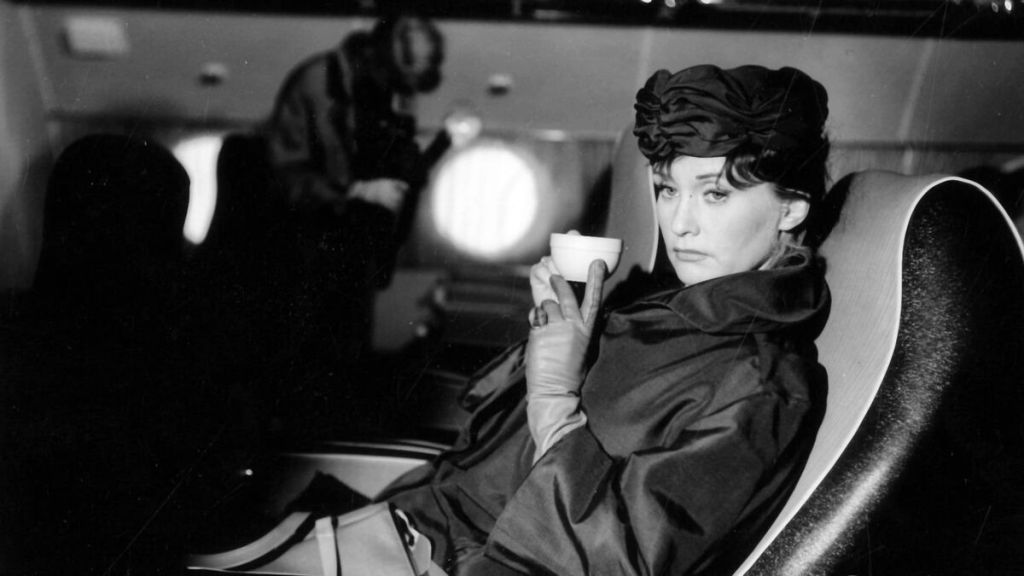
5. Farewells (1958)
Genre: Polish Film School, Romance, Drama

Wojciech Has: Themes and Style
Themes:
- Surrealism and Dreams: Has’s films often tread the line between reality and dream, delving into the psychological and often blending the mundane with the fantastic.
- Memory and Time: Recurring motifs in Has’s cinema involve the elasticity of memory and how the past intermingles with the present, offering a contemplative look at human existence.
- Literary Adaptations: Several of Has’s films, like The Saragossa Manuscript and The Hourglass Sanatorium, are based on intricate literary works, maintaining their narrative complexity and depth.
- Isolation and Loneliness: Characters in Has’s films often grapple with feelings of isolation, be it self-imposed or a result of societal circumstances.
Styles:
- Narrative Complexity: Many of Has’s films employ a non-linear, intricate narrative structure, with stories nested within stories, requiring careful attention from the viewer.
- Visual Richness: Has had an eye for detail, and his films are marked by their richly textured visuals. His settings are often lavishly decorated, capturing a distinct atmosphere and mood.
- Symbolism: Objects, characters, and settings in his films are often laden with symbolic meanings, adding layers to the narrative and inviting multiple interpretations.
- Extended Takes: Has often employed long, uninterrupted shots, allowing the viewer to immerse themselves in the atmosphere he was creating.
Directorial Signature:
- Adherence to Source Material: Even when adapting complex literary works, Has had a unique ability to remain faithful to the source material, capturing its essence and depth.
- Atmospheric Soundtracks: The music in Has’s films, often haunting and evocative, plays a crucial role in establishing the mood, enhancing the surreal and dreamlike quality of his narratives.
- Mise-en-scène: Has had a distinctive command over mise-en-scène. Every element on screen, from costume and setting to lighting, was deliberately chosen to create a cohesive visual and thematic experience.
- Character Depth: Has’s characters are multifaceted, often caught in internal and external conflicts. They serve as vehicles for deeper explorations into themes of existence, memory, and time.
- Mysticism: Has’s films frequently touch upon the mystical, whether through narrative elements, character encounters, or visual symbolism. This lends a unique, otherworldly quality to his work.
Wojciech Has – Great Director


 Bronze Screen Dream