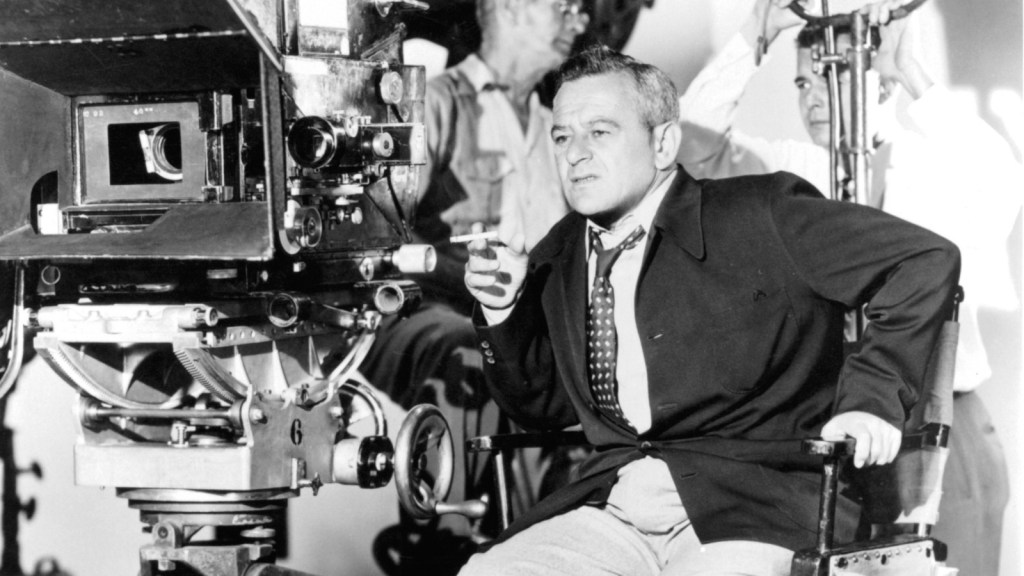
William Wyler, a Swizz-German-American director, is celebrated for his mastery of a wide range of genres and meticulous attention to detail in filmmaking. Wyler’s legacy, spanning over four decades, includes Oscar-winning classics like Mrs Miniver, The Best Years of Our Lives, and Ben-Hur. He showcased his remarkable versatility, making landmark contributions to war films, romantic comedies, and period dramas.
Born in 1902, Wyler’s journey to Hollywood began with a familial connection to Carl Laemmle, founder of Universal Pictures. Starting in Universal’s New York office, he moved to Hollywood in the 1920s and quickly climbed the ranks, transitioning from silent films to talkies. Wyler demonstrated impressive adaptability, maintaining his relevance and artistic integrity amidst the rapidly changing industry.
Many of Wyler’s films are distinguished by their exploration of significant social themes. For instance, The Best Years of Our Lives offers a poignant exploration of the struggles faced by servicemen returning from World War II. Mrs Miniver embodies the spirit of resilience in times of war, revealing the hardships and stoicism of the British people during World War II. Wyler’s tended to avoid unnecessary dialogue, instead letting the camera tell the story.
Hollywood’s Most Bankable Director
Wyler’s visual style is noted for its meticulous craftsmanship and the pioneering use of deep-focus cinematography, a technique where both the foreground and background are in sharp focus. His collaboration with cinematographer Gregg Toland, who also worked extensively with Orson Welles, exemplifies this in films like The Best Years of Our Lives. Known as “40-Take Wyler,” his relentless pursuit of perfection often involved multiple takes to achieve the desired authenticity and precision in each scene.
Known for collaborating with major stars, Wyler’s knack for eliciting strong performances often led his actors to achieve Oscar-winning or nominated roles. Working with talents like Bette Davis, Laurence Olivier, Audrey Hepburn, and Charlton Heston, he guided these actors in delivering some of their career-best performances. Wyler holds the record for Best Director nominations at the Academy Awards, a testament to his exceptional directorial skill and vision.
Wyler’s influence is enduring and far-reaching. His commitment to realism, nuanced character portrayal, and socially conscious storytelling set a high standard for future filmmakers. Contemporary directors such as Steven Spielberg and Martin Scorsese have cited Wyler as a significant influence. Despite his passing in 1981, Wyler’s legacy continues to resonate in film history, marking him as one of the most important directors of American cinema.
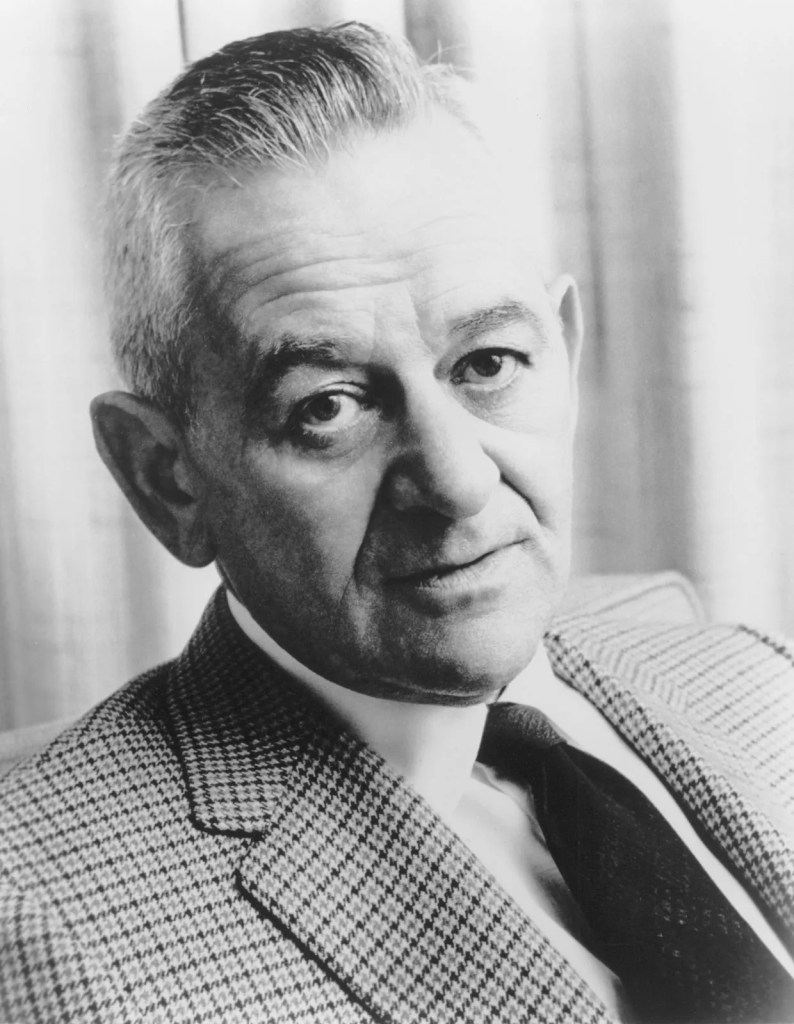
William Wyler (1902 – 1981)
Calculated Films:
- Counsellor at Law (1933)
- The Good Fairy (1935)
- Dodsworth (1936)
- Dead End (1937)
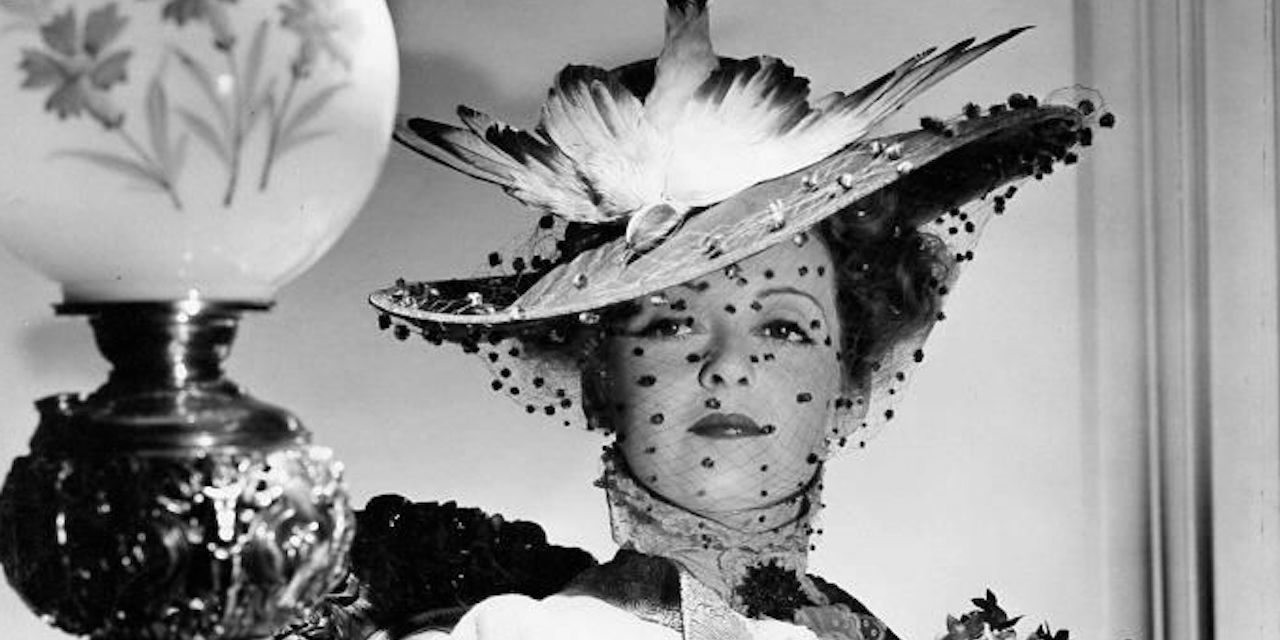
- Jezebel (1938)
- Wuthering Heights (1939)
- The Westerner (1940)
- The Letter (1940)
- The Little Foxes (1941)
- Mrs Miniver (1942)
- The Best Years of Our Lives (1946)
- The Heiress (1949)
- Roman Holiday (1953)
- The Big Country (1958)
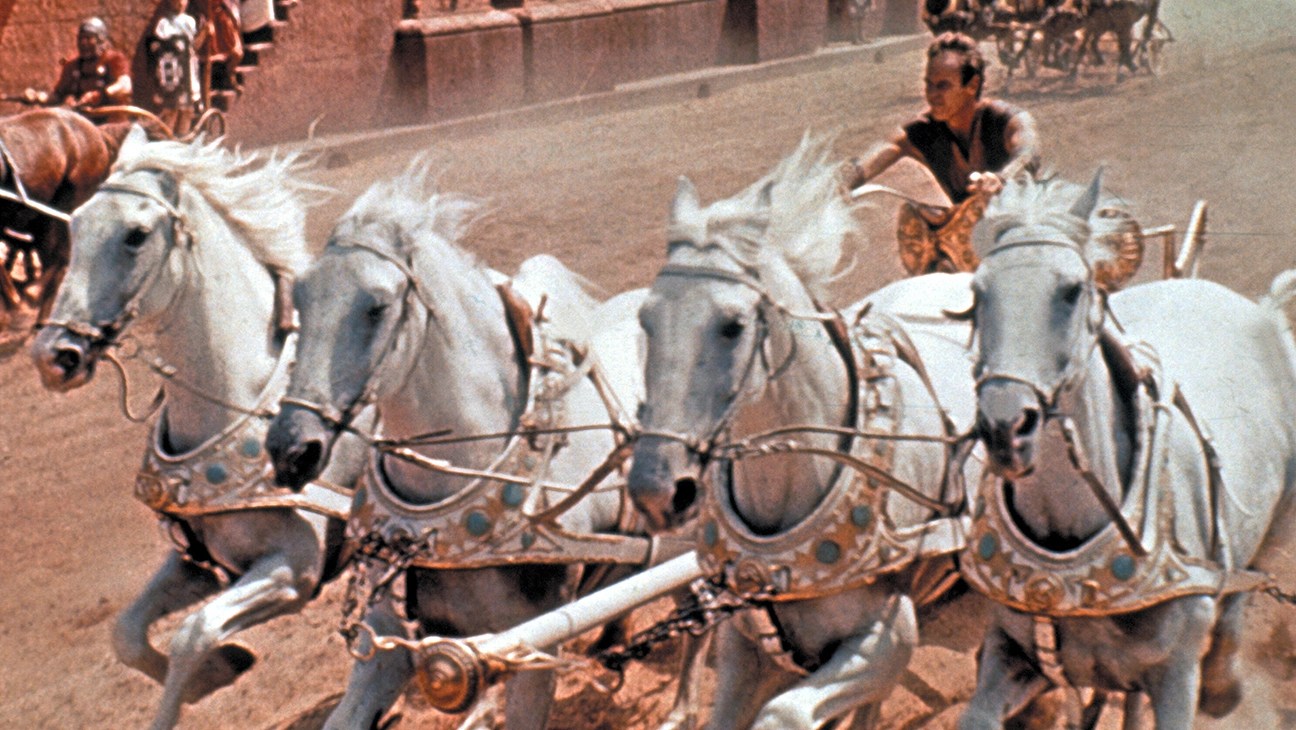
- Ben-Hur (1959)
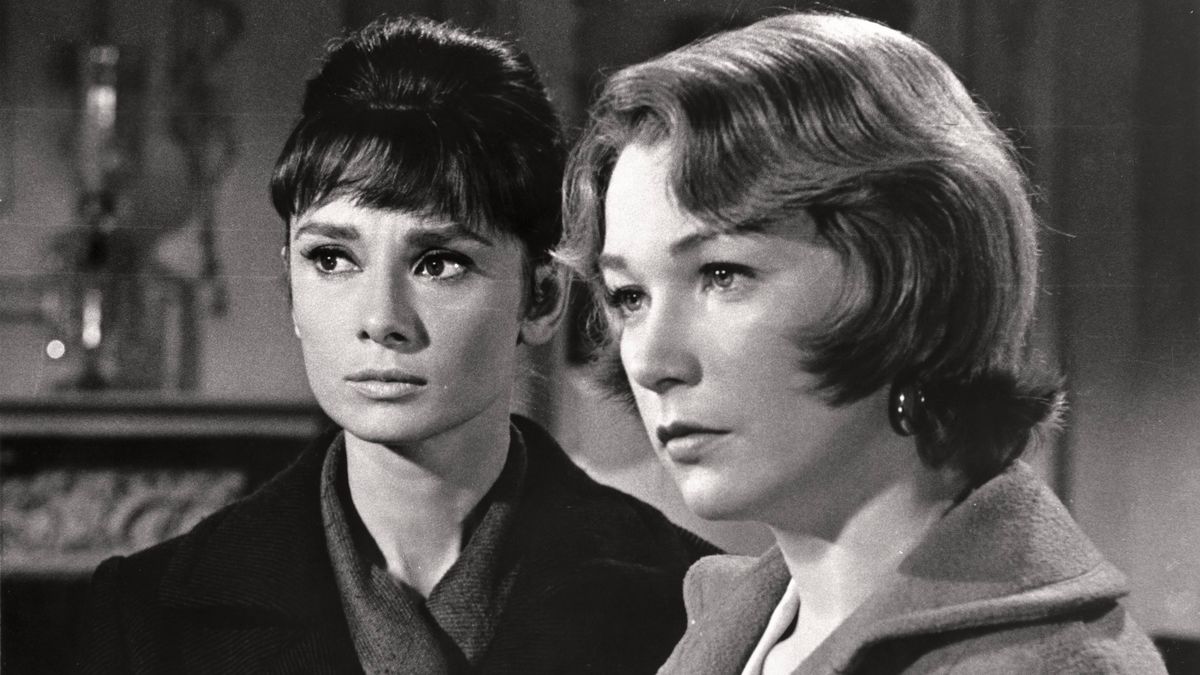
- The Children’s Hour (1961)
Similar Filmmakers


William Wyler’s Top 10 Films Ranked
1. The Best Years of Our Lives (1946)
Genre: Melodrama

2. The Heiress (1949)
Genre: Melodrama, Romance, Period Drama
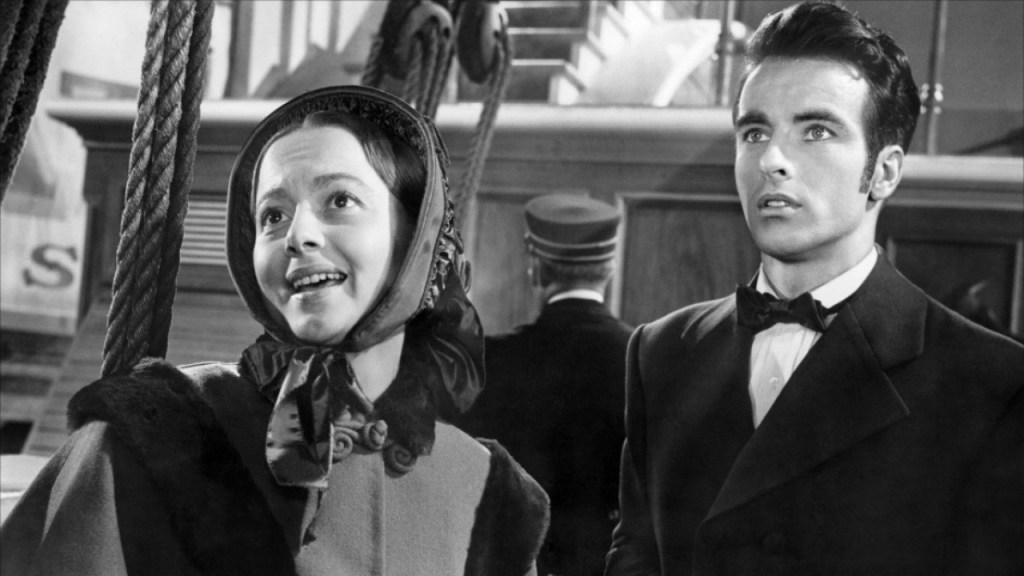
3. Roman Holiday (1953)
Genre: Romantic Comedy

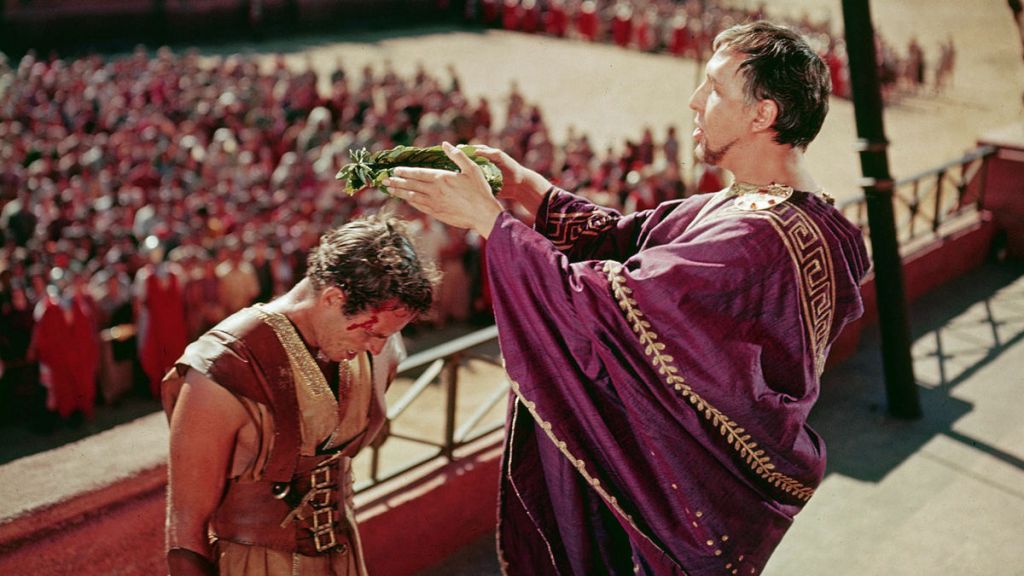
4. Ben-Hur (1959)
Genre: Sword and Sandal, Period Drama, Epic, Religious Film
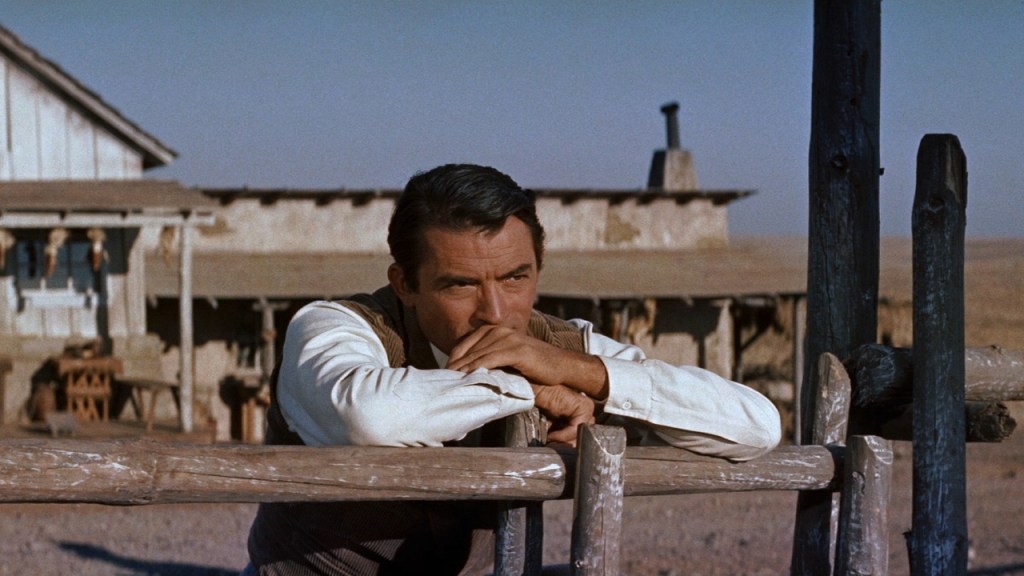
5. The Big Country (1958)
Genre: Western, Epic
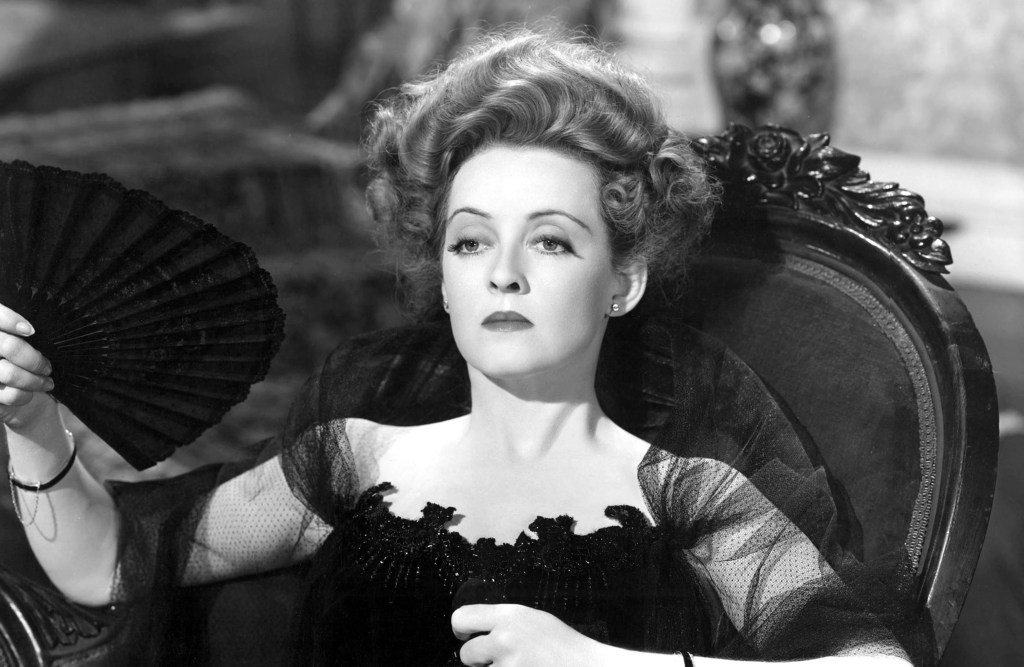
6. The Little Foxes (1941)
Genre: Drama, Melodrama, Period Drama
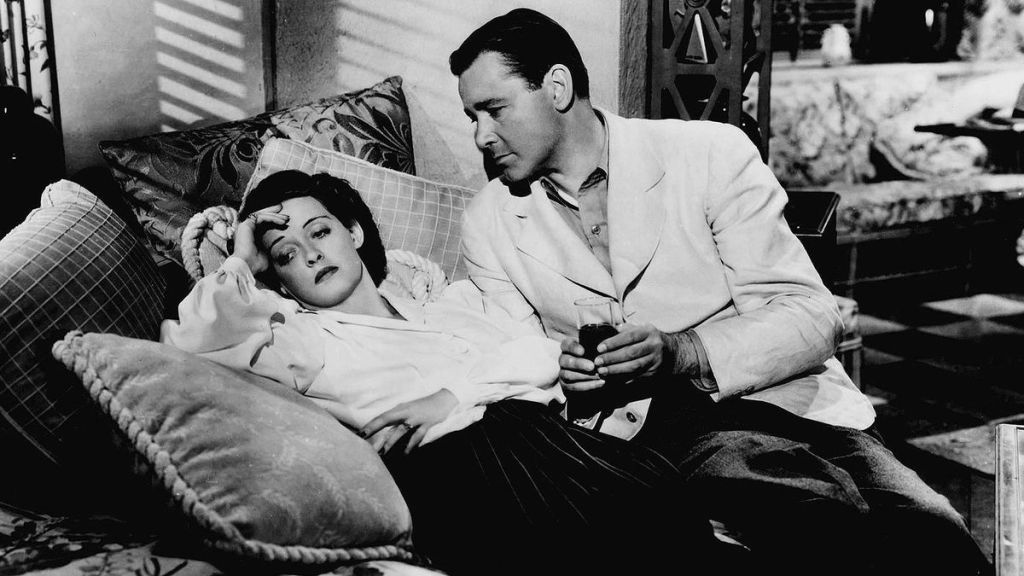
7. The Children’s Hour (1961)
Genre: Drama, Melodrama

8. Dodsworth (1936)
Genre: Drama, Romance

9. The Letter (1940)
Genre: Film Noir, Melodrama, Crime, Drama, Gothic
10. The Collector (1965)
Genre: Psychological Thriller

William Wyler: Themes and Style
Themes:
- Human Struggle and Morality: Wyler often explored the complex nature of human morality and the inner struggles of his characters. In The Best Years of Our Lives, he delved into the difficulties faced by servicemen returning from war, examining their moral and psychological challenges.
- Social Issues and Injustice: A recurring theme in Wyler’s work is the critique of social injustice. The Children’s Hour deals with the destructive power of lies and the devastating impact of unfounded rumours on innocent lives.
- Transformation and Redemption: Many of Wyler’s films, like Ben-Hur, focus on the protagonist’s journey towards redemption. He portrays transformation through intense personal trials, often leading to a profound change in character.
- Romantic Entanglement and Conflict: Wyler’s films frequently feature complex romantic relationships, often highlighting the societal constraints that impact them, as seen in Wuthering Heights.
Styles:
- Deep Focus and Long Takes: Wyler was known for his pioneering use of deep-focus cinematography, allowing multiple layers of action to unfold within a single take, as exemplified in The Little Foxes.
- Staging in Depth: He often staged action in depth, positioning actors at various distances from the camera, creating a sense of three-dimensional space and dynamic compositions within scenes.
- Masterful Adaptation: Wyler had a knack for adapting stage plays and literature for the screen, maintaining their dramatic power while effectively using the visual medium, as in Dodsworth.
- Character-Driven Direction: Character development was central to Wyler’s approach, often eliciting profound and nuanced performances from actors, which is evident in the multiple Academy Awards won by his actors.
Directorial Signature:
- Collaboration with Top Actors: Wyler’s directorial signature includes his successful associations with Hollywood’s elite actors, often pushing them to deliver Oscar-winning performances, as he did with Audrey Hepburn in Roman Holiday.
- Attention to Detail: Wyler was known for his meticulous attention to detail, often insisting on numerous takes until every element of the scene met his precise vision, which is particularly notable in the grand scale of Ben-Hur.
- Psychological Realism: He consistently aimed for psychological realism, seeking to draw out the inner life of his characters and make their emotional experiences resonate with the audience.
- Social Consciousness: Wyler’s films often reflected his social consciousness, addressing relevant social issues of the time and promoting humanitarian and ethical messages, a trait that’s especially prominent in The Heiress.
- Visual Composition: A distinct aspect of Wyler’s directorial signature is his masterful composition of shots, using the camera to enhance the emotional impact and storytelling, as seen in the meticulous framing of Jezebel.
William Wyler: The 46th Greatest Director

 Bronze Screen Dream