
William Dieterle was a German director renowned for his exceptional filmmaking skills, making him a noteworthy figure in both German and Hollywood cinema. Best known for his distinct approach to biopics and literary adaptations, Dieterle’s work is characterised by its eloquent storytelling and his ability to bring historical and literary figures to life. His most acclaimed films include The Life of Emile Zola, The Hunchback of Notre Dame, and Portrait of Jennie, which showcase his adeptness at blending reality with elements of fantasy and romance.
Dieterle’s filmography is marked by a profound understanding of character development and a keen eye for visual detail. His protagonists, often larger-than-life figures, were crafted with immense depth and human relatability. This is particularly notable in The Life of Emile Zola, which won an Academy Award for Best Picture. Dieterle brought forth Zola’s personal and societal struggles, rendering him an everyday man caught in the tides of history. Such profound character portrayals set Dieterle’s works apart, turning the conventional biopic into a richly textured narrative.
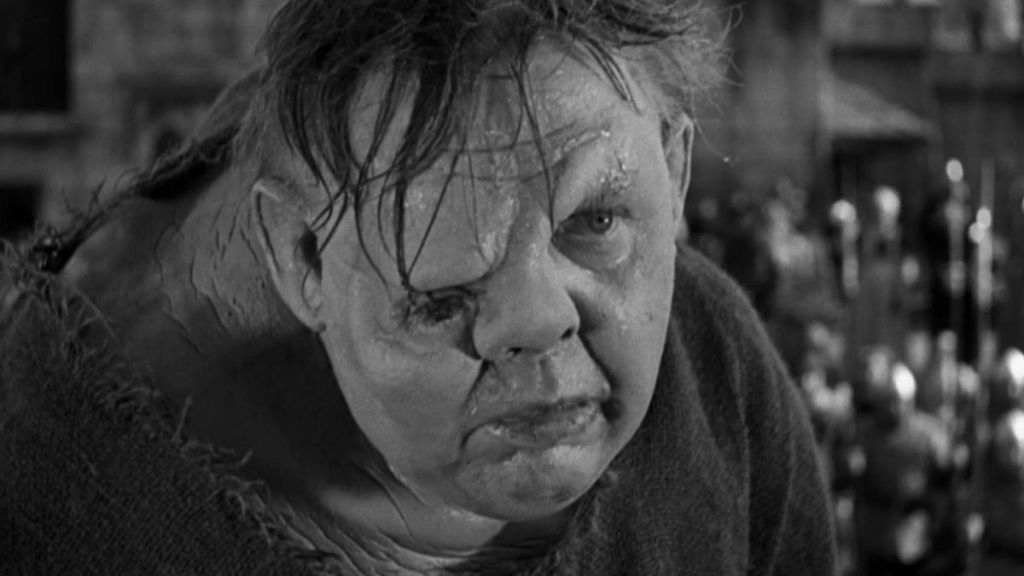
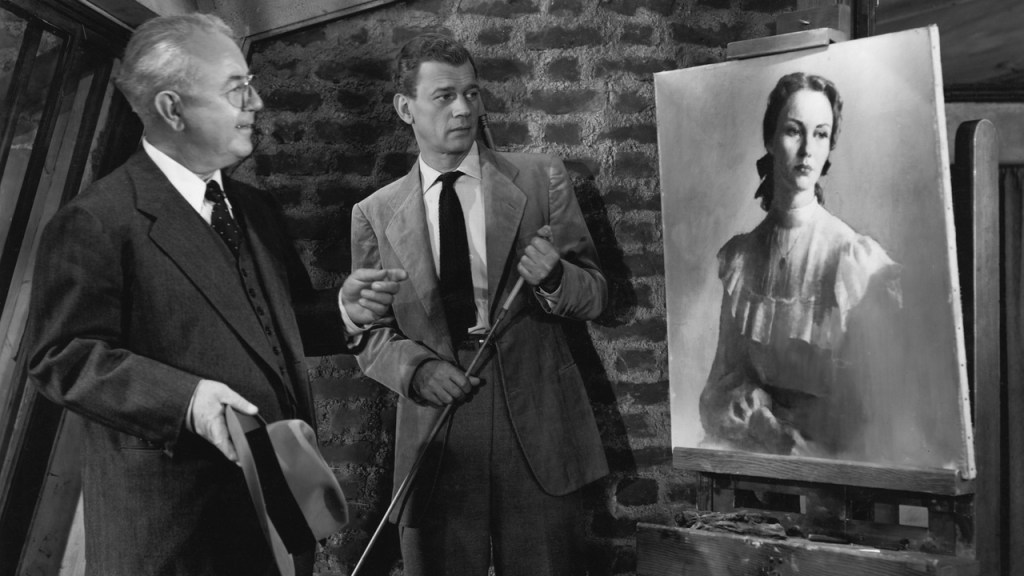
A hallmark of Dieterle’s films was his distinctive visual style, which often included lavish sets, innovative camera angles, and atmospheric lighting. A testament to this is the gothic aesthetic of The Hunchback of Notre Dame or the ethereal beauty of Portrait of Jennie. Dieterle was known to experiment with film techniques and genres, leading to a versatile body of work that has influenced cinematic aesthetics over the years.
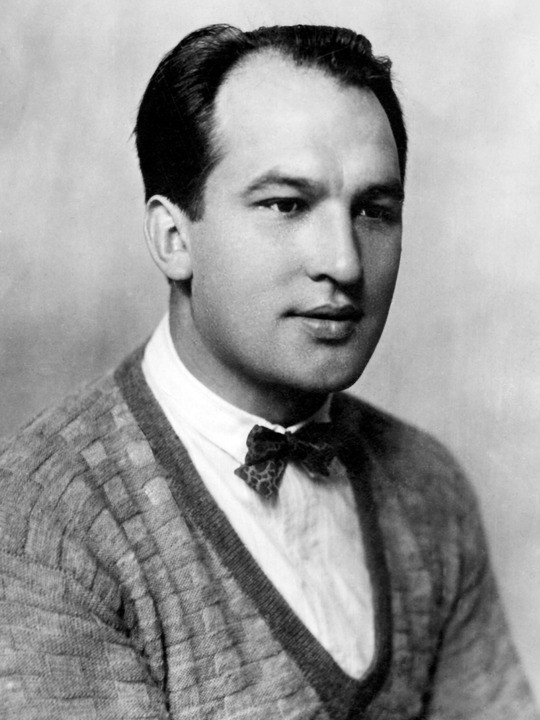
William Dieterle (1893 – 1972)
Calculated Films:
- The Hunchback of Notre Dame (1939)
- Dr Ehrlich’s Magic Bullet (1940)
- The Devil and Daniel Webster (1941)
- Portrait of Jennie (1948)
Similar Filmmakers
- Anatole Litvak
- Clarence Brown
- Curtis Bernhardt
- Edmund Goulding
- Elia Kazan
- Frank Borzage
- Irving Rapper
- Jean Negulesco
- John Cromwell
- John Huston
- John M. Stahl
- Joseph K. Mankiewicz
- King Vidor
- Michael Curtiz
- Robert Wise
- Rouben Mamoulian
- Victor Saville
- William Wyler

William Dieterle’s Top 5 Films Ranked
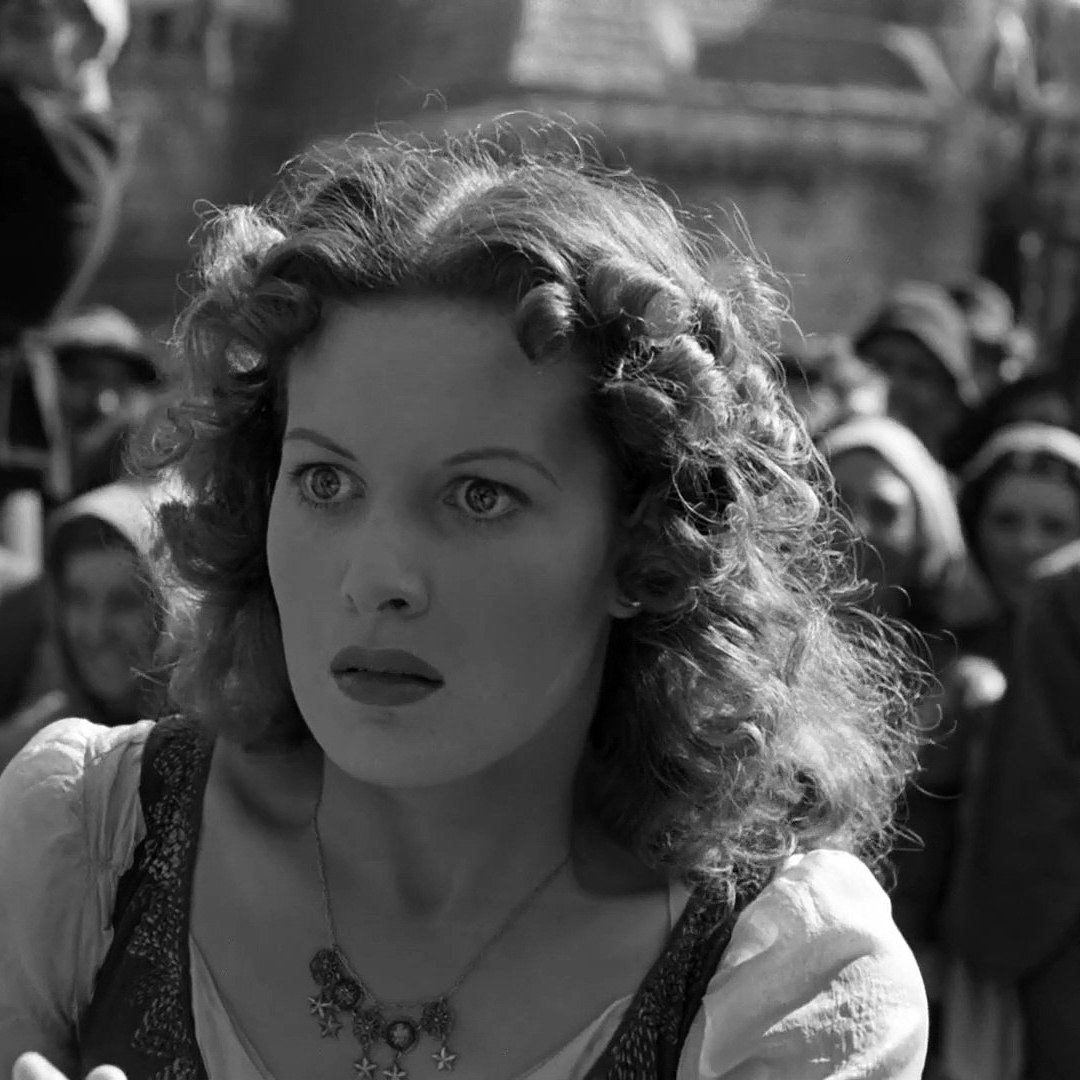
1. The Hunchback of Notre Dame (1939)
Genre: Drama, Romance, Melodrama, Medieval, Gothic
2. Portrait of Jennie (1948)
Genre: Low Fantasy, Romance, Melodrama
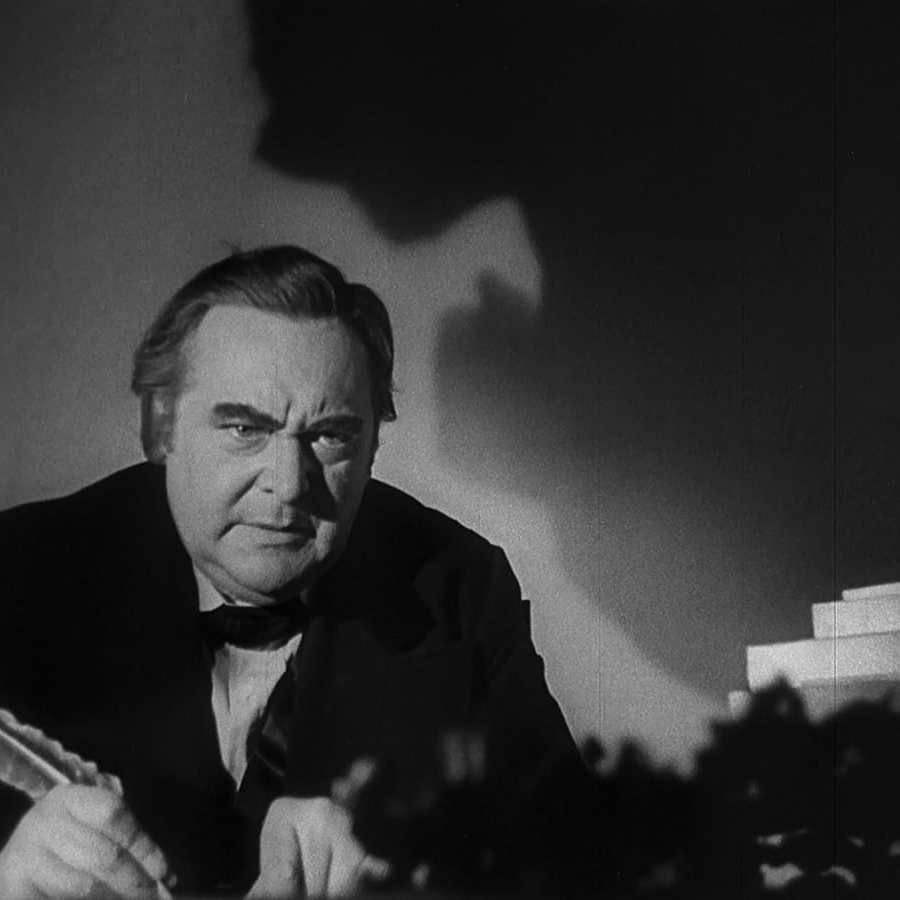
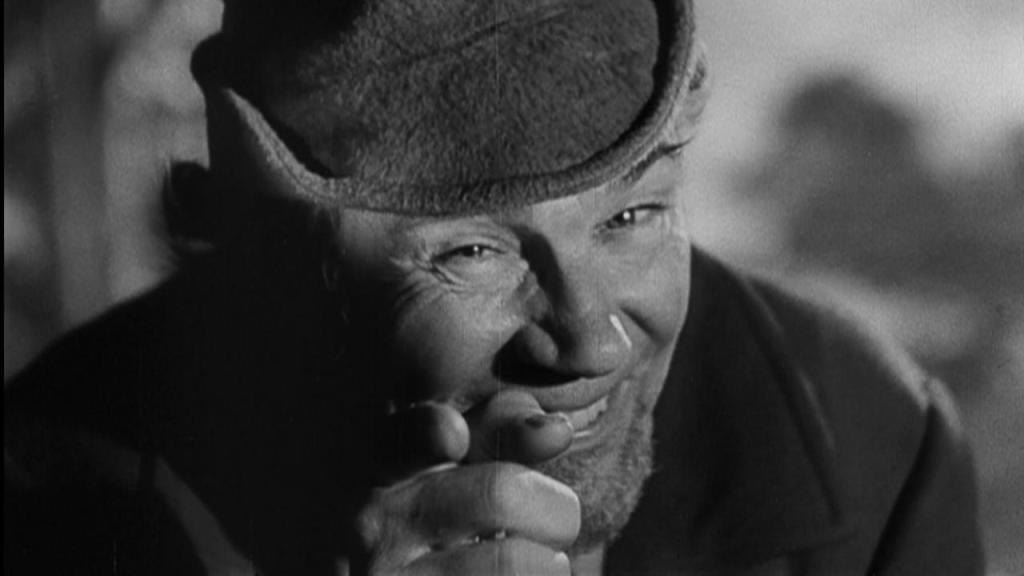
3. The Devil and Daniel Webster (1941)
Genre: Drama, Low Fantasy
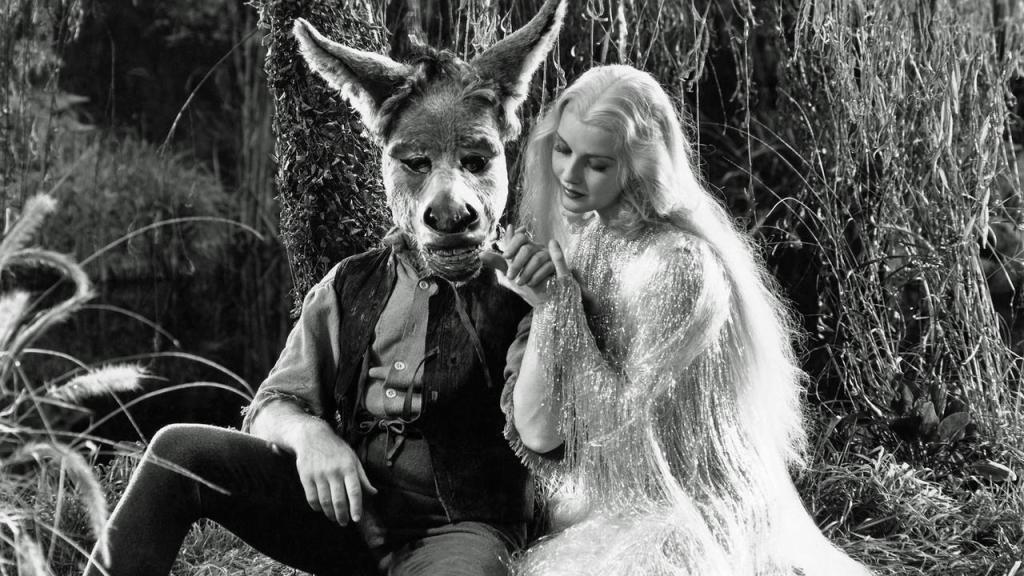
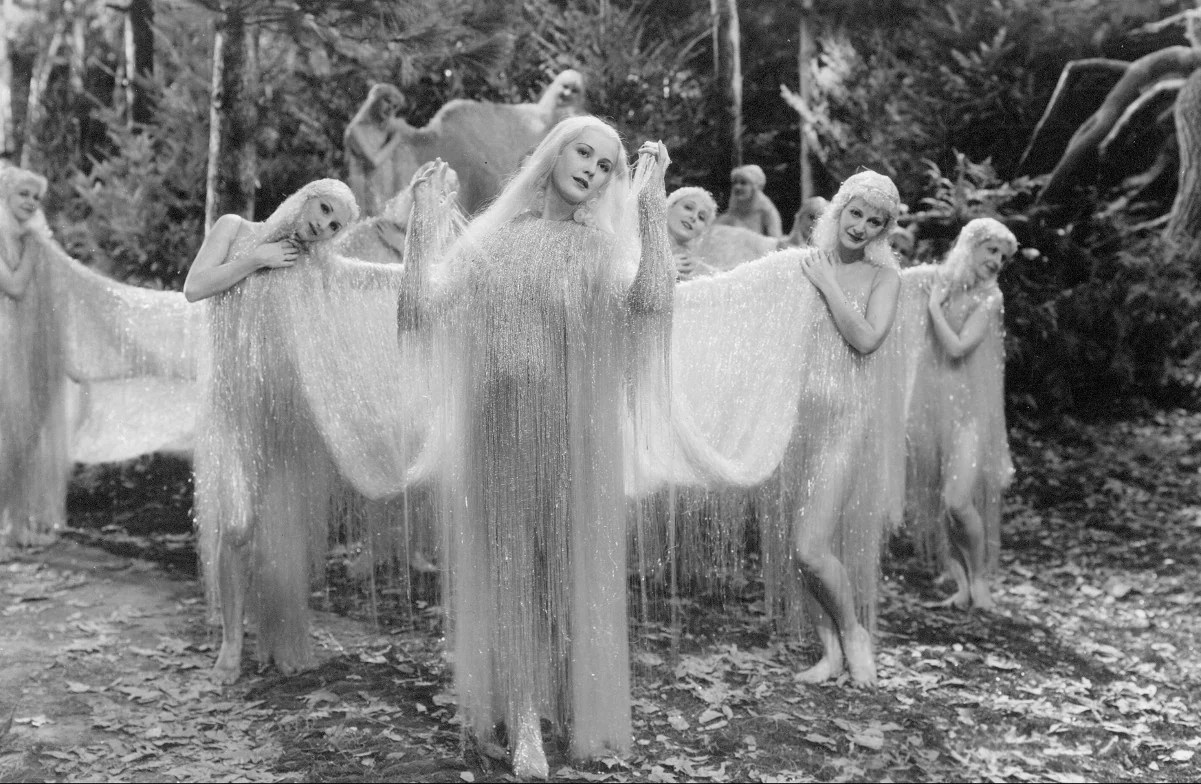
4. A Midsummer Night’s Dream (1935)
Genre: Fantasy, Romantic Comedy
5. The Life of Emile Zola (1937)
Genre: Biographical, Legal Drama

William Dieterle: Themes and Style
Themes:
- Historical and Biographical Subjects: Dieterle had a penchant for historical and biographical films. He often explored the lives of famous individuals, their struggles, and accomplishments, as evidenced in movies like The Story of Louis Pasteur.
- Literary Adaptations: Many of his films were adaptations of classic literature, demonstrating his appreciation for the written word and its translation to the screen. A Midsummer Night’s Dream and The Hunchback of Notre Dame showcase his ability to bring literary works to life cinematically.
- Supernatural and Mythical: Dieterle was not afraid to delve into the realms of the mystical and supernatural. He approached these themes with a sense of reverence and wonder, often exploring the thin line between reality and the fantastical, as seen in Portrait of Jennie.
Styles:
- German Expressionism Influence: Having started his career in Germany during the era of Expressionism, Dieterle incorporated its distinctive visual style into his films. This influence is noted in his use of shadows, lighting, and composition, creating atmospheric and sometimes haunting imagery.
- Dramatic Visuals: His films often featured dramatic and carefully planned visuals that contributed significantly to storytelling, creating a rich tapestry that intertwined narrative and imagery seamlessly.
- Linear Storytelling: Dieterle typically employed a straightforward, linear storytelling approach, making his films accessible and engaging for audiences. He effectively used this style to draw viewers into the lives and emotions of his characters.
- Focus on Character Development: Characters in Dieterle’s films are usually well-developed and multidimensional. He took time to explore their inner workings, motivations, and transformations throughout the narrative.
Directorial Signature:
- Humanistic Approach: Dieterle had a deeply humanistic approach to filmmaking. His films often centred on the human experience, struggles, and triumphs, showcasing a deep empathy and understanding of the human condition.
- Visual Mastery: With a background in acting and a keen eye for graphic details, Dieterle was a master at composing shots that were not only aesthetically pleasing but also deeply tied to the film’s emotions and themes. His framing and use of light and shadow were particularly notable.
- Passion for Music: Many of Dieterle’s films showcased a strong emphasis on music, which played a crucial role in establishing mood and enhancing the narrative. He worked with notable composers to create scores that would resonate with the storyline and characters.
William Dieterle – Great Director


 Bronze Screen Dream