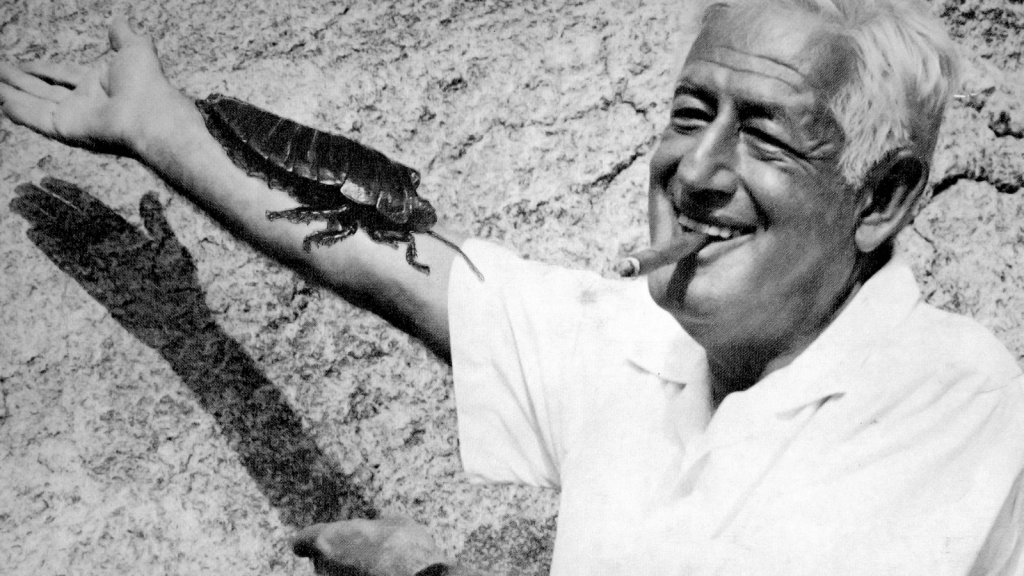
William Castle was an American filmmaker who transformed low-budget horror into a theatrical spectacle through his ingenious promotional gimmicks and showmanship tactics. His films were horror and thriller productions that became known for distinctive promotional devices like fake insurance policies against death by fright, electrically wired seats that buzzed during scary moments, and glow-in-the-dark voting cards. Rather than sophisticated cinematography or elaborate effects, his work thrived on audience participation and the communal experience of being scared together, making films like House on Haunted Hill, The Tingler, and Homicidal memorable as much for what happened in the theater as what appeared on screen.
Castle’s career began with directing feature films in 1943, including notable low-budget film noirs like The Whistler and When Strangers Marry, demonstrating competence across various genres, including westerns and period adventures, before finding his true calling. In 1958, he made the pivotal decision to produce and direct his own horror films, overcoming budget limitations by creating gimmicks to market each one. His approach bridged the gap between carnival barker and serious filmmaker—he modeled himself after P.T. Barnum, appearing in his own trailers to hype audiences and even creating a trademarked silhouette showing himself in a director’s chair with a cigar. His financial success with House on Haunted Hill convinced Alfred Hitchcock that low-budget horror could be profitable, directly influencing Hitchcock’s decision to make Psycho, creating a reciprocal relationship between the two directors.
Beyond the gimmickry, Castle proved surprisingly adept at working with actors and crafting atmosphere within tight budgets. His adaptation of Mr. Sardonicus created a Gothic atmosphere through sinister scoring and foreboding mood, centering on themes of greed and guilt as a man’s face freezes into a hideous grin after robbing his father’s grave. For Strait-Jacket, he secured Joan Crawford in a committed performance that transcended the B-movie material, with the actress bringing depth and poignancy to her role as a former axe murderer. His use of visceral horror imagery—leeches in torture chambers, decapitations, disfigured faces—was balanced by tongue-in-cheek humor and self-awareness about the absurdity of his premises. Though Castle’s reputation relegated him to being viewed as a gimmick-obsessed Hitchcock imitator, his greatest professional heartbreak came when he produced Rosemary’s Baby but was forced by Paramount to hand directing duties to Roman Polanski, denying him the prestige project that might have elevated his status beyond the B-movie realm he had so successfully dominated.
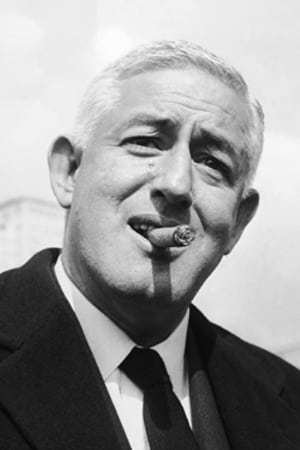
William Castle (1914 – 1977)
Calculated Films:
- House on Haunted Hill (1959)
Similar Filmmakers
- Alfred Hitchcock
- Bert I. Gordon
- Dario Argento
- Freddie Francis
- George A. Romero
- Herschell Gordon Lewis
- Jack Arnold
- James Whale
- Jesus Franco
- Joe Dante
- John Carpenter
- John Waters
- Mario Bava
- Nathan Juran
- Roger Corman
- Russ Meyer
- Ted V. Mikels
- Tobe Hooper

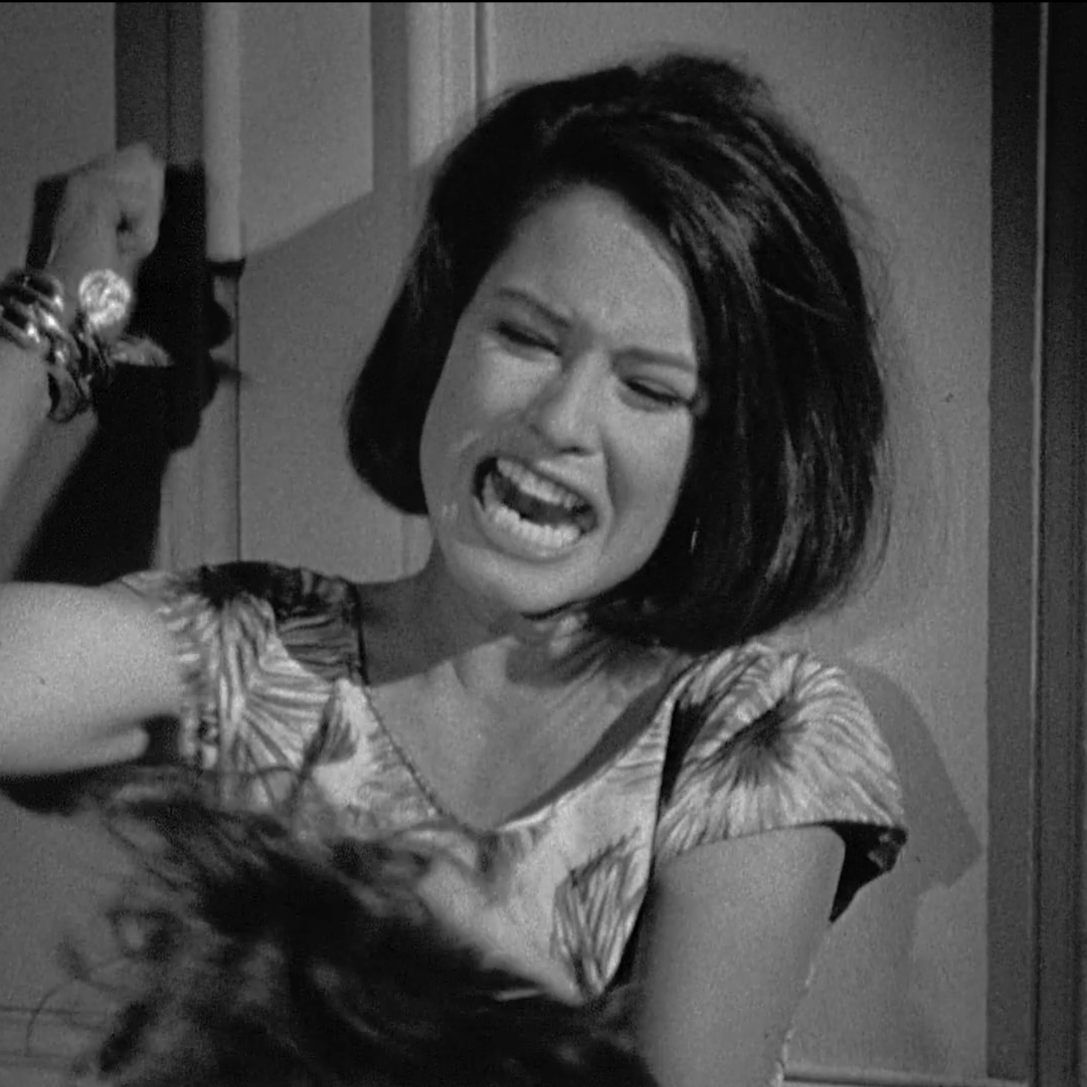

William Castle’s Top 5 Films Ranked
1. Strait-Jacket (1964)
Genre: Psychological Thriller, Psychological Horror

2. House on Haunted Hill (1959)
Genre: Haunted House, Mystery

3. The Tingler (1959)
Genre: Horror, Sci-Fi
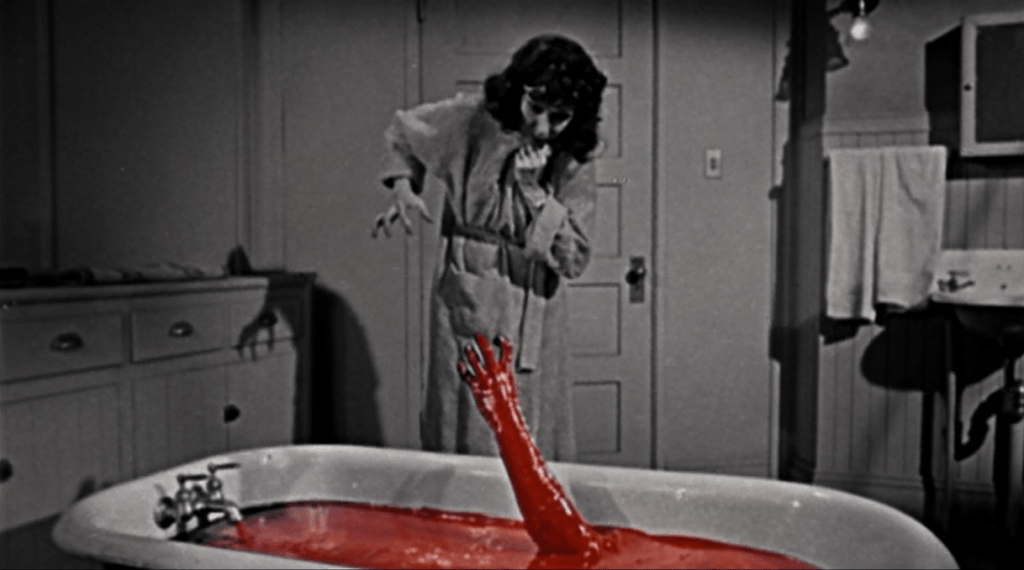
4. Homicidal (1961)
Genre: Psychological Thriller, Slasher, Mystery
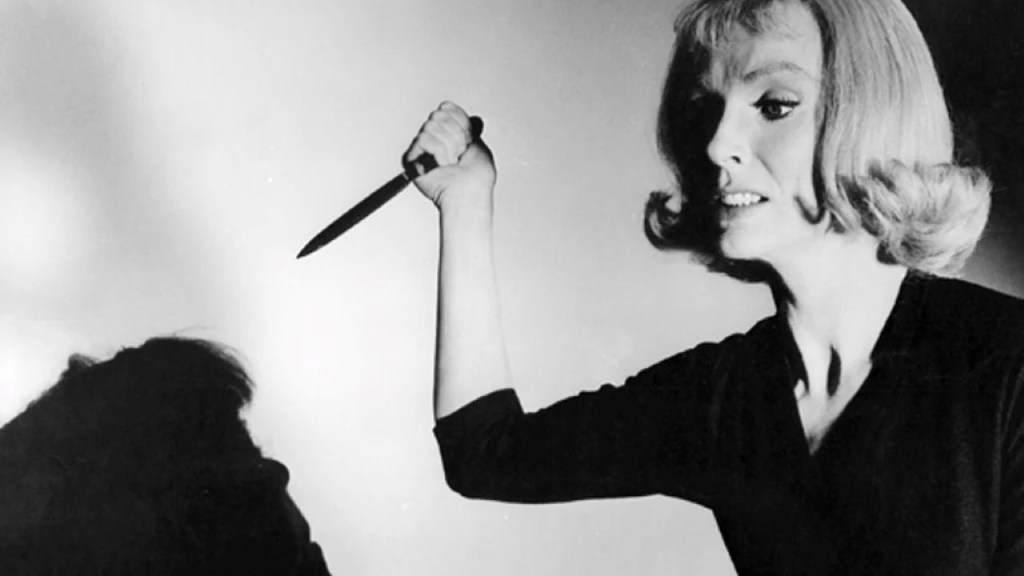
5. Mr Sardonicus (1961)
Genre: Gothic Horror

William Castle: Themes and Style
Themes:
- Audience as Participant: Castle’s films frequently broke the fourth wall and invited viewers to become active participants in the horror experience. In Mr. Sardonicus, audiences used glow-in-the-dark cards to vote on the villain’s fate during the “Punishment Poll,” while Homicidal featured a “Fright Break” where terrified patrons could flee to “Coward’s Corner” for refunds, transforming passive viewing into theatrical engagement.
- Fear as Entertainment: Castle explored fear not as something to avoid but as a source of pleasure and communal bonding. The Tingler presented a pseudo-scientific premise about a parasite that feeds on fear and can only be destroyed by screaming, literalizing the cathartic release of horror.
- Guilt and Physical Transformation: Many of Castle’s horror films centered on characters whose guilt or trauma manifests as bodily disfigurement. Mr. Sardonicus depicts a man whose face freezes into a grotesque grin after robbing his father’s grave for a lottery ticket, while his work frequently featured characters marked or scarred by their transgressions, making inner corruption visible.
- Mental Instability and Violence: Castle repeatedly examined the fragility of sanity and the explosive potential of psychological breakdown. Strait-Jacket follows an ax murderess released from an asylum who fears she’s reverting to homicidal tendencies.
- Class Resentment and Social Mobility: Beneath the scares, Castle’s films often touched on themes of economic aspiration and class tensions. Mr. Sardonicus shows a poor farmer using lottery winnings to buy a noble title despite his disfigurement, while Strait-Jacket featured dark humor targeting snobbish upper-class characters, suggesting violence as a response to social judgment and inequality.
Styles:
- Theatrical Gimmicks and Ballyhoo: Castle’s signature style involved elaborate promotional stunts that extended beyond the screen into physical reality. The Tingler employed “Percepto” with electrically wired seats that buzzed viewers during climactic moments, House on Haunted Hill featured “Emergo” with luminescent skeletons floating over audiences, and Macabre offered Lloyd’s of London insurance policies, making each screening a carnival-like event.
- Direct Address and Self-Promotion: Castle frequently appeared in his own films and marketing materials, addressing audiences directly like a ringmaster. He created a trademarked silhouette of himself in a director’s chair with a cigar, modeled after Alfred Hitchcock’s approach, and personally introduced films or narrated trailers to build anticipation and establish himself as the showman-auteur behind the thrills.
- Efficient B-Movie Craftsmanship: Despite low budgets, Castle demonstrated technical competence and narrative economy, churning out films quickly without sacrificing basic storytelling clarity. His early work in film noir and genre exercises across westerns, crime dramas, and thrillers established his reputation for delivering professional, on-budget productions that maximized limited resources through clever staging and brisk pacing.
- Gothic Atmosphere and Practical Effects: Castle favored Gothic settings and visceral practical effects to create unease within budgetary constraints. Mr. Sardonicus employed elaborate facial prosthetics, sinister castle locations, and torture chambers with real leeches (which Castle tested on himself), while his films generally prioritized atmosphere through lighting, production design, and makeup over expensive special effects.
- Camp Sensibility and Dark Humor: Castle’s work balanced genuine scares with tongue-in-cheek absurdity and self-aware humor. His films embraced their B-movie origins with over-the-top premises and performances, creating an entertainment that acknowledged its own luridness while still delivering thrills, evident in the gleeful excess of his promotional materials and the playful sadism of his narratives.
Directorial Signature:
- Showmanship Over Artistry: Castle prioritized the theatrical experience and audience reaction over cinematic sophistication, positioning himself as an entertainer rather than an artist. He modeled himself after P.T. Barnum, creating spectacles that emphasized communal screaming and shared experience, with gimmicks often becoming more memorable than the films themselves, establishing his identity as horror’s greatest showman.
- Collaboration with Star Actors: Despite B-movie budgets, Castle attracted notable performers and treated them with respect that elevated his material. His work with Joan Crawford in Strait-Jacket and I Saw What You Did demonstrated his empathetic direction of actors, knowing how to center stars within scenes and elicit committed performances that transcended schlocky premises, with Crawford’s intensity selling the psychological horror.
- Hitchcock’s Shadow and Influence: Castle existed in a mutually beneficial relationship with Alfred Hitchcock, openly borrowing from Psycho for films like Homicidal and Strait-Jacket (which used Psycho writer Robert Bloch).
- Exploitation with Heart: Beneath the sensationalism and hucksterism, Castle’s films demonstrated genuine affection for audiences and understanding of horror’s emotional mechanics. His gimmicks weren’t cynical cash-grabs but expressions of his belief in cinema as participatory experience, and his characters—despite lurid circumstances—often possessed psychological complexity and emotional authenticity that gave his exploitation films an unexpected human dimension.
William Castle – Great Director



 Bronze Screen Dream