
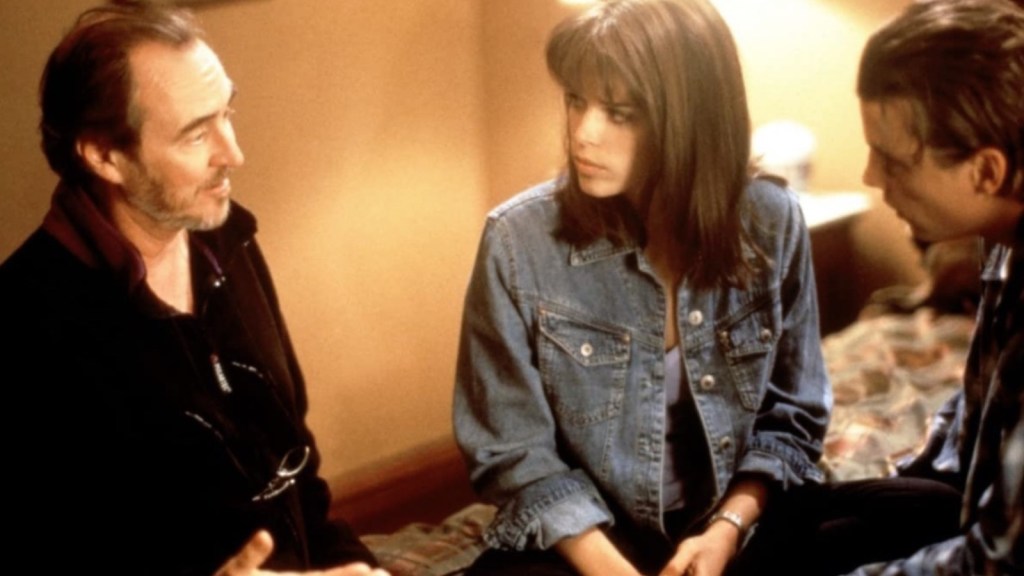
Wes Craven, an American film director, is best known for his mastery of the horror genre. With an uncanny ability to tap into the primal fears of his audience, Craven’s films, including the iconic A Nightmare on Elm Street and the Scream series, have become cornerstones of horror cinema, pushing boundaries and redefining the genre with each release.
Delving into Craven’s filmography reveals a penchant for exploring the darker aspects of the human psyche. His stories often blur the lines between reality and the supernatural, creating a sense of unease and uncertainty. In The Serpent and the Rainbow, he adeptly intertwined the terrifying realms of voodoo and zombies with elements of political unrest, offering a chilling commentary on the horrors that can stem from human actions. This blend of supernatural horror with real-world issues is a recurring motif in many of his works. Another characteristic element of his films is the breaking of the fourth wall. Through self-awareness and meta-commentary, as particularly evident in the Scream series, Craven often invites viewers to reflect on the genre’s conventions, challenging them to reevaluate their expectations and interactions with horror media.
Craven had a gift for creating intense, atmospheric settings that amplified the unease in his narratives. The dreamlike sequences in A Nightmare on Elm Street, where the line between sleep and wakefulness is indistinct, played heavily on lighting, shadows, and disorienting camera angles to craft Freddy Krueger’s terrifying domain. Furthermore, his approach to filmmaking was innovative, combining the visceral impact of on-screen violence with profound psychological horror. For instance, The Last House on the Left used its raw and gritty cinematography to amplify its harrowing tale of revenge, showcasing his capability to harness both style and substance in crafting unforgettable horror experiences.

Wes Craven (1939 – 2015)
Calculated Films:
- A Nightmare on Elm Street (1984)
- Scream (1996)
Similar Filmmakers
- Bob Clark
- Clive Barker
- Dario Argento
- David Cronenberg
- Don Coscarelli
- Eli Roth
- Fred Walton
- George A. Romero
- James Wan
- Joe Dante
- John Carpenter
- Larry Cohen
- Lucio Fulci
- Mario Bava
- Sam Raimi
- Sean S. Cunningham
- Stuart Gordon
- Tobe Hooper


Wes Craven’s Top 5 Films Ranked
1. A Nightmare on Elm Street (1984)
Genre: Slasher, Supernatural Horror, Teen Movie

2. Scream (1996)
Genre: Slasher, Satire, Thriller, Black Comedy
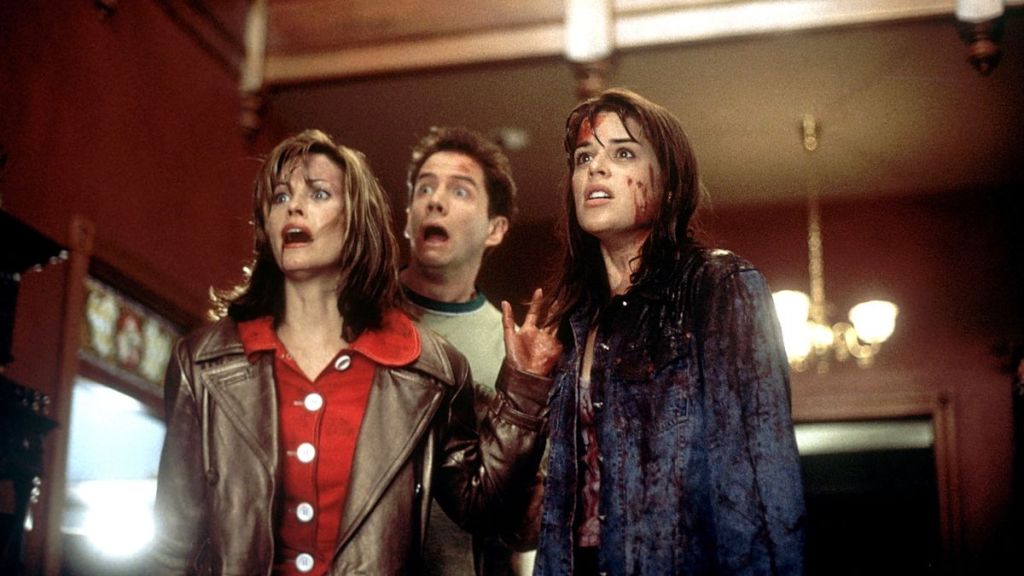
3. Scream 2 (1997)
Genre: Slasher, Satire, Thriller, Postmodernism

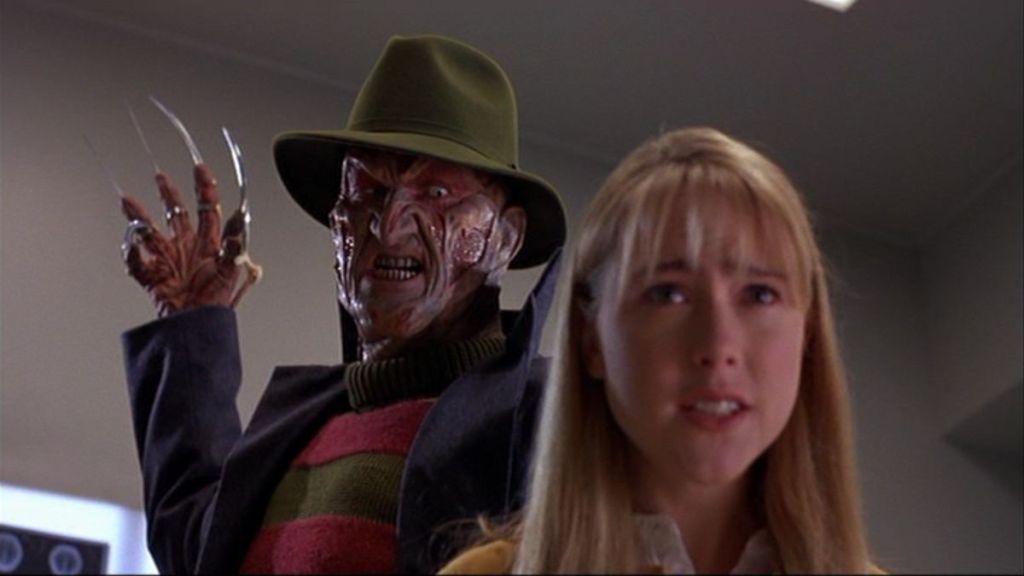
4. Wes Craven’s New Nightmare (1994)
Genre: Supernatural Horror, Slasher, Postmodernism
5. Red Eye (2005)
Genre: Thriller

Wes Craven: Themes and Style
Themes:
- Psychological Horror: Rather than relying solely on gore, Craven’s films often penetrated the human psyche. From the dreamscapes of A Nightmare on Elm Street to the real-world-turned-surreal in Scream, he blurred the lines between reality and the subconscious.
- Societal Commentary: Beneath the horror, many of Craven’s works provide astute social observations. The Last House on the Left commented on the desensitisation of society, while The People Under the Stairs explored class disparity.
- Vulnerability & Isolation: Many of Craven’s characters find themselves isolated or trapped, heightening their vulnerability. This theme is evident in films like The Hills Have Eyes, where a family becomes stranded in an unfamiliar, hostile environment.
- The Nature of Evil: Across his films, Craven delved into the essence of evil, often presenting it as an insidious, lurking presence. Whether it’s the malevolent spirit of Freddy Krueger or the masked killers of Scream, evil is always closer than it appears.
Styles:
- Meta-commentary: Craven was known for breaking the fourth wall. New Nightmare and Scream are quintessential examples where characters acknowledge horror film tropes or the fiction-reality boundary gets blurred.
- Blending Genres: While primarily a horror director, Craven could weave in elements of other genres, such as mystery in Scream or drama in Music of the Heart.
- Visceral Violence: When Craven depicted violence, it was intense and jarring, designed to elicit a visceral reaction from the audience. However, it was often purposeful and aimed at reinforcing a theme or narrative point.
- Iconic Antagonists: One of Craven’s hallmarks was the creation of memorable villains. Figures like Freddy Krueger are not just monsters; they are deeply tied to the thematic core of their respective films.
Directorial Signature:
- Grounded Horror: Despite the supernatural elements in many of his films, Craven had a knack for grounding horror in reality. Even his most fantastical plots have a raw, real-world edge, making the terror more relatable and more potent.
- Intertextual References: Especially in his later films, Craven enjoyed referencing other horrors, including his own. These nods, winks, and outright declarations created a rich tapestry that dedicated fans could appreciate.
- Character Depth: Unlike some horror films where characters can be one-dimensional, Craven’s protagonists and antagonists alike have depth, motivations, and backstory. This depth makes the horror more personal and the stakes higher.
- Atmospheric Tension: Beyond jump scares, Craven was a master of atmosphere. The eerie silence of a scene or the slow build-up of tension was as essential to his horror formula as the climactic moments of terror.
Wes Craven – Great Director




 Bronze Screen Dream