

Wes Anderson is an American film director noted for his unique cinematic style and the distinctive aesthetic universe his films inhabit. From The Royal Tenenbaums to The Grand Budapest Hotel, Anderson’s oeuvre showcases whimsical storylines, intricate production design, and recurring themes of family and identity. His distinct visual style, characterised by symmetrical framing, meticulous composition, deep focus, and vibrant colour palettes, is instantly recognisable, establishing him as one of contemporary cinema’s most visually inventive directors.
Born in Houston, Texas, Anderson’s passion for filmmaking began in his childhood. He made his first film, a short black-and-white silent film, using his father’s Super 8 camera. Anderson later attended the University of Texas, where he met future collaborator Owen Wilson. Their shared passion for movies led them to create the short film “Bottle Rocket,” which they later expanded into Anderson’s debut feature of the same name. This marked the start of Anderson’s illustrious career, and Wilson became part of his ensemble cast, which included actors such as Bill Murray and Tilda Swinton.
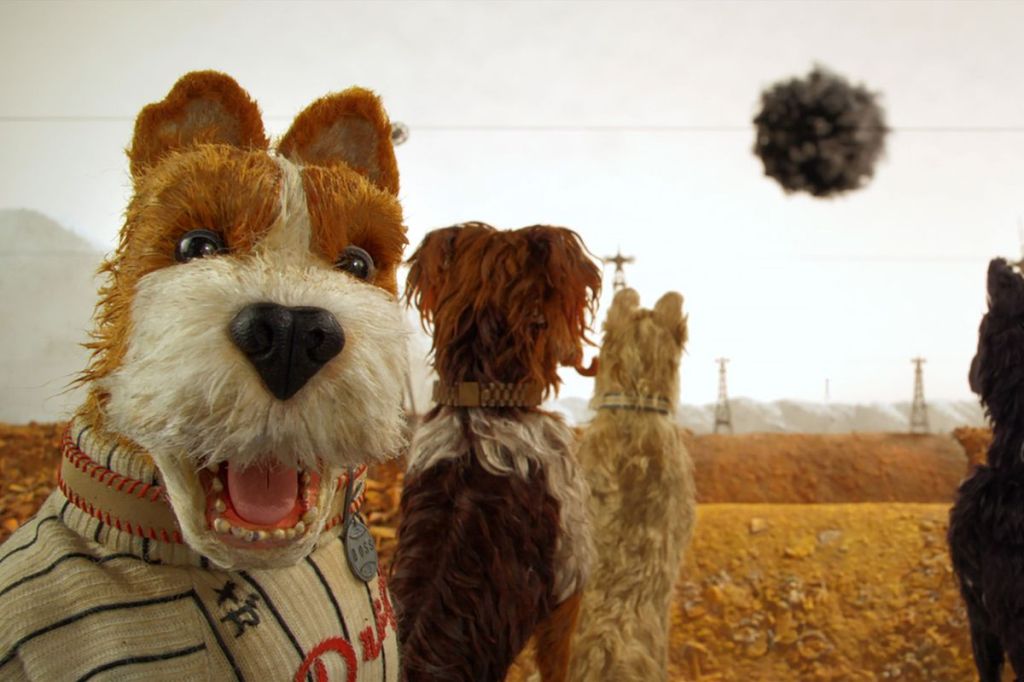
Anderson’s films frequently centre around eccentric characters and dysfunctional families, exploring themes of family, identity, and belonging. His characters often experience existential crises, feeling like outsiders in their own worlds. These narratives unfold within intricately designed settings, with meticulous attention to art direction and production design. The storybook-like worlds Anderson creates are further enhanced by his use of stop-motion animation in films like Fantastic Mr. Fox and Isle of Dogs, demonstrating his artistic versatility and attention to visual detail.
Aesthetic Artifice: The Beauty of Wes Anderson’s Constructed Worlds
Anderson’s visual style is heavily influenced by various filmmakers and cinematic movements, with traces of French New Wave, Stanley Kubrick, and Orson Welles often apparent in his work. These influences are not mere imitations but reimagined through Anderson’s unique artistic lens, contributing to the originality of his films. His films also utilise music to amplify the atmosphere and mood, with soundtracks often featuring a nostalgic mix of pop and rock songs from the ’60s and ’70s.
Despite their whimsical exterior, Anderson’s films often straddle the line between humour and tragedy. While filled with comedic moments and dialogue, his narratives grapple with more sombre, often melancholic themes. This duality encapsulates the human experience, showcasing Anderson’s ability to balance light-hearted entertainment with deeper emotional resonance.
Anderson’s distinctive style has earned him critical acclaim and multiple Academy Award nominations and influenced a generation of filmmakers, both in the US and internationally. Directors like Taika Waititi and Edgar Wright have cited him as an influence, acknowledging the impact of his visual style and storytelling techniques on their work. Through his unique lens and cinematic language, Anderson has left an indelible imprint on film history, expanding the possibilities of visual storytelling.

Wes Anderson (1969 – -)
Calculated Films:
- Bottle Rocket (1996)
- Rushmore (1998)
- The Royal Tenenbaums (2001)
- Fantastic Mr Fox (2009)
- Moonrise Kingdom (2012)
- The Grand Budapest Hotel (2014)
- Isle of Dogs (2018)
- The French Dispatch (2021)
Similar Filmmakers


Wes Anderson’s Top 10 Films Ranked
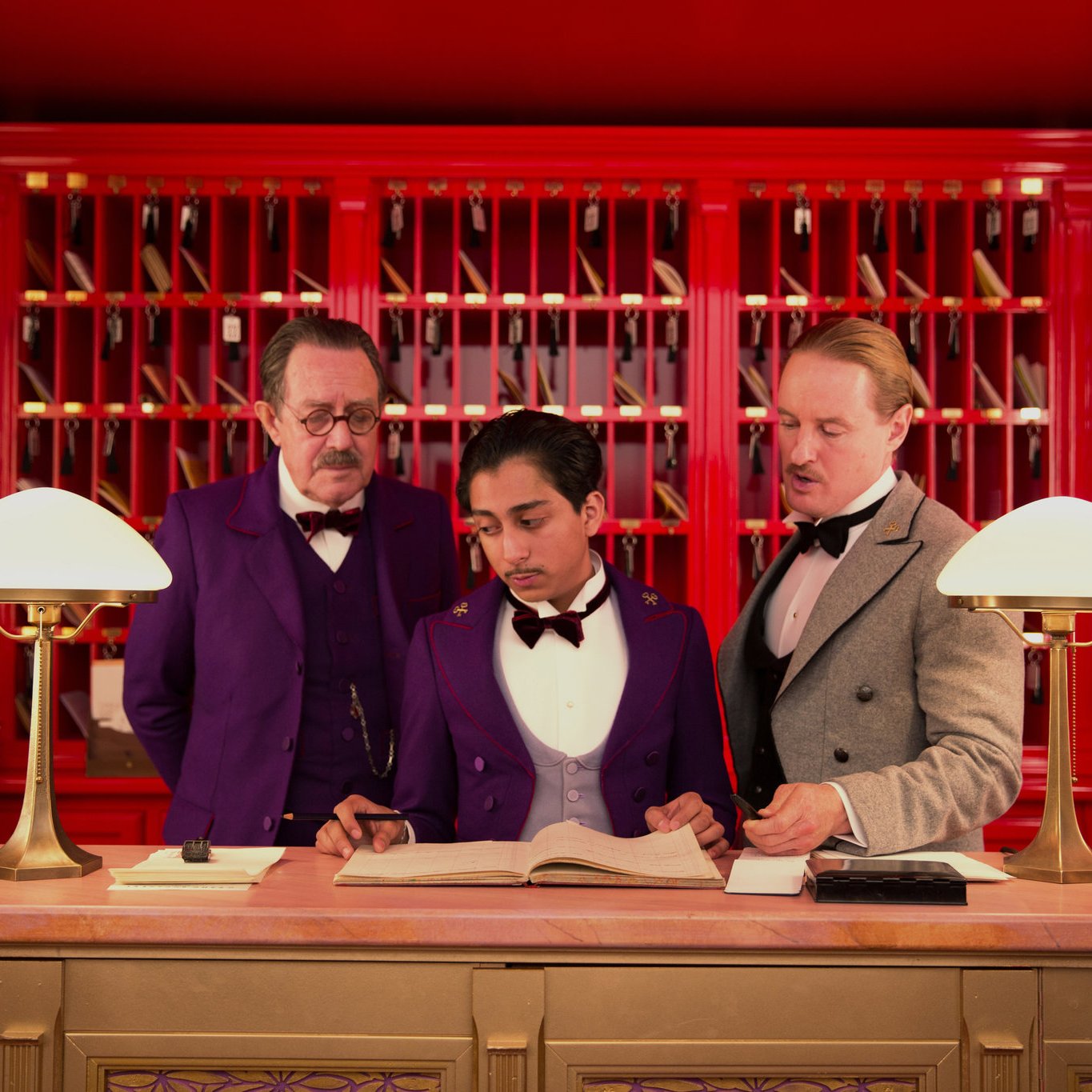
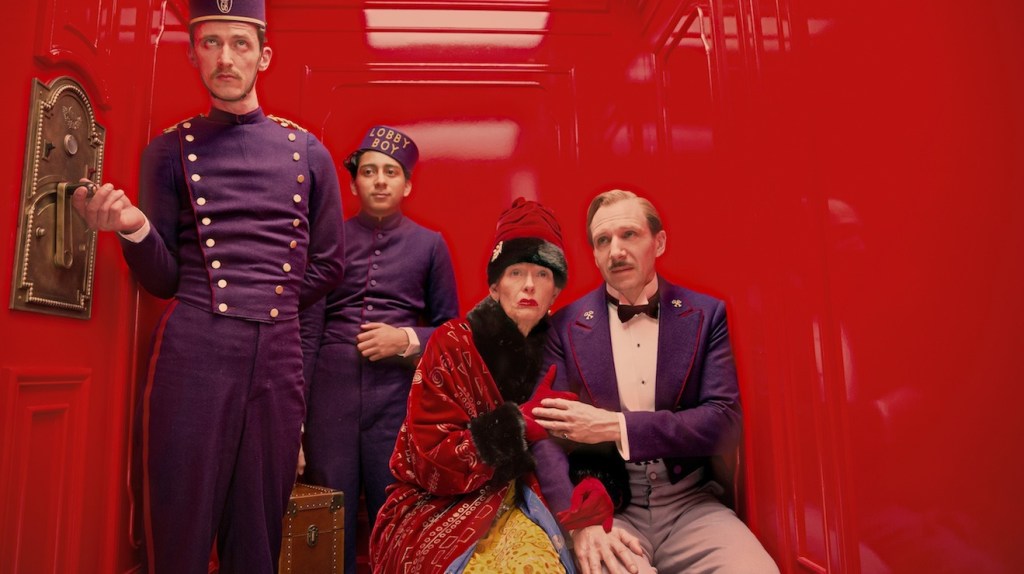
1. The Grand Budapest Hotel (2014)
Genre: Adventure, Comedy
2. Fantastic Mr Fox (2009)
Genre: Puppet Animated, Adventure, Family, Comedy

3. The Royal Tenenbaums (2001)
Genre: Comedy, Drama, Family Drama

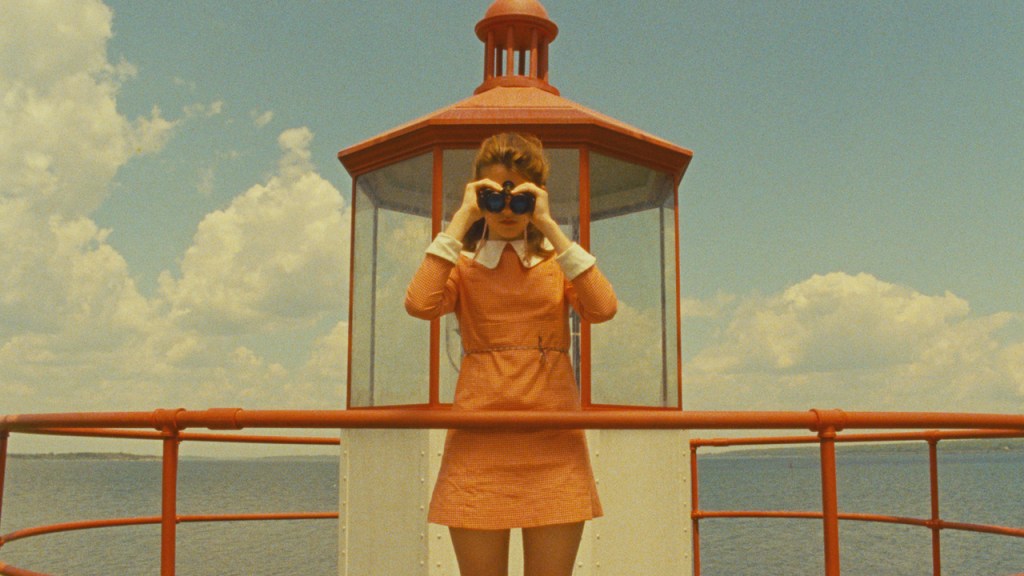
4. Moonrise Kingdom (2012)
Genre: Coming-of-Age, Adventure, Comedy
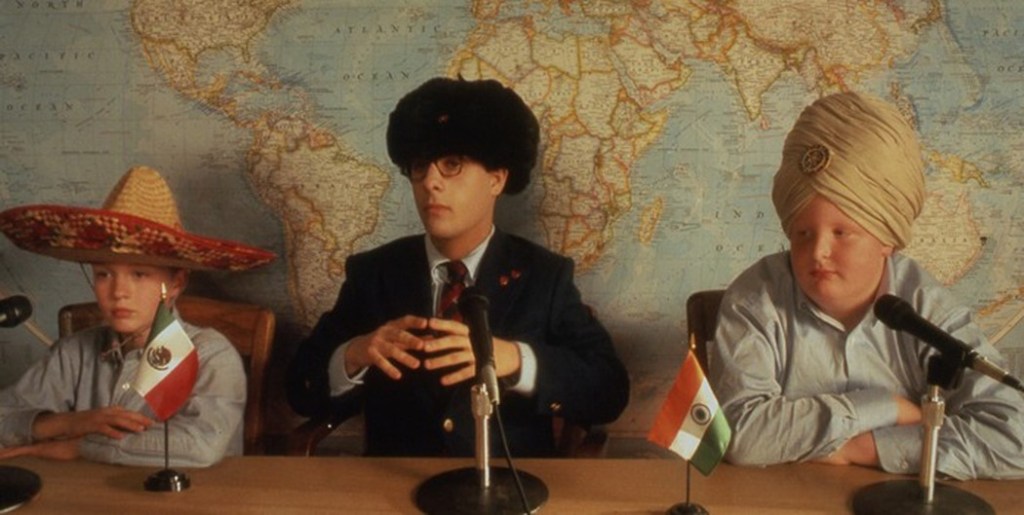
5. Rushmore (1998)
Genre: Coming-of-Age, Comedy, Drama
6. Isle of Dogs (2018)
Genre: Puppet Animation, Dystopian, Adventure, Comedy
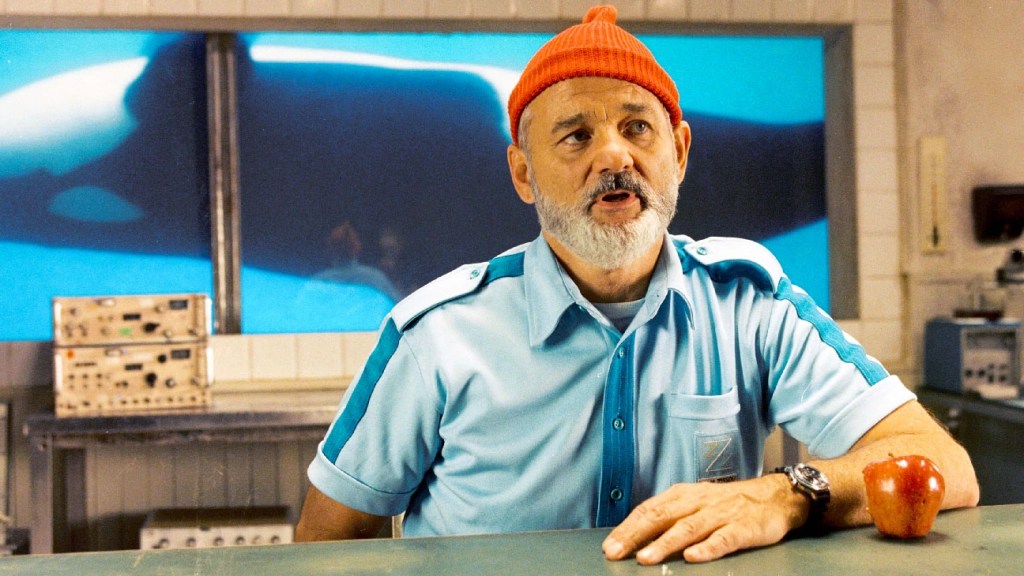
7. The Life Aquatic with Steve Zissou (2004)
Genre: Adventure, Comedy, Drama
8. The French Dispatch (2021)
Genre: Anthology Film, Comedy

9. The Darjeeling Limited (2007)
Genre: Comedy, Drama, Road Movie, Adventure

10. Bottle Rocket (1996)
Genre: Comedy, Buddy, Heist Film

Wes Anderson: Themes and Style
Themes:
- Dysfunctional Families: Anderson frequently explores the dynamics of dysfunctional families, as seen in The Royal Tenenbaums and The Darjeeling Limited, where the complex relationships and emotional struggles within families are central.
- Nostalgia and Innocence: His films often evoke a sense of nostalgia, focusing on characters yearning for a lost past or a simpler time. Moonrise Kingdom and The Grand Budapest Hotel exemplify this theme through their whimsical portrayal of youth and innocence.
- Search for Identity and Belonging: Characters in Anderson’s films are often on a quest for self-discovery and a place to belong, illustrated in Rushmore and Fantastic Mr. Fox, where characters grapple with their identities in unique and quirky ways.
- Loneliness and Alienation: The theme of loneliness and alienation is prevalent, with characters feeling isolated despite being surrounded by others. The Life Aquatic with Steve Zissou showcases characters who are emotionally adrift in their own lives.
- Quirky and Eccentric Characters: Anderson’s films are populated with quirky, eccentric characters who often find themselves in bizarre situations, as seen in The Grand Budapest Hotel, where the oddities of the characters drive the narrative.
Styles:
- Symmetrical Composition: Anderson is renowned for his meticulous, symmetrical framing, creating visually balanced scenes that are almost painterly, as evident in every frame of The Grand Budapest Hotel.
- Distinct Colour Palettes: He uses highly stylised and specific colour palettes to set the tone and mood of his films, like the pastel hues in The Grand Budapest Hotel and the vibrant colours in The Life Aquatic with Steve Zissou.
- Miniature and Stop-Motion Techniques: Anderson employs miniature models and stop-motion animation to create unique visual experiences, as seen in Fantastic Mr. Fox and Isle of Dogs.
- Detailed Production Design: His films are notable for their meticulous production design, with elaborate sets and costumes that immerse the viewer in a distinct, often whimsical world.
- Narrative Framing Devices: Anderson often uses unique narrative structures, such as stories within stories and framing devices like the play in Rushmore or the book in The Royal Tenenbaums.
Directorial Signature:
- Ensemble Casts: Anderson frequently works with ensemble casts, often reuniting with the same actors, like Bill Murray and Owen Wilson, creating a familiar yet fresh dynamic in each film.
- Whimsical Comedy: His films are infused with whimsical, dry humour that underpins even the more serious moments, creating a unique blend of comedy and drama.
- Precision in Dialogue and Timing: Anderson’s dialogue is often rapid, witty, and timed with precision, contributing to the unique rhythm and tone of his films.
- Controlled Camera Movements: He often employs controlled, deliberate camera movements, such as tracking shots and pans, which contribute to the staged, theatrical feel of his films.
- Soundtrack Choices: Anderson has a distinctive taste in soundtracks, often selecting songs that complement the film’s mood and era, contributing significantly to the overall atmosphere and emotional impact.
Wes Anderson: The 80th Greatest Director




 Bronze Screen Dream