
Wang Bing, a distinguished Chinese filmmaker, is renowned for his unflinching commitment to realism and his masterful long-form documentaries that explore the lives of marginalised communities in China. Bing’s extensive filmography, which includes potent works such as West of the Tracks and ‘Til Madness Do Us Part, has established him as a unique voice in contemporary cinema, celebrated for his observational style, minimal intervention, and humanistic approach.
After training as a photographer and moving into the film industry, Bing adopted an observational style in his filmmaking, often assuming a fly-on-the-wall perspective to capture reality as it unfolds. His films typically focus on the marginalised and disenfranchised in Chinese society, from labourers in rapidly industrialising regions, as in West of the Tracks, to individuals in mental institutions in ‘Til Madness Do Us Part. His commitment to authenticity often sees him spending extensive periods on location, resulting in long-form documentaries that delve deep into their subject matter.
Wang Bing’s verité aesthetic, characterised by handheld cameras, natural lighting, and on-location sound, underscores his subjects’ raw and immediate realities. His approach to filmmaking is minimalistic; scenes unfold naturally with little to no intervention, allowing the subjects to dictate the pace and direction of the narrative. This observational and participatory method of filmmaking allows him to create an intimate portrait of his subjects’ lived experiences, providing audiences with a unique window into often overlooked corners of Chinese society.
“Over the course of the past 17 years, I have found my place in the film industry. I want to make personal movies, so I work with low budgets.”
Despite presenting stark realities, Bing’s humanistic approach endows his subjects with dignity and resilience. His films are portraits of the marginalised and poignant social commentaries on the rapid industrialisation and economic changes in China and the social dislocation and human rights issues they engender. His commitment to shedding light on these social issues through his cinema has resulted in a body of work that is both moving and deeply significant.
Wang Bing’s influence extends beyond China, with filmmakers worldwide acknowledging his impact on documentary and realist cinema. His profound dedication to presenting underrepresented stories, innovative approach to the form of the documentary, and nuanced social commentary have solidified his standing as one of the most important voices in contemporary cinema.

Wang Bing (1967 –)
Calculated Films:
- Tie Xi Qu: West of the Tracks (2002)
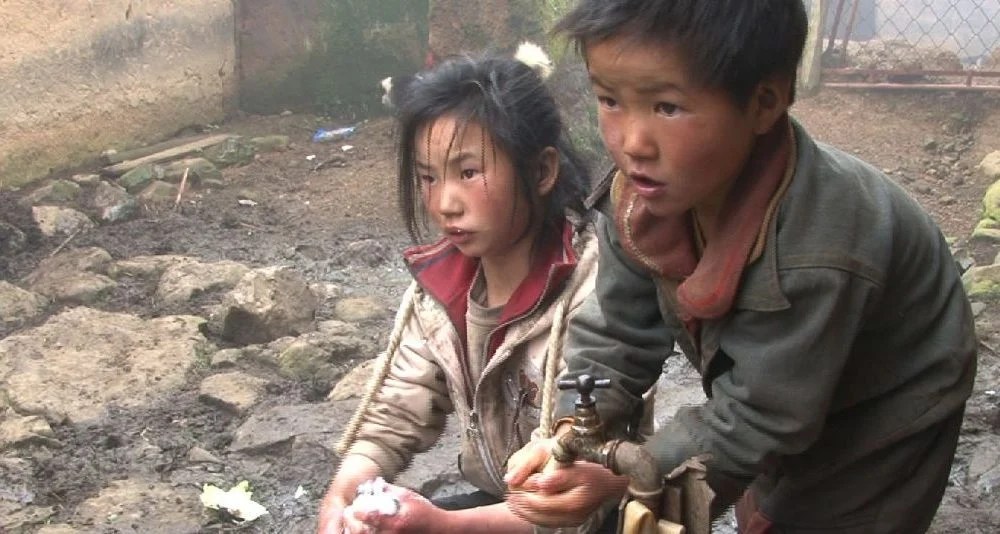
- Three Sisters(2012)
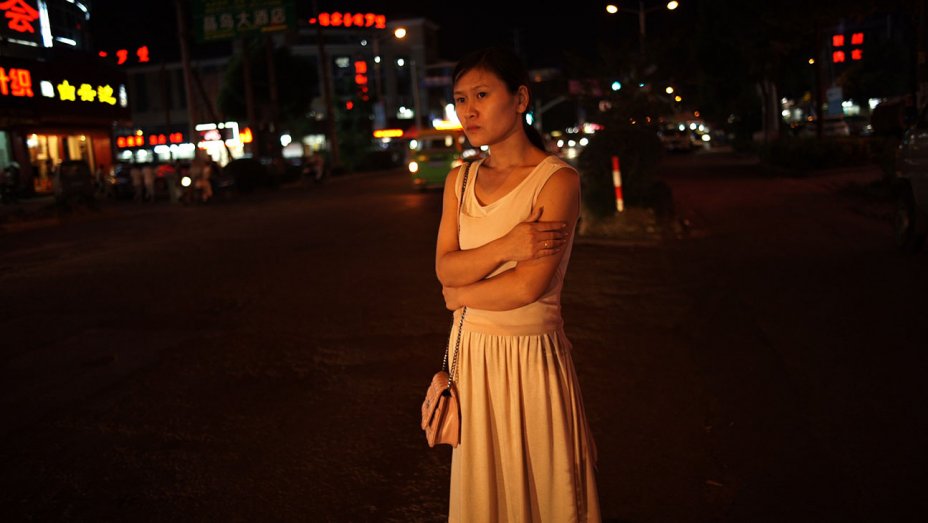
- ‘Til Madness Do Us Part (2013)
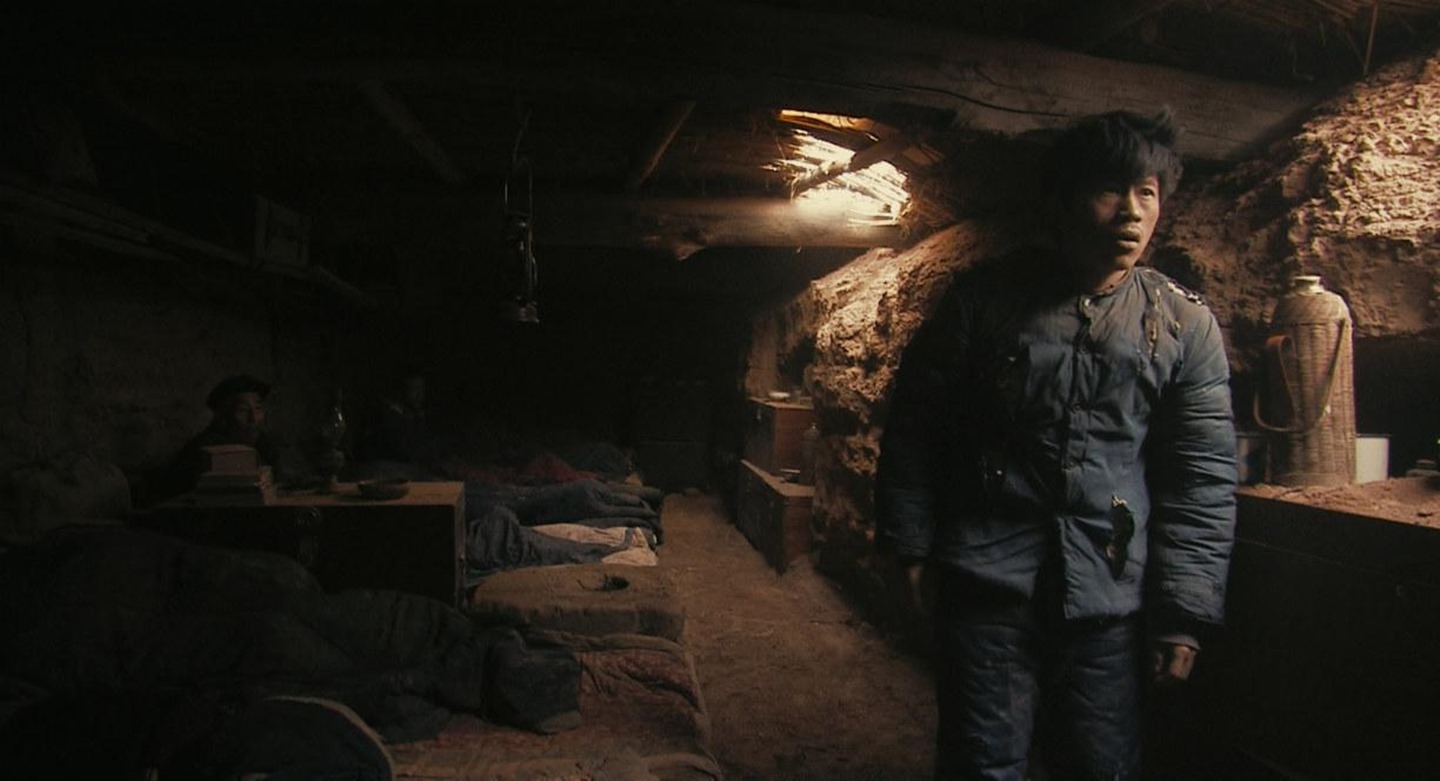
- Dead Souls (2018)
Similar Filmmakers
- Ai Weiwei
- Claude Lanzmann
- Fernando E. Solanas
- Frederick Wiseman
- Hu Jie
- Jia Zhangke
- Jonas Mekas
- Kazuo Hara
- Lav Diaz
- Marcel Ophuls
- Patricio Guzman
- Raymond Depardon
- Rithy Panh
- Shengze Zhu
- Shinsuke Ogawa
- Wang Xiaoshuai
- Wu Wenguang
- Zhao Liang
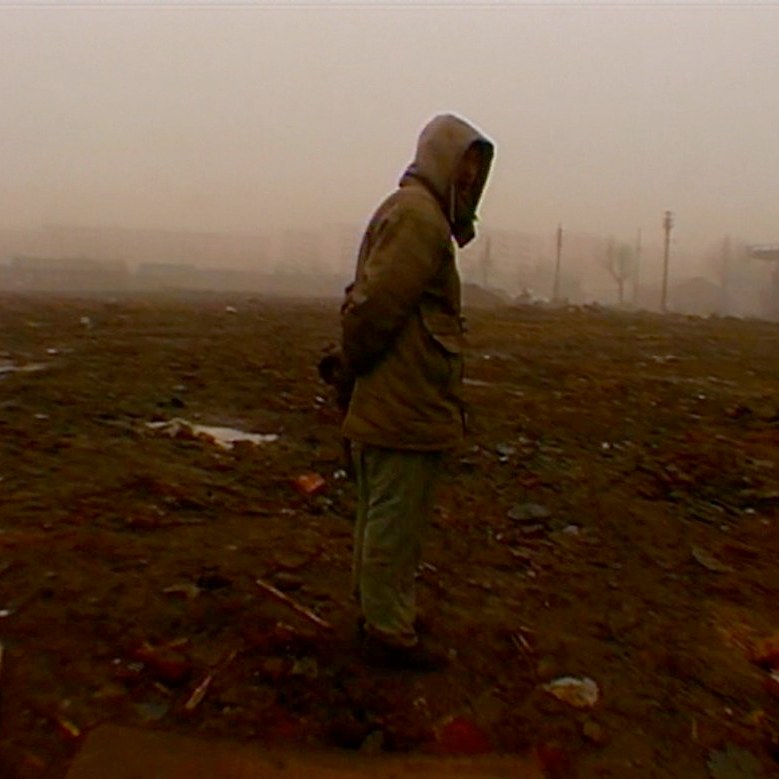
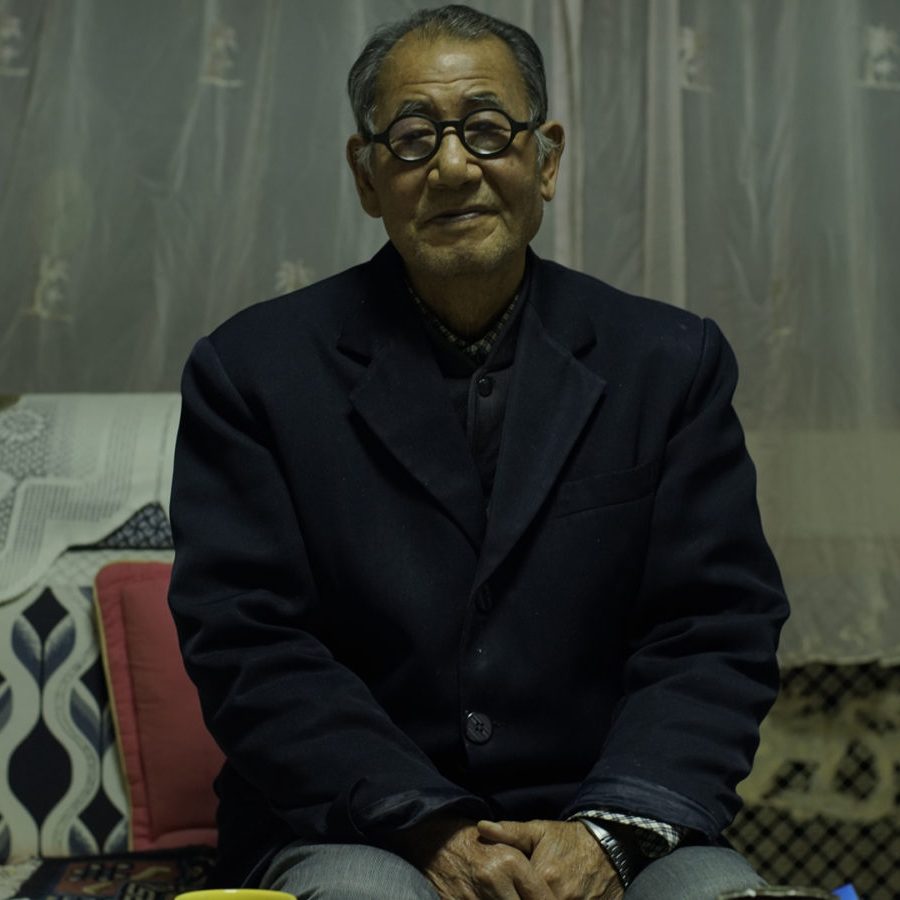

Wang Bing’s Top 10 Films Ranked
1. Tie Xi Qu: West of the Tracks (2002)
Genre: Direct Cinema
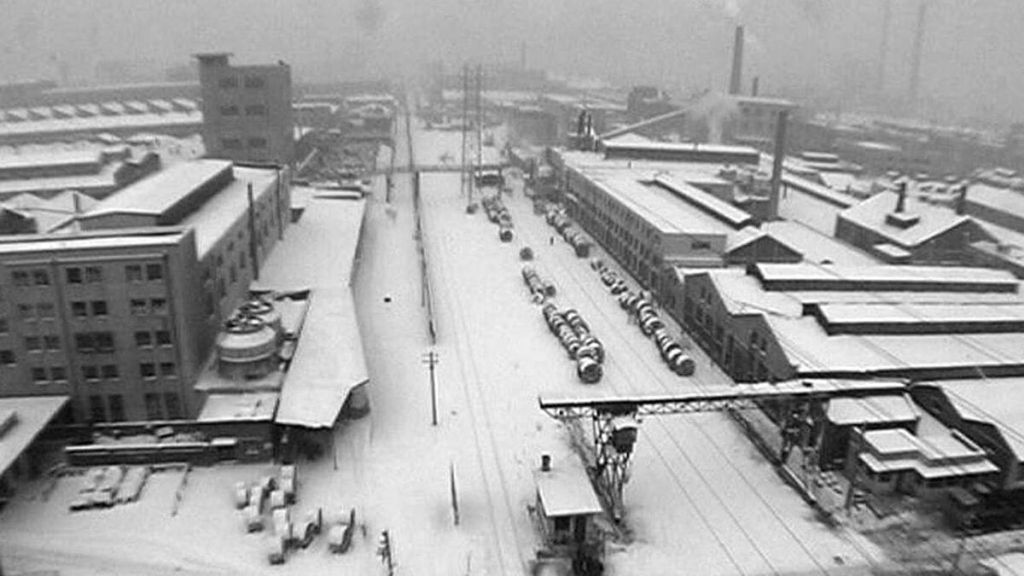
2. Til Madness Do Us Part (2013)
Genre: Direct Cinema
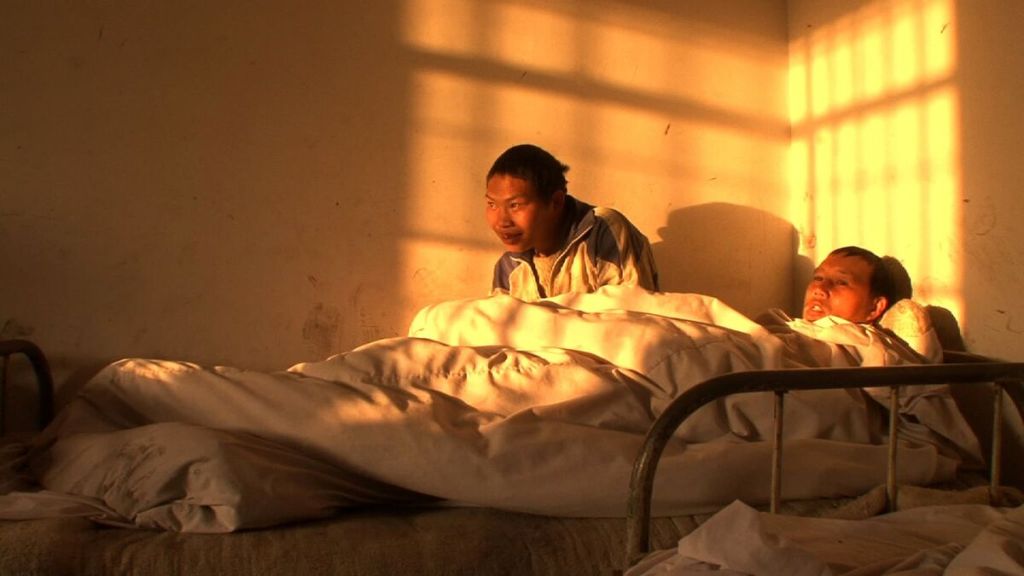
3. Dead Souls (2018)
Genre: Political Documentary

4. Three Sisters (2012)
Genre: Direct Cinema

5. Fengming: A Chinese Memoir (2007)
Genre: Documentary
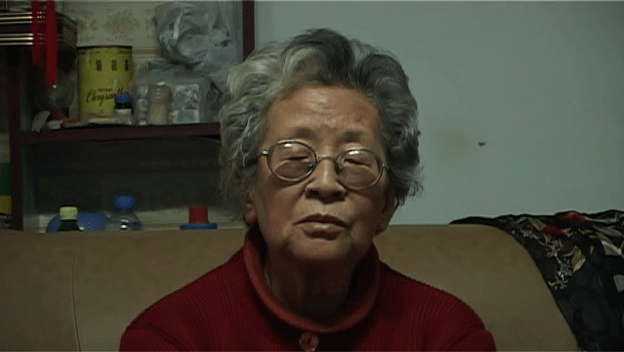
6. Man With No Name (2010)
Genre: Direct Cinema

7. Crude Oil (2008)
Genre: Direct Cinema, Slow Cinema

8. The Ditch (2010)
Genre: Prison Film, Period Drama

9. Ta’ang (2016)
Genre: Direct Cinema
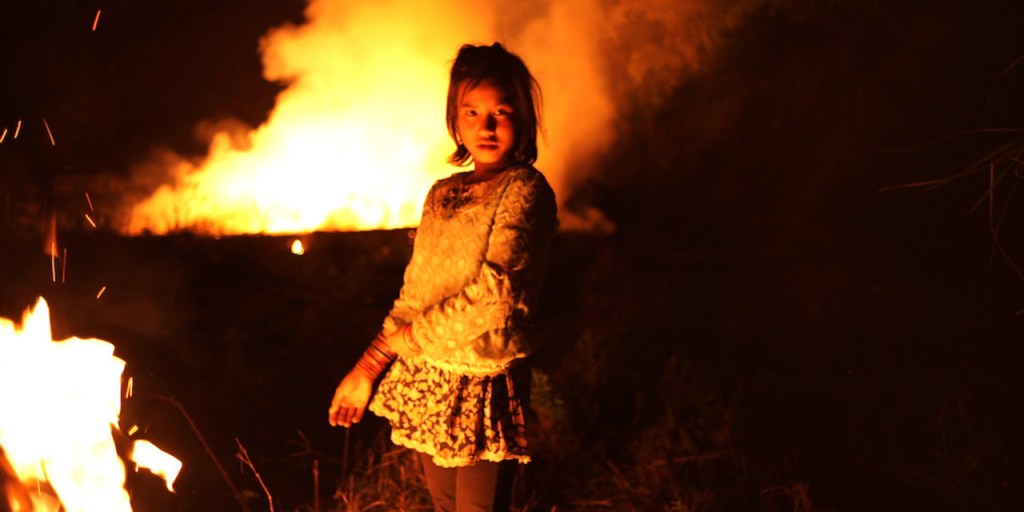
10. Bitter Money (2016)
Genre: Direct Cinema
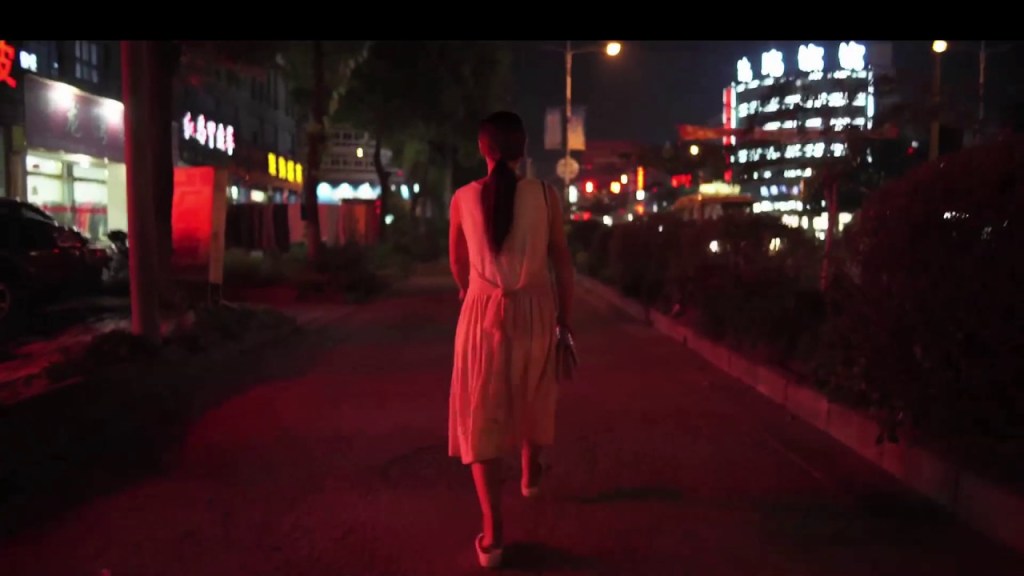
Wang Bing: Themes and Style
Themes:
- Human Struggle & Endurance: Wang Bing often delves into themes of human suffering, endurance, and the indomitable spirit. His subjects often grapple with socioeconomic hardships, illuminating the human condition amidst adversity.
- Socio-Political Commentary: His films provide subtle yet powerful critiques of contemporary Chinese society, highlighting the effects of rapid industrialisation, globalisation, and government policies on ordinary lives.
- Marginalised Communities: Wang Bing turns his lens towards marginalised, overlooked communities, providing a voice to the voiceless and shedding light on their lives, struggles, and hopes.
- Historical Memory: Through his work, he engages with historical memory and collective amnesia, exploring how past traumas continue to resonate in the present and shape individual and societal identities.
Styles:
- Documentary Realism: Wang Bing is renowned for his documentary-style realism, often working with non-professional actors and using handheld cameras to capture life unfiltered, creating a sense of immediacy and authenticity.
- Extended Takes: His films are characterised by long, extended takes that allow scenes to unfold naturally, immersing audiences in the unfolding narrative and fostering a deeper connection with the subjects.
- Observational Cinema: He often adopts a fly-on-the-wall approach, allowing the camera to observe without intervening, which results in a candid, uncompromising vision of reality.
- Minimalistic Aesthetics: Wang Bing employs a minimalistic aesthetic with little reliance on music, dramatic lighting, or other conventional cinematic techniques. This approach enhances the raw, unvarnished feel of his films.
Directorial Signature:
- Focus on Dispossessed: Wang Bing consistently centres his films on dispossessed, disenfranchised individuals and communities, offering intimate portrayals of lives on society’s periphery.
- Commitment to Realism: His commitment to realism is unwavering, crafting films that serve as both social documents and powerful narrative experiences.
- Extended Runtime: Many of his works are notable for their extended runtimes, often exceeding the conventional length of feature films. These extended narratives allow for a comprehensive exploration of the lives and themes depicted.
- Ethnographic Approach: Wang Bing takes an ethnographic approach to filmmaking, deeply immersing himself in the lives and environments of his subjects, which allows for a nuanced, empathetic depiction of their experiences.
- Visual Poetry: Despite their realism, his films also incorporate elements of visual poetry, with carefully composed shots that convey the beauty, tragedy, and complexity of human existence.
Wang Bing: The 218th Greatest Director

 Bronze Screen Dream