
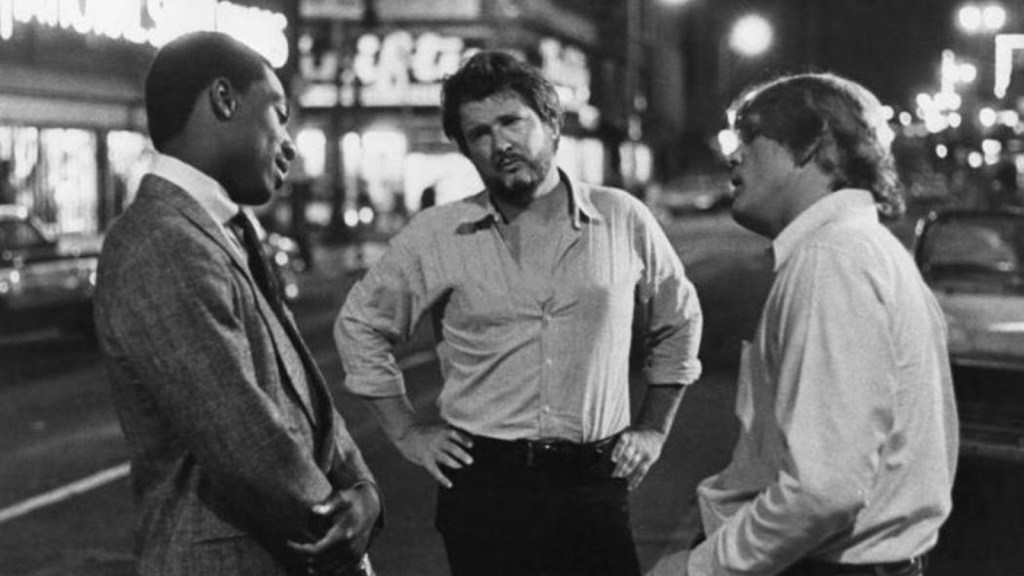
Walter Hill, an American filmmaker, carved out a unique niche in Hollywood as a maestro of genre films. Hill is known for his particular focus on action-oriented genres, including westerns, crime thrillers, and science fiction and their exploration of themes of masculinity, heroism, and honour. His distinctive directorial style is most visible in his landmark films, such as The Warriors and 48 Hrs., which combine gritty narratives with memorable character portrayals.
Hill’s filmmaking style is characterised by stylistic action sequences and a minimalist approach to storytelling. His action scenes, marked by dynamic camera work, rapid editing, and striking visual compositions, offer thrilling cinematic experiences. Yet, these elements never overshadow the narratives. Instead, Hill’s lean storytelling, which often uses tight plots, sparse dialogue, and a focus on visual narratives, intensifies the emotional resonance of his films. His collaborations with notable actors, including Nick Nolte, Eddie Murphy, and Bruce Willis, also contribute to the lasting impact of his films, as he has a knack for bringing out strong and intense performances.
Walter Hill’s work has created compelling cinema and shaped pop culture for decades. As a producer on Alien and the director of 48 Hrs., Hill profoundly influenced the science fiction and buddy cop genres, respectively. His films have often transcended their genre origins to become iconic representations of their respective genres, a testament to his understanding and manipulation of genre conventions. Walter Hill’s career thus stands as a monument to a filmmaker who has consistently pushed the boundaries of genre filmmaking to create unique and enduring cinema.

Walter Hill (1942 – -)
Calculated Films:
- The Driver (1978)
- The Warriors (1979)
- Southern Comfort (1981)
Similar Filmmakers
- John Milius
- John Woo
- Kathryn Bigelow
- Martin Brest
- Michael Mann
- Michael Winner

Walter Hill’s Top 5 Films Ranked
1. The Warriors (1979)
Genre: Action, Crime, Adventure

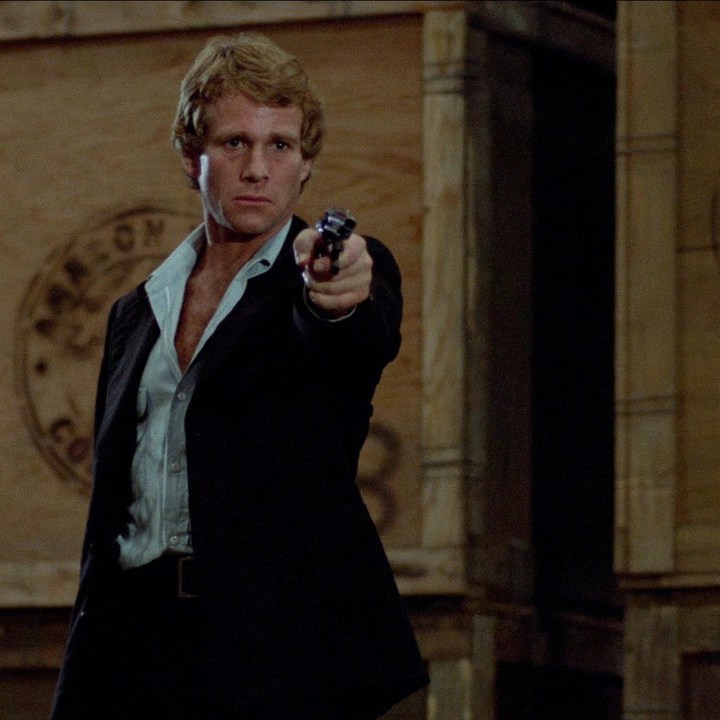
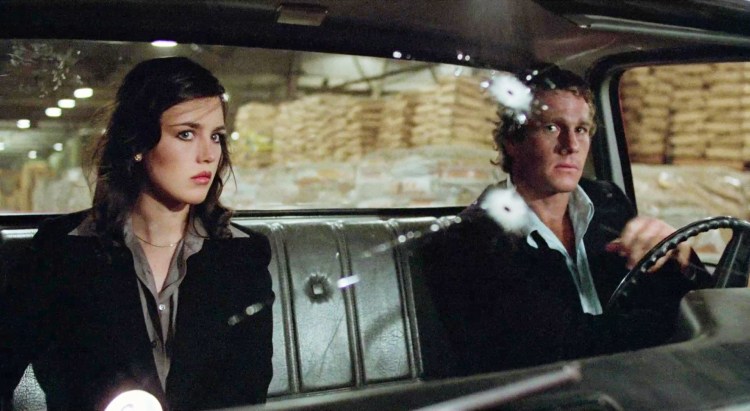
2. The Driver (1978)
Genre: Crime, Thriller, Neo-Noir
3. Hard Times (1975)
Genre: Drama, Sports
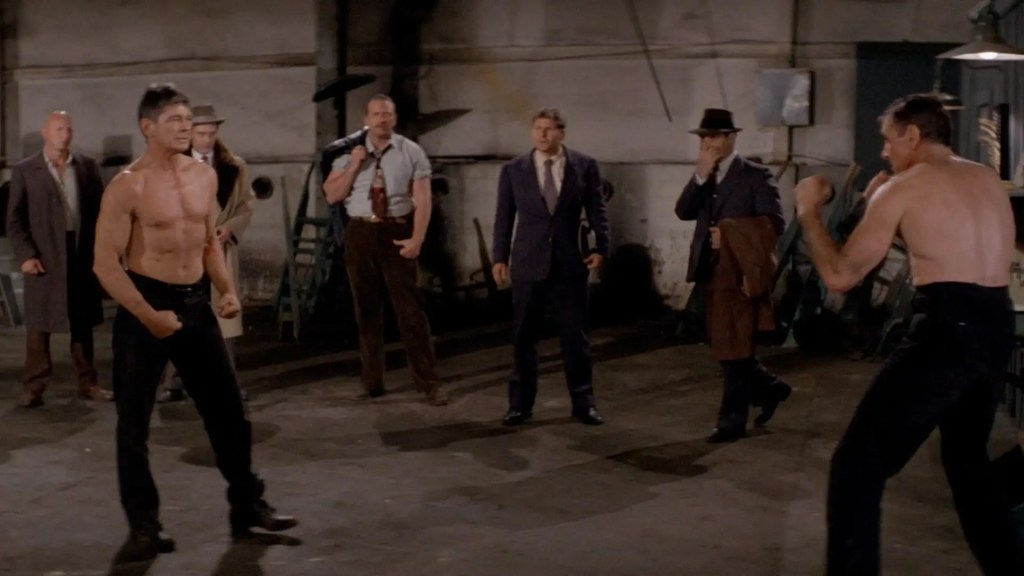
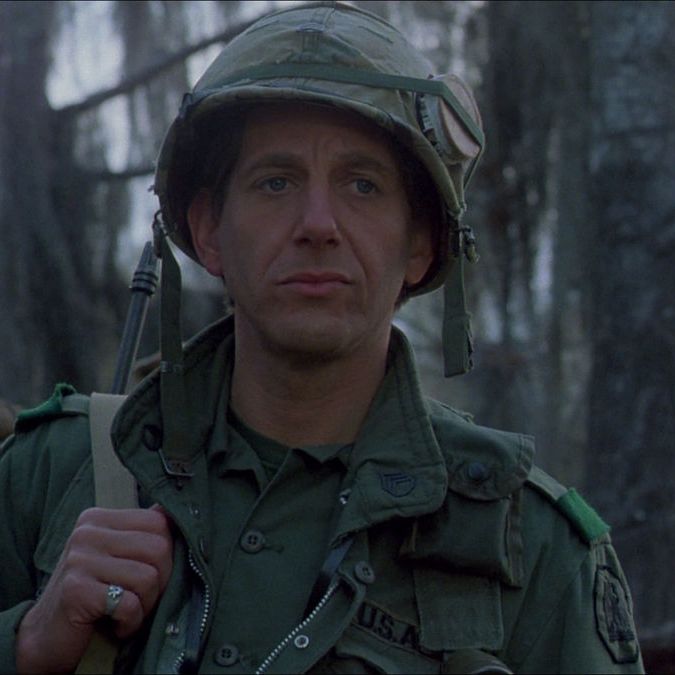
4. Southern Comfort (1981)
Genre: Thriller, Survival, Southern Gothic, Action

5. The Long Riders (1980)
Genre: Revisionist Western

Walter Hill: Themes and Style
Themes:
- Masculinity and Brotherhood: Hill’s films often delve into the complexities of male relationships, touching upon themes of brotherhood, rivalry, and friendship. The dynamic between men, their bonds, and conflicts often drive the narrative.
- Honour and Redemption: Characters in Hill’s films are often seeking redemption or are bound by a sense of honour. This theme resonates in stories of personal journeys, struggles, and transformations.
- Urban Decay and Modernity: The urban setting, especially in its raw, gritty, and dystopian form, frequently appears in Hill’s films. This theme underscores the clash between traditional values and modern challenges.
- Crime and Gang Culture: Many of Hill’s narratives involve crime or are set against the backdrop of the underworld. The culture, code, and camaraderie of gangs play a pivotal role.
- Western Motifs: While not all his films are Western in the traditional sense, Hill often employs elements from the genre, whether in terms of character archetypes, narrative themes, or visual cues.
Styles:
- Minimalist Dialogue: Hill’s scripts are known for their sparse, tight dialogue, often preferring to convey meaning through visuals, actions, or the subtext of what’s left unsaid.
- Stylised Violence: Action sequences in Hill’s films are not just about physical confrontations but are often choreographed in a stylistic, almost balletic manner. Violence is both graphic and artistic.
- Visual Flair: Hill has a keen eye for impactful visuals. He often uses stark contrasts, moody lighting, and dynamic camera movements to set the tone and atmosphere.
- Pacing and Editing: Hill’s films are often briskly paced, using sharp edits and transitions that contribute to the tension and momentum of the story.
- Sound and Music: Music plays an integral role in many of Hill’s films, sometimes even becoming a character in its own right. Whether it’s the iconic score of The Warriors or the blues-infused tracks in Crossroads, the auditory experience is essential to the narrative.
Directorial Signature:
- Anti-Hero Protagonists: Hill’s films often centre around characters who are not clear-cut heroes. They are flawed, complex, and sometimes morally ambiguous, making their journeys all the more compelling.
- Cultural Fusion: Whether it’s merging the Western with urban crime dramas (The Warriors, Streets of Fire) or infusing musical genres into narrative arcs (Crossroads), Hill’s films often blend disparate cultural elements, creating unique narrative landscapes.
- Character Archetypes: Throughout his films, certain character archetypes reappear, such as the seasoned veteran, the young hotshot, the lone warrior, or the wily antagonist. These familiar figures offer a touchstone for viewers, grounding the often stylised narratives in relatable human dynamics.
- Narrative Efficiency: Hill’s storytelling is direct and efficient. He wastes little time on extraneous subplots, focusing intently on the primary narrative thread and driving it forward with momentum.
- Homage and Reinvention: While Hill often pays homage to genres like the Western or classic noir, he reinvents them in fresh, innovative ways, putting a contemporary spin on established conventions.
Walter Hill – Great Director



 Bronze Screen Dream