
Victor Sjöström, a pioneer of Swedish cinema and a significant figure of the silent film era, is best known for directing films such as The Phantom Carriage and The Wind. His innovative storytelling and mastery of the nascent language of cinema made him a leading director of his time.
Originally an actor, Sjöström transitioned to directing and quickly became instrumental in putting Swedish cinema on the global map. His films often explored themes of human morality, the impact of the past, and man’s relationship with nature. These themes were most notably expressed in The Outlaw and His Wife, which tells the story of a couple living on society’s fringes against the harsh Icelandic wilderness.
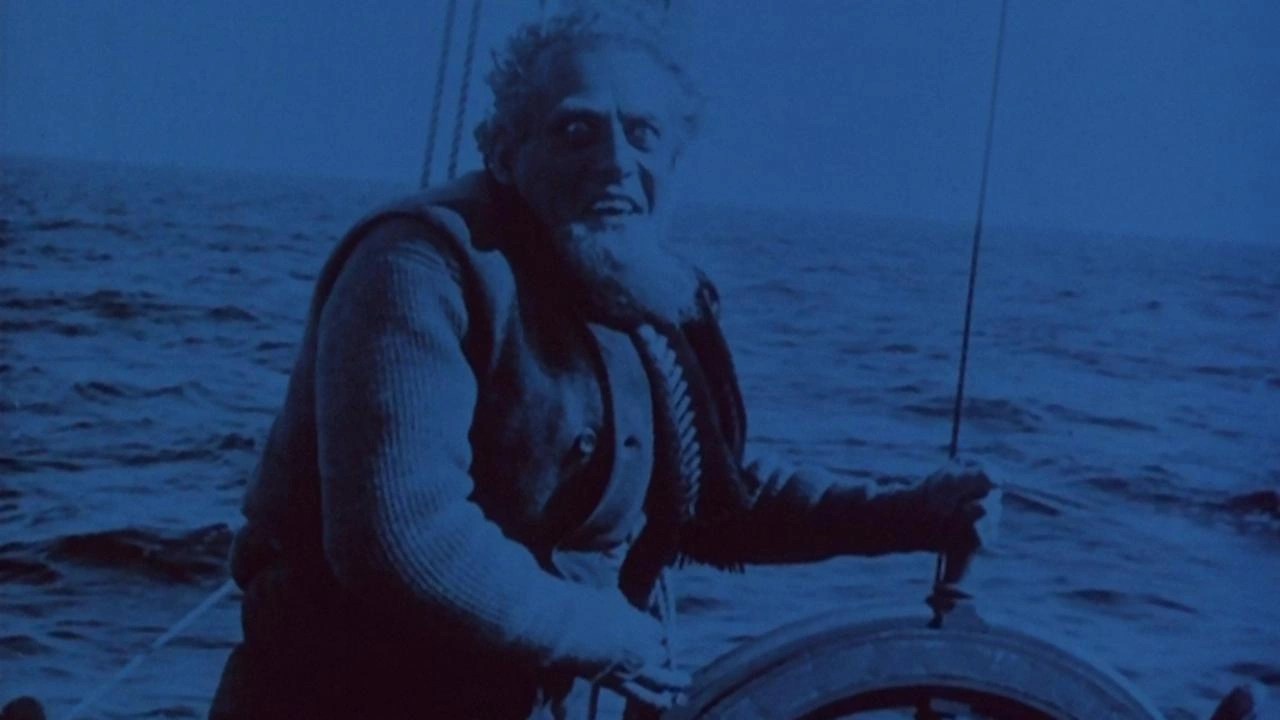
Sjöström was renowned for his meticulous approach to filmmaking. He often sought to shoot on location to capture the raw essence of nature, which played a significant role in his films. His film Terje Vigen was groundbreaking, where he used the Norwegian sea as not just a background but as a dramatic entity influencing the protagonist’s destiny.
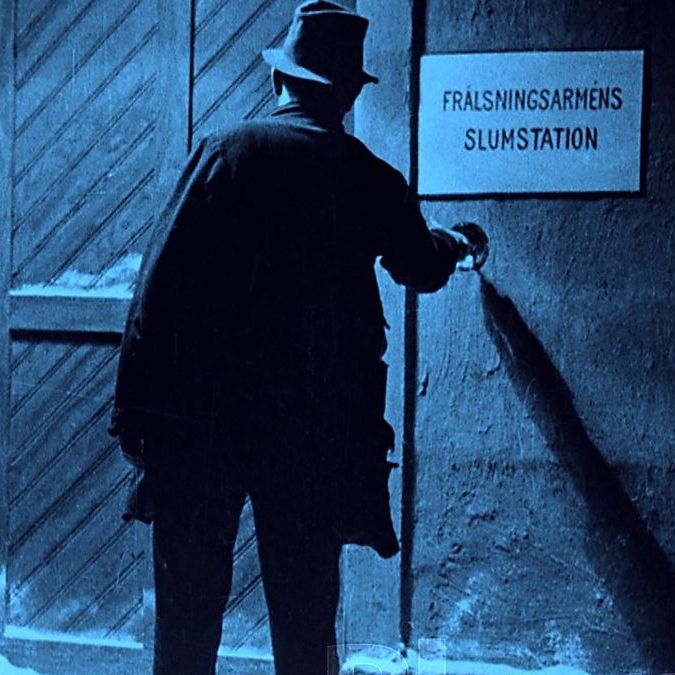
Sjöström used the atmospheric interplay between light and shadow before the German Expressionism Movement popularised the technique. This is evident in The Phantom Carriage, which employs double exposures and innovative editing to create ghostly apparitions, becoming a seminal work in the horror genre.
Sjöström’s influence on film history is significant. His innovative use of nature and locations heavily inspired Ingmar Bergman, who often hailed Sjöström as a major influence on his work. Sjöström’s use of editing and visual storytelling has also been noted by international filmmakers, including those of the French New Wave and the British Kitchen Sink realism.
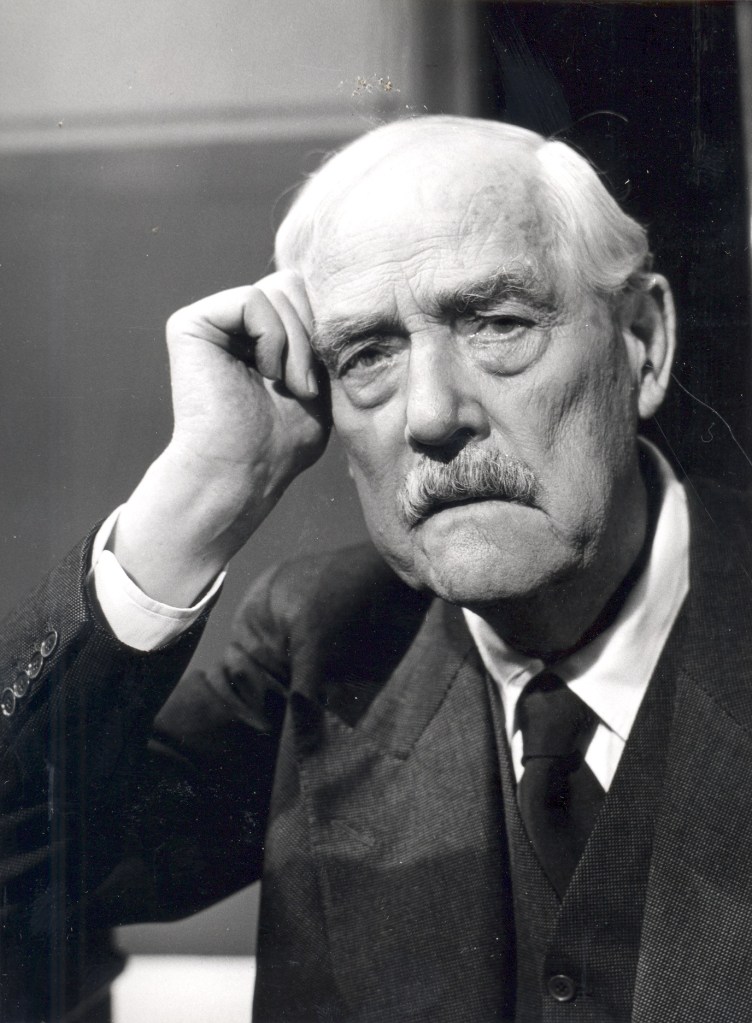
Victor Sjöström (1879 – 1960)
Calculated Films:
- Girl From Stormy Croft (1917)
- A Man There Was (1917)
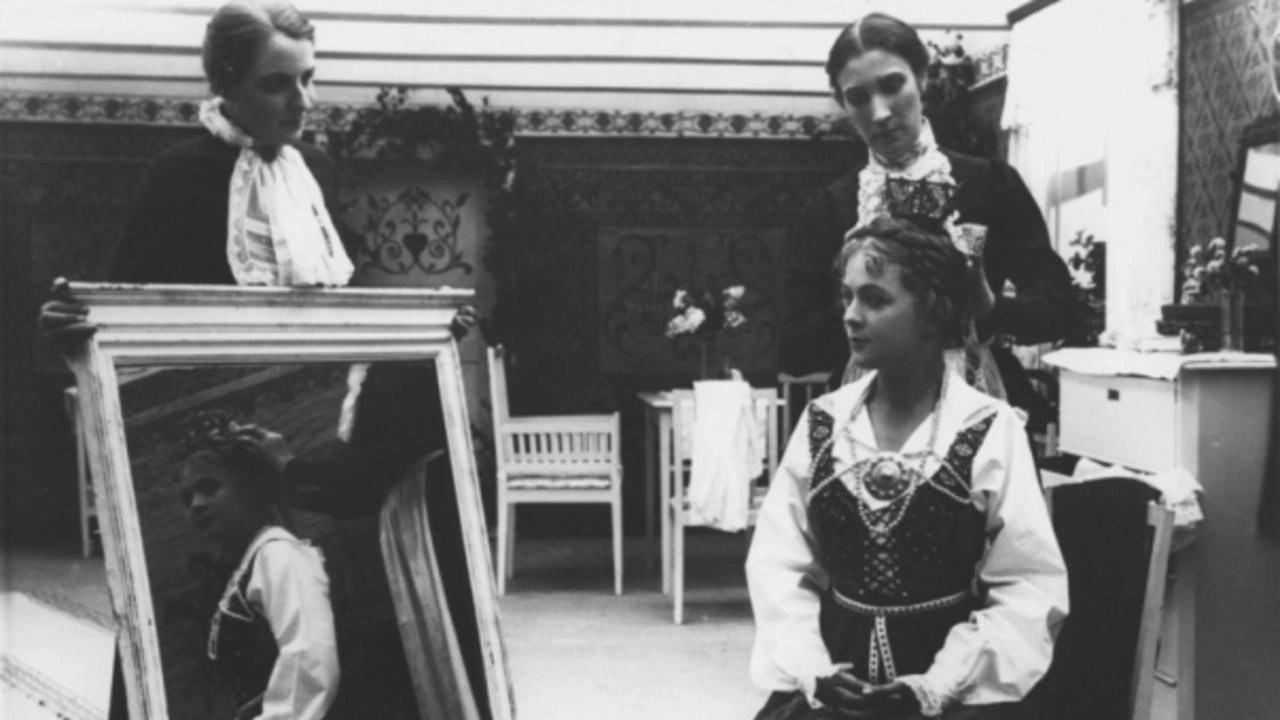
- The Outlaw and His Wife (1918)
- The Phantom Carriage (1921)
- Love’s Crucible (1922)
- He Who Gets Slapped (1924)
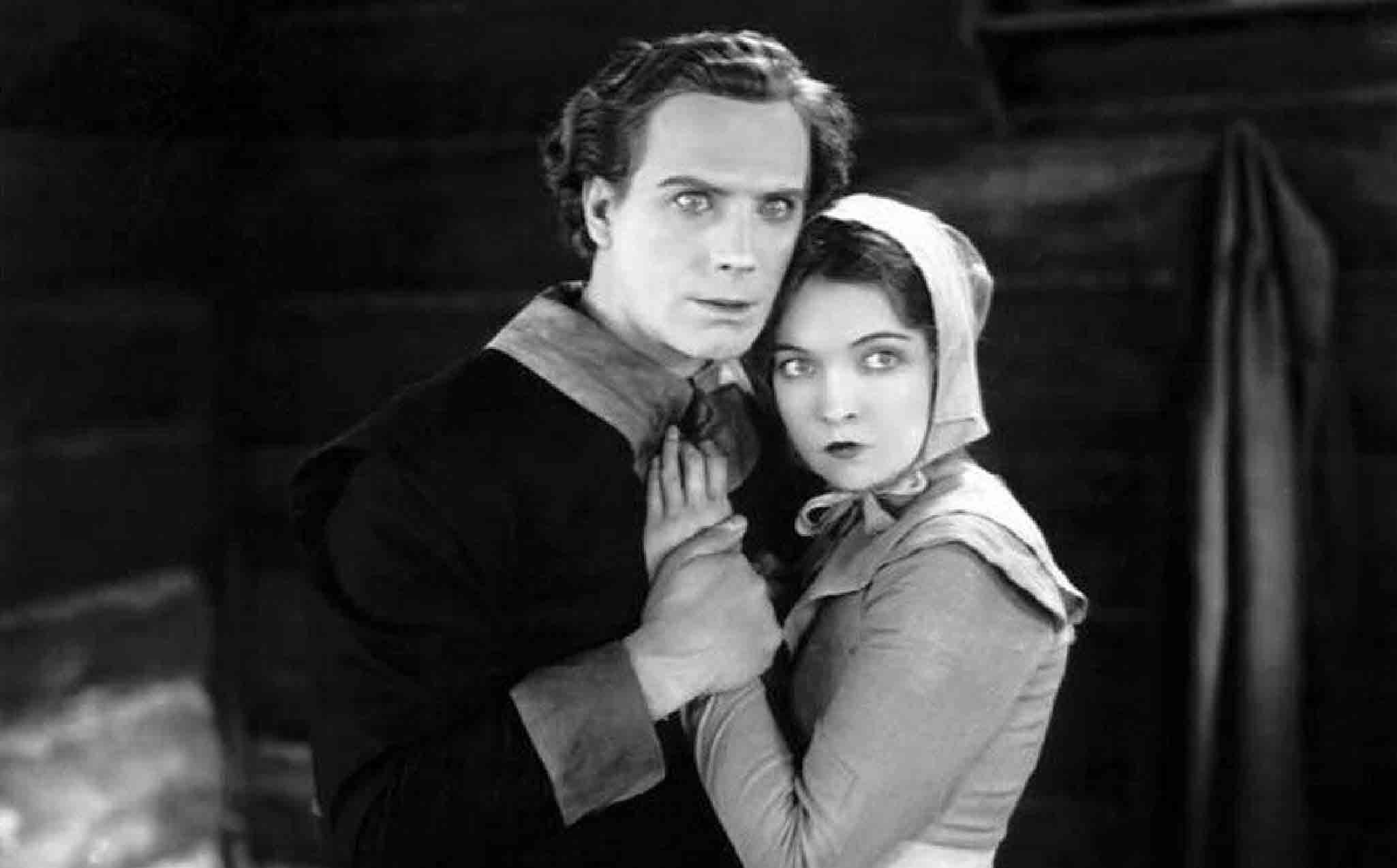
- The Scarlett Letter (1926)
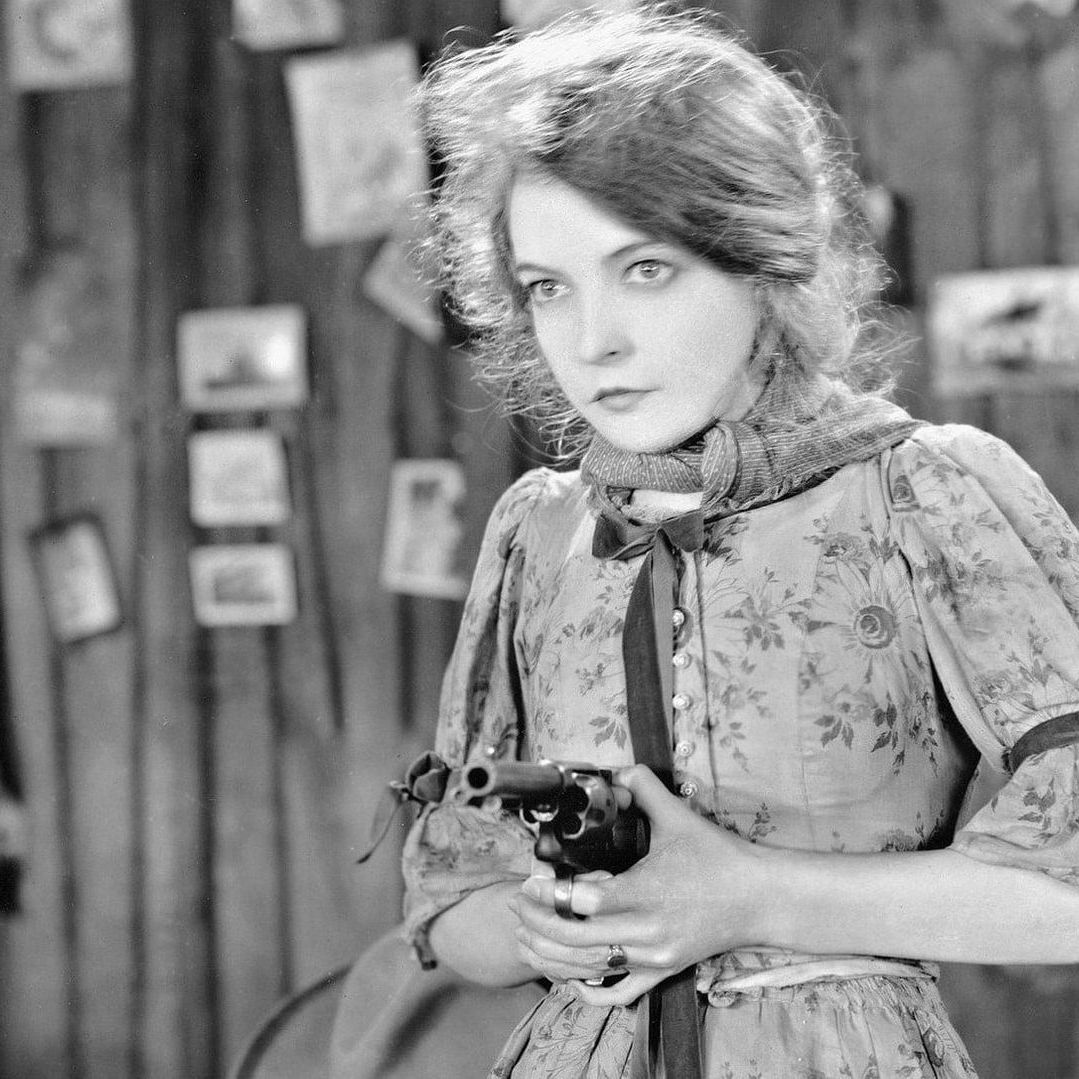
- The Wind (1928)
Similar Filmmakers
- Alf Sjoberg
- August Blom
- Benjamin Christensen
- Carl Theodor Dreyer
- Clarence Brown
- D. W. Griffith
- F. W. Murnau
- G. W. Pabst
- Gustaf Molander
- Henry King
- Holger-Madsen
- Ingmar Bergman
- John Ford
- King Vidor
- Mauritz Stiller
- Rex Ingram
- Robert Wiene
- Urban Gad
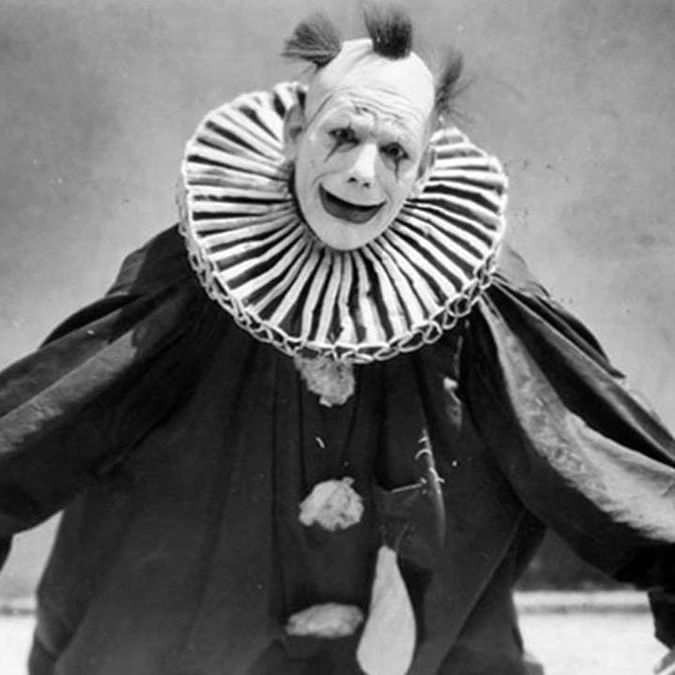
Victor Sjöström’s Top 10 Films Ranked
1. The Wind (1928)
Genre: Melodrama, Psychological Drama
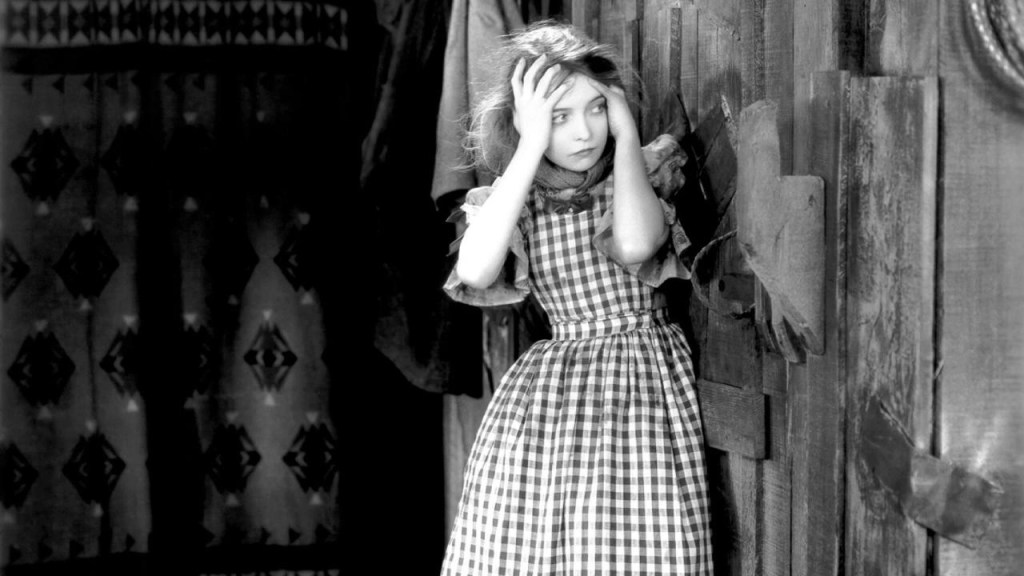
2. The Phantom Carriage (1921)
Genre: Low Fantasy, Melodrama, Gothic
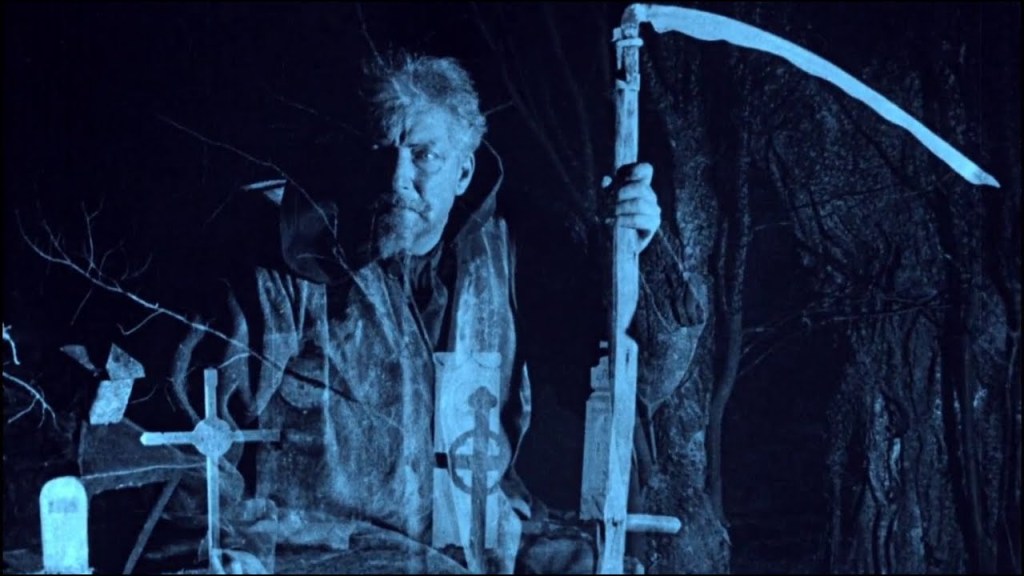
3. He Who Gets Slapped (1924)
Genre: Melodrama, Drama
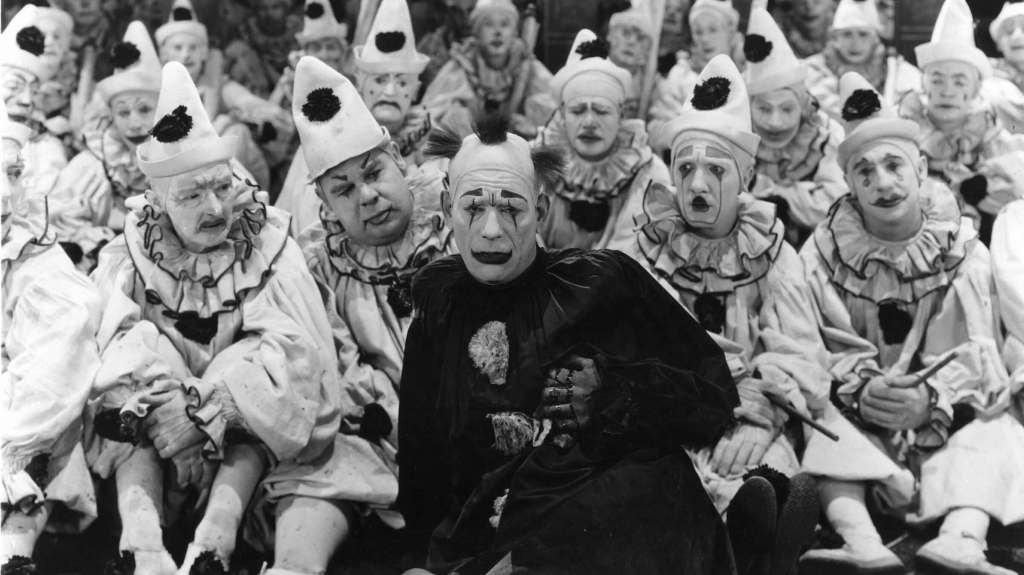
4. A Man There Was (1917)
Genre: Drama, Period Drama
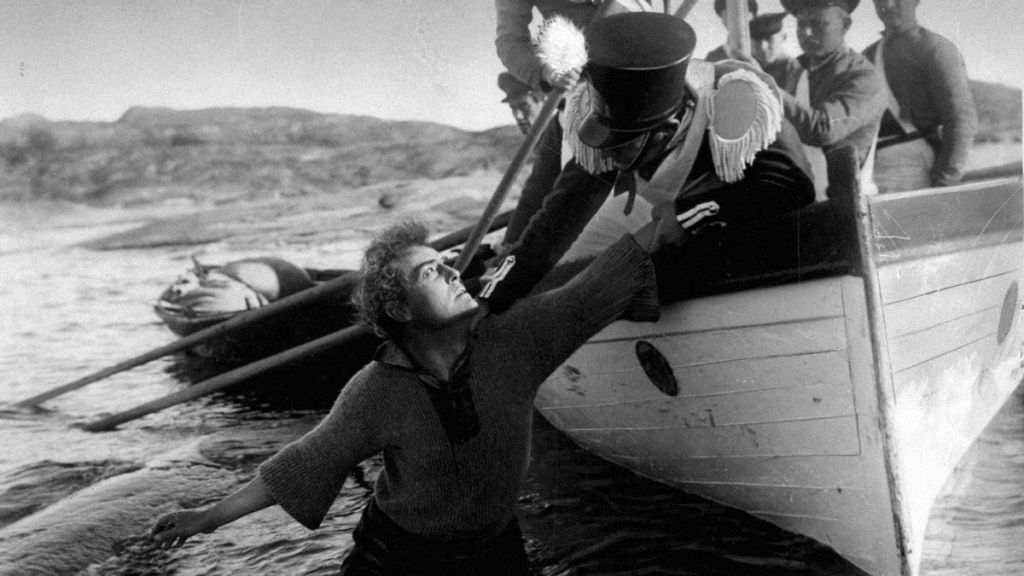
5. The Outlaw and His Wife (1918)
Genre: Romance, Drama
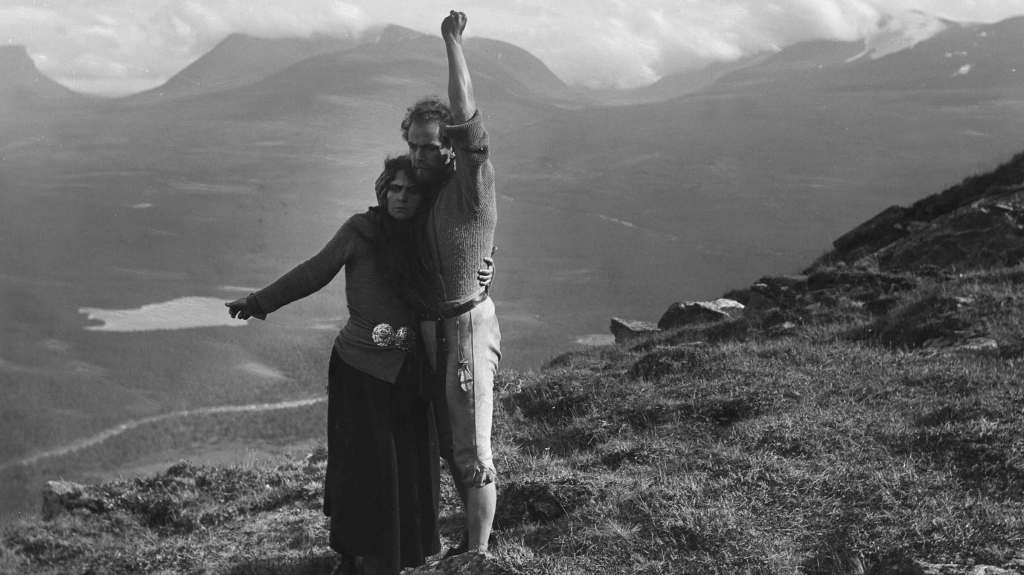
6. The Scarlet Letter (1926)
Genre: Period Drama
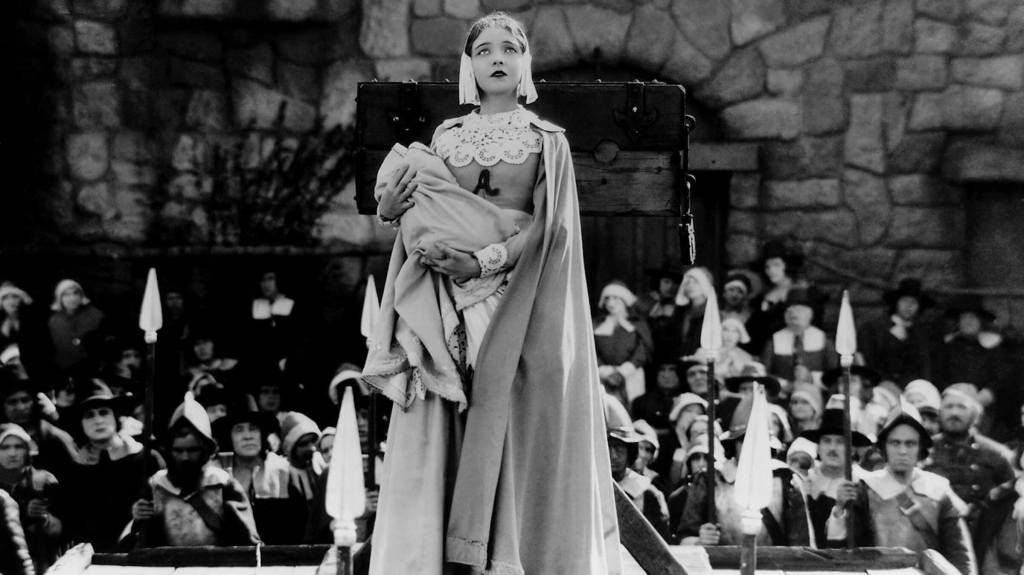
7. Ingeborg Holm (1913)
Genre: Melodrama
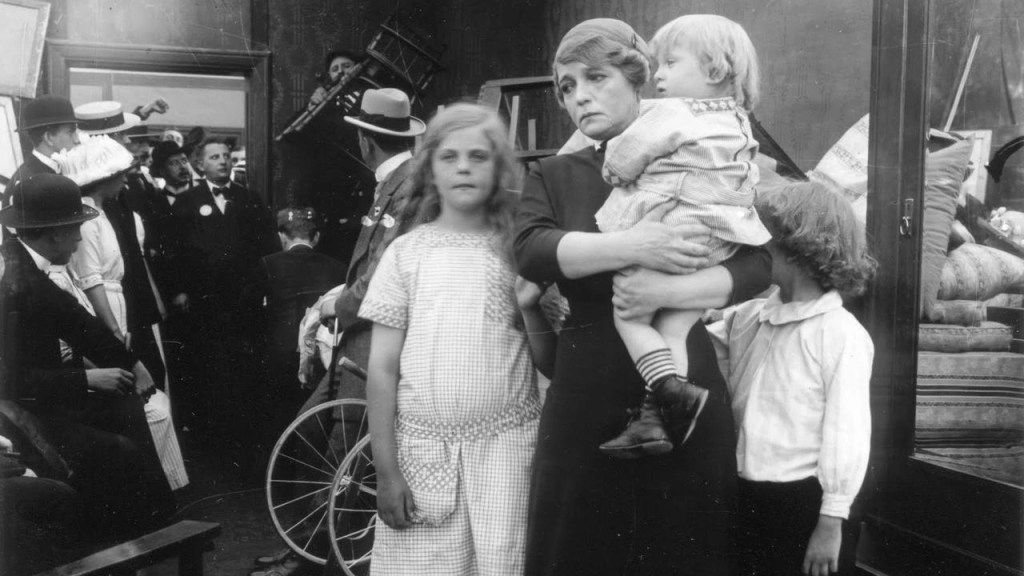
8. The Girl From The Marsh Croft (1917)
Genre: Drama, Melodrama
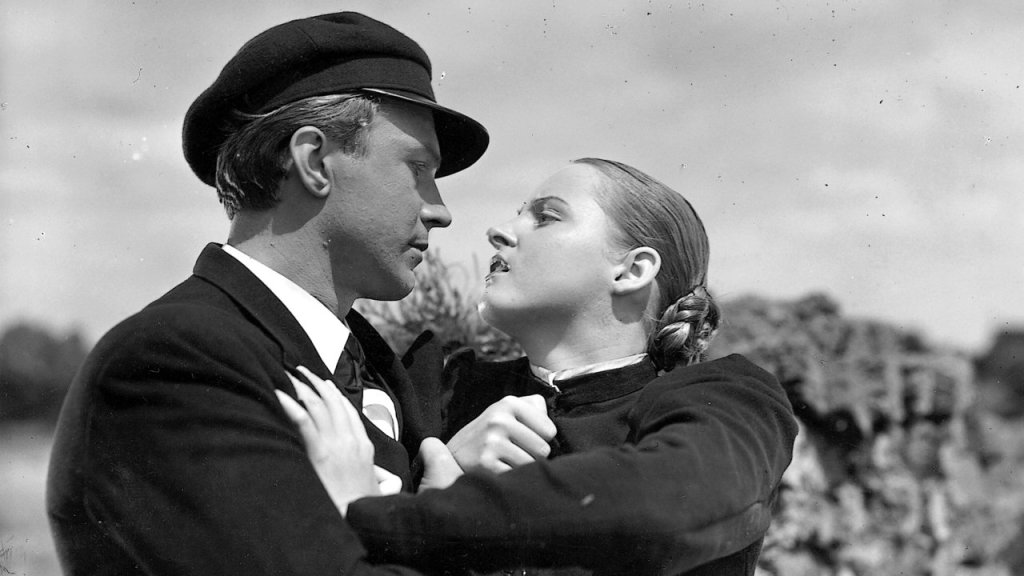
9. Sons of Ingmar (1919)
Genre: Melodrama
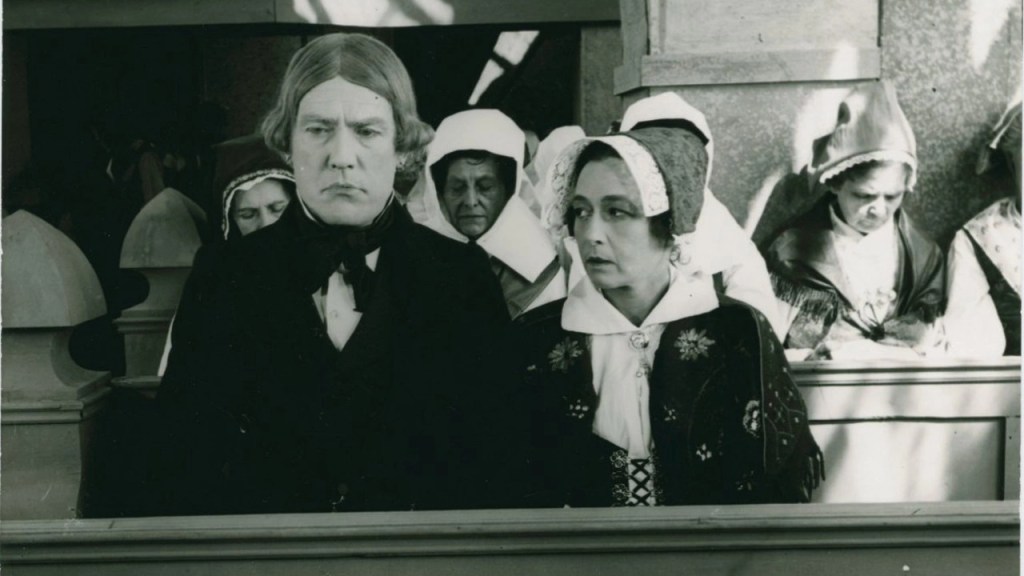
10. The Monastry of Sendomir (1920)
Genre: Drama
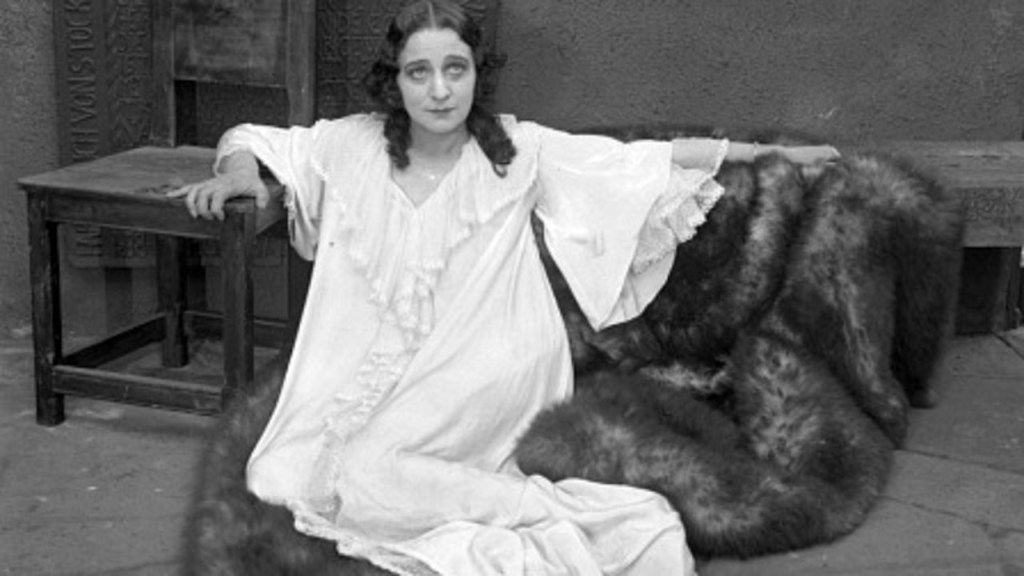
Victor Sjöström: Themes and Style
Themes
- Existential Struggles & Human Psyche: Sjöström often explored the human psyche, grappling with themes like morality, redemption, and existential despair. His characters frequently undergo internal struggles, mirroring the complexities and contradictory nature of human emotions.
- Nature as a Character: The natural environment plays a crucial role in Sjöström’s films, often acting as a significant character in its own right. Nature is not just a backdrop but interacts dynamically with the human characters, influencing their actions and reflecting their emotional states.
- Death & Afterlife: Concepts of death and the afterlife permeate his films, where characters often confront or grapple with their mortality and the transient nature of life.
- Romantic & Spiritual Elements: His works embody a sense of romanticism blended with spiritual undertones. This amalgamation brings forth stories that are deeply emotional, contemplative, and resonant with audiences.
Styles
- Visual Storytelling: Sjöström was a master of silent cinema and adept at visual storytelling. He could convey complex emotions and narratives without relying on dialogue, utilising facial expressions, body language, and meticulously composed shots.
- Innovative Techniques: Employing creative filming and editing techniques, he was among the early adopters of double exposures, in-camera effects, and advanced masking, which were groundbreaking at the time.
- Narrative Pacing & Structure: He was known for his intuitive understanding of pacing and narrative structure. He constructed films that smoothly transitioned from one sequence to another while maintaining tension and audience engagement.
- Atmospheric Cinematography: Sjöström’s films are recognised for their atmospheric cinematography, with visually stunning and emotionally charged landscapes that complement and enhance the narrative.
Directorial Signature
- Psychological Depth: His characters are well-rounded and psychologically deep, providing audiences with insights into their thoughts and emotions. This psychological depth allows for a richer and more immersive viewing experience.
- Poetic Imagery: The director’s use of poetic imagery elevates his films, providing them with a timeless quality. This aesthetic approach enhances the emotional resonance of the stories while engaging viewers on a visual and sensory level.
- Blending Reality and Fantasy: His films often blur the lines between reality and fantasy, providing a dreamlike quality that engages viewers on both intellectual and emotional levels.
Victor Sjöström: The 139th Greatest Director
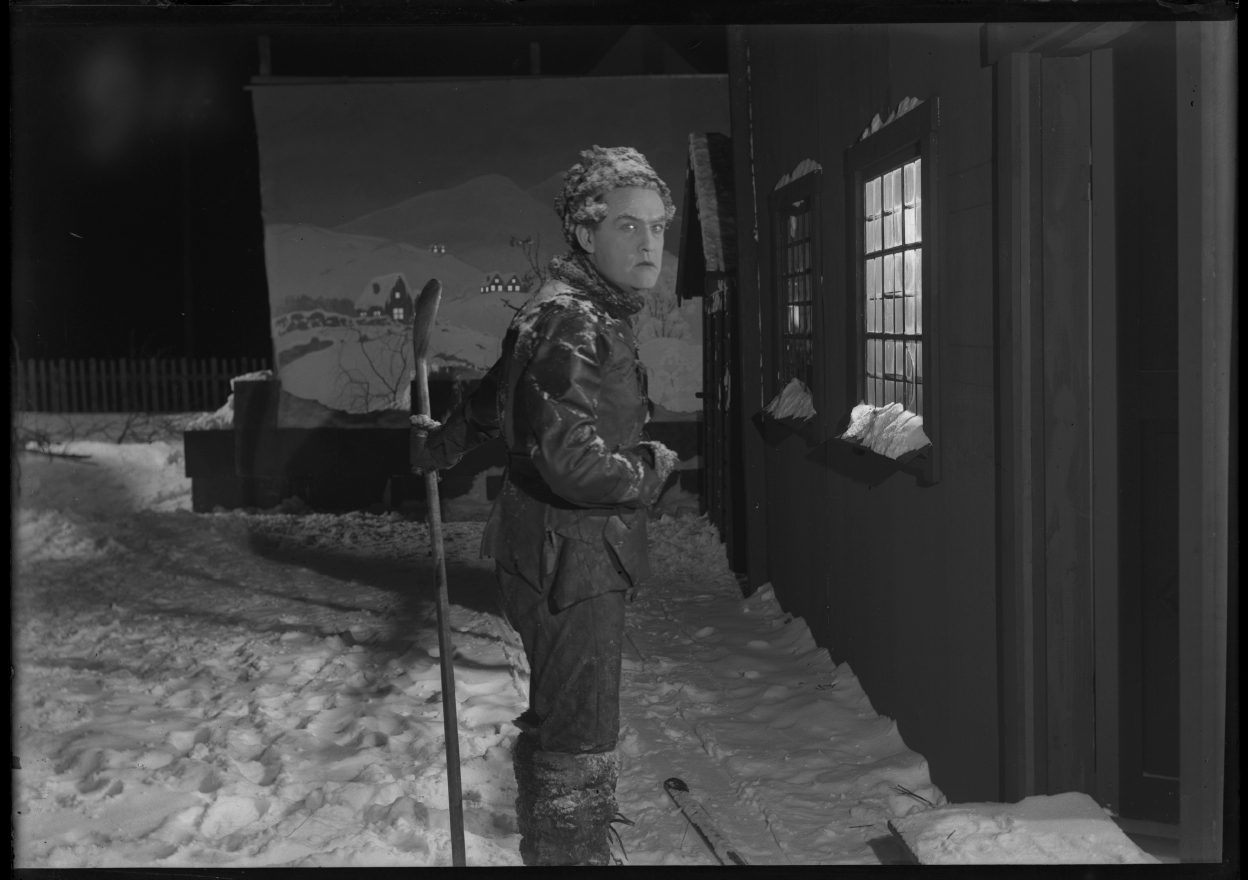
 Bronze Screen Dream