
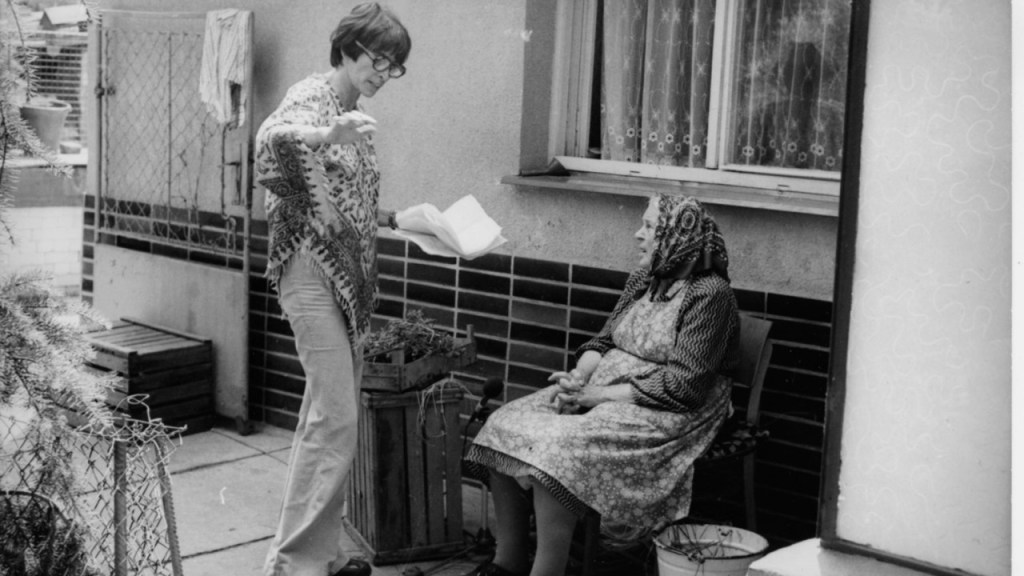
Vera Chytilová was a Czech film director and screenwriter best known for her avant-garde and experimental approach to cinema. Her films often challenged societal conventions and are emblematic of the Czech New Wave movement, with Daisies standing out as one of her most celebrated works.
Her films often deal with issues of identity, freedom, and societal constraints, especially concerning women. For instance, in Daisies, two young women engage in rebellious and anarchic behaviour, serving as a metaphor for the political and social chaos in Czechoslovakia during the 1960s. Another noteworthy film, Fruit of Paradise, delves deep into the themes of original sin and temptation, utilising allegorical imagery and disjointed narrative techniques that reveal Chytilová’s fascination with the human psyche and societal norms.
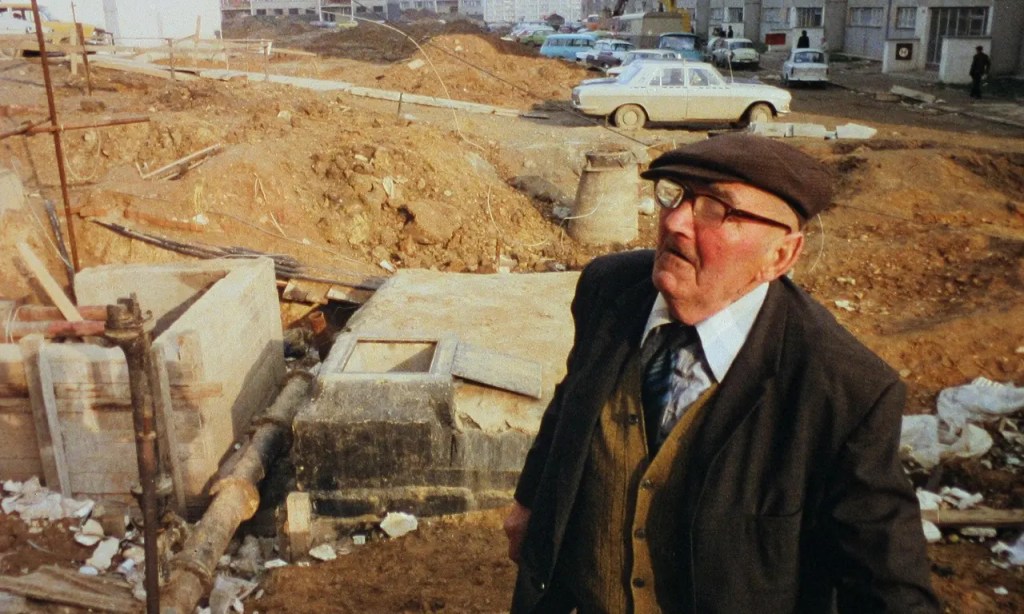
Chytilová had a penchant for surrealism and non-linear editing, creating films that are as much a sensory experience as narrative. This can be seen in the playful visuals of Daisies and the challenging, abstract nature of Panelstory, which critiques urbanisation and the dehumanising effects of living in massive prefab apartment blocks. Throughout her career, Chytilová retained a fiercely independent spirit, using cinema not just as a means of storytelling but as a tool for probing, questioning, and challenging societal values and expectations.

Věra Chytilová (1929 – 2014)
Calculated Films:
- Daisies (1966)
Similar Filmmakers
- Agnes Varda
- Drahomira Vihanova
- Dušan Hanák
- Dusan Makavejev
- Evald Schorm
- Jacques Rivette
- Jan Nemec
- Jaromil Jires
- Jean-Luc Godard
- Jiri Menzel
- Juraj Herz
- Juraj Jakubisko
- Larisa Shepitko
- Milos Forman
- Otakar Vávra
- Radley Metzger
- Wojciech Has
- Zbyněk Brynych

Věra Chytilová’s Top 5 Films Ranked
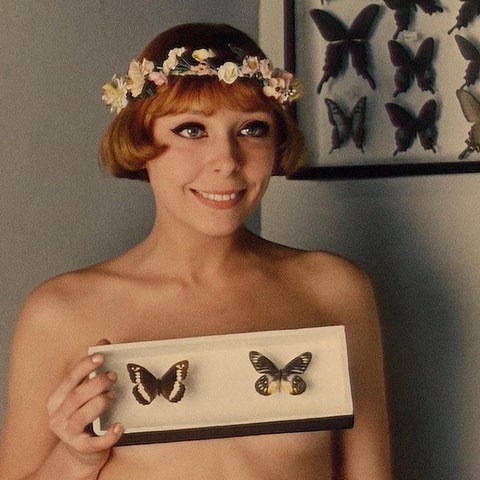
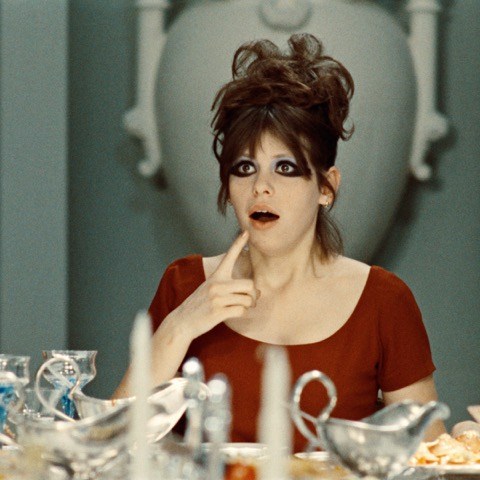
1. Daisies (1966)
Genre: Satire, Surrealism, Absurdist Comedy

2. The Inheritance or Fuckoffguysgoodday (1992)
Genre: Satire, Comedy
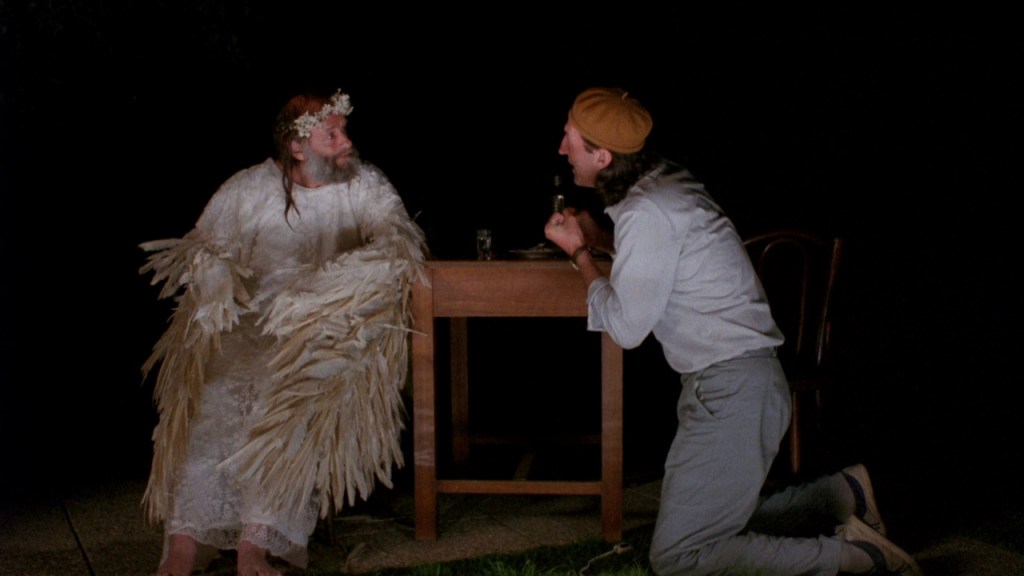
3. The Very Late Afternoon of a Faun (1983)
Genre: Satire

4. Panelstory or Birth of a Community (1980)
Genre: Comedy, Drama, Satire
5. Something Different (1963)
Genre: Drama, Sports, Slice of Life

Věra Chytilová: Themes and Style
Themes:
- Feminism and Female Identity: Chytilova often placed female protagonists at the centre of her narratives, exploring their roles, challenges, and perceptions in a patriarchal society. Films like Daisies tackled women’s liberation in both overt and covert manners.
- Societal Critique: Her work frequently touched upon society’s inherent absurdities and contradictions, especially during the tumultuous periods of Czech history.
- Moral Decay and Consumerism: The excesses of modern life, the degradation of moral values, and the unbridled consumerism that marked much of the 20th century were focal points in her films, such as in the hedonistic escapades of the protagonists in Daisies.
Styles:
- Avant-Garde and Experimental: Chytilova was not one to be confined by traditional cinematic techniques. She embraced non-linear narratives, surreal imagery, and often fragmented editing to convey her stories.
- Visual Inventiveness: She had a flair for the visually dramatic, using vivid colours, stark contrasts, and innovative camera angles to engage and sometimes disorient the viewer.
- Use of Humor: Absurdist and dark humour are staple elements in her films. This allowed her to approach heavy and sometimes controversial subjects with a touch of levity, making her critiques more palatable yet no less impactful.
Directorial Signature:
- Provocation: Chytilova’s films are meant to provoke. She wasn’t content with passive viewership; she wanted her audience to question, to feel uncomfortable, and to be engaged, often challenging societal norms.
- Collaboration with Ester Krumbachová: One of the key aspects of Chytilova’s directorial signature was her collaboration with scriptwriter and designer Ester Krumbachová. Their combined visions resulted in films that were both narratively and visually groundbreaking.
- Rebellion Against Conformity: Almost all of her films exhibit a strong sense of rebellion, either through their characters, their narrative structures, or their thematic concerns.
- The Interplay of Reality and Fiction: Chytilova often blurred the lines between reality and fiction, crafting scenes that move seamlessly between the real world and dreamlike, or nightmarish, sequences. This surreal quality is integral to her directorial signature, making her films instantly recognisable.
Věra Chytilová – The 289th Greatest Director



 Bronze Screen Dream