

Val Guest was a prolific British film director who made significant contributions to British cinema during the 1950s and 1960s. He is best known for his versatility as a filmmaker, tackling a wide range of genres, including science fiction, comedy, drama, and thriller. Guest’s films are often characterised by their intelligent scripts, strong performances, and effective use of limited budgets.
Guest directed over 50 films across a career that spanned the 1940s to the 1980s. He began his career writing and directing comedies such as Miss London Ltd. and Bees in Paradise. In the 1950s, he gained recognition for his science fiction films, notably The Quatermass Xperiment and The Quatermass 2, which were praised for their intelligent storytelling and atmospheric visuals. Guest also directed the critically acclaimed noir thriller Hell Is a City and the Cold War drama The Day the Earth Caught Fire.
Guest’s films often explored social and political issues, reflecting the concerns of post-war Britain. In The Day the Earth Caught Fire, he addressed the dangers of nuclear weapons and the potential consequences of the Cold War. His 1959 film Expresso Bongo satirised the music industry and the exploitation of young talent. Guest was also interested in the human condition and the psychological depths of his characters, as evident in films like The Beauty Jungle, which examined the world of beauty pageants and the pressures faced by its contestants.
One of the unique aspects of Guest’s filmmaking approach was his ability to create compelling and thought-provoking films within the constraints of modest budgets. He often used innovative techniques and clever storytelling to overcome financial limitations. For example, in The Quatermass Xperiment, he effectively built suspense and horror through suggestion and atmosphere rather than relying on expensive special effects. Guest was also known for his collaborative approach, working closely with his actors and crew to create a sense of realism and authenticity in his films.
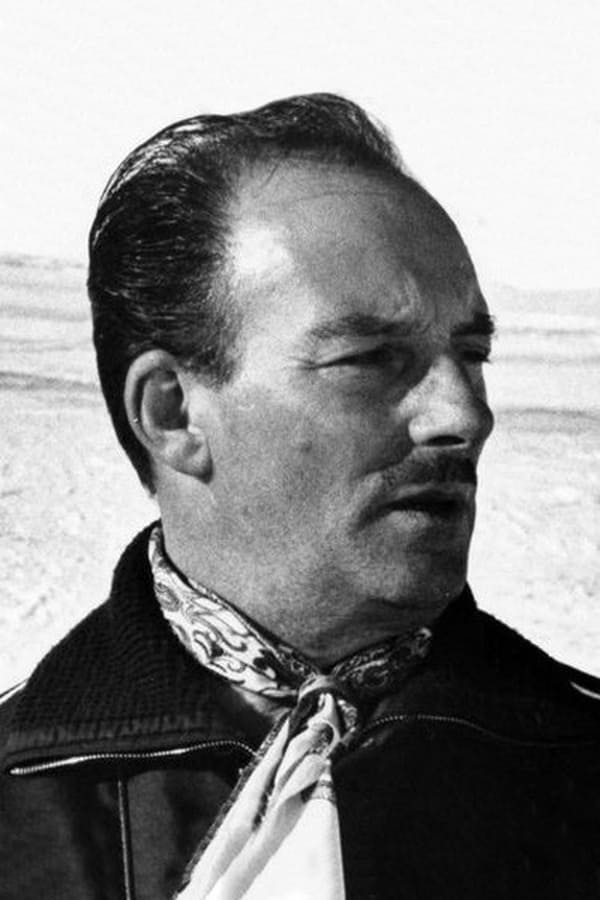
Val Guest (1911 – 2006)
Calculated Films:
- NA
Similar Filmmakers
- Basil Dearden
- Don Chaffey
- Don Sharp
- Freddie Francis
- Gordon Hessler
- Guy Green
- John Gilling
- John Guillermin
- Leslie Norman
- Mario Bava
- Michael Carreras
- Nathan Juran
- Peter Collinson
- Robert Day
- Roy Ward Baker
- Seth Holt
- Terence Fisher
- Wolf Rilla
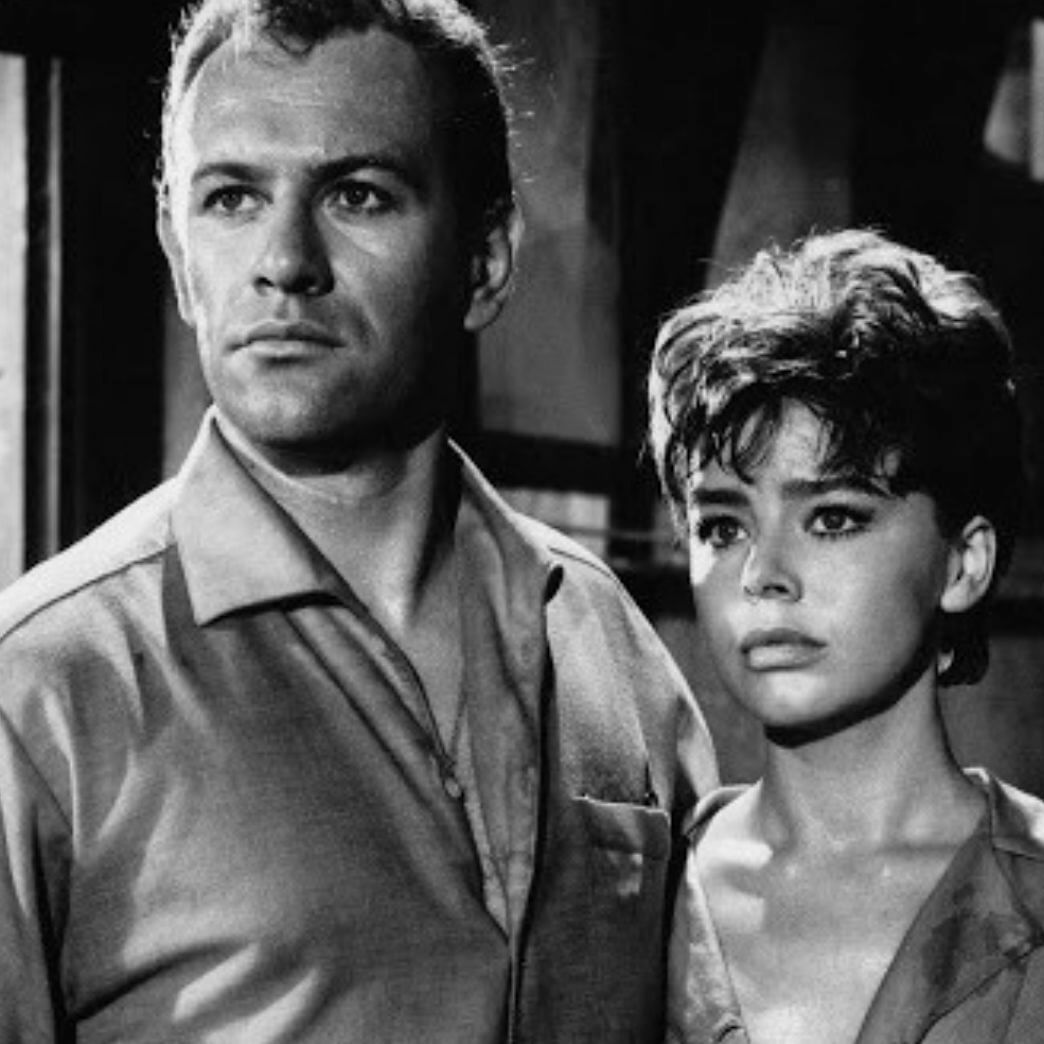
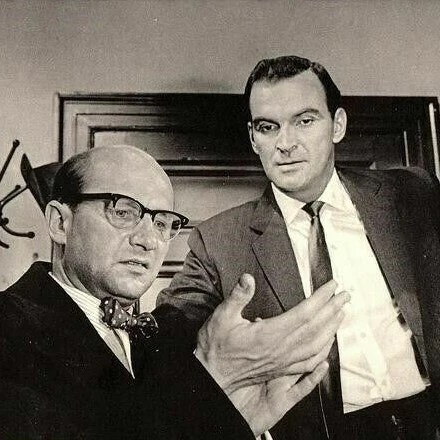

Val Guest’s Top 5 Films Ranked
1. The Day The Earth Caught Fire (1961)
Genre: Sci-Fi, Disaster, Drama

2. Hell Is a City (1960)
Genre: Thriller, Crime

3. Yesterday’s Enemy (1959)
Genre: War, Drama

4. Jigsaw (1962)
Genre: Police Procedural, Mystery, Whodunnit

5. The Quatermass Xperiment (1955)
Genre: Sci-Fi, Horror, Mystery, Alien Invasion

Val Guest: Themes and Style
Themes:
- Cold War Anxiety: Guest frequently explored the tensions and paranoia of the Cold War era, notably in The Quatermass Xperiment and Quatermass 2. His films often depict a world on the brink, highlighting the anxieties of nuclear war and the threat of unseen, unknown enemies, blending science fiction with a stark reflection of contemporary societal fears.
- Scientific Hubris: A recurring theme in his work is the danger of unchecked scientific ambition. Films like The Quatermass Xperiment showcase the catastrophic consequences of scientific experiments gone awry, question humanity’s pursuit of knowledge without ethical boundaries, and reflect post-war scepticism toward rapid technological advancement.
- British Resilience: Guest’s films often embody a distinctly British spirit of resilience and determination in the face of adversity. In The Day the Earth Caught Fire, characters band together to confront global disaster, showcasing a blend of individual bravery and collective effort typical of Britain’s post-war self-image.
- Humanity vs Unknown: Guest frequently delved into narratives where humanity is pitted against unknown forces or entities, such as in The Abominable Snowman. These films explore themes of exploration, the unknown, and the limits of human understanding, often questioning the consequences of venturing into uncharted territories or meddling with forces beyond human comprehension.
Styles:
- Documentary Realism: Guest was known for his use of documentary-style realism, which is especially evident in The Day the Earth Caught Fire. This approach lent a gritty, authentic feel to his narratives, grounding even the most fantastical stories in a relatable, tangible world and often blurring the lines between fiction and reality.
- Innovative Special Effects: Despite the limitations of the era, Guest’s films, such as The Quatermass Xperiment, were marked by innovative use of special effects. He creatively employed practical effects and camera techniques to bring the unimaginable to life, contributing to the immersive and groundbreaking visual experience.
- Tight Narratives: Guest’s direction favoured tight, concise storytelling, with a focus on building tension and maintaining a brisk pace. Films like Quatermass 2 are characterised by their efficient storytelling, where every scene serves to propel the narrative forward, keeping viewers engaged and invested.
- Atmospheric Tension: He was adept at crafting films with a palpable sense of tension and foreboding. Through skilful use of lighting, camera angles, and pacing, films like The Abominable Snowman maintain a constant undercurrent of suspense, often culminating in climactic reveals that are both satisfying and unnerving.
Directorial Signature:
- Human-Centric Sci-Fi: One of Guest’s signatures is his focus on human stories within the sci-fi genre. His films, such as The Quatermass Xperiment, often centre around the human experience, emotions, and ethical dilemmas rather than just the fantastical elements, making his work more relatable and impactful.
- Blending Genres: Guest was known for his ability to seamlessly combine genres, combining elements of horror, science fiction, and drama to create unique cinematic experiences.
- Social Commentary: His work often contained subtle yet sharp social commentary, reflecting on contemporary issues through the lens of speculative fiction. The Day the Earth Caught Fire can be seen as a commentary on environmental neglect and the dangers of nuclear proliferation, showcasing his ability to weave relevant themes into engaging narratives.
Val Guest – Great Director



 Bronze Screen Dream