
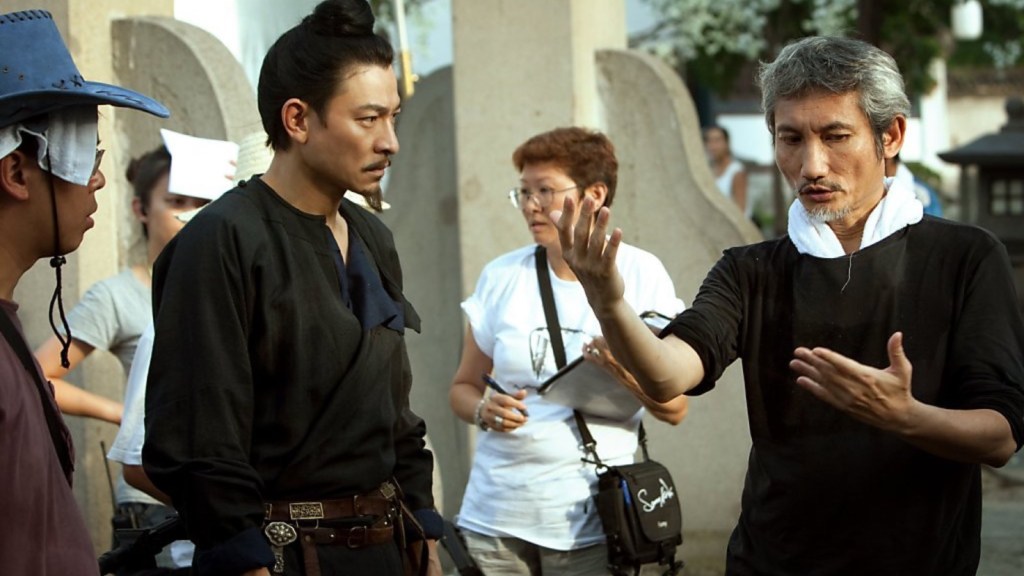
Tsui Hark is a Hong Kong filmmaker who is widely regarded as one of the most important and influential directors in the history of Hong Kong cinema. His films, which often blend elements of martial arts, fantasy, and science fiction, are celebrated for their bold, kinetic style and their ability to push the boundaries of what is possible in the action genre.
Tsui Hark’s most famous films, such as Once Upon a Time in China and A Better Tomorrow, are considered classics of Hong Kong cinema and have helped to define the style and aesthetics of the action genre. These films are notable for their intricate, fast-paced action sequences, their larger-than-life characters, and their ability to blend history, myth, and contemporary social and political issues.
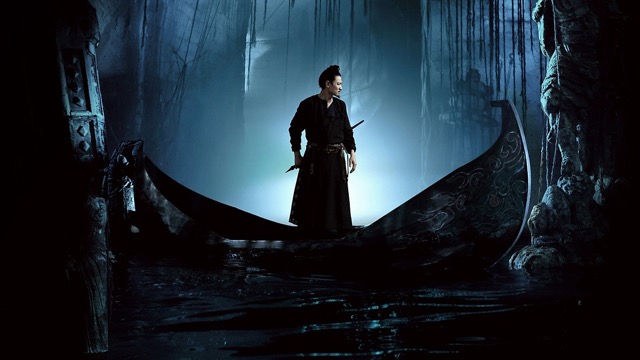
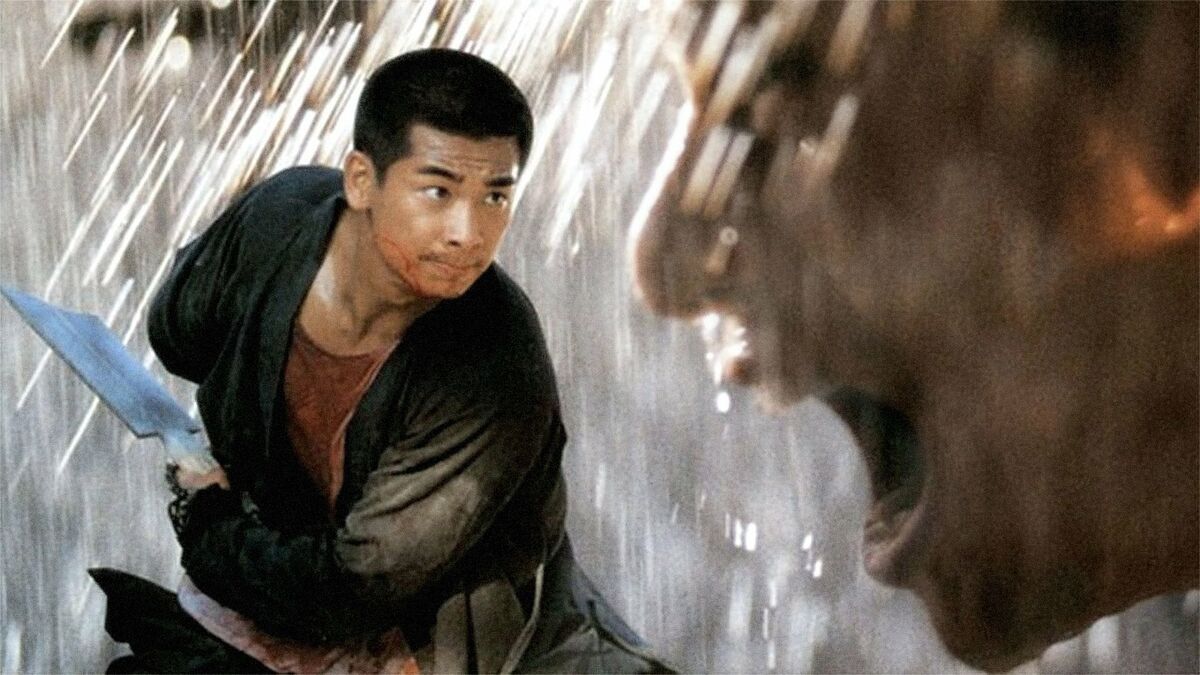
Tsui Hark’s other films, such as Zu Warriors from the Magic Mountain and The Blade, also showcase his innovative approach to genre filmmaking, combining elements of fantasy, horror, and science fiction to create a unique and visually stunning cinematic experience. These films are notable for their inventive use of special effects, their complex, multi-layered narratives, and their ability to find moments of beauty and wonder in even the most chaotic and violent situations.
Throughout his career, Tsui Hark has remained committed to cinema as a means of cultural expression and identity. His films explore the history, mythology, and social and political realities of Hong Kong and China. He has been a pioneering figure in the development of Hong Kong cinema, helping to establish the city as a major centre of film production and innovation.
He frequently collaborates with top choreographers to create set pieces that push the boundaries of what’s possible on screen. This, combined with his signature energetic camera work and intricate set designs, creates an immersive experience for the viewer. Films like Zu Warriors from the Magic Mountain showcase Tsui’s penchant for melding practical effects with early digital techniques, giving birth to a fantastical world that’s both rooted in Chinese mythology and palpably new.

Tsui Hark (1950 – -)
Calculated Films:
- Dangerous Encounters of the Third Kind (1980)
- Peking Opera Blues (1986)
- Green Snake (1993)
- The Blade (1995)
Similar Filmmakers
- Andrew Lau
- Ann Hui
- Feng Xiaogang
- Fruit Chan
- Jackie Chan
- John Woo
- Johnnie To
- King Hu
- Kirk Wong
- Lau Kar-leung
- Patrick Tam
- Peter Chan
- Ringo Lam
- Sammo Hung
- Tony Ching Siu-Tung
- Woo-ping Yuen
- Wong Jing
- Zhang Yimou


Tsui Hark’s Top 5 Films Ranked
1. Peking Opera Blues (1986)
Genre: Comedy, Action, Period Drama

2. Once Upon a Time in China II (1992)
Genre: Kung Fu

3. Once Upon a Time in China (1991)
Genre: Kung Fu

4. Green Snake (1993)
Genre: Fantasy, Wuxia, Romance

5. Dangerous Encounters of the First Kind (1980)
Genre: Crime, Thriller, Exploitation

Tsui Hark: Themes and Style
Themes:
- Displacement and Identity: Rooted in his early experiences in Vietnam and migration to Hong Kong, Tsui often explores themes of displacement, cultural identity, and the tension between tradition and modernity.
- Historical Context: Many of his films, especially the Once Upon a Time in China series, delve into China’s historical moments, juxtaposing personal narratives with larger socio-political events.
- Moral Ambiguity: Tsui’s characters often grapple with complex ethical dilemmas, eschewing simple good vs. evil binaries.
Styles:
- Genre-blending: Tsui is known for deftly combining genres, such as historical drama, with martial arts or fantasy elements, leading to a unique narrative style.
- Innovative Action: His action sequences are renowned for their creativity and innovation. He frequently reinvents traditional martial arts choreography with fresh, dynamic approaches.
- Rapid Pacing: His films often move at a breakneck pace, with quick edits and kinetic energy that keeps audiences engaged.
- Visual Spectacle: Whether in lavish historical dramas or contemporary action pieces, Tsui’s films are visually sumptuous, often using cutting-edge special effects, especially in films like Zu: Warriors from the Magic Mountain.
Directorial Signature:
- Cinematic Fusion: Tsui’s time in the U.S. profoundly impacted his cinematic style. His films are a fusion of Hollywood’s spectacle-driven approach with the nuances of Hong Kong and Chinese cinema.
- Historical Reverence: Tsui’s deep respect for Chinese history is palpable. Even in fantastical settings, he incorporates historical elements with a sense of authenticity.
- Collaborative Approach: Tsui has a knack for collaborative efforts, often working with other iconic figures in the Hong Kong cinema landscape, leading to richer and more varied productions.
Tsui Hark – Great Director


 Bronze Screen Dream