
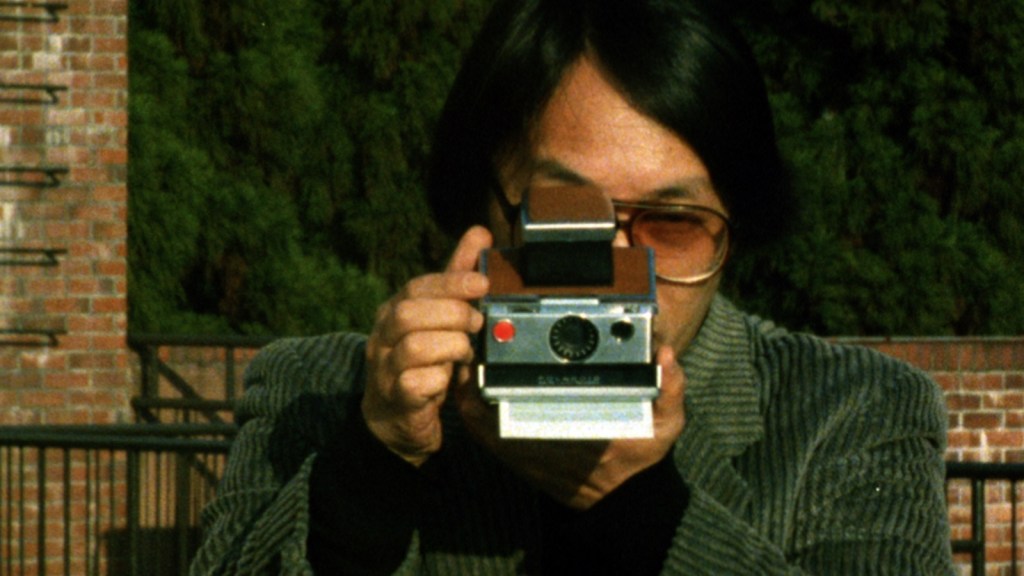
Toshio Matsumoto was a Japanese film director best known for his avant-garde and experimental style of filmmaking. His work is renowned for its innovative use of visual experimentation, non-linear narratives, and thematic exploration of identity, gender, and society. Matsumoto’s most celebrated film, Funeral Parade of Roses, stands as a landmark in Japanese cinema, blending documentary-style realism with surrealistic and experimental techniques to explore the countercultural aspects of 1960s Tokyo.
Matsumoto’s career began in the late 1950s, a period marked by rapid societal changes and cultural upheaval in Japan. He initially gained recognition for his short films and experimental works, which pushed the boundaries of traditional cinema. These early projects established Matsumoto as a leading figure in Japan’s avant-garde art scene, blending the influences of Western experimental cinema with the unique sensibilities of Japanese art and culture. By the 1960s, he had become a prominent voice in challenging conventional norms and exploring complex themes through his work. Funeral Parade of Roses was a defining moment in his career, garnering international attention for its bold narrative and visual style and cementing Matsumoto’s reputation as an innovative filmmaker.
Matsumoto’s films seek to challenge and dissect conventional storytelling and cinematography. His work frequently incorporates elements of Japanese traditional culture, juxtaposed with modern or futuristic themes, to craft stories that are both timeless and reflective of the societal shifts occurring during his active years. The director is not afraid to utilise shocking imagery or unconventional narrative devices to engage the audience, requiring viewers to immerse themselves deeply into the psyches of the characters and the films’ complex, multifaceted storylines.
His films often tackle themes of identity, sexuality, and the human psyche, revealing a deep and nuanced understanding of the human condition. These themes are not presented straightforwardly; instead, they are woven intricately into the fabric of his storytelling, requiring viewers to engage with the films on a more profound level to truly appreciate their depth and complexity. Furthermore, Matsumoto’s use of colour, framing, and editing is pioneering, contributing to a body of work that is as visually stunning as it is thought-provoking. Each film is a carefully crafted piece of art, demanding attention and respect for the subtle, and sometimes not so subtle, commentary on society and humanity contained within its frames.
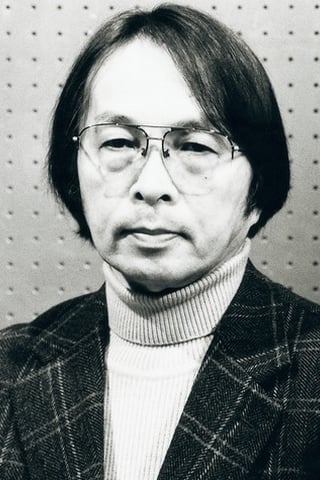
Toshio Matsumoto (1932 – 2017)
Calculated Films:
- Funeral Parade of Roses (1969)
- Demons (1971)
Similar Filmmakers
- Akio Jissoji
- Gakuryū Ishii
- Hiroshi Teshigahara
- Kaneto Shindo
- Koji Wakamatsu
- Makoto Shinozaki
- Shuji Terayama
- Sion Sono
- Susumu Hani
- Takahiko Iimura
- Takashi Ishii
- Yoshishige Yoshida

Toshio Matsumoto’s Top Films Ranked
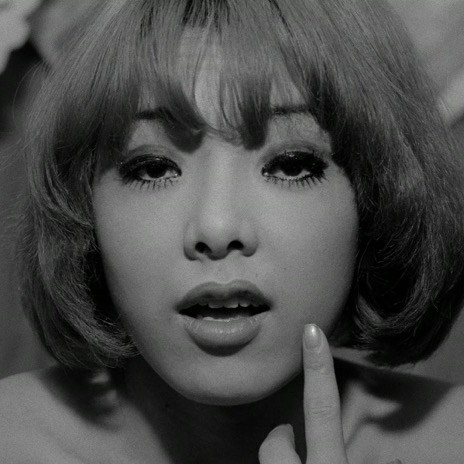
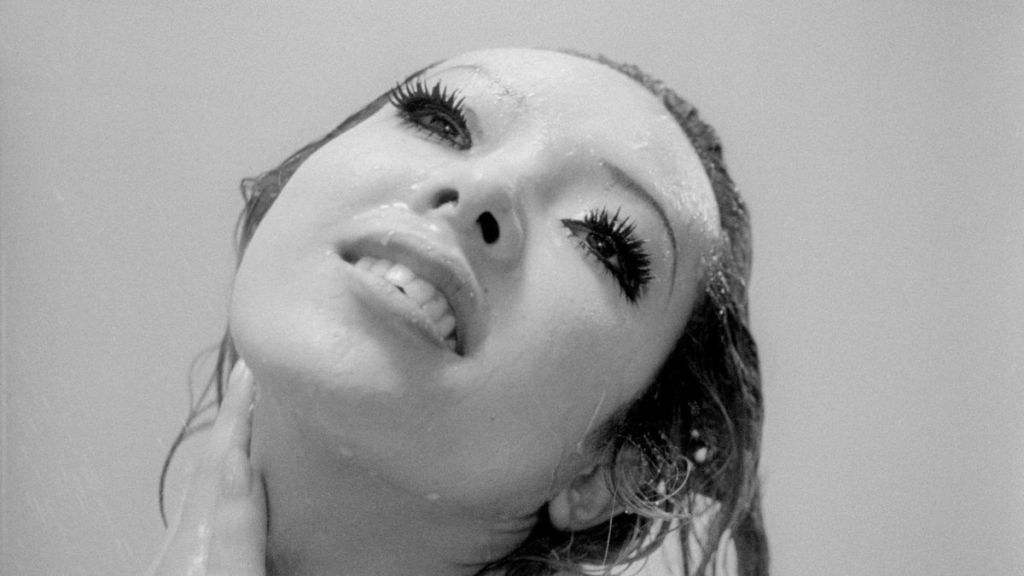
1. Funeral Parade of Roses (1969)
Genre: Psychological Drama, Queer Cinema, Postmodernism
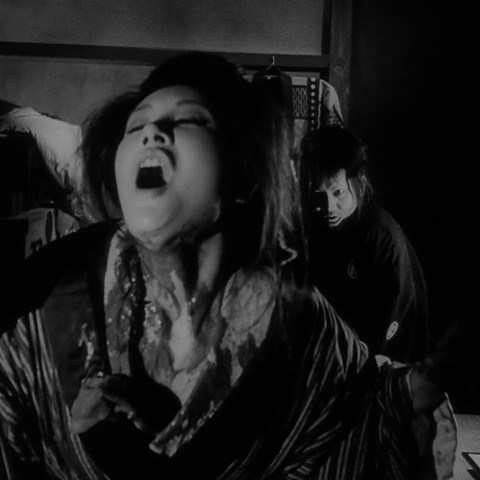
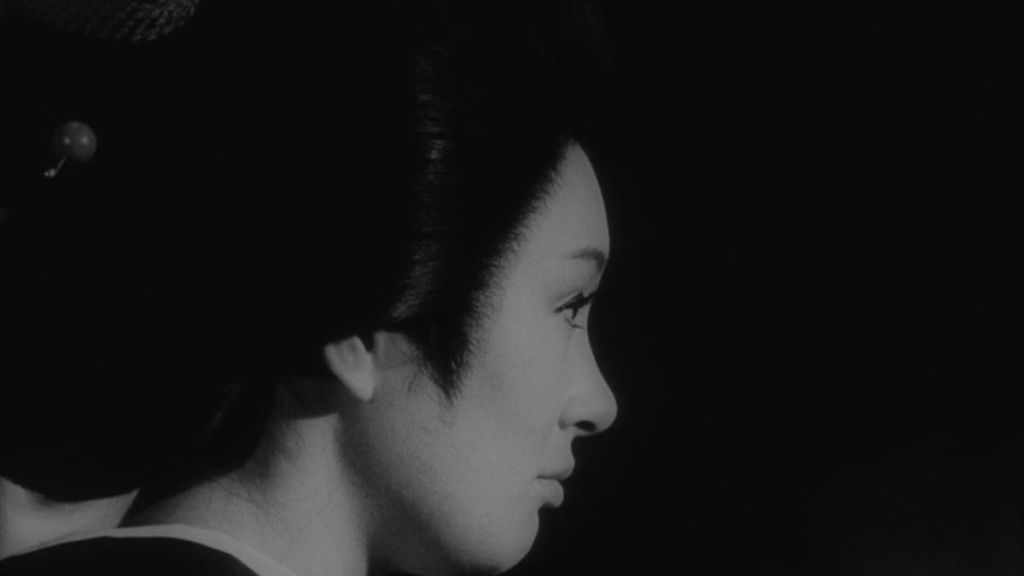
2. Demons (1971)
Genre: Jidaigeki, Psychological Drama, Tragedy
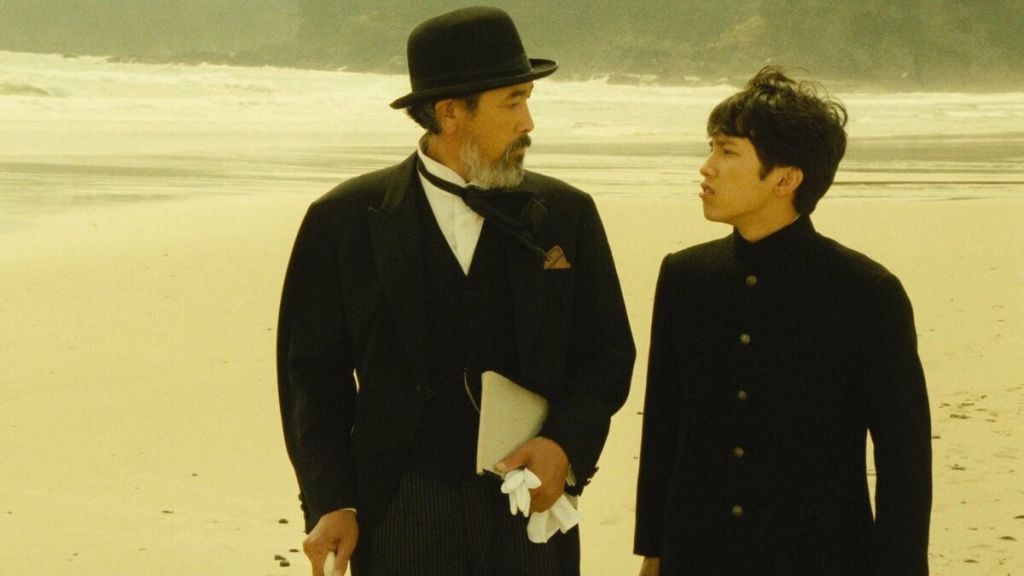
3. Dogura Magura (1988)
Genre: Psychological Horror, Psychological Drama, Mystery
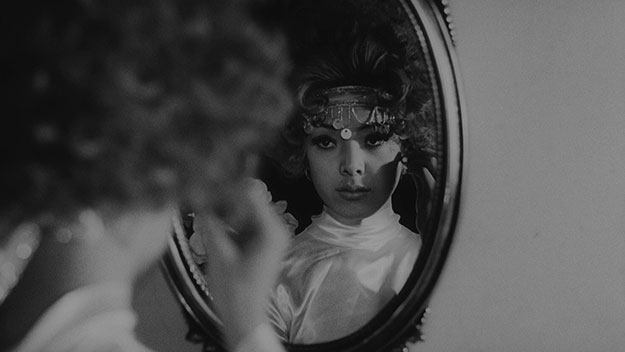
4. The War of the 16 Year Olds (1973)
Genre: Drama, Romance

Toshio Matsumoto: Themes and Style
Themes:
- Subversion of Traditional Norms: Matsumoto was known for challenging and subverting traditional social and sexual norms. His films often explore themes of identity, gender, and sexuality, providing a critical lens through which audiences can reconsider established cultural practices and expectations.
- Visual Exploration of the Psyche: Deeply psychological, his works delve into the human mind, exploring the complexities and intricacies of psychological states and emotional experiences.
- Socio-political Commentary: Matsumoto’s films often engage with broader socio-political themes, reflecting on the turbulent political climate and social changes occurring in Japan and globally during his active years.
Styles:
- Avant-Garde Techniques: Matsumoto embraced a variety of avant-garde film techniques. He incorporated elements of documentary, experimental film, and traditional narrative cinema, creating a unique and often disorienting viewing experience.
- Visual Experimentation: With a background in visual arts, he was deeply committed to exploring the possibilities of visual expression within film. This included the use of vibrant colours, innovative camera work, and the integration of various media and formats into his movies.
- Non-linear Narratives: He often employed non-linear and fragmented narrative structures. This style allowed for a complex, multifaceted exploration of his themes, demanding active engagement and interpretation from the audience.
- Juxtaposition and Montage: Montage played a crucial role in his films. He skillfully juxtaposed images and sequences, creating a sense of dislocation and surrealism while eliciting strong emotional and intellectual reactions from viewers.
Directorial Signature:
- Interdisciplinary Approach: Matsumoto’s works are characterised by a multidisciplinary approach to filmmaking, drawing inspiration from visual arts, literature, psychology, and political theory. This intertextual style creates a rich tapestry of references and meanings within his films.
- Experimental Soundscapes: The filmmaker paid careful attention to the auditory aspects of his films, crafting experimental soundscapes that complemented and enhanced the visual elements of his works. This focus on sound design contributed to the immersive and often disconcerting atmosphere characteristic of his films.
- Intellectual Provocation: Matsumoto’s films are intellectually challenging, requiring audiences to engage actively with the material. He aimed not merely to entertain but to provoke thought, stimulate reflection, and encourage critical discussions among viewers.
- Intensive Focus on Identity: The constant exploration and deconstruction of identity, both individual and collective, form a significant part of his directorial signature. Through his avant-garde lens, viewers are invited to question and reflect on the nature of self and society, navigating the blurred boundaries between the two.
Toshio Matsumoto – Great Director


 Bronze Screen Dream