
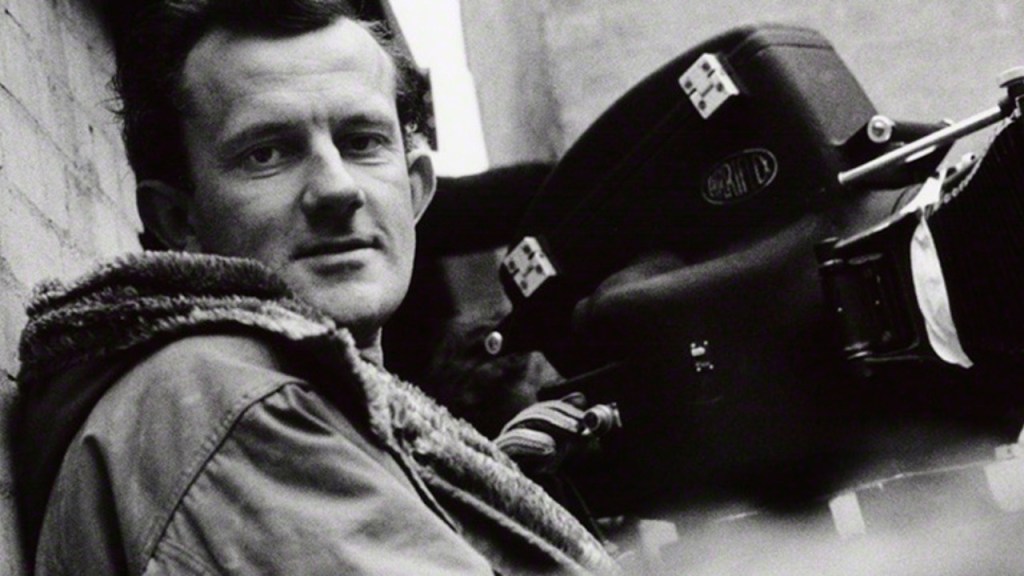
Tony Richardson was a British film and theatre director best known for spearheading the British New Wave with films that tackled societal issues and class distinctions in the 1960s. His most notable works include Look Back in Anger, The Loneliness of the Long Distance Runner, and the Academy Award-winning Tom Jones.
His films often depicted the struggles of working-class individuals, confronting the entrenched class structures and rigid societal norms of the time. For instance, in The Loneliness of the Long Distance Runner, the protagonist is a rebellious youth from a working-class background who uses long-distance running as a means of self-expression and escape from the constraints of his environment. Similarly, A Taste of Honey offers a poignant portrayal of a young woman navigating issues of race, class, and sexuality in a conservative society.
While his style evolved throughout his career, he often employed a mix of documentary-like realism and innovative techniques to enhance the narrative’s emotional resonance. His approach to storytelling was character-driven, with a focus on internal conflicts and individualistic rebellion against societal constraints. This emphasis on character can be seen in films like Tom Jones, where Richardson deviates from the traditional historical drama to present a more playful, character-centric narrative.

Tony Richardson (1928 – 1991)
Calculated Films:
- The Loneliness of the Long Distance Runner (1962)
Similar Filmmakers


Tony Richardson’s Top 5 Films Ranked
1. The Loneliness of the Long Distance Runner (1962)
Genre: Coming-of-Age, Kitchen Sink Realism, Sports

2. Mademoiselle (1966)
Genre: Psychological Drama

3. A Taste of Honey (1961)
Genre: Kitchen Sink Realism, Coming-of-Age

4. The Entertainer (1960)
Genre: Drama, Kitchen Sink Realism

5. Look Back In Anger (1959)
Genre: Kitchen Sink Realism

Tony Richardson: Themes and Style
Themes:
- Social Realism and Class Disparities: Many of Richardson’s films, especially his early works, delve deep into the British class system, exposing the struggles and aspirations of the working class.
- Sexual and Personal Freedom: Richardson’s films often feature protagonists breaking away from societal norms and expectations, especially regarding sexuality and personal choices.
- Youth Rebellion and Disillusionment: Characters in his films, such as in The Loneliness of the Long Distance Runner and Look Back in Anger, often exhibit a sense of rebellion against established systems and authorities.
- Historical and Biographical Subjects: Later in his career, Richardson explored historical figures and events, as seen in films like Tom Jones and The Charge of the Light Brigade.
Styles:
- Cinematic Realism: Adopting techniques from the British New Wave movement, Richardson’s films often employed a realistic, gritty visual style, capturing the raw emotions and settings of the story.
- Innovative Editing: Especially in films like Tom Jones, Richardson utilised rapid cuts, freeze frames, and other innovative editing techniques to create a unique narrative rhythm.
- Use of Location Shooting: Richardson often shot on location, lending his films an authentic atmosphere and grounding them in real, tangible settings.
- Collaboration with Key Playwrights: He frequently collaborated with significant playwrights of his time, including John Osborne, to bring contemporary stage plays to the big screen.
Directorial Signature:
- Intense Character Focus: Whether dealing with a historical epic or an intimate drama, Richardson had a knack for creating deeply developed characters, allowing audiences to feel a profound connection with them.
- Adaptation of Stage to Screen: With his background in theatre, Richardson had a unique ability to adapt plays for cinema, managing to maintain the essence of the original work while making it accessible to a broader audience.
- Social Commentary: Richardson’s films often served as a mirror to British society, highlighting its flaws, challenges, and changing dynamics. His films were not just stories but commentaries on the times in which they were set.
Tony Richardson – Great Director



 Bronze Screen Dream