

Tom Hooper is an acclaimed British film and television director best known for his visually stunning and emotionally powerful works. His films often explore historical events, personal struggles, and the human condition, captivating audiences with their gripping narratives and outstanding performances.
Throughout his career, Hooper has demonstrated his versatility as a director, tackling a wide range of genres and subjects. He first gained recognition for his work on the HBO miniseries Elizabeth I, which earned him an Emmy Award for Outstanding Directing. Hooper’s breakout film, The King’s Speech, won numerous accolades, including the Academy Award for Best Picture and Best Director. He followed this success with the critically acclaimed musical Les Misérables, showcasing his ability to adapt stage productions for the big screen.
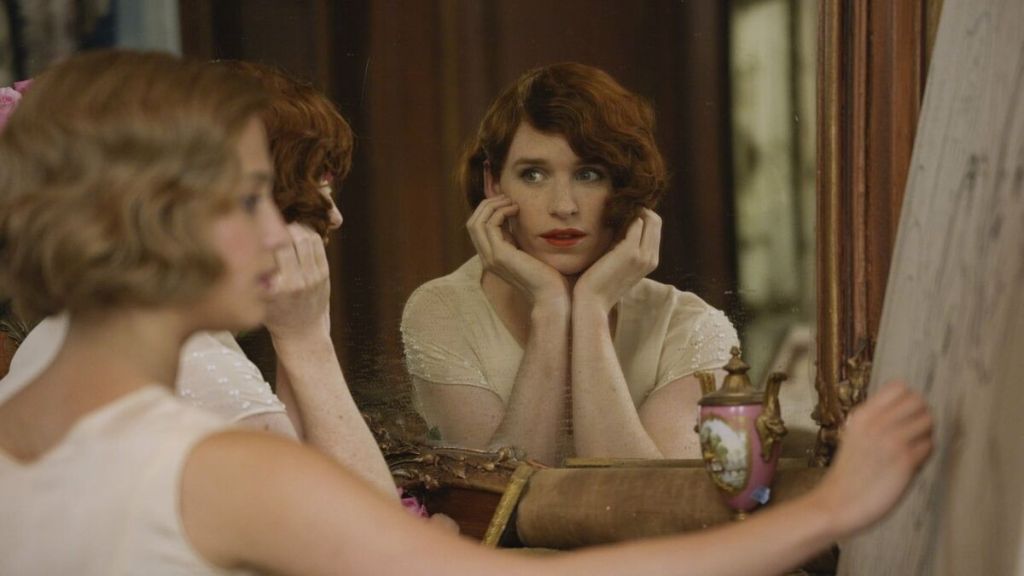
Hooper’s films often explore the complexities of human relationships, particularly the struggles of individuals facing adversity. In The King’s Speech, he explores the friendship between King George VI and his speech therapist, highlighting the power of trust and perseverance. Similarly, The Danish Girl examines the intimate relationship between a transgender woman and her supportive wife, showcasing the challenges and triumphs of their journey. Hooper’s ability to capture the emotional depth of his characters is a hallmark of his directing style.
Visually, Hooper’s films are known for their meticulous attention to detail and striking cinematography. He often employs close-up shots to convey the inner turmoil and emotions of his characters, creating a sense of intimacy between the audience and the story. In Les Misérables, Hooper’s innovative use of live singing during filming added a layer of authenticity to the performances.
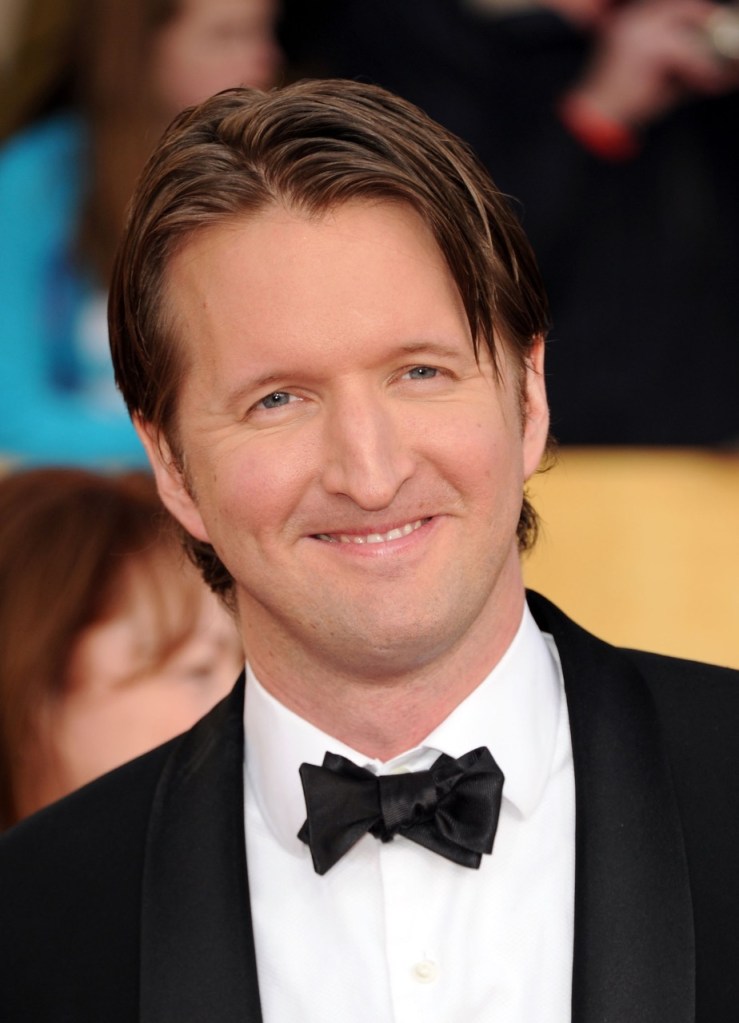
Tom Hooper (1972 –)
Calculated Films:
- Longford (2006)
- The Damned United (2009)
- The King’s Speech (2010)
Similar Filmmakers
- Anthony Minghella
- Cary Fukunaga
- Danny Boyle
- Dominic Cooke
- James Ivory
- James Kent
- James Marsh
- Jean-Marc Vallee
- Joe Wright
- John Crowley
- Julian Jarrold
- Kenneth Branagh
- Ridley Scott
- Rob Marshall
- Ron Howard
- Sam Mendes
- Stephen Daldry
- Stephen Frears


Tom Hooper’s Top 5 Films Ranked
1. The King’s Speech (2010)
Genre: Period Drama, Biographical

2. The Damned United (2009)
Genre: Biographical, Sports, Drama

3. Les Miserables (2012)
Genre: Musical, Period Drama, Epic, Melodrama

4. Longford (2006)
Genre: Biographical, Drama

5. The Danish Girl (2015)
Genre: Biographical, Period Drama, LGBTQ
Tom Hooper: Themes and Style
Themes:
- Human Struggles and Triumphs: Tom Hooper often explores the depth of human emotion and resilience. In The King’s Speech, he delves into the personal struggles of King George VI, portraying a poignant journey of overcoming a speech impediment amidst the heavy responsibilities of monarchy.
- Historical and Societal Contexts: Hooper’s films frequently reflect significant historical events and their impact on individuals and society. Les Misérables illustrates the struggles of its characters against the backdrop of post-revolutionary France, emphasising themes of justice, redemption, and social inequality.
- Identity and Transformation: Central to Hooper’s work is the exploration of personal identity and transformation. The Danish Girl tells the groundbreaking story of Lili Elbe, one of the first known recipients of gender reassignment surgery, highlighting themes of self-discovery and the complexities of identity.
- Power Dynamics and Leadership: Hooper often scrutinises the nuances of power, leadership, and their ethical implications. In The King’s Speech, the director examines the reluctant ascent to leadership of King George VI, showcasing the personal challenges that accompany public duty and the weight of expectation.
Styles:
- Visual Storytelling: Hooper utilises distinctive visual styles to enhance narrative depth. His use of wide-angle shots and unconventional camera angles in The King’s Speech visually isolates characters, emphasising their personal struggles and internal isolation against the wider historical and social landscape.
- Period Authenticity: A hallmark of Hooper’s style is his meticulous attention to historical detail and authenticity. In Les Misérables, the sets, costumes, and props are painstakingly accurate to 19th-century France, immersing the viewer in the period and enhancing the storytelling.
- Intimate Character Focus: Hooper often employs tight close-ups and intimate framing to draw viewers closer to the characters’ emotional experiences. This technique fosters a deep connection with the characters, as seen in The Danish Girl, where close-ups capture the subtle expressions and emotional transitions of the protagonists.
- Musical Integration: In musicals like Les Misérables, Hooper integrates music seamlessly into the narrative, using it for character development. His innovative approach to recording live singing on set adds a layer of authenticity and emotional intensity to the performances.
Directorial Signature:
- Emotionally Charged Performances: Hooper has a knack for drawing out deeply emotional and award-winning performances from his actors. His direction in The King’s Speech earned Colin Firth an Oscar for Best Actor, highlighting Hooper’s ability to guide actors in portraying complex emotional landscapes.
- Historical and Biographical Narratives: A signature aspect of Hooper’s directorial style is his gravitation towards historical and biographical films that tell compelling stories of real individuals and events, as seen in The King’s Speech and The Danish Girl.
- Sweeping Cinematic Scope: Hooper’s films are characterised by their grand scale and sweeping cinematic scope, often set against the backdrop of significant historical events.
Tom Hooper – Great Director



 Bronze Screen Dream