

Tod Browning was an American film director best known for his distinctive contributions to the horror genre in the early decades of Hollywood cinema. His filmography includes numerous films that have left a notable mark on the genre, notably Dracula and Freaks. Browning’s fascination with the macabre, carnival culture and societal outsiders shaped his cinematic oeuvre and placed him in a unique niche within Hollywood’s Golden Age.
Browning’s films often explore themes of the uncanny, the monstrous, and the dispossessed, giving a voice to characters often shunned in mainstream society. This is most evident in Freaks, which features actual sideshow performers, portraying them not as mere curiosities but as complex, sympathetic individuals. Browning’s work often displays a subversion of societal norms and a focus on moral ambiguity. However, his transition to “talkies” was fraught with difficulties, and the controversy generated by Freaks was a significant setback in his career. Despite this, his knack for creating atmospheric tension, complex characters, and an undercurrent of social commentary makes his films enduring horror genre classics.
Browning’s style is characterised by atmospheric settings, shadowy lighting, and a penchant for the gothic, as exemplified in Dracula. His use of unsettling visual elements and eerie mise-en-scène created a sense of dread and suspense that was innovative for its time. Browning’s approach towards cinema, favouring psychological horror over overt spectacle, was a major influence on the evolution of the horror genre. His influence is evident in the work of many subsequent horror directors who have drawn upon Browning’s themes and visual style.

Tod Browning (1880 – 1962)
Calculated Films:
- The Unknown (1927)
- Dracula (1931)
- Freaks (1932)
Similar Filmmakers
- Arthur Robison
- Edgar G. Ulmer
- Erle C. Kenton
- F. W. Murnau
- George Waggner
- Jacques Tourneur
- James Whale
- Jean Yarbrough
- Karl Freund
- Mario Bava
- Maurice Tourneur
- Paul Leni
- Robert Florey
- Robert Wiene
- Roger Corman
- Roy William Neill
- Terence Fisher
- Tim Burton

Tod Browning’s Top 5 Films Ranked
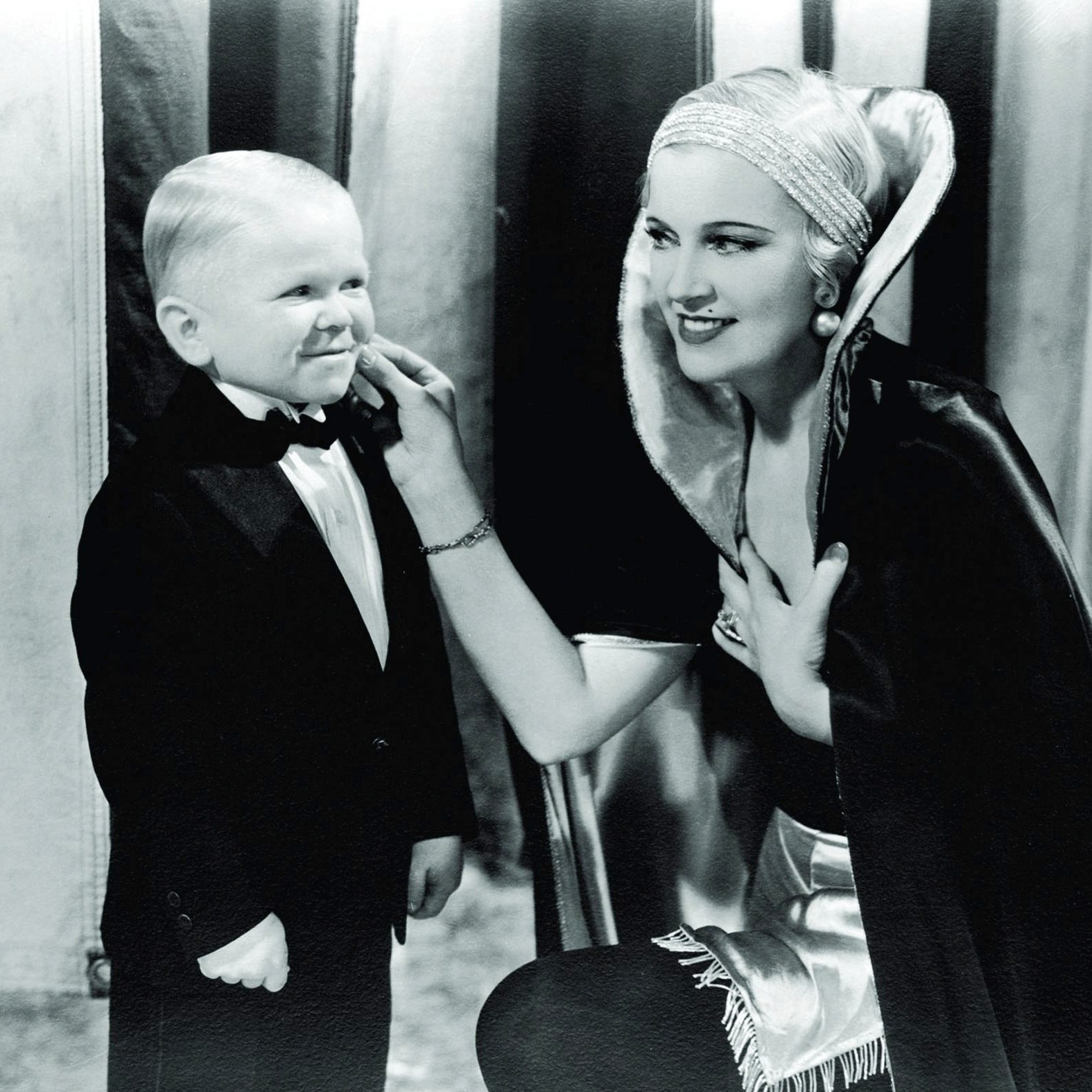
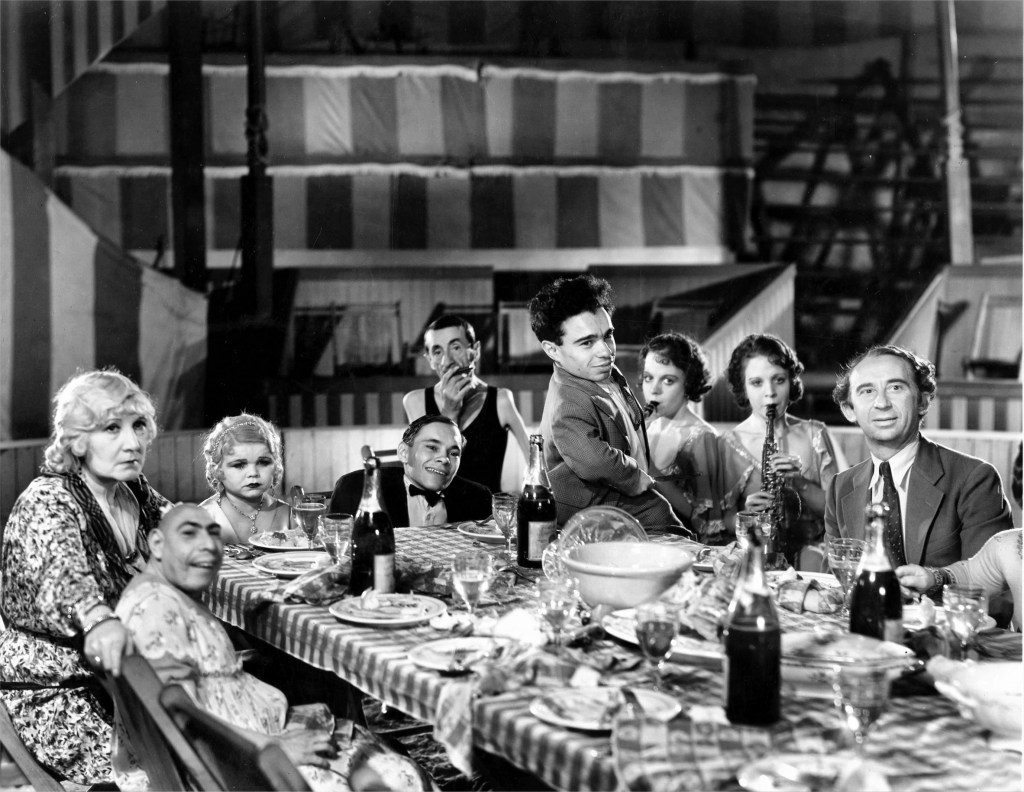
1. Freaks (1932)
Genre: Drama
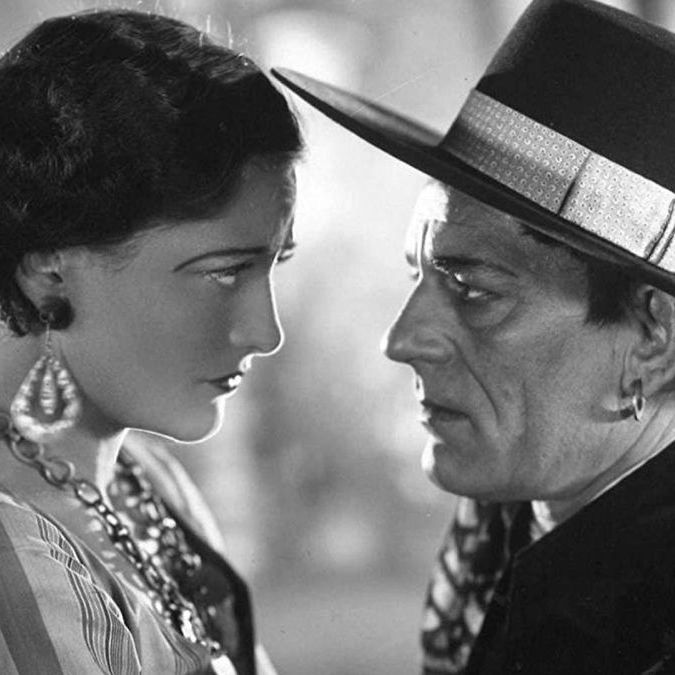
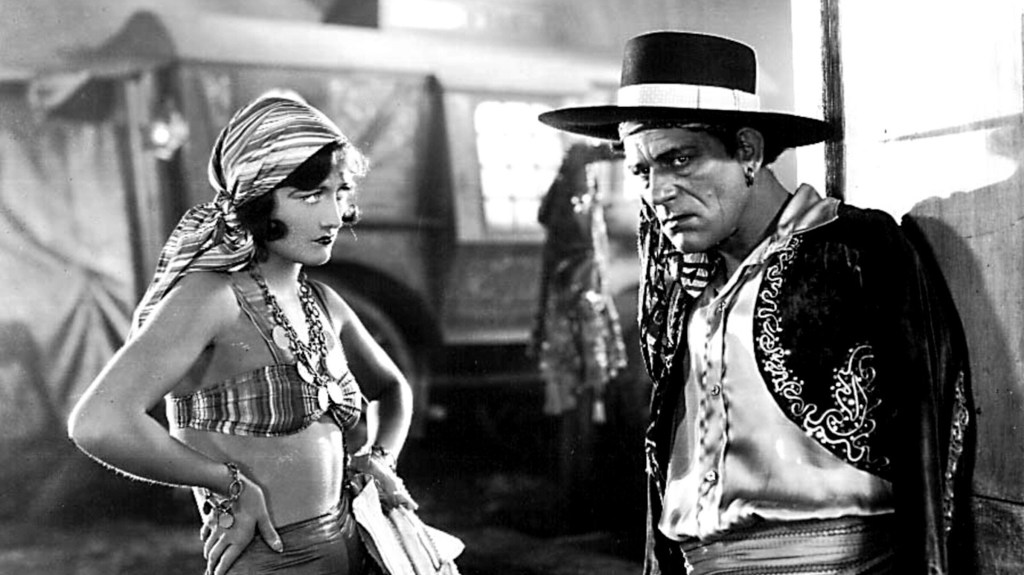
2. The Unknown (1927)
Genre: Romance, Melodrama, Horror
3. Dracula (1931)
Genre: Vampire, Gothic Horror
4. West of Zanzibar (1928)
Genre: Melodrama

5. The Unholy Three (1925)
Genre: Crime, Drama, Thriller
Tod Browning – Hollywood’s First Horror Master
Tod Browning – a name synonymous with the darker corridors of the human mind, a filmmaker whose unique journey brought the macabre to the silver screen in a way that both shocked and enthralled audiences. Born Charles Albert Browning in Louisville, Kentucky, on July 12, 1880, Browning’s life was anything but ordinary, a twisted road that led him to the shadowy realms of Hollywood’s early era.
From a young age, Browning was curious about the bizarre, and the allure of the carnival world beckoned him. Running away to join the circus as a teenager, Browning immersed himself in an environment that many would find both grotesque and fascinating. He learned the art of performance, sharpened his eye for the absurd, and built a reservoir of ideas that would later blossom into his distinct cinematic vision.
Browning’s early years in Hollywood were all about persistence. He wore multiple hats – an actor, a writer, and then finally found his true calling as a director. His apprenticeship under the legendary D.W. Griffith shaped his unique approach.
Hollywood’s First Weirdo
His first foray into directing, The Lucky Transfer, hinted at his affinity for the unconventional, but it was The Wicked Darling, where his collaboration with Lon Chaney began, that his signature style began to emerge. The partnership with Chaney, an actor known for his transformative abilities, would prove to be one of the most productive in Hollywood, resulting in masterpieces like The Unholy Three and The Unknown.
This period of collaboration was a crucible for Browning’s creativity, where he honed his craft and laid the foundation for the groundbreaking work that lay ahead. His focus on flawed characters, moral ambiguity, and themes that other filmmakers would shy away from giving his films a raw intensity that resonated with audiences.
Browning’s cinema had no room for black-and-white morality, only shades of grey. Whether it was the deceptive allure of a criminal in Outside the Law or the tragic figure of a mutilated man in The Penalty, Browning was unafraid to explore human complexities, peeling back layers of normalcy to reveal the darkness lurking beneath.
This fearless approach to storytelling made Browning a unique figure in the new world of Hollywood, a director who was unafraid to question societal norms and present characters that were both unsettling and strangely human.
Entering the 1930s
Tod Browning’s curiosity led him to uncharted territories, and the 1930s would see him continue pushing the boundaries of conventional filmmaking. It was a period when Browning dared to bring the grotesque to mainstream cinema and, in doing so, redefined what was considered acceptable.
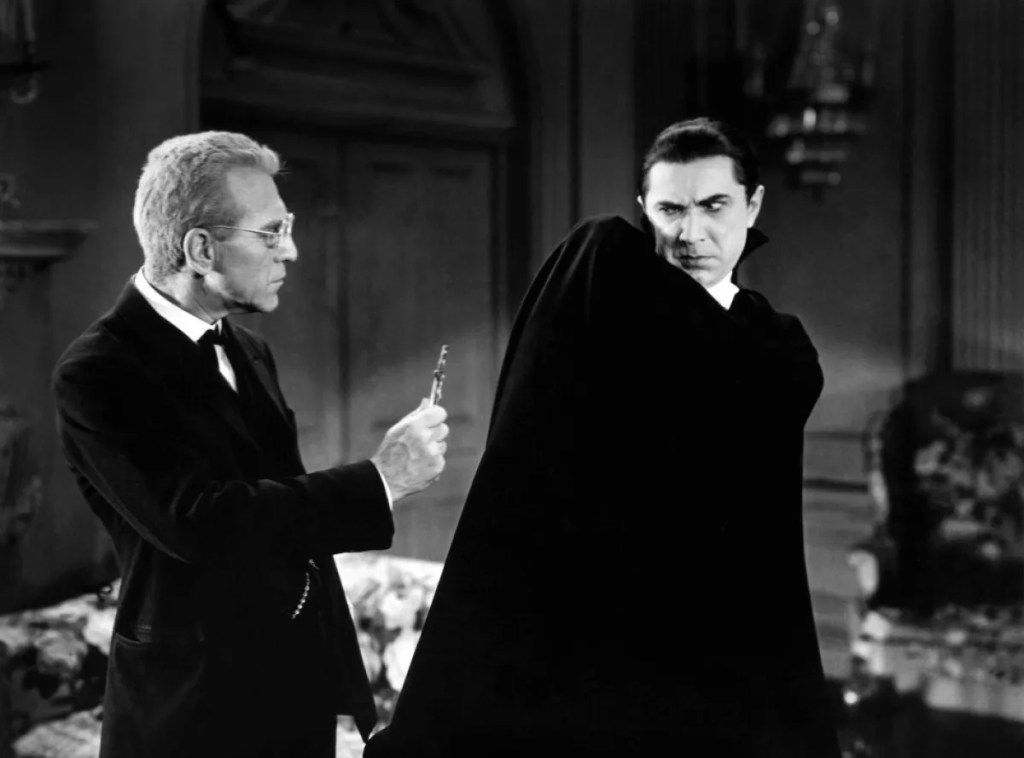
Dracula, his adaptation of Bram Stoker’s novel, was a landmark in horror cinema. With Bela Lugosi’s unforgettable portrayal of the titular vampire, Browning infused the film with a haunting atmosphere, turning a gothic tale into a cinematic experience that still sends shivers.
But it was Freaks that truly epitomised Browning’s fearless creativity. Casting real-life circus performers with physical deformities, Freaks was a fascinating and gut-wrenching film. Browning’s portrayal of these individuals was sympathetic yet unflinching, jarringly different from any other movie of its era. The film’s controversial nature led to censorship and public outcry, but it has become known as the archetypal Browning movie.
This period was also marked by experimentation with different genres. While horror remained Browning’s forte, he ventured into mystery and suspense with films like The Devil-Doll and Miracles for Sale. These films blended Browning’s macabre sensibilities and a desire to explore new narrative techniques.
However, the audacity that made Browning’s films so compelling was also the source of his downfall. The controversy surrounding Freaks and the mixed reception of his later works led to a decline in his career. Once enamoured with his dark vision, Hollywood began to distance itself from the man who had challenged its norms.
But even in this twilight phase, Browning’s passion for storytelling never dimmed. He continued to create his films, a reflection of a mind that never stopped probing or questioning. He made his final film in 1939, Miracles for Sale.
1939: The End of Browning
The abrupt halt to Tod Browning’s directorial career in 1939 was a complex interplay of factors traced back to his audacious choices in his films, especially Freaks. The controversial nature of the film led to public outcry and studio apprehension. The changing landscape of Hollywood, which was leaning towards more sanitised and mainstream content, made Browning’s dark and unconventional storytelling less appealing to producers.
After releasing Miracles for Sale, Browning found securing backing for new projects increasingly difficult. The offers dried up, and the industry seemed to move on without him. However, Browning’s departure from filmmaking was not a bitter retreat but rather a conscious step away from a world that had shifted its values.
He returned to his hometown of Louisville, Kentucky, living far away from Hollywood’s glamour and tumult. Anecdotes from this period paint a picture of a man content in solitude yet not completely severed from his past. He was known to regale visitors with tales from his circus days, sharing stories of his adventurous youth and the creative fervour that drove his unique films.
Tod Browning died on October 6, 1962, but his legacy continues to resonate. In the quiet corners of Louisville, away from the spotlight, Tod Browning found peace, but his influence continues to echo in the halls of film history, a haunting melody that refuses to fade.
Most Underrated Film
Made in an era that shaped Hollywood, The Unknown is one of Tod Browning’s most intriguing yet often overlooked masterpieces. While many film scholars and aficionados regard it as an essential piece of Browning’s filmography, it’s frequently overshadowed by other classics, such as Fritz Lang‘s Metropolis or F.W. Murnau‘s Sunrise.
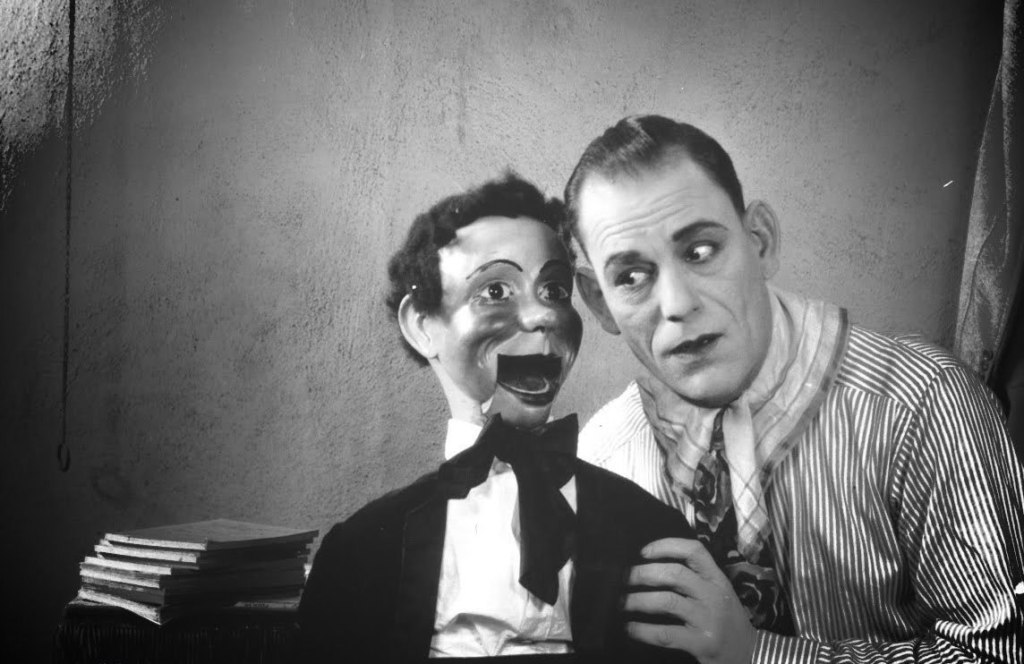
The Unknown features Lon Chaney as Alonzo, a circus performer who pretends to be armless, and Joan Crawford as Nanon, the object of Alonzo’s affection who profoundly fears men’s arms. This odd narrative sets The Unknown apart from other films of its era, delving into psychological complexities and taboo themes that few filmmakers dared to explore.
While other films of the 1920s were pushing the boundaries of technological innovation and grand spectacle, The Unknown chose a different path. Browning’s focus on the darker aspects of the human psyche, exploring obsession, identity, and physical deformity, gave the film an intensity and depth that was rare for its time.
The movie also features arguably Chaney’s best performance. The collaboration between Browning and Chaney in The Unknown represents a fusion of creative minds, both willing to take risks and explore unconventional and unsettling themes. It was a film unafraid to challenge audiences and make them think and feel in ways mainstream cinema often avoided.
Tod Browning: Themes & Styles
Themes:
- The Macabre and Grotesque: Browning’s films often explored dark and unsettling subjects, including physical deformity, madness, and the hidden recesses of human nature.
- Obsession and Identity: Themes of obsession, self-discovery, and identity crisis are common in his works, most notably in films like The Unknown.
- Moral Ambiguity: Rather than clear-cut heroes and villains, Browning’s characters often occupied a morally grey space, reflecting the complexities of human nature.
Styles:
- Visual Storytelling: Browning used atmospheric and shadowy cinematography to create a moody and intense visual experience.
- Character Development: His focus on deeply flawed and complex characters added layers of psychological depth to his films.
- Use of Realism: Browning was not afraid to depict harsh realities, as seen in Freaks, where he used real circus performers.
Directorial Signature:
- Collaboration with Lon Chaney: Browning’s work with actor Lon Chaney produced some of his most memorable films. Chaney’s transformative abilities allowed Browning to explore his most daring themes.
- Embrace of the Unconventional: From storylines to casting, Browning consistently challenged norms and expectations, bringing previously taboo subjects to the screen.
- Psychological Exploration: Browning’s films were not merely about surface-level horror or intrigue; they delved into the psychological underpinnings of characters and situations, exploring human fears and desires.
- Symphony of Shadows: Browning’s ability to craft visually striking and haunting images made his films visually unique. The use of shadows, lighting, and meticulous set design created an eerie and immersive world.
Further Reading:
Books:
Dark Carnival: The Secret World of Tod Browning, Hollywood’s Master of the Macabre by David J. Skal and Elias Savada – An in-depth biography that explores Browning’s life and films
Tod Browning’s Dracula by Gary D. Rhodes – A focused examination of Browning’s most famous film
Articles and Essays:
Tod Browning: the film-maker who brought the carnival to Hollywood by Charles Bramesco, The Guardian
How Tod Browning’s Dracula changed horror cinema forever by Adam Scovell, Little White Lies
Tod Browning, The Edgar Allan Poe Of Cinema by Silentology, Silentology
Documentary:
Tod Browning’s ‘Freaks’: The Sideshow Cinema (2002)
Tod Browning: Great Director



 Bronze Screen Dream