
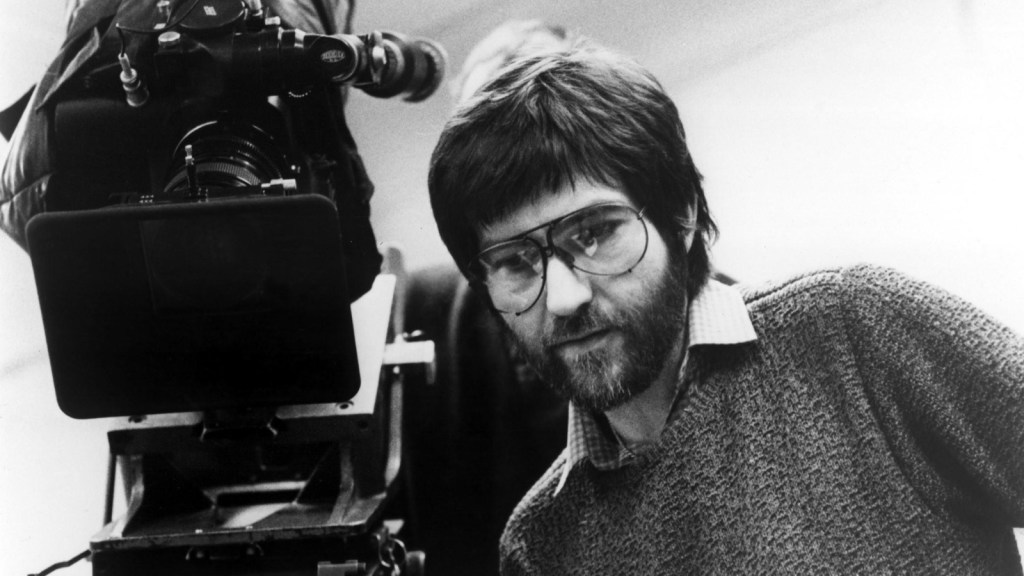
Tobe Hooper, an American director, is best known for The Texas Chainsaw Massacre, a film deeply ingrained in pop culture. Hooper’s pioneering work in the realms of slasher flicks, low-budget productions, and found footage films set new standards and carved out fresh avenues in the cinematic landscape.
The Texas Chainsaw Massacre was a radical departure from conventional horror films. Hooper packed the film with potent social commentary, using horror as a medium to probe into the intricacies of class warfare, the strangeness hidden within the American psyche, and the disintegration of the traditional nuclear family. This ability to intertwine societal critique with horror elements became a hallmark of Hooper’s filmography.
Hooper’s career, much like those of his contemporaries such as George A. Romero, Dario Argento, Stuart Gordon, and Larry Cohen, was often overshadowed by the success of his magnum opus. Critics seem disinterested in these directors’ further efforts and, in Hooper’s case, even diminish his contributions to Poltergeist, where directorial credit questions continue to linger, sparking an ongoing debate about directorial credit. However, these controversies do not diminish the impact of his work and his undeniable contributions to the genre.
Hooper had a distinct style that was both atmospheric and visceral. His films are known for their intense, dread-inducing sequences, often amplified by unconventional camera angles and the strategic use of light and shadow. Despite facing criticism and battling censorship, Hooper’s influence in filmmaking remained profound. His fearlessness in pushing boundaries, bringing gore to the forefront, and helping establish the body horror genre reshaped cinematic norms. Hooper’s work in developing Austin’s film industry and his unwavering commitment to his vision served as a beacon of inspiration for indie filmmakers worldwide. In the face of adversity, Hooper stood firm, leaving a legacy of innovation, audacity, and a unique flair for the macabre.
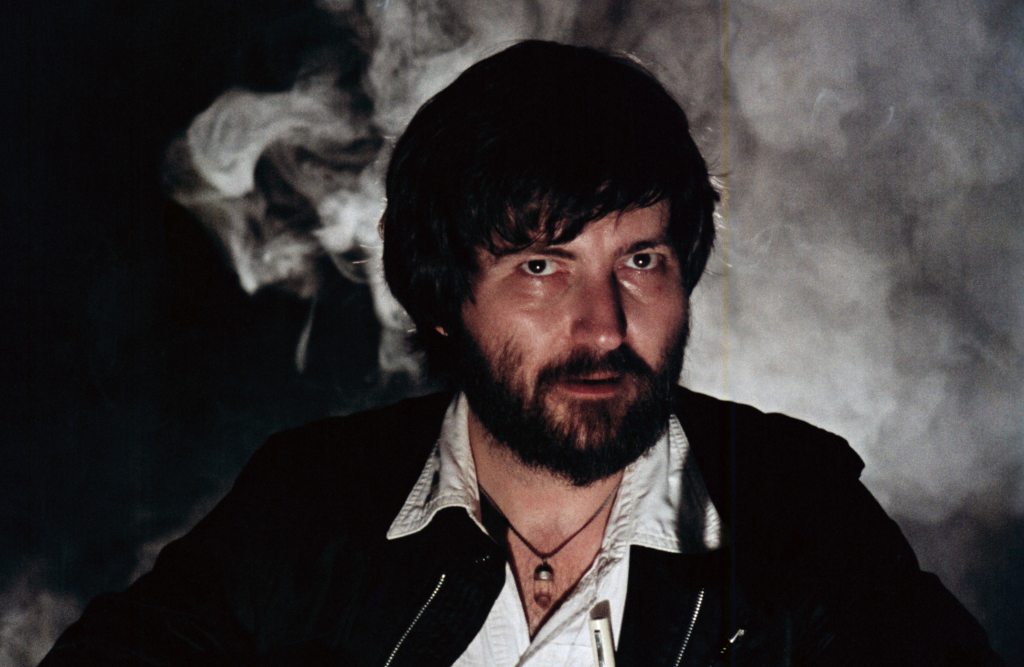
Tobe Hooper (1943 – 2017)
Calculated Films
- The Texas Chainsaw Massacre (1974)
- Poltergeist (1982)
Similar Filmmakers
- Clive Barker
- Dante Tomaselli
- Dario Argento
- David Cronenberg
- Don Coscarelli
- George A. Romero
- James Wan
- John Carpenter
- Jorg Buttergereit
- Larry Cohen
- Rob Zombie
- Sam Raimi
- Sean S. Cunningham
- Stuart Gordon
- Takashi Miike
- Ti West
- Wes Craven
- William Lustig

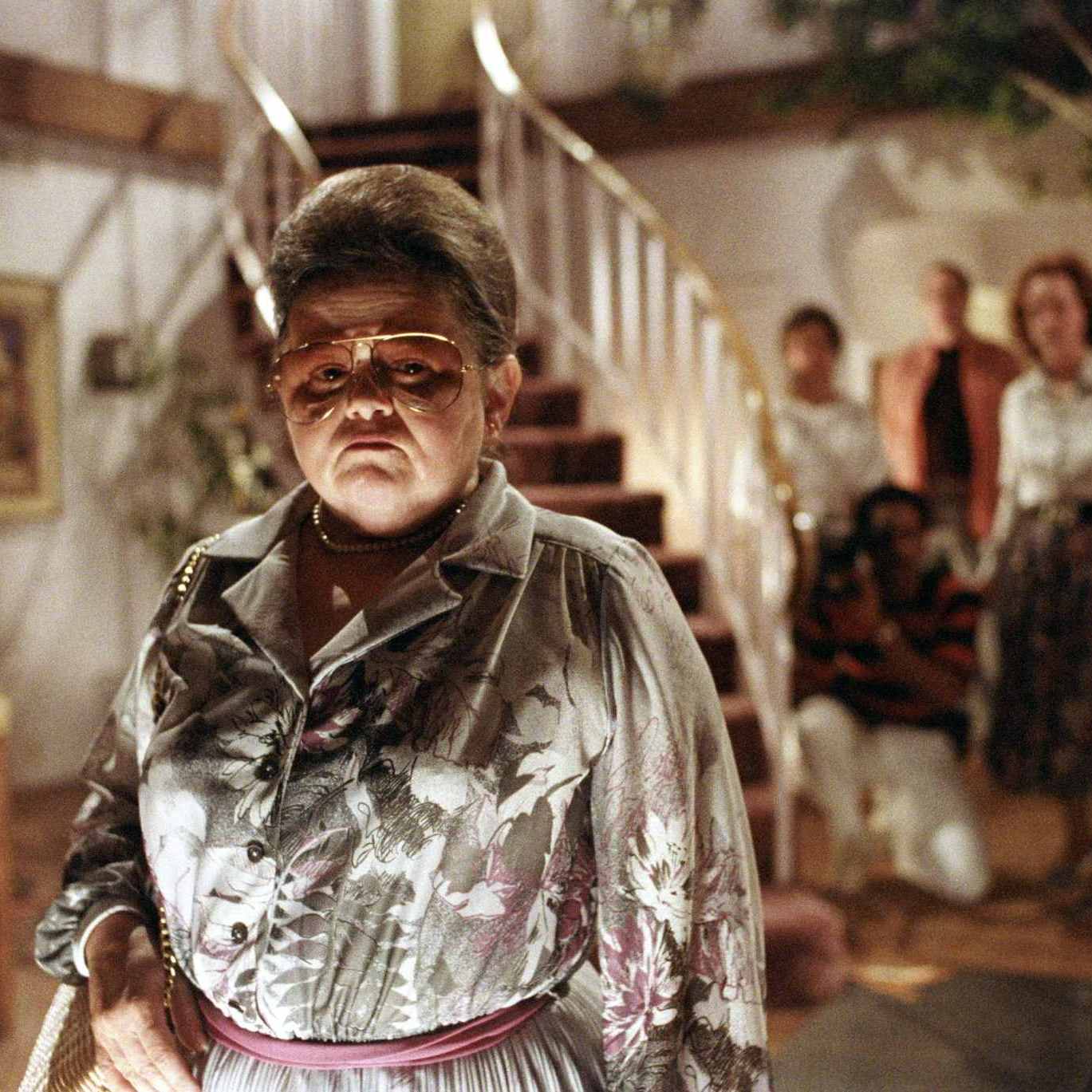
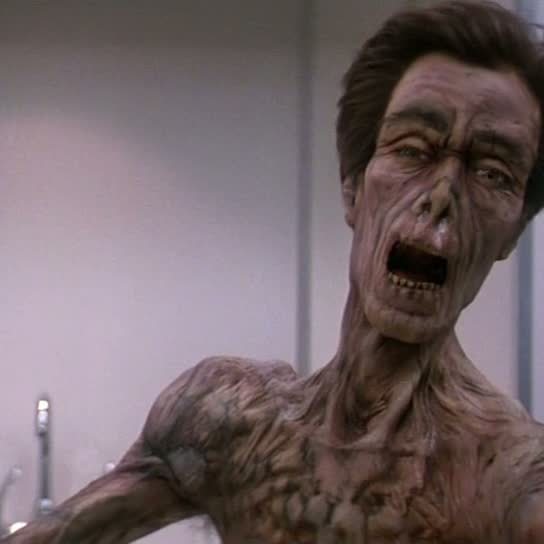
Tobe Hooper’s Top 10 Films Ranked
1. The Texas Chainsaw Massacre (1974)
Genre: Slasher, Hixploitation
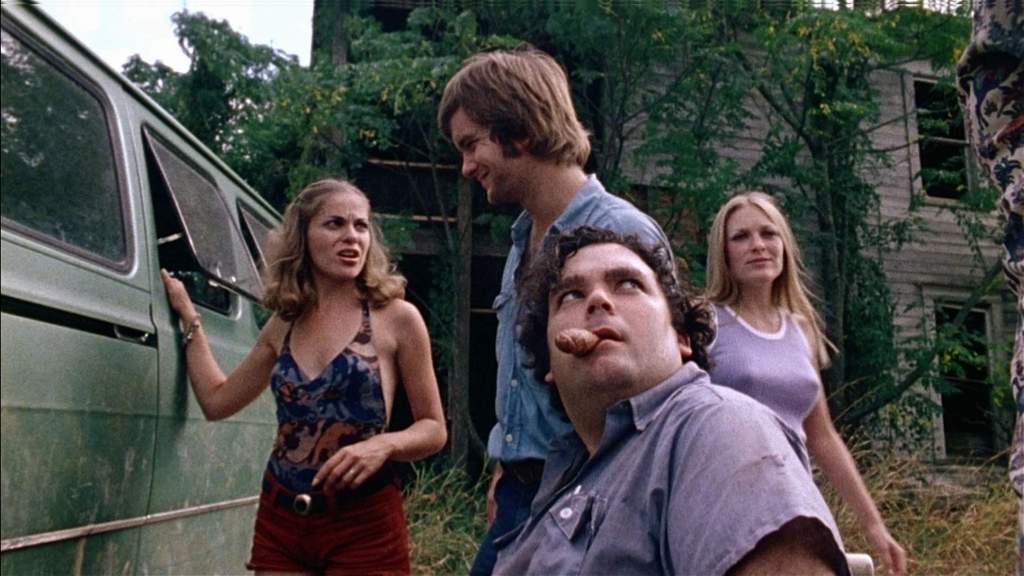
2. Poltergeist (1982)
Genre: Haunted House

3. Salem’s Lot (1979)
Genre: Vampire, Horror

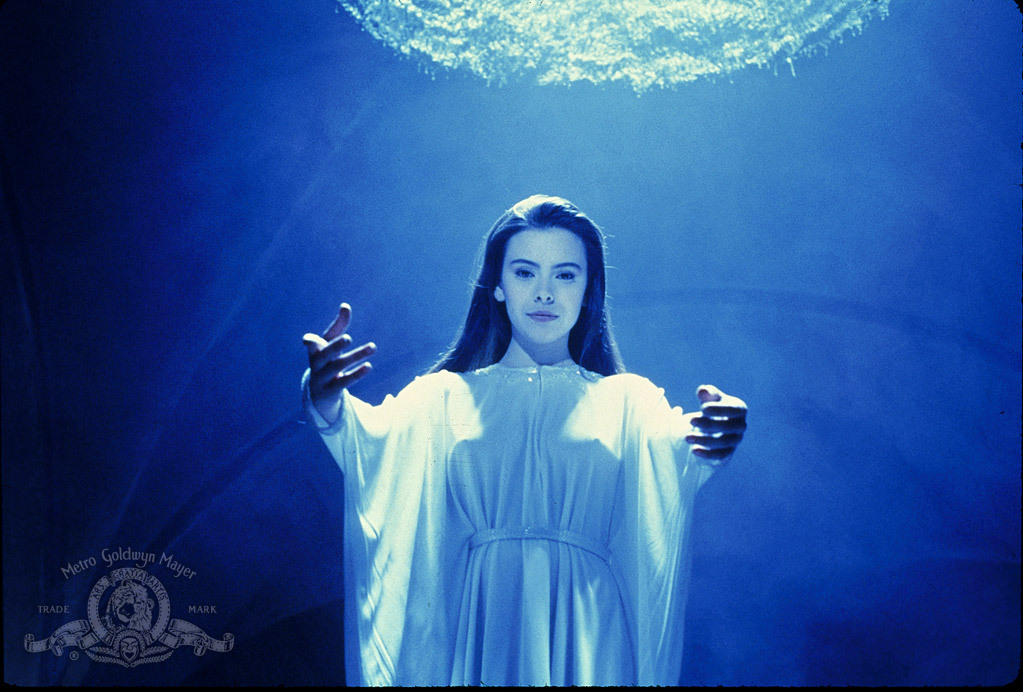
4. Lifeforce (1985)
Genre: Vampire, Sci-Fi, Cosmic Horror, Alien Invasion
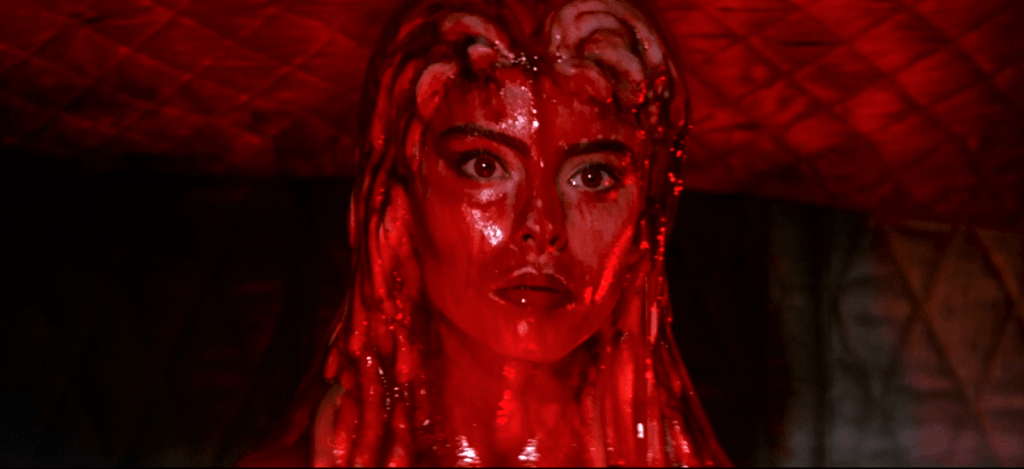
5. The Funhouse (1985)
Genre: Slasher
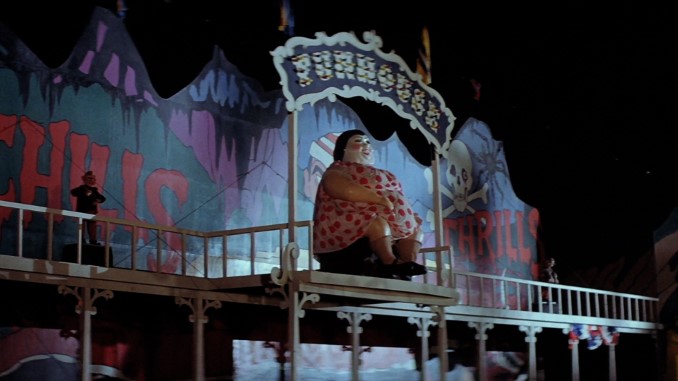
6. The Texas Chainsaw Massacre 2 (1986)
Genre: Hixploitation, Black Comedy, Cannibal, Splatter
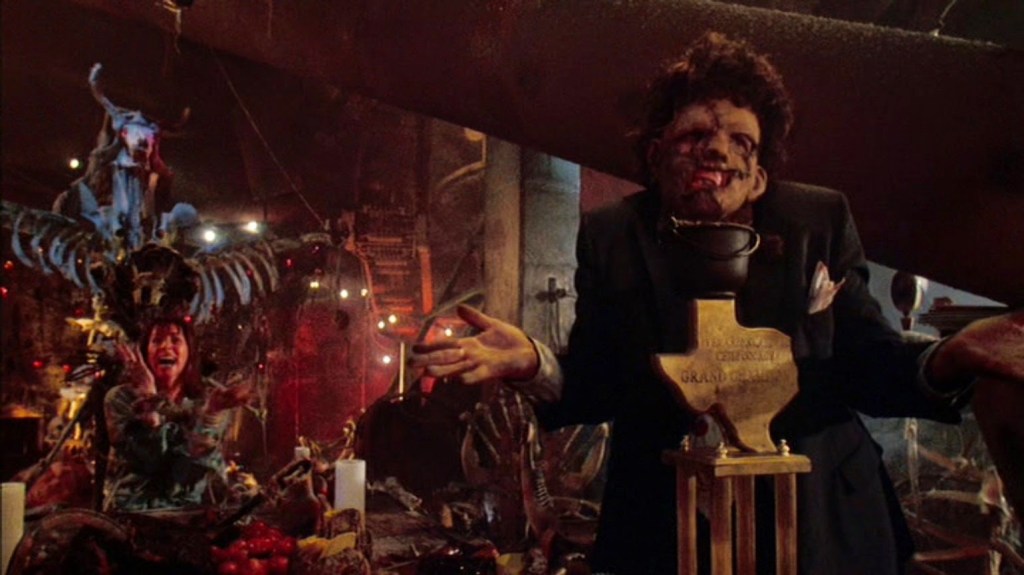
7. Eaten Alive (1976)
Genre: Hixploitation, Slasher, Horror

8. Body Bags (1993)
Genre: Horror, Anthology Film

9. Spontaneous Combustion (1990)
Genre: Body Horror, Sci-Fi
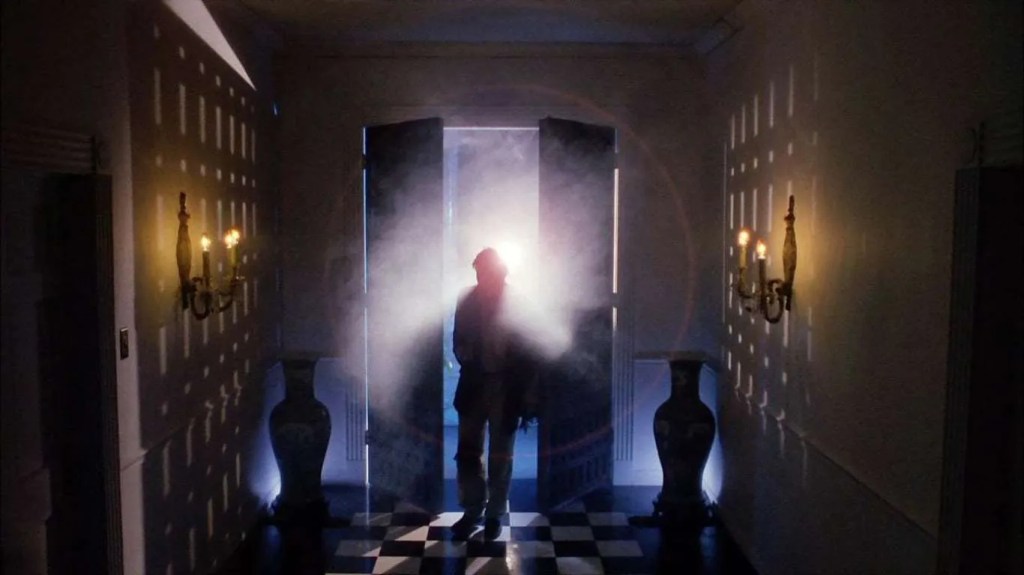
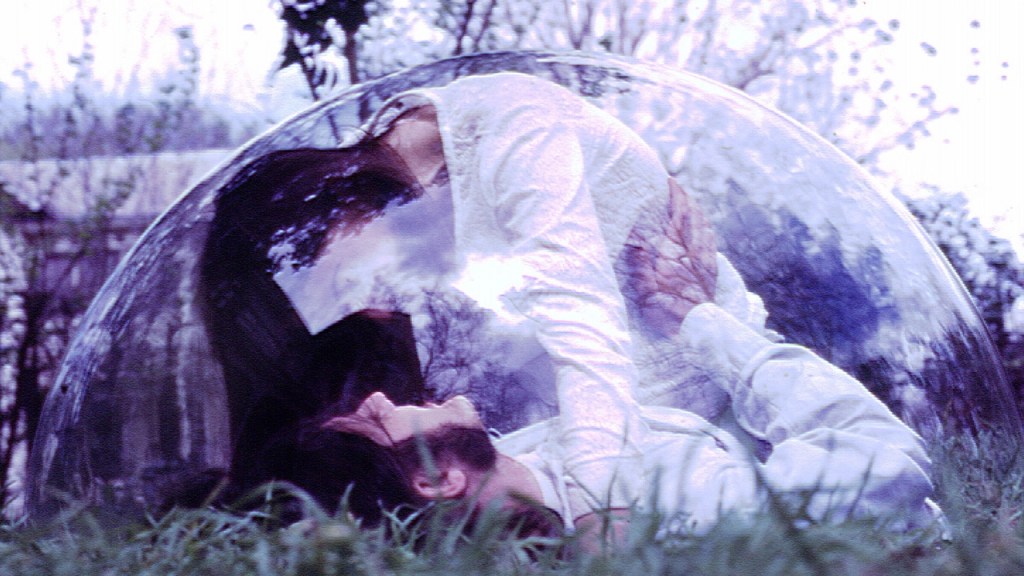
10. Eggshells (1969)
Genre: Experimental, Surrealism
Tobe Hooper: Themes and Style
Themes:
- Psychological Horror: Hooper’s films often delve into the psychological aspects of horror, inducing fear and unease through atmosphere and suggestion rather than explicit gore (though his work doesn’t shy away from the latter).
- Isolation: Many of his characters are isolated, either physically or socially, which exacerbates their vulnerability to the horrors they encounter.
- The Macabre: Themes of death, decay, and the grotesque are prevalent, providing a chilling backdrop that enhances the overall sense of dread and horror.
- Societal Critique: Hooper subtly critiques society, often highlighting its darker aspects, like the breakdown of family structures, the exploitation of the weak, and the consequences of unbridled capitalism.
Styles:
- Visual Style: Hooper’s films often use unsettling visual imagery and practical effects to create a tangible sense of horror. His visual style is gritty and raw, often using handheld cameras and naturalistic lighting to immerse audiences into the narrative.
- Atmosphere: He skillfully crafts an oppressive atmosphere, often through the use of sound design, music, and set design. The environment in his films is not merely a backdrop but an active participant in the horror.
- Characterisation: Characters in Hooper’s films are often deeply flawed, complex individuals. This depth of characterisation allows audiences to empathise with or be repulsed by them, enhancing the emotional impact of the films.
Directorial Signature:
- Building Tension: Hooper was a master of suspense, carefully building tension through pacing, framing, and sound. This slow-burn approach makes the eventual horror elements more impactful and enduring.
- Subversive Humor: Despite the grim themes, Hooper’s films often incorporate dark, subversive humour. This comedic element serves to both relieve and heighten tension, providing a unique and unsettling viewing experience.
- Unconventional Storytelling: He often subverted genre conventions and expectations with non-linear storytelling and ambiguous resolutions, leaving audiences unsettled and contemplative.
- Practical Effects: Hooper was known for pioneering practical effects in the horror genre, creating realistic, tangible horror elements that have stood the test of time.
Tobe Hooper: The 263rd Greatest Director
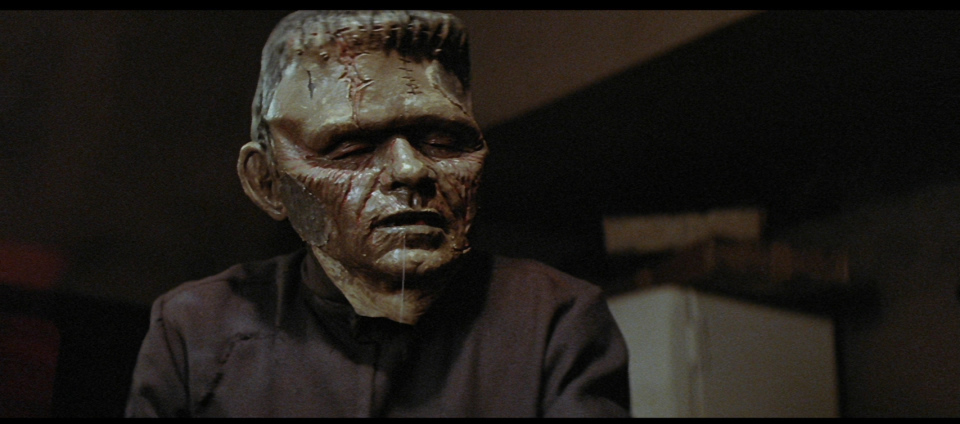

 Bronze Screen Dream