

Tim Burton is an American film director known for his whimsical, darkly humorous, and often macabre cinematic worlds. Renowned for films like Edward Scissorhands, Beetlejuice, and The Nightmare Before Christmas, Burton’s visual and storytelling style presents an enthralling mix of fantasy, horror, and fairy tale elements.
Burton’s cinema career began at Disney as an animator, where his unique, non-conformist style didn’t quite fit the studio’s conventional mould. This contrast between societal norms and the individual, often portrayed as an eccentric outsider, emerged as a recurring theme in his films. Edward Scissorhands, arguably his most iconic film, personifies this theme with the titular character – a sympathetic, monstrous outsider striving for acceptance.
Besides the outsiders, Burton’s films consistently explore motifs of death, transformation, and the macabre. These elements are not meant to frighten but rather to portray an alternative perspective on reality, often treated with a playful, sometimes romantic sense of dark humour. For instance, the protagonist’s journey in Beetlejuice takes place in a quirky afterlife, engaging audiences with a non-traditional, humorous view of death.
The Gothic Whimsy of Tim Burton
Aesthetically, Burton’s visual style is instantly recognisable. His films are characterised by a gothic, cartoonish design, often presented in stark, contrasting colour palettes or atmospheric black and white. Coupled with his frequent collaborations with composer Danny Elfman, Burton’s audio-visual approach provides a distinct, immersive, and emotive cinematic experience, as epitomised in the stop-motion masterpiece, The Nightmare Before Christmas.
Burton’s impact on the film industry is vast. He has inspired a generation of filmmakers worldwide who strive to bring their unique visions to life, including directors like Guillermo del Toro and Henry Selick. Burton’s films, often receiving newfound appreciation over time, continue to challenge traditional storytelling norms. His enduring influence and commitment to maintaining his distinct aesthetic and narrative style cement his place as an icon of contemporary cinema.

Tim Burton (1958 –)
Calculated Films:
- Beetlejuice (1988)
- Edward Scissorhands (1990)
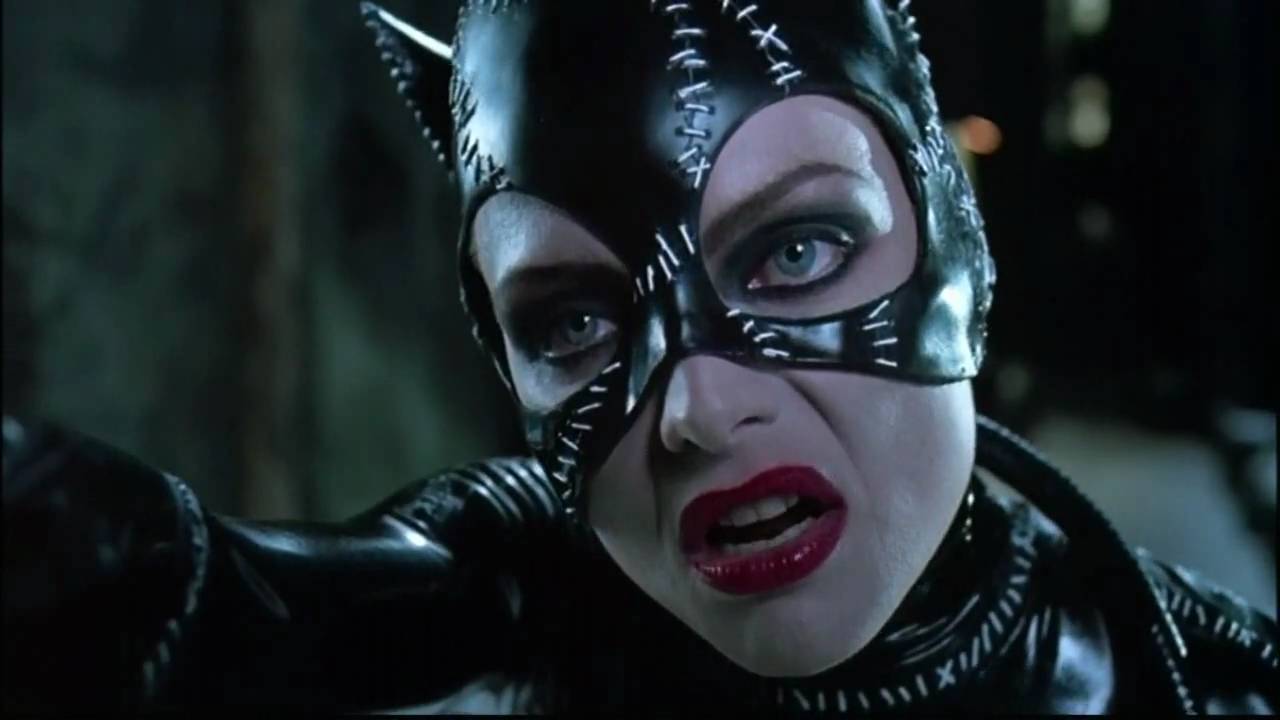
- Batman Returns (1992)
- Ed Wood (1994)
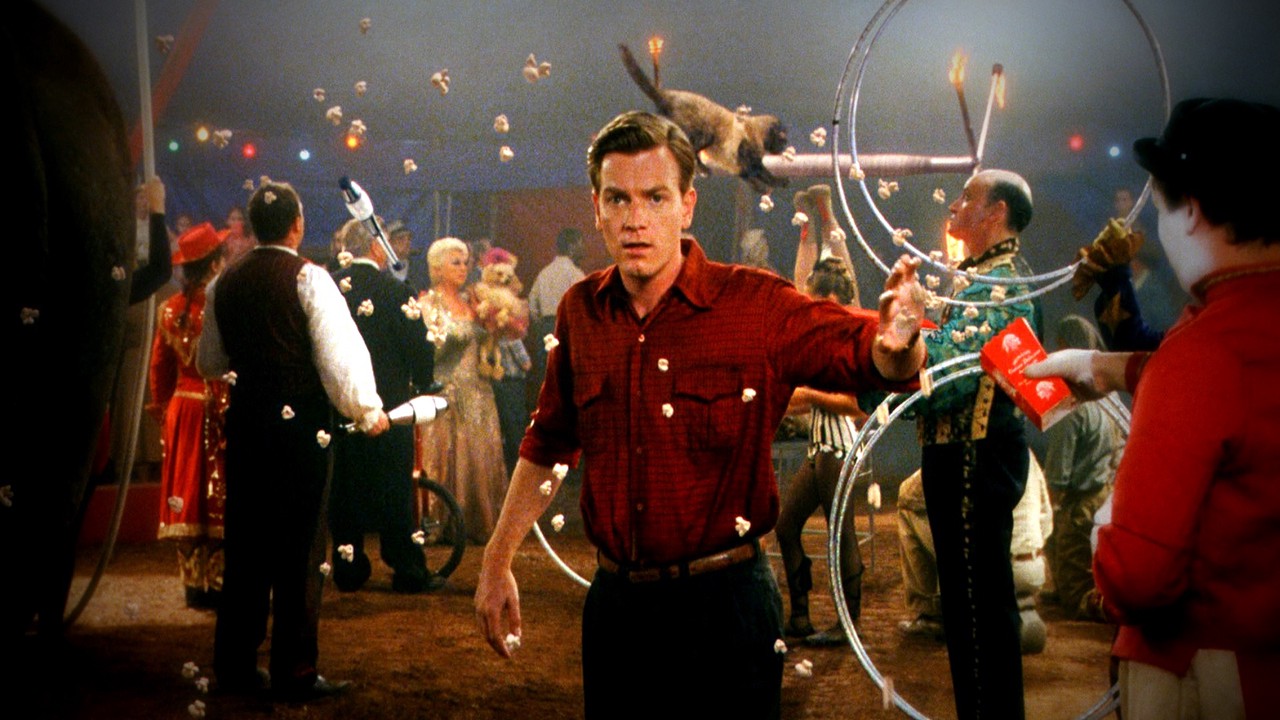
- Big Fish (2003)
- Corpse Bride (2005)
Similar Filmmakers
- Alex Proyas
- Barry Sonnenfeld
- Gore Verbinski
- Guillermo del Toro
- Henry Selick
- James Whale
- Jean-Pierre Jeunet
- Joe Dante
- Joel Schumacher
- Michel Gondry
- Quay Brothers
- Robert Rodriguez
- Robert Zemeckis
- Sam Raimi
- Tarsem Singh
- Terry Gilliam
- Tod Browning
- Wes Anderson

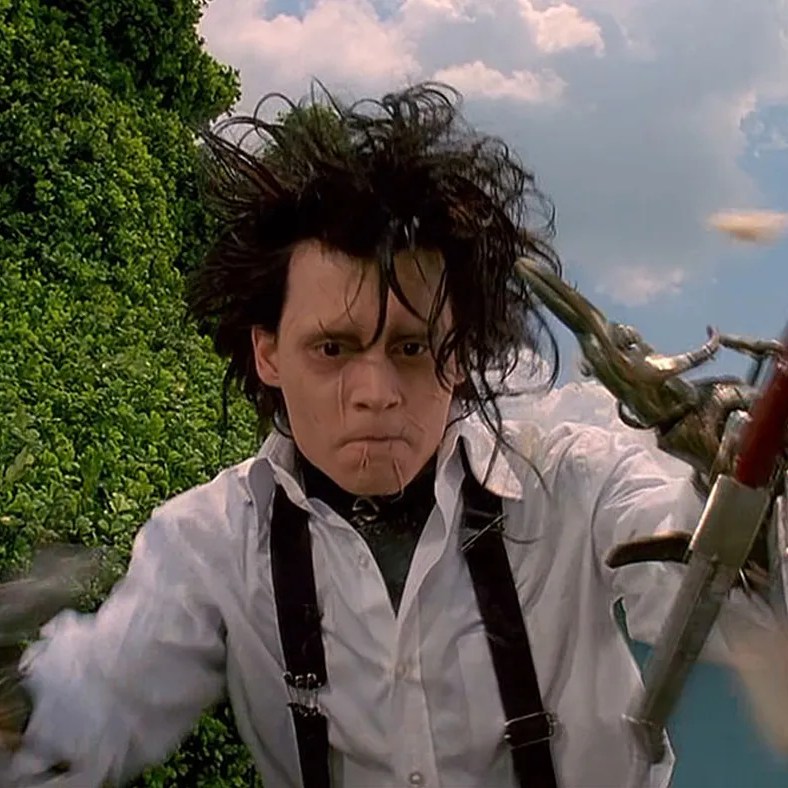

Tim Burton‘s Top 10 Films Ranked
1. Edward Scissorhands (1990)
Genre: Drama, Low Fantasy, Romance, Gothic

2. Big Fish (2003)
Genre: Drama, Adventure, Low Fantasy, Magical Realism, Comedy
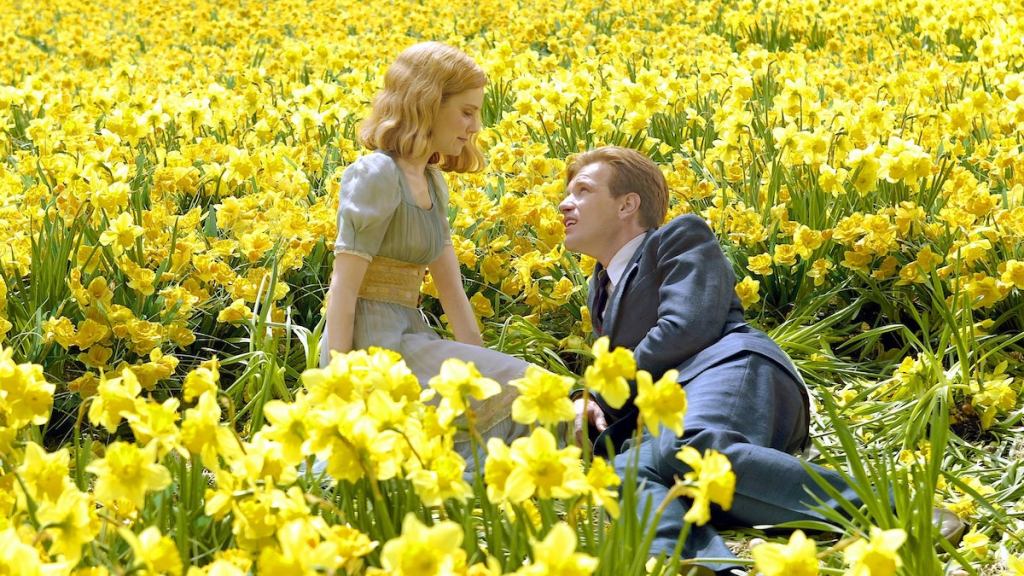
3. Ed Wood (1994)
Genre: Biographical, Comedy

4. Batman (1989)
Genre: Superhero, Action, Crime
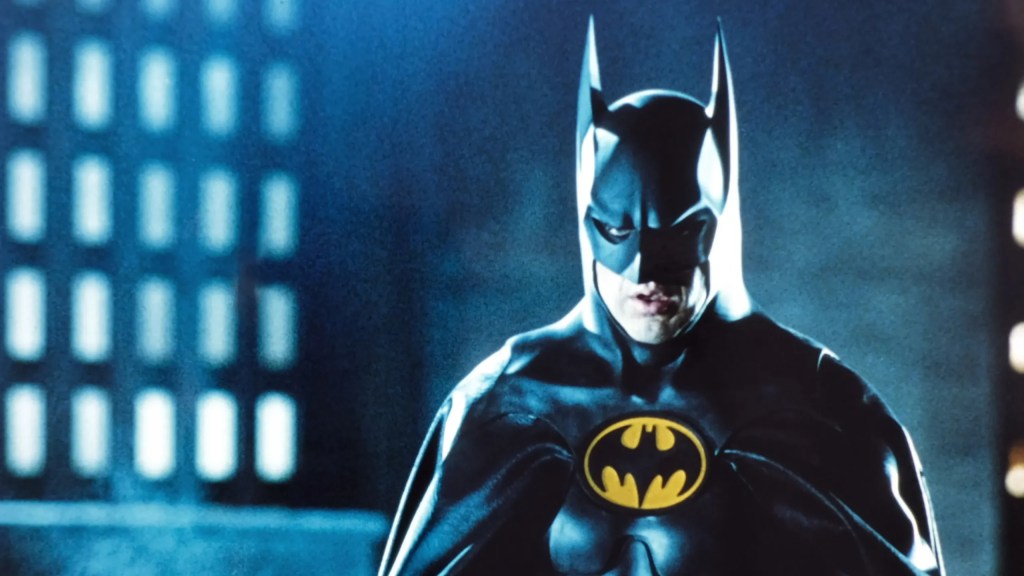
5. Beetlejuice (1988)
Genre: Comedy, Fantasy, Haunted House

6. Batman Returns (1992)
Genre: Superhero, Action, Crime

7. Pee-Wee’s Big Adventure (1985)
Genre: Road Movie, Adventure, Absurdict Comedy
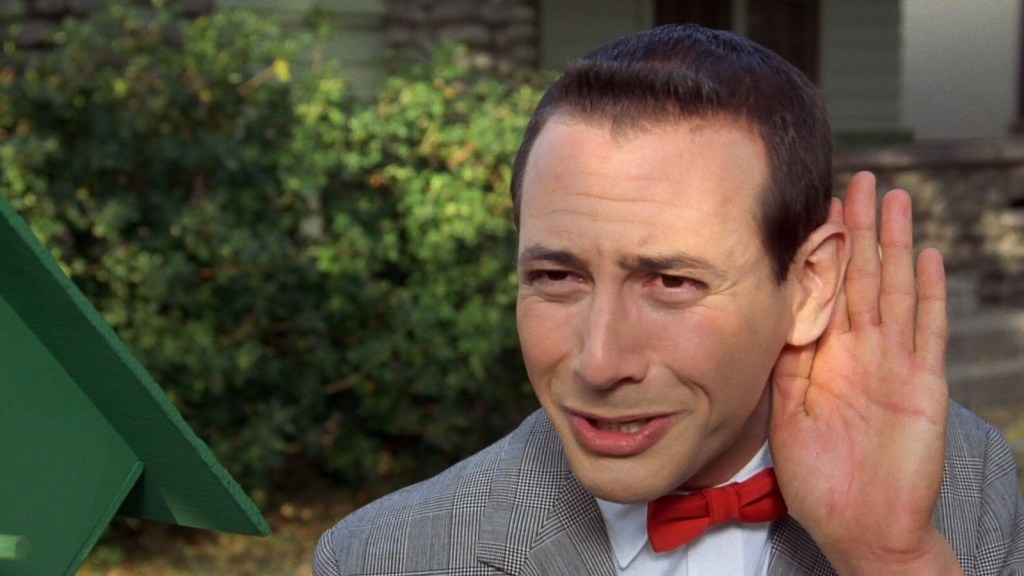
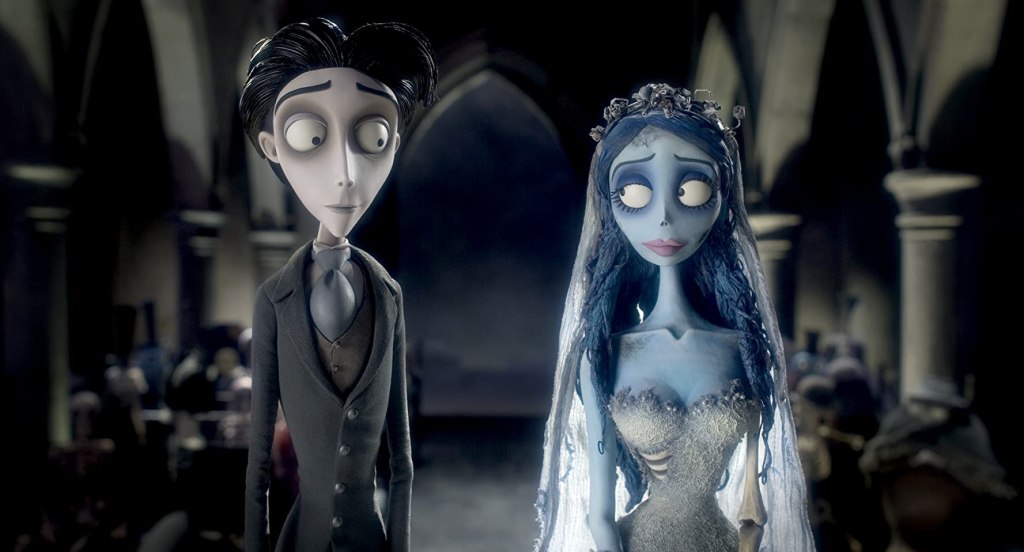
8. Corpse Bride (2005)
Genre: Romance, Fantasy, Musical, Puppet Animation, Gothic
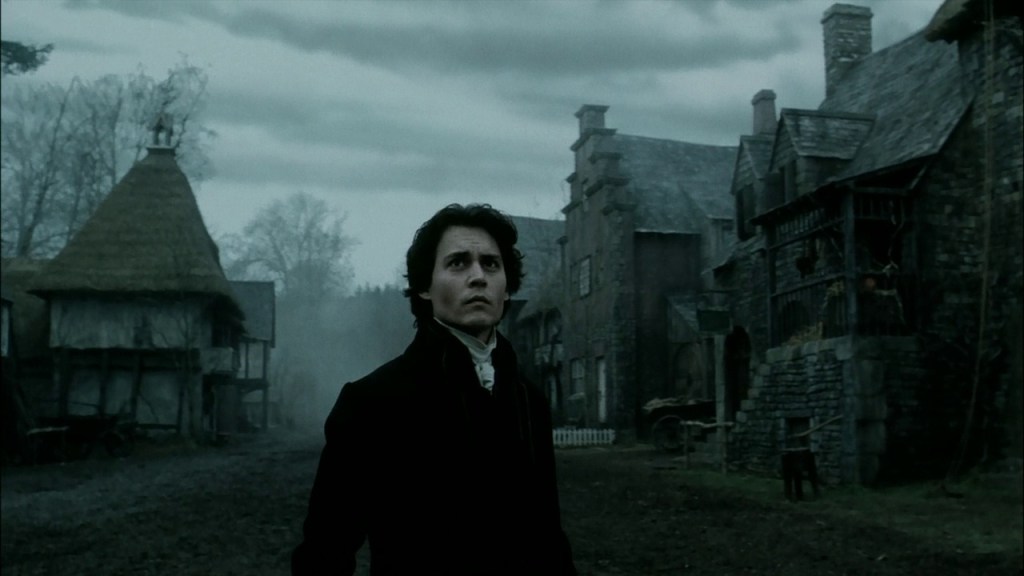
9. Sleepy Hollow (1999)
Genre: Mystery, Gothic Horror, Folk Horror
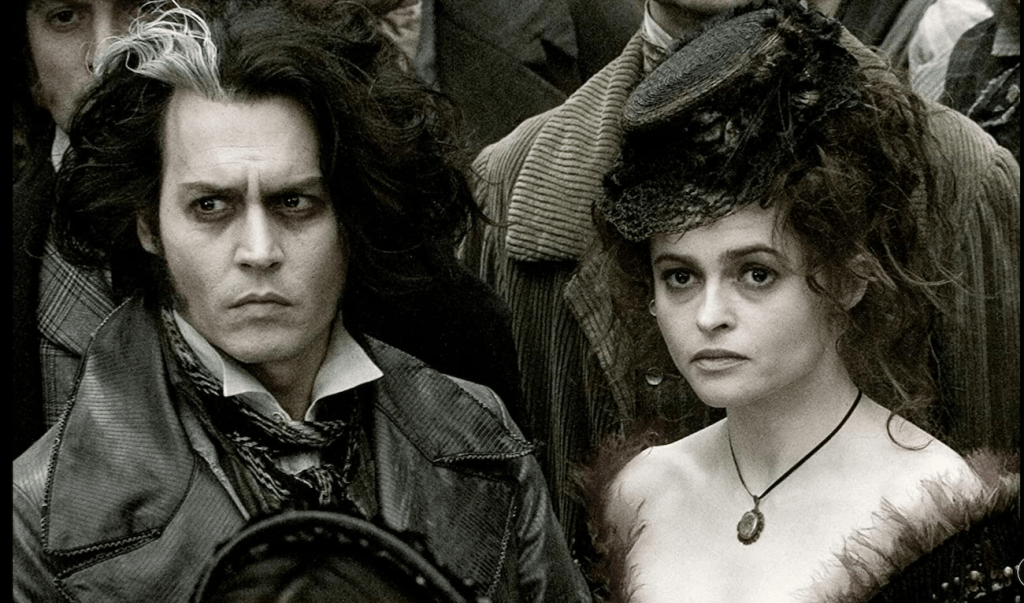
10. Sweeney Todd: The Demon Barber of Fleet Street (2007)
Genre: Musical, Gothic Horror, Black Comedy
Tim Burton: Themes and Style
Themes:
- Outsiders and Loneliness: Many of Burton’s protagonists, such as Edward Scissorhands or Jack Skellington, are isolated or misunderstood characters trying to find their place in society.
- Gothic and Macabre: Burton often delves into dark, eerie, and gothic themes, combining horror elements with whimsy.
- Childhood and Innocence: Films like Big Fish and Frankenweenie reflect on the wonders and cruelties of childhood, often with a bittersweet touch.
- Dual Worlds: Burton frequently juxtaposes two contrasting worlds. For instance, the lively Halloween Town against the mundane Christmas Town in The Nightmare Before Christmas or the dreary suburbs versus the colourful netherworld in Beetlejuice.
- Family Dynamics: Many of his films, like Pee-wee’s Big Adventure or Edward Scissorhands, tackle complex family relationships, often focusing on non-traditional or makeshift families.
Styles:
- German Expressionism: Burton’s visuals often draw from German Expressionism, with its distorted shapes, shadows, and sharp angles. Films like Batman and The Nightmare Before Christmas are prime examples.
- Animated Sequences: A former animator for Disney, Burton often incorporates animated sequences or characters into his films, such as Beetlejuice and Mars Attacks!
- Quirky and Eccentric Designs: His characters, costumes, and settings frequently exhibit exaggerated and fantastical features, from the elongated limbs of characters in The Corpse Bride to the twisted architecture of Edward Scissorhands’ mansion.
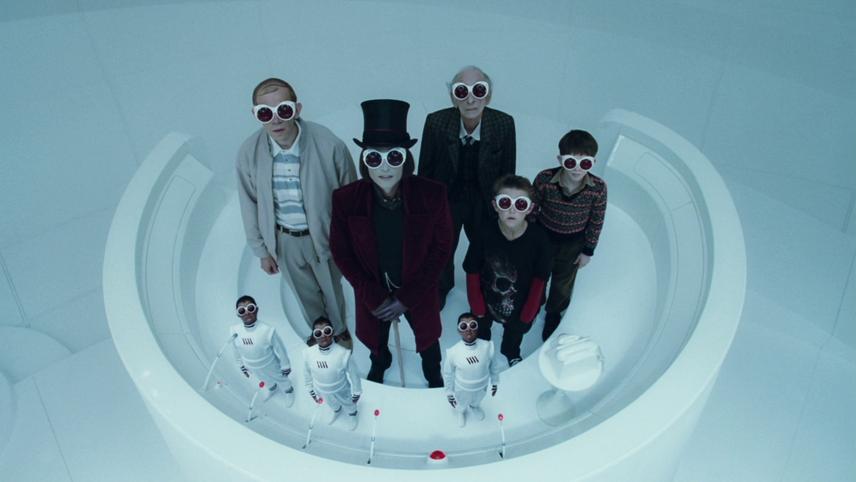
- Bold Colour Palettes: Burton uses vibrant, contrasted colours to create specific moods, like the gloomy greys and blues of Corpse Bride versus the garish hues of Charlie and the Chocolate Factory.
- Collaborative Partnerships: Burton often collaborates with the same group of artists, actors, and composers, including Johnny Depp, Helena Bonham Carter, and composer Danny Elfman.
Directorial Signature:
- Strong Visual Storytelling: Even without dialogue, the visual elements of Burton’s films tell a story. His detailed and distinctive set designs, costumes, and character animations enhance the narrative experience.
- Darkness and Light: Burton’s films typically blend elements of darkness and melancholy with humour, whimsy, and hope, creating a unique balance that resonates with both adults and children.
- Signature Opening Shots: Burton frequently uses captivating opening scenes that set the tone for the movie, like the graveyard introduction in The Nightmare Before Christmas or the zoom-in shot of the penguin’s umbrella in Batman Returns.
- Music: Music plays a pivotal role in Burton’s films. His frequent collaboration with Danny Elfman leads to haunting, whimsical, and memorable scores that elevate the atmosphere of the stories.
Tim Burton: The 152nd Greatest Director

 Bronze Screen Dream