
Tian Zhuangzhuang is a Chinese film director widely recognised for his significant contributions to the “Fifth Generation” film movement in China. His journey in the world of cinema began after a stint in the military and work as an amateur photographer and assistant cinematographer. His acceptance into the Beijing Film Academy in 1978 marked the start of a distinguished career in filmmaking, graduating alongside other notable directors like Chen Kaige and Zhang Yimou. Tian’s early works, such as On the Hunting Ground and The Horse Thief, showcased his avant-garde approach, blending documentary elements with fictional storytelling. However, it was his film The Blue Kite that brought him international acclaim and also led to his near-decade-long exile from the film industry. Upon his return, he directed films like Springtime in a Small Town and The Go Master and also mentored emerging Chinese film talents.
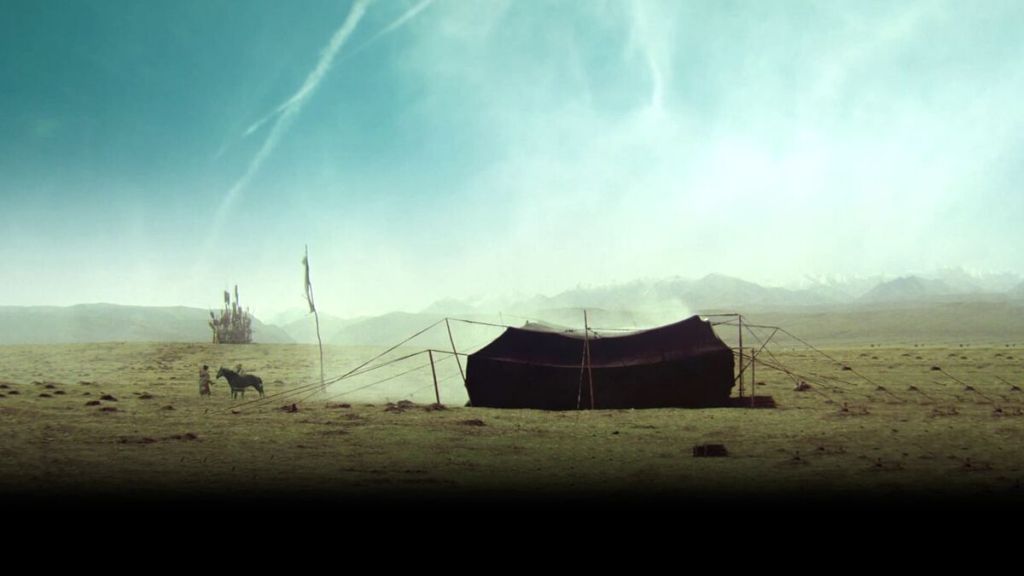
His early international success with On the Hunting Ground and The Horse Thief stemmed from their experimental nature and portrayal of ethnic minorities in China. These films, although commercially unsuccessful in China, were celebrated abroad for their abstract qualities and transcendental force. The Horse Thief, particularly, is noted for its ethnographic drama style, focusing on the life of a rural family and their deep-rooted spiritual beliefs. The film’s minimalistic narrative is interspersed with detailed ethnographic records and local rituals, providing a unique window into the Tibetan way of life. This approach in Tian’s work reflects his emphasis on capturing natural beauty and everyday activity, moving away from traditional dramatic storytelling. This style, combined with his use of wide, static shots and little camera movement, further underscores the vastness of the landscapes he portrays and the smallness of man within them.
Throughout his career, Tian Zhuangzhuang has been a critical voice in Chinese cinema, often using the past to address contemporary societal issues. His films, while rich in visual storytelling, are also notable for their political allegories, particularly during a period when China was transitioning from Stalinist communism to a form of free-market capitalism. This political commentary is woven into the fabric of his narratives, as seen in The Horse Thief, where the protagonist’s struggle between honour and survival mirrors the broader societal transitions occurring in China.
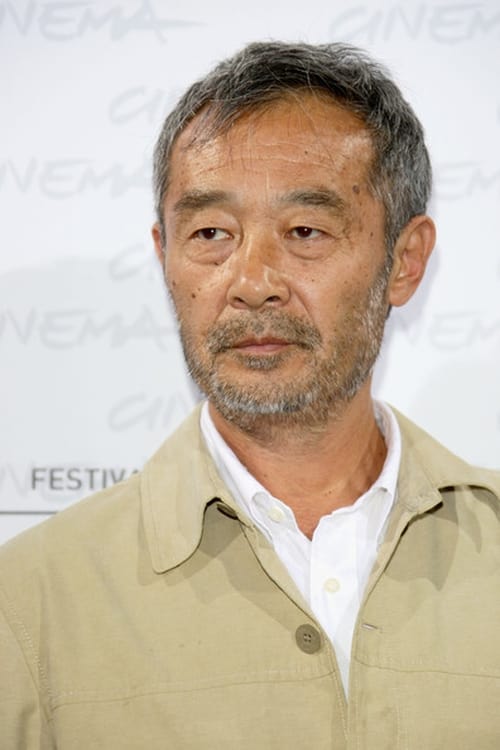
Tian Zhuangzhuang (1952 –)
Calculated Films:
- The Horse Thief (1986)
- The Blue Kite (1993)
Similar Filmmakers
- Bi Gan
- Cai Shangjun
- Chen Kaige
- Edward Yang
- Garin Nugroho
- He Ping
- Hou Hsiao-hsien
- Huang Jianxin
- Li Ruijun
- Li Shaohong
- Wong Kar-wai
- Wu Tianming
- Xie Fei
- Yim Ho
- Ying Liang
- Zhang Lu
- Zhang Yang
- Zhang Yimou

Tian Zhuangzhuang’s Top 5 Films Ranked
1. The Horse Thief (1986)
Genre: Drama
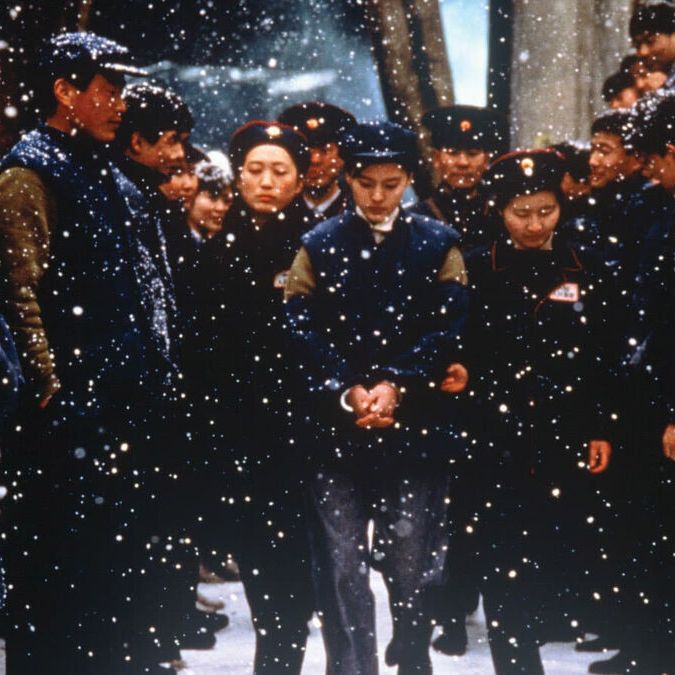
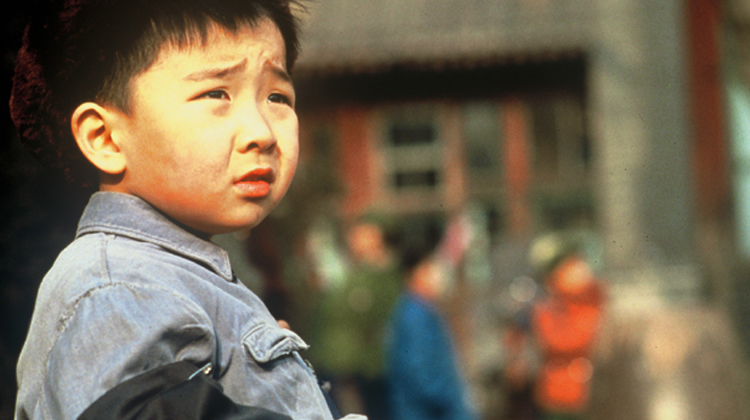
2. The Blue Kite (1993)
Genre: Political Drama
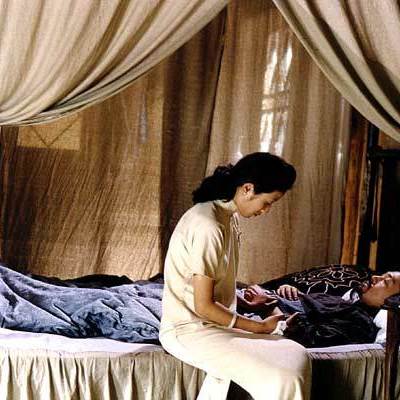
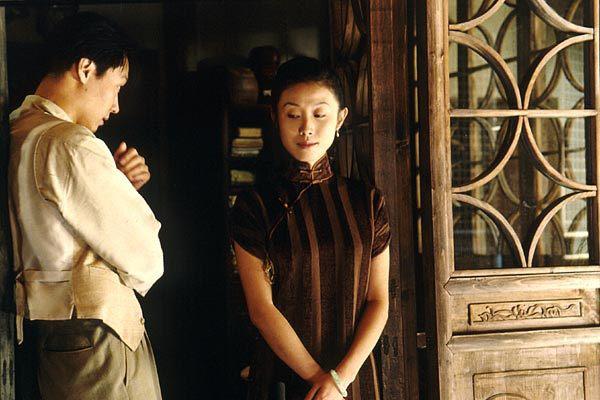
3. Springtime in a Small Town (2002)
Genre: Drama, Romance

4. Delamu (2004)
Genre: Documentary

5. The Go Master (2006)
Genre: Biographical

Tian Zhuangzhuang: Themes and Style
Themes:
- Cultural and Historical Reflection: Tian often delves into China’s cultural and historical contexts. In The Blue Kite, he explores the impact of political movements on ordinary lives, depicting the tumultuous changes in Chinese society during the 1950s and 1960s.
- Individual vs. Society: A recurring theme is the conflict between individual desires and societal norms. This is evident in The Horse Thief, where the protagonist’s struggle for survival clashes with the moral and social codes of his community.
- Nature and Spirituality: His films frequently feature strong connections between nature, spirituality, and human existence, as seen in The Horse Thief, where the majestic landscapes of Tibet play a significant role in shaping the narrative.
- Loss and Remembrance: Tian’s works often meditate on themes of loss and remembrance, exploring how past events continue to influence the present. This is poignantly depicted in Springtime in a Small Town, which examines the lingering effects of war on personal relationships.
- Rural Life: The depiction of rural life and its challenges is a central theme, with a focus on the simplicity and hardships faced by rural communities, as portrayed in Delamu.
Styles:
- Visual Storytelling: Tian is known for his strong visual style, using imagery to tell stories. The breathtaking landscapes in The Horse Thief serve not just as a backdrop but as an integral part of the narrative.
- Minimalist Approach: His films often employ a minimalist approach, with sparse dialogue and a focus on visual and auditory elements to convey emotions and themes, as exemplified in Springtime in a Small Town.
- Pace and Rhythm: Tian’s films are characterised by their slow pace and contemplative rhythm, inviting the audience to immerse themselves deeply in the story and characters, evident in the unhurried narrative of The Blue Kite.
- Symbolism and Metaphor: He frequently uses symbolism and metaphor to deepen the narrative layers. In The Horse Thief, for instance, the stark landscape and ritual scenes are imbued with symbolic meaning.
- Realism and Authenticity: Tian often strives for genuineness and authenticity in his portrayal of characters and settings, focusing on the detailed representation of everyday life, as seen in The Blue Kite.
Directorial Signature:
- Artistic Integrity: Tian is recognised for his unwavering artistic integrity, often choosing to tell stories that are personally and culturally significant, even at the risk of censorship, as with The Blue Kite.
- Historical and Cultural Exploration: His directorial signature includes a deep exploration of Chinese history and culture, often revisiting and reinterpreting historical events and periods to reflect on contemporary issues.
- Emphasis on Cinematography: Tian places a strong focus on cinematography, working closely with cinematographers to create visually stunning films. The striking visuals in The Horse Thief are a testament to this focus.
- Quiet but Powerful Storytelling: Tian’s storytelling is characterised by its quietness yet possesses a powerful undercurrent. His narratives, while often subdued in tone, convey deep emotional and social insights.
Tian Zhuangzhuang – Great Director



 Bronze Screen Dream