
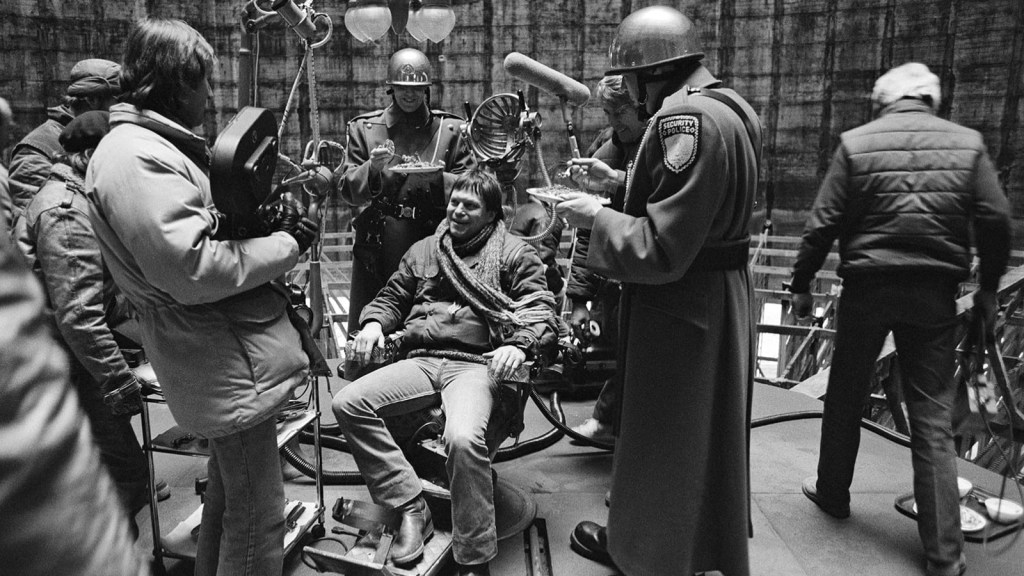
Terry Gilliam is an auteur filmmaker of British-American origin, recognised for his compelling blend of fantasy, satire, and dystopian themes. He has carved out a distinctive place in the cinematic landscape, best known for his works such as Brazil, Twelve Monkeys, and Fear and Loathing in Las Vegas. With a unique blend of animation, visual ingenuity, and deep-rooted absurdist humour, Gilliam’s films stand as powerful critiques of society and meditations on the human condition.
Gilliam’s journey into cinema was as unconventional as his filmmaking style. Originally a cartoonist and animator, his early experience with the Monty Python comedy troupe deeply influenced his approach to filmmaking. His films often bear a strong imprint of this background, where a vividly imaginative visual style, informed by his animation expertise, melds with absurdist humour and satire. Moreover, his storytelling frequently features motifs of fantasy and imagination that blur the lines between reality and dream or madness. His masterful blend of these elements is evident in films like The Imaginarium of Doctor Parnassus and Brazil, which blur the lines between whimsical fantasy and haunting dystopia.
The visual style of Gilliam’s films stands apart in cinema, known for its distinctive surrealism, grotesque imagery, and intricate detail. His film sets are often characterised by grandeur and anachronistic features, creating a feeling of timelessness. This unique style becomes a medium to represent the subconscious, contributing to his films’ thematic depth and layered narratives. For instance, his film The Adventures of Baron Munchausen showcases his penchant for over-the-top visual aesthetics and rich symbolism, creating a sensory spectacle that complements the fantastical narrative.
Fusing Fantasy and Reality
In addition to his distinctive visual style, Gilliam’s films often deal with dystopian themes. Many of his works present a scathing critique of bureaucracy, consumerism, and the loss of individualism. His dystopian satire Brazil, for instance, offers a chilling commentary on the dehumanising effects of technology and bureaucracy. Despite the challenges associated with his productions, including frequent budget overruns, physical difficulties, and clashes with studios—evident in the documentary Lost in La Mancha—Gilliam has consistently delivered films of high artistic calibre.
Renowned directors like Guillermo del Toro and Jean-Pierre Jeunet have cited him as a significant influence. Del Toro, in particular, has shown parallels in using fantasy and grotesque imagery to examine societal issues. Additionally, Gilliam’s references to cinema history and literature have enriched the texture of his films, further contributing to their enduring impact. Through his defiance of convention and commitment to maintaining his unique artistic voice, even in the face of numerous adversities, Terry Gilliam has become one of the most acclaimed directors of his era.

Terry Gilliam (1940 –)
Calculated Films:
- Monty Python and the Holy Grail (1975)
- Time Bandits (1981)
- Brazil (1985)
- The Fisher King (1991)
- 12 Monkeys (1995)
- Fear and Loathing in Las Vegas (1998)
Similar Filmmakers
- Jean-Pierre Jeunet
- Ken Russell
- Michel Gondry
- Peter Greenaway
- Quay Brothers
- Spike Jonze
- Terry Jones
- Terry Zwigoff
- Tim Burton
- Vincent Ward
- Walerian Borowczyk
- Wes Anderson


Terry Gilliam’s Top 10 Films Ranked
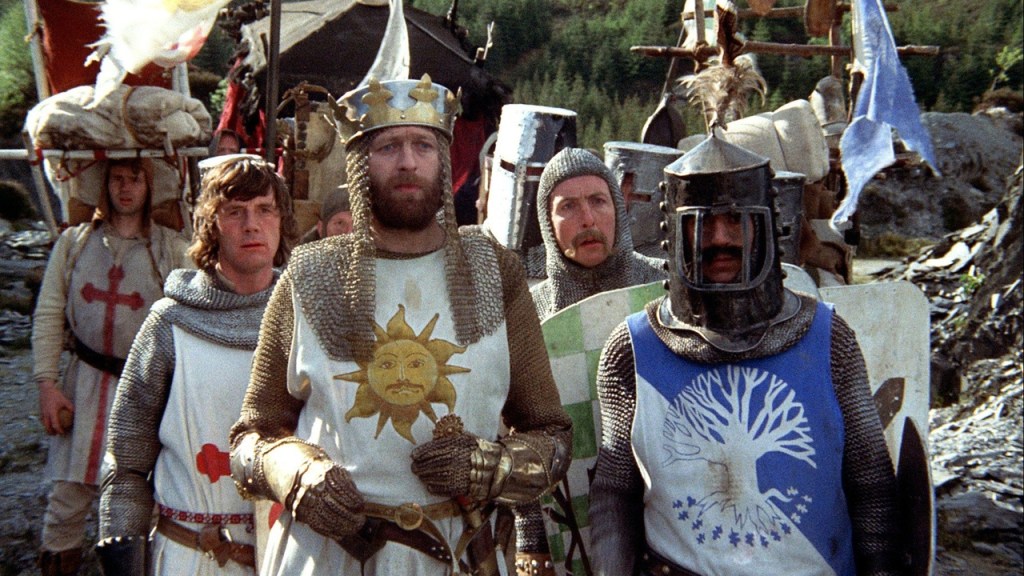
1. Monty Python and the Holy Grail (1975)
Genre: Absurdist Comedy, Adventure, Parody, Medieval
2. Brazil (1985)
Genre: Dystopian, Satire, Sci-Fi, Black Comedy

3. Twelve Monkeys (1995)
Genre: Dystopian, Sci-Fi, Time Travel, Post-Apocalypse

4. Fear and Loathing in Las Vegas (1998)
Genre: Black Comedy, Road Movie, Surrealism, Satire

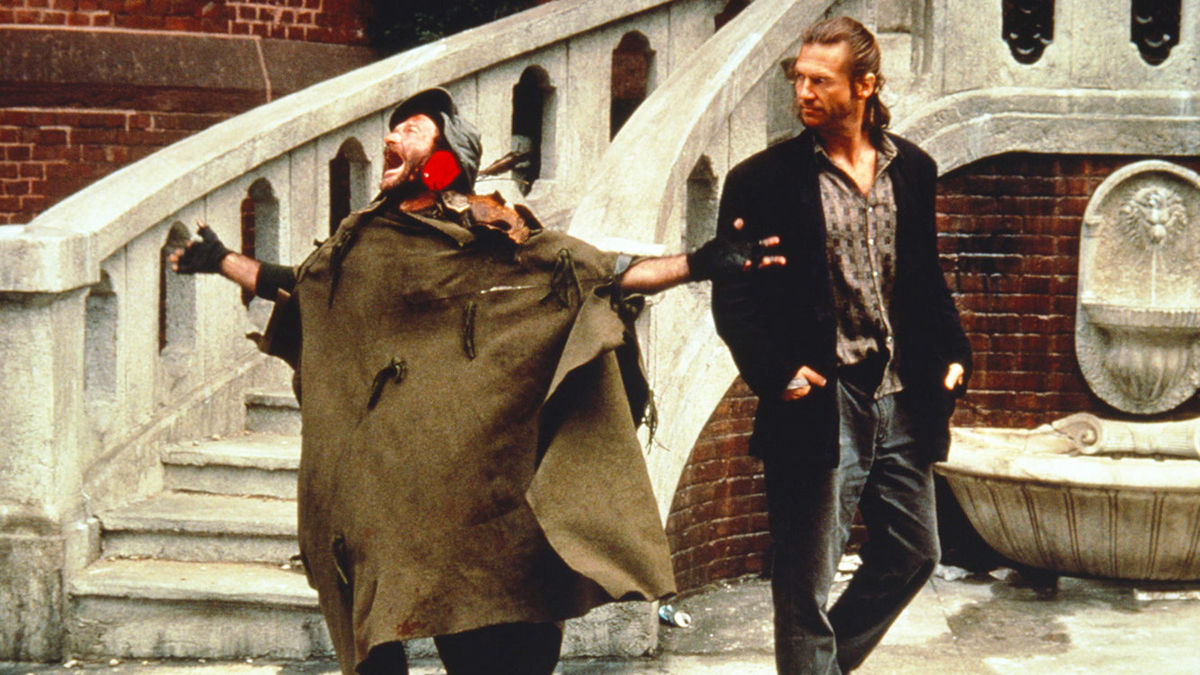
5. The Fisher King (1991)
Genre: Drama, Comedy, Buddy

6. The Adventures of Baron Munchausen (1988)
Genre: Fantasy, Adventure, Comedy

7. Time Bandits (1981)
Genre: Adventure, Fantasy, Comedy, Time Travel

8. The Man Who Killed Don Quixote (2018)
Genre: Adventure, Comedy

9. The Imaginarium of Doctor Parnassus (2009)
Genre: Fantasy, Adventure, Surrealism
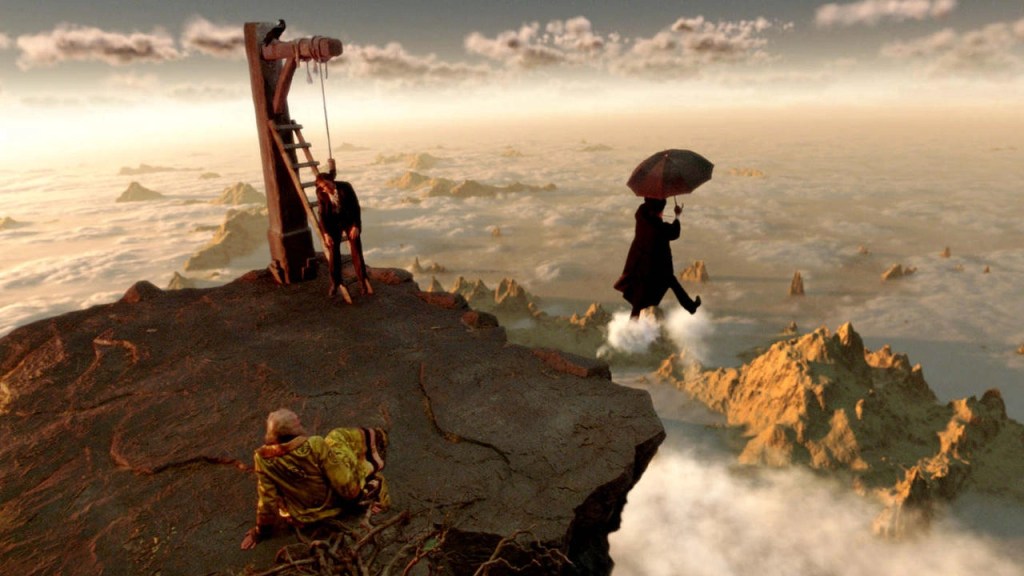
10. Tideland (2005)
Genre: Surrealism, Fantasy, Psychological Drama, Coming-of-Age

Terry Gilliam: Themes and Style
Themes:
- Dystopian Imagery and Satire: Terry Gilliam often explores dystopian futures and the absurdities of modern life through satirical lenses, as seen in Brazil. His films frequently question authority and the nature of reality.
- Imagination vs. Reality: A recurring theme in Gilliam’s work is the conflict between the imaginative inner world and the often-grim reality of the outside world. This is a central theme in The Fisher King and The Imaginarium of Doctor Parnassus.
- Individualism and Anti-Authoritarianism: Gilliam frequently champions the individual against oppressive systems, as illustrated in 12 Monkeys, where a time traveller attempts to subvert a dystopian future, or in Brazil, which pits a daydreaming bureaucrat against a totalitarian government.
- Time and Memory: His films, including Time Bandits and 12 Monkeys, often play with the concept of time, memory, and history, suggesting a fluid and often unreliable nature of these elements.
Styles:
- Visual Extravagance: Gilliam is known for his visually dense and elaborate sets and special effects. His films, like Baron Munchausen, are often filled with grandiose and surreal images that create a unique, fantastical world.
- Dark Humor: Even in the midst of dystopian themes or dramatic storylines, Gilliam’s films incorporate a dark, sometimes morbid sense of humour that underlines the absurdity of the human condition, as seen in Brazil.
- Non-Linear Storytelling: He often employs non-linear and complex narratives that challenge the viewer’s perception of time and reality, as exemplified in 12 Monkeys.
- Baroque Detailing: Gilliam’s films are marked by baroque attention to detail, with every frame often packed with visual information that can require multiple viewings to fully absorb.
Directorial Signature:
- Wide-Angle Lenses: Gilliam frequently uses wide-angle lenses to create a sense of disorientation and to exaggerate perspectives, giving scenes a surreal quality that has become a signature of his directorial style.
- Animation Interludes: Reflecting his beginnings with Monty Python, he sometimes integrates animation or animated sequences into his films, which serve as a distinctive bridge between scenes or as a storytelling device.
- Quixotic Characters: Gilliam’s protagonists are often romantic figures, dreamers who are out of sync with their society but who pursue their visions regardless of the consequences. This is a clear stamp of his narrative preference.
- Cameo Appearances: He is known for cameo appearances in his films, a playful gesture that inserts his presence into the intricate worlds he creates.
- Collage of Genres: Gilliam doesn’t confine his storytelling to a single genre; instead, he blends elements of fantasy, science fiction, drama, and comedy, creating a hybrid genre that defies traditional classification.
Terry Gilliam: The 135th Greatest Director



 Bronze Screen Dream