
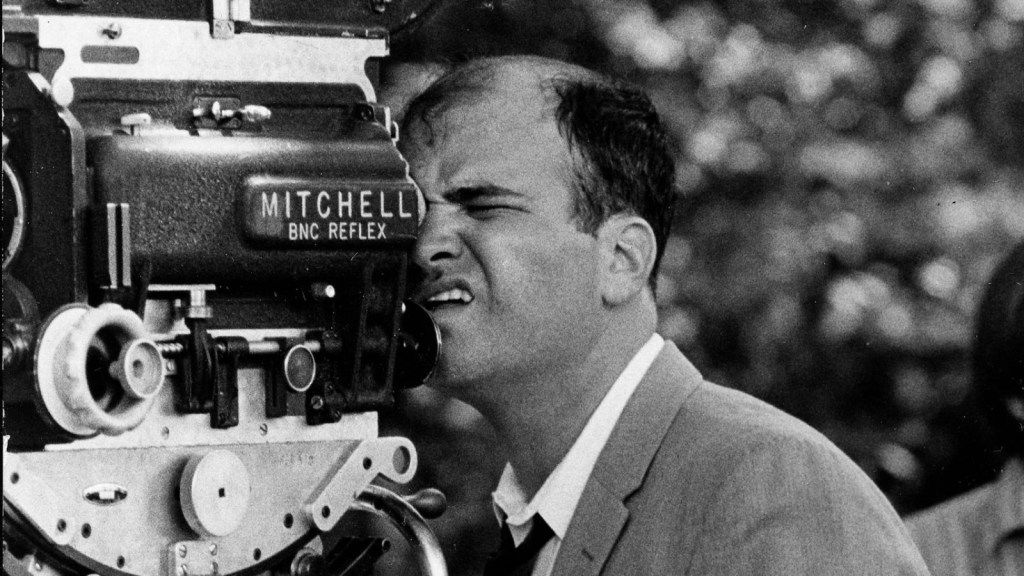
Terrence Malick, an American filmmaker known for his unique visual style and thematic depth, is celebrated for his transcendental approach to cinema. His films are often regarded as visual poems, presenting profound philosophical questions about life, love, death, and the human condition, wrapped in non-linear narratives and imbued with a profound sense of the natural world. Notable works such as Days of Heaven, The Thin Red Line, and The Tree of Life epitomise his unique, impressionistic style.
Malick’s initial interest in philosophy led him to study at the prestigious Harvard University and later teach at the Massachusetts Institute of Technology. Eventually, his passion for storytelling led him to the American Film Institute, where he studied directing. His filmmaking career began with two critically acclaimed features, Badlands and Days of Heaven. Notoriously elusive, he took a 20-year hiatus from directing before returning with The Thin Red Line in 1998.
One of Malick’s signature techniques is the extensive use of voiceovers, which express his characters’ inner thoughts, emotions, and philosophical reflections. This method, coupled with his minimalist approach to dialogue, contributes to his films’ introspective and dreamlike quality. The philosophical themes explored are often deep and existential, such as the exploration of innocence, loss, and the dichotomy of nature and grace in The Tree of Life.
Searching for Meaning Amidst Nature and Grace
Malick’s films are marked by a deep appreciation for the natural world, frequently contrasting human experience with the beauty and grandeur of nature. His cinematography, a result of collaborations with acclaimed directors of photography like Emmanuel Lubezki and Nestor Almendros, emphasises sweeping camera movements, wide-angle lenses, and natural light. These elements combine to create ethereal visuals as evocative and meaningful as Mallick’s sparse dialogue, as exemplified in films like The New World.
He is also known for his extended production processes, often devoting years to making a single film. This lengthy process, characterised by extensive editing periods and significant deviations from the initial script, further accentuates his commitment to a unique, non-conventional filmmaking style. His elusive personality, marked by a strong preference for privacy and a limited public presence, adds an air of mystique to his work, enhancing the enigmatic aura surrounding his films.
Despite a relatively small filmography, Malick’s influence on cinema is vast and profound. His commitment to visual storytelling, philosophical depth, and innovative narrative structures have made him a significant figure in contemporary cinema. His style and themes have influenced a range of filmmakers from various backgrounds, including American director David Gordon Green, British filmmaker Andrea Arnold, and Mexican director Alejandro González Iñárritu. His impact on film history is underscored by how his films, though distinct and idiosyncratic, have resonated with audiences and filmmakers worldwide.

Terrence Malick (1943 – -)
Calculated Films:
- Badlands (1973)
- Days of Heaven (1978)
- The Thin Red Line (1998)
- The New World (2005)
- The Tree of Life (2011)
- A Hidden Life (2019)
Similar Filmmakers
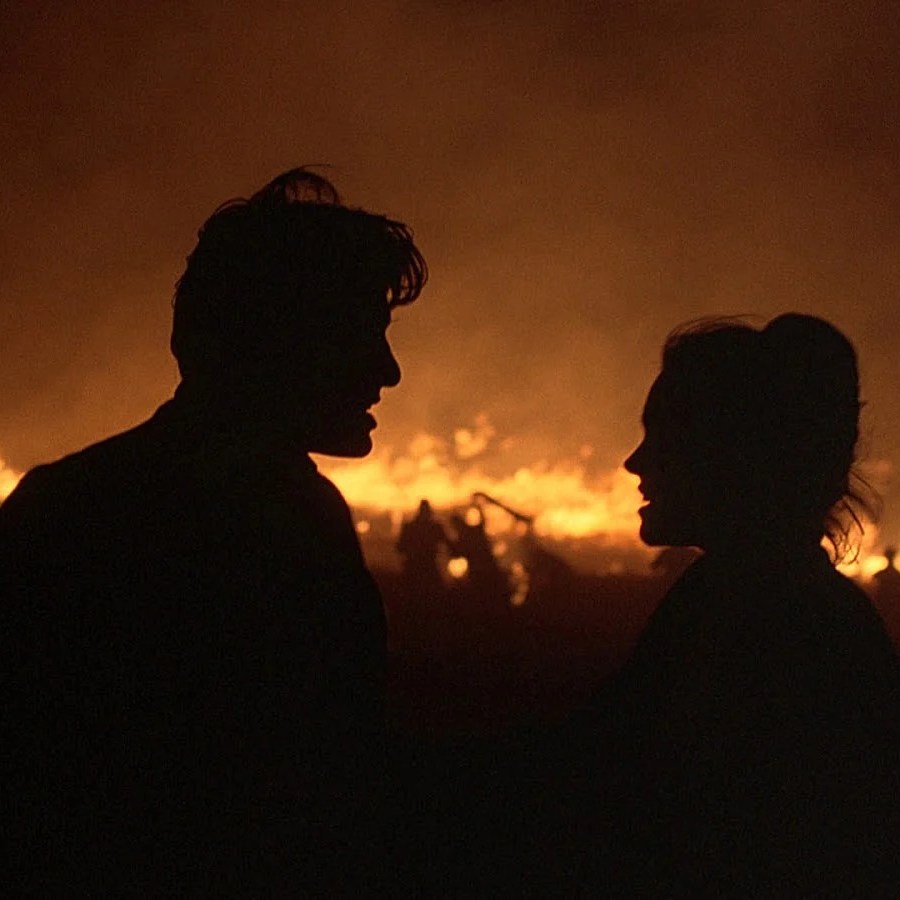

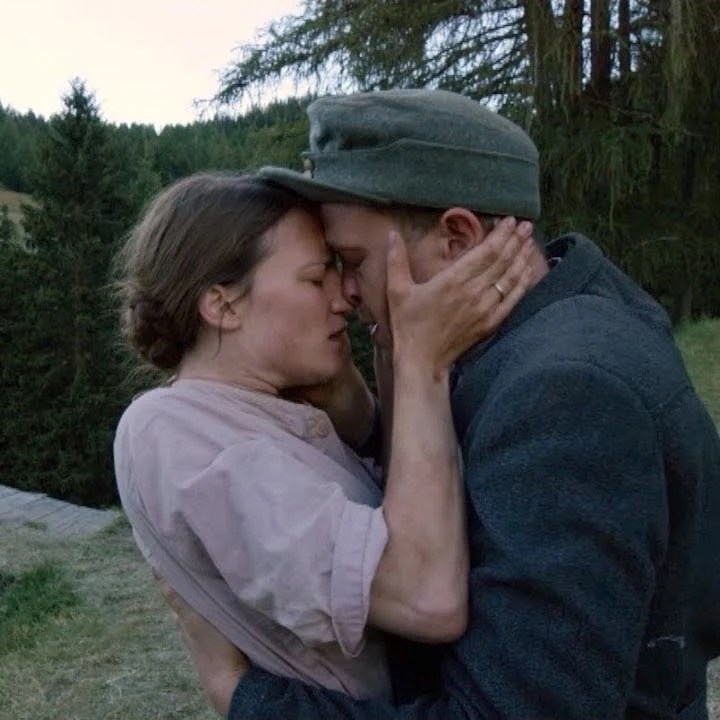
Terrence Malick’s Top 10 Films Ranked
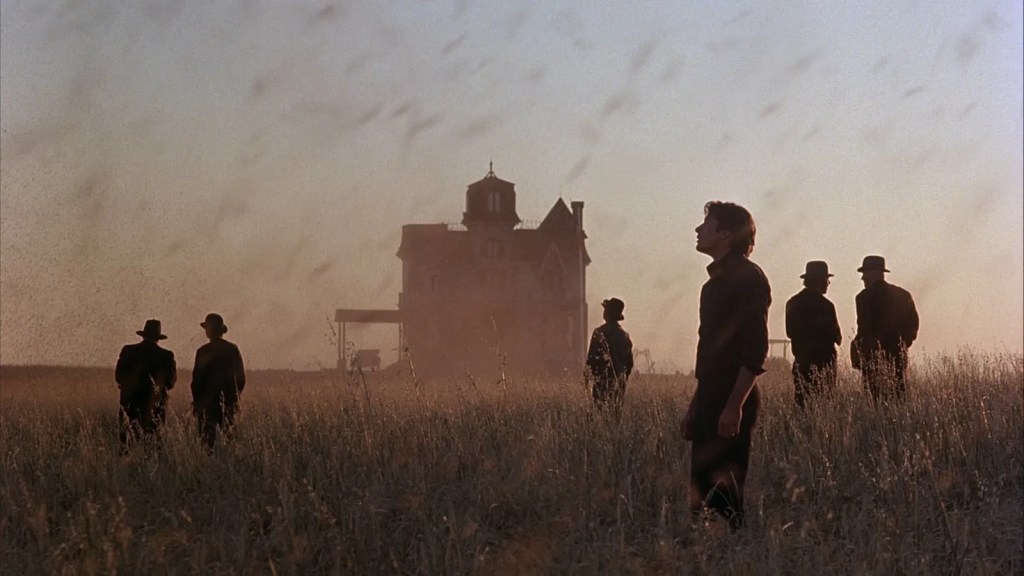
1. Days of Heaven (1978)
Genre: Drama, Romance
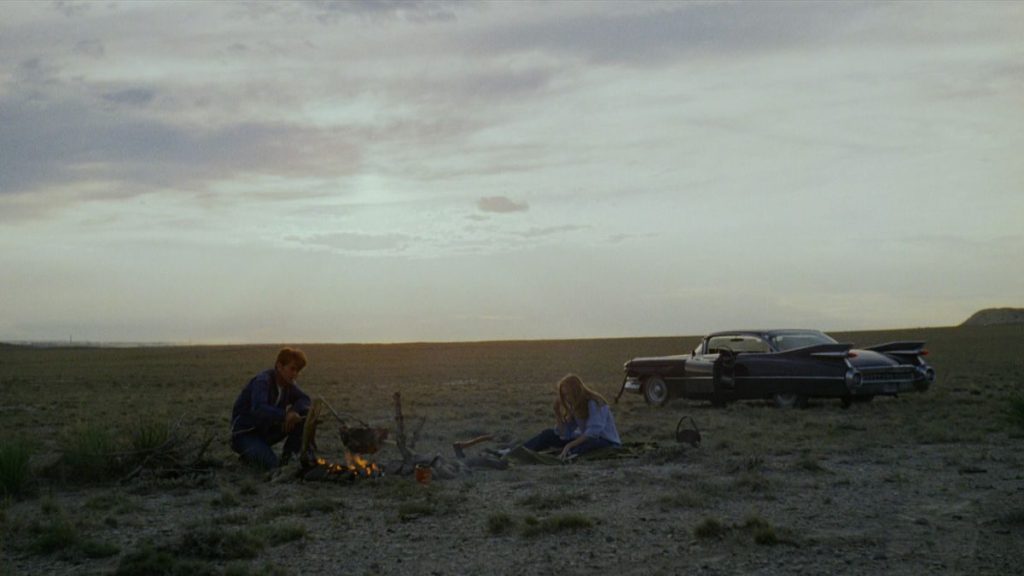
2. Badlands (1973)
Genre: Crime, Road Movie, Drama
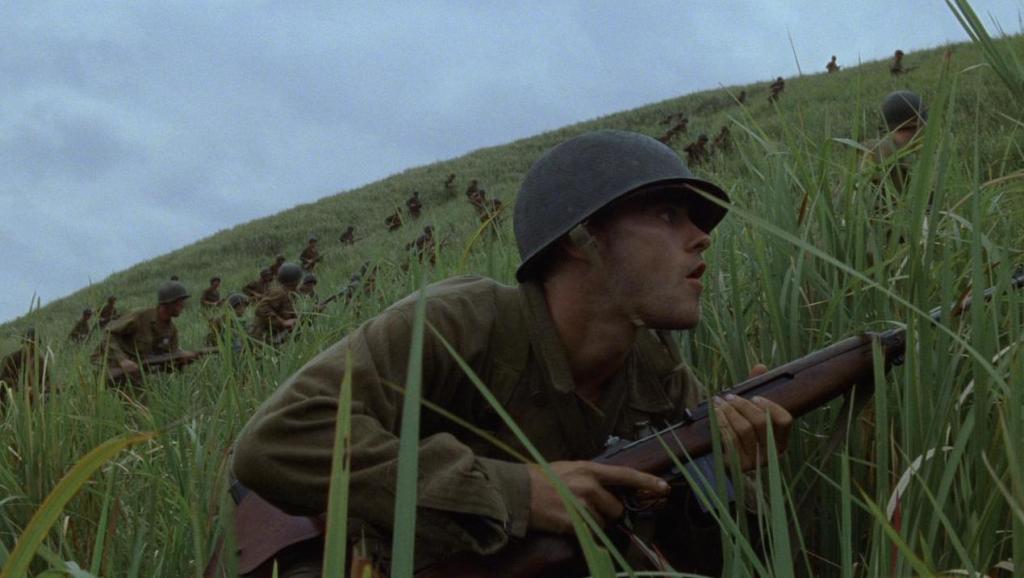
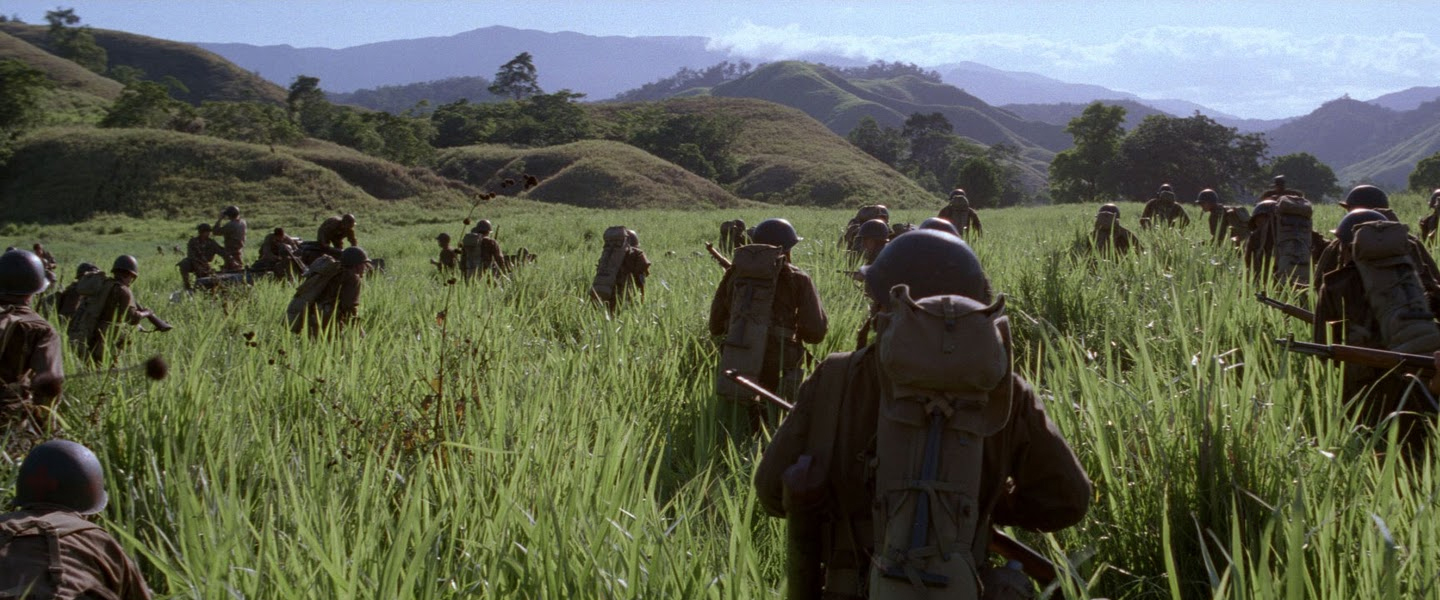
3. The Thin Red Line (1998)
Genre: War, Period Drama, Psychological Drama, Epic
4. The Tree of Life (2011)
Genre: Coming-of-Age, Drama, Family Drama

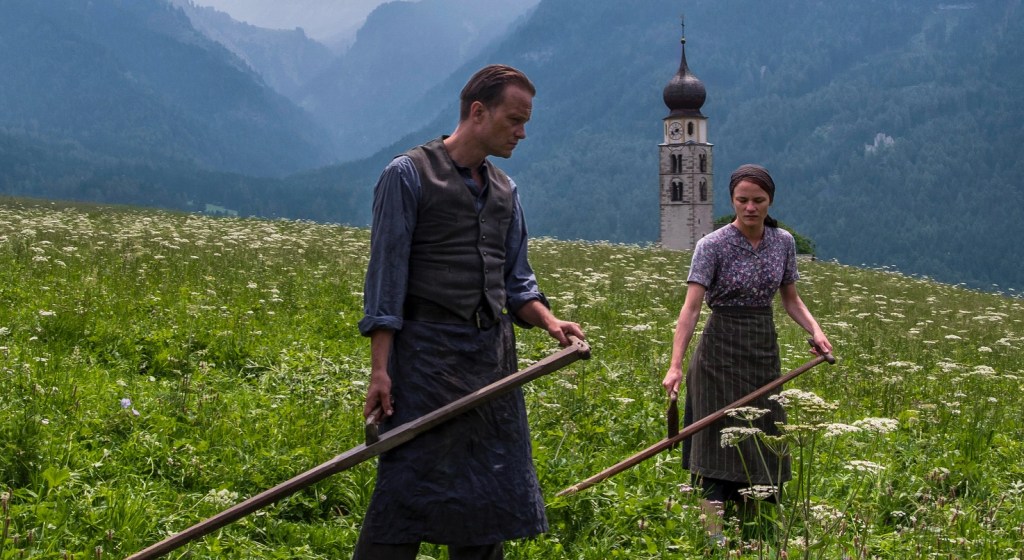
5. A Hidden Life (2019)
Genre: Biographical, Period Drama
6. The New World (2005)
Genre: Period Drama, Romance, Epic

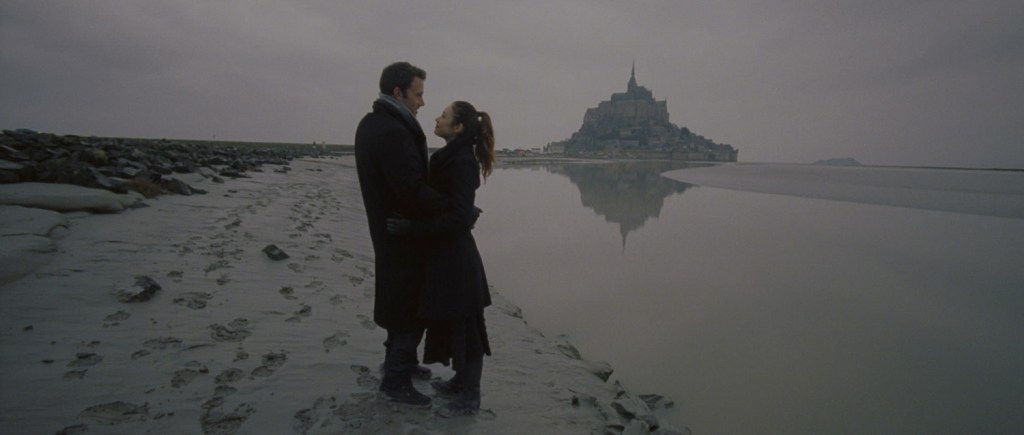
7. To The Wonder (2012)
Genre: Drama, Romance
8. Voyage of Time (2016)
Genre: Essay Film, Documentary

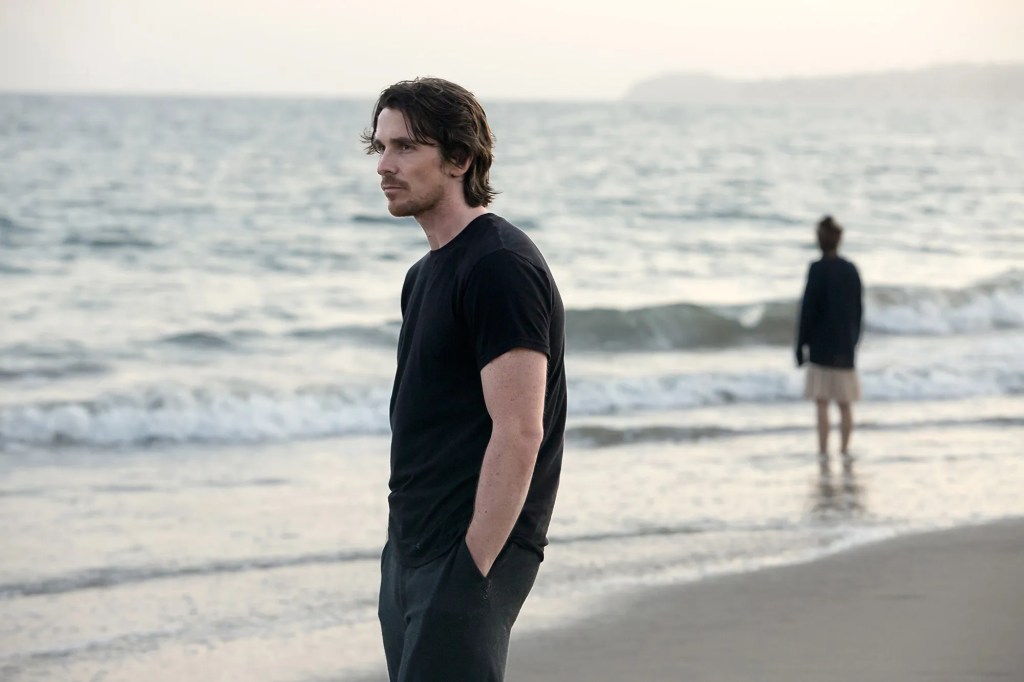
9. Knights of Cups (2015)
Genre: Psychological Drama, Romance
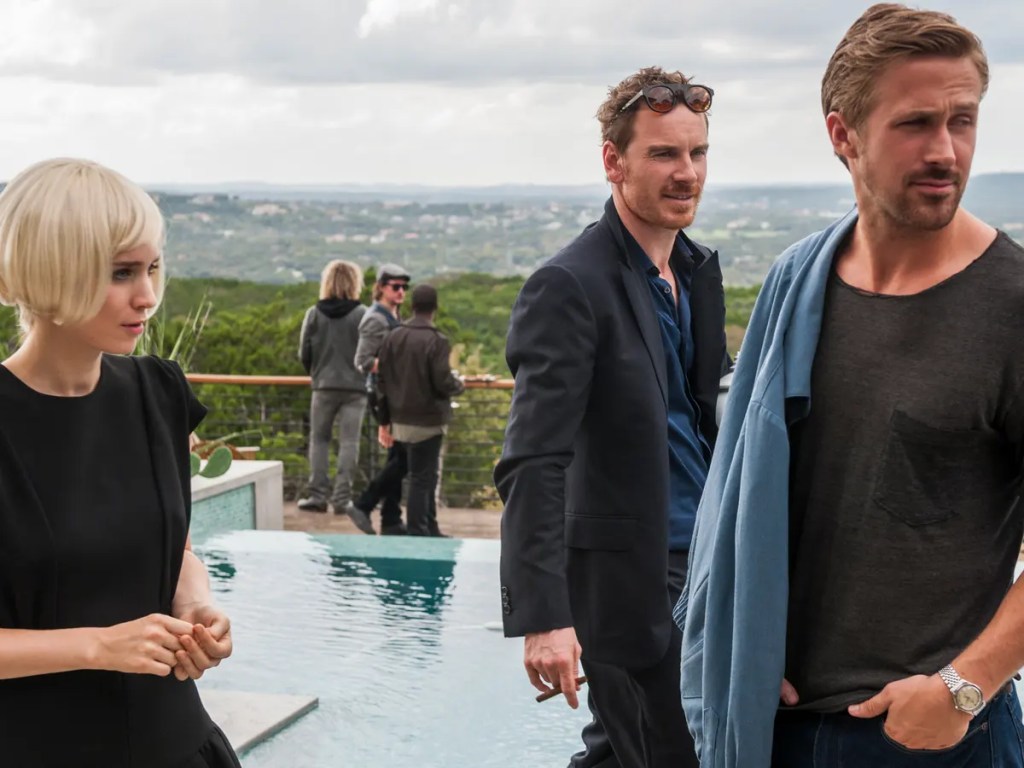
10. Song to Song (2017)
Genre: Psychological Drama, Romance
Terrence Malick: Themes and Style
Themes:
- Nature and Grace: Malick often explores the tension and harmony between nature and grace, especially in The Tree of Life. He reflects on existential questions within the grandeur of the natural world, juxtaposed with the intimate grace of human relationships.
- Existential Quests: His films frequently feature characters on a quest for meaning, as seen in The Thin Red Line, where soldiers grapple with the purpose of life amid the horrors of war.
- Transcendence and Spirituality: Spiritual transcendence is a recurring theme, particularly in The New World, where he delves into the spiritual connections between people and their environment.
- Alienation and Isolation: Malick often portrays protagonists who are alienated from their surroundings and peers, as exemplified by the central characters in Days of Heaven.
- Impermanence and Mortality: He addresses the fleeting nature of human existence and the inevitable decay of life, themes poignantly woven throughout A Hidden Life.
Styles:
- Visual Poetry: Malick’s films are known for their poetic cinematography, creating visual poems that evoke emotion as much through imagery as through dialogue or plot, as seen vividly in Knight of Cups.
- Terse Dialogue, Rich Narration: He often employs minimal dialogue but enriches the narrative with philosophical voice-overs, providing a deeper layer to the visual storytelling, a technique used effectively in Badlands.
- Non-Linear Storytelling: The narrative structure in his films, such as The Tree of Life, often eschews traditional linear storytelling in favour of a more fluid and associative approach.
- Natural Lighting: Malick prefers to shoot with natural light, giving his films a soft, organic look that’s particularly noticeable in the golden hour scenes of Days of Heaven.
- Improvisation: He encourages actors to improvise, resulting in performances that feel spontaneous and authentic, adding an element of realism to films like Song to Song.
Directorial Signature:
- Extended Production: Malick is known for lengthy and meticulous production processes, often involving extensive shooting and editing periods, as was the case with The Tree of Life.
- Frequent Collaborations: He often works with the same collaborators, including cinematographer Emmanuel Lubezki and composer Hans Zimmer, creating a consistent aesthetic and auditory experience across his films.
- Minimal Public Profile: Unlike many of his contemporaries, Malick maintains a low public profile, rarely giving interviews or making public appearances, allowing his films to speak for themselves.
- Environmental Cinematography: His directorial signature includes sweeping shots of the environment, which act as a character itself within his narratives, powerfully evident in The Thin Red Line.
- Philosophical Overtones: Each Malick film is imbued with philosophical reflections, often questioning humanity’s place in the universe and the nature of existence itself, hallmarks of his directorial philosophy.
Terrence Malick: The 42nd Greatest Director



 Bronze Screen Dream