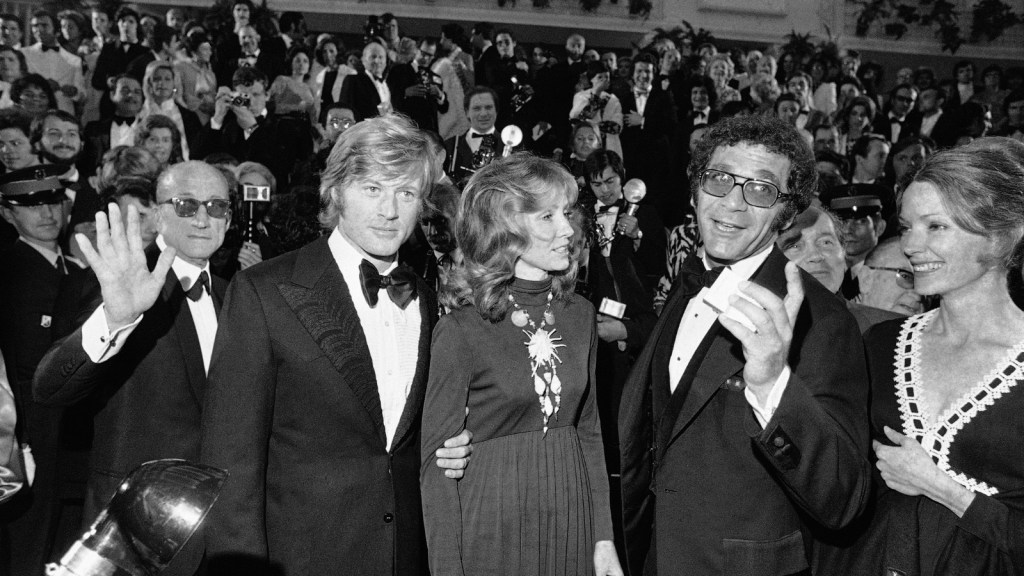
Sydney Pollack was an American director best known for his wide-ranging storytelling and poignant dramas, such as Out of Africa and The Way We Were. His work earned him considerable recognition, including Academy Awards.
Pollack’s films often revolved around complex, humanistic themes and characters dealing with personal and professional dilemmas. His work frequently explored the balance between societal expectations and individual desires, showcased in films like The Firm, where a young lawyer battles moral quandaries within a corrupt law firm. His movies often feature protagonists in extraordinary circumstances that force them to confront their values, as in Jeremiah Johnson, where the eponymous character grapples with the harsh realities of wilderness survival and solitude.
Pollack’s style was understated yet sophisticated, often utilising natural lighting and location-based shooting to heighten the film’s realism. His approach towards cinema was deeply rooted in the classical Hollywood tradition, focusing on strong narrative structure, character development, and emotional depth. They Shoot Horses, Don’t They? exemplified his knack for creating dramatic tension and an engaging atmosphere through skilful editing and framing. Despite the conventional cinematic language, Pollack imprinted his distinctive style, largely due to his actor-centred approach, drawing out nuanced performances that enriched the storytelling.
Pollack’s ability to blend art and commercial cinema while maintaining a keen focus on character-driven stories set a new standard in Hollywood. He successfully navigated different genres, proving his versatility and cementing his reputation as a director who could masterfully balance box-office success with critical acclaim.
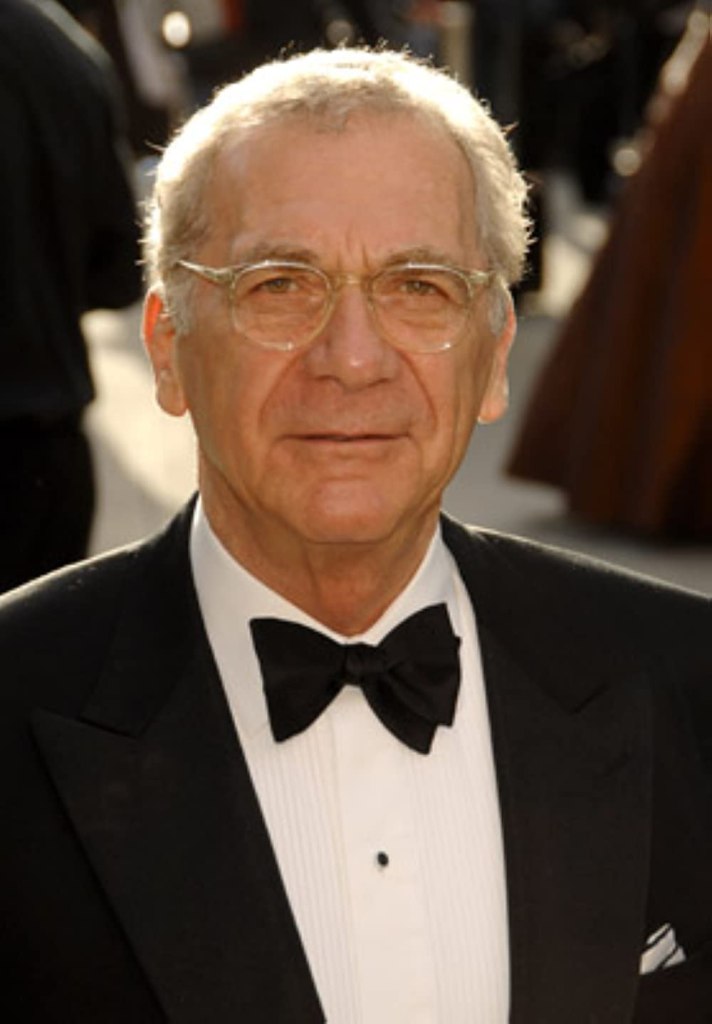
Sydney Pollack (1934 – 2008)
Calculated Films:
- They Shoot Horses, Don’t They (1969)
- Jeremiah Johnson (1972)
- Three Days of the Condor (1975)
- Tootsie (1982)
Similar Filmmakers
- Alan J. Pakula
- Arthur Hiller
- Barry Levinson
- George Roy Hill
- Gilbert Cates
- Hal Ashby


Sydney Pollack’s Films Ranked
1. They Shoot Horses, Don’t They (1969)
Genre: Drama

2. Jeremiah Johnson (1972)
Genre: Revisionist Western, Survival

3. Three Days of the Condor (1975)
Genre: Spy, Political Thriller, Mystery

4. Tootsie (1982)
Genre: Romantic Comedy, Satire

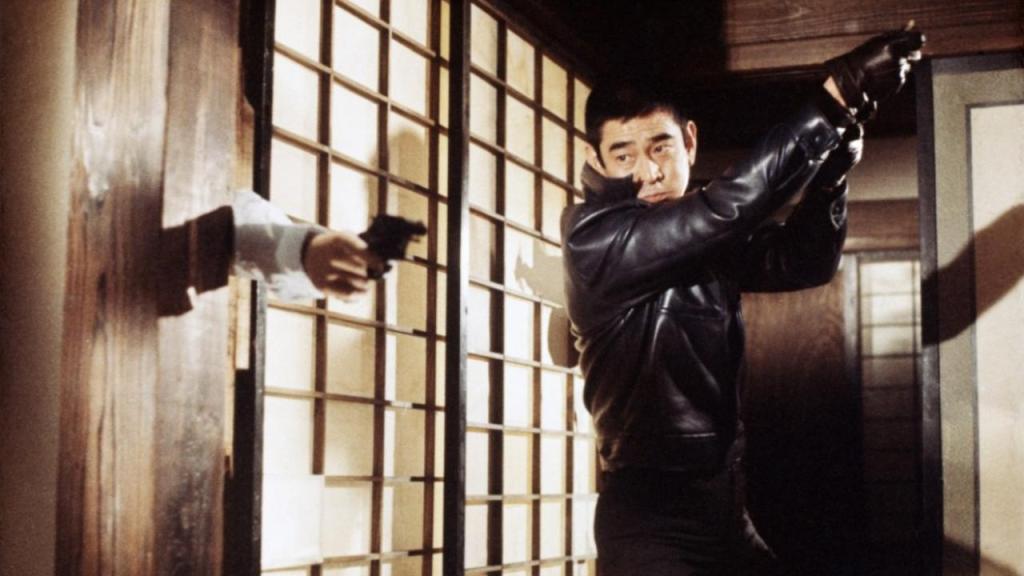
5. The Yakuza (1974)
Genre: Neo-Noir, Yakuza eiga
6. Out of Africa (1985)
Genre: Romance, Biographical, Period Drama

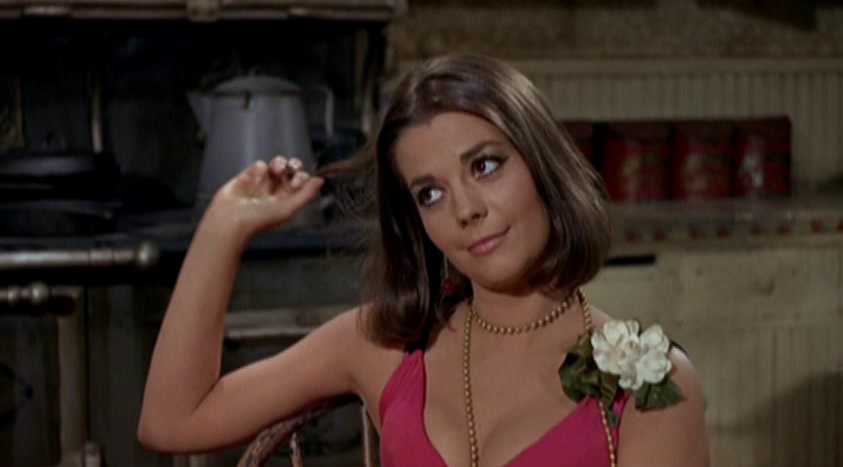
7. This Property is Condemned (1966)
Genre: Drama, Romance

8. The Way We Were (1973)
Genre: Drama, Romance

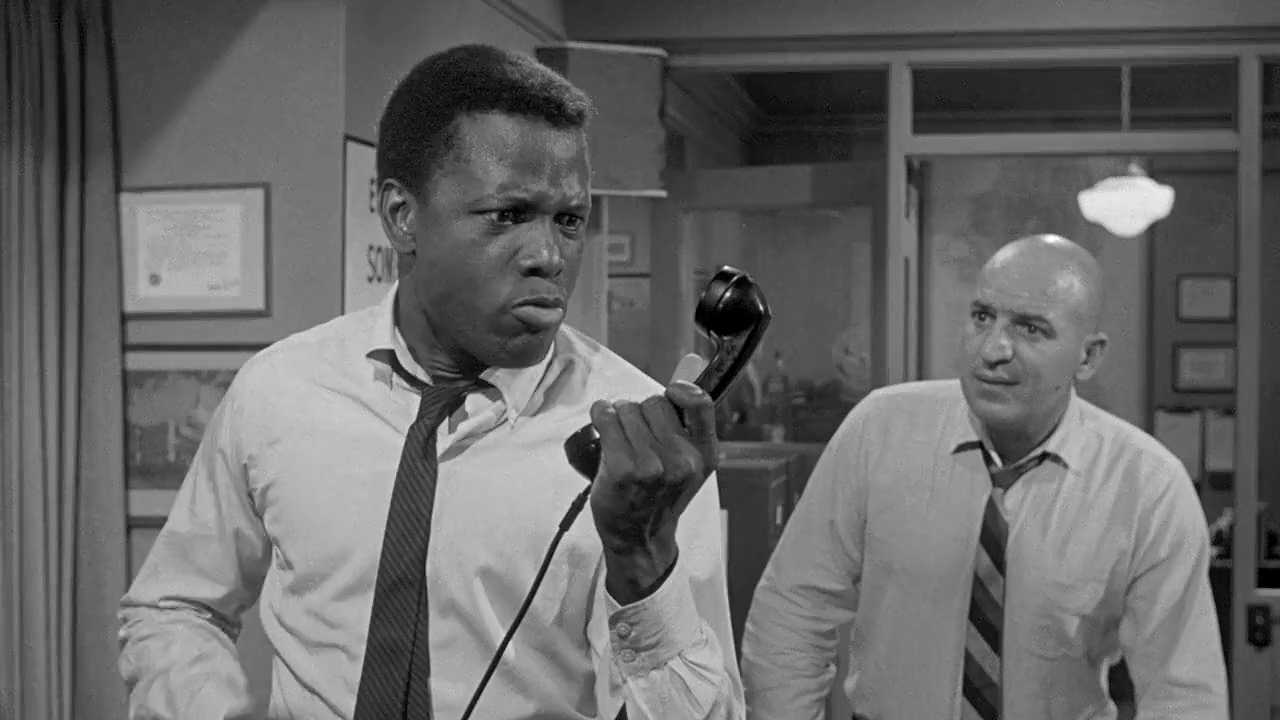
9. The Slender Thread (1965)
Genre: Drama, Thriller

10. The Firm (1993)
Genre: Thriller, Legal Drama, Crime

Sydney Pollack: Themes and Style
Themes:
- Human Relationships: Pollack frequently explored the dynamics between people, whether it was romantic, platonic, or professional. Films like The Way We Were and Out of Africa delved into complex romantic relationships and the challenges that come with them.
- Personal Transformation: Many of Pollack’s characters undergo significant personal journeys. For instance, Tootsie features a character who dresses as a woman to get acting jobs and learns about the challenges faced by women.
- Ethical Dilemmas: Pollack was keen on exploring moral ambiguity. Films like Three Days of the Condor and Absence of Malice place characters in situations where they must navigate moral grey areas.
- Culture and Environment: In films like Jeremiah Johnson and Out of Africa, the environment is as much a character as the protagonists, and the culture or setting plays a pivotal role in shaping the narrative.
Styles:
- Versatility: Pollack was a chameleon of genres. From romantic dramas to thrillers and comedies, his range was broad, which is a rarity among directors.
- Character-driven Narratives: Even in his most plot-heavy films, Pollack gave priority to character development, ensuring the audience deeply connected with the protagonists.
- Collaborative Spirit: He was known for his collaborations with actors and other filmmakers, resulting in authentic performances and rich narratives. His frequent collaboration with Robert Redford is a notable example.
- Visually Rich: Pollack often used cinematography to enhance the narrative, creating visually stunning scenes that complemented the story’s emotional weight.
Directorial Signature:
- Character-Centric: At the heart of a Pollack film is always a well-defined character. He gave actors the space to delve deep into their roles, bringing out nuanced performances.
- Emotional Depth: Pollack’s films are emotionally resonant. He masterfully used the medium to evoke strong emotions, ensuring the audience felt deeply connected to the narrative.
- Balancing Act: Even when dealing with heavy themes, Pollack’s movies often had moments of levity and a balanced tone that made them both engaging and reflective.
- Engaging Storytelling: Pollack had a knack for making even the most complex stories accessible. He did this by focusing on the human element, ensuring audiences could relate regardless of the film’s context or setting.
Sydney Pollack: The 259th Greatest Director


 Bronze Screen Dream