

Stuart Gordon was an American filmmaker and director primarily recognised for his influential work in the horror genre, known for his unique blend of dark humour, vivid imagination, and an unflinching willingness to push the boundaries of the genre. His directorial debut, Re-Animator, quickly became a cult classic, setting the tone for a career that would be characterized by bold storytelling and inventive adaptations of H.P. Lovecraft’s works. Gordon’s films are celebrated for their ability to combine gore and suspense with a peculiar sense of humour, creating an unforgettable and often unsettling experience for viewers.
Gordon’s journey in the film industry began in the theatre, where he founded the Organic Theater Company in Chicago, showcasing his penchant for innovative and provocative productions. This background in theatre deeply influenced his approach to filmmaking, evident in the dynamic character interactions and elaborate narrative structures seen in his movies. He transitioned to film with the instant success of Re-Animator. This film not only established Gordon as a formidable force in horror cinema but also demonstrated his skill in adapting complex literary material into compelling visual narratives. Despite the challenges faced by many horror directors, Gordon maintained a consistent presence in the genre, continually experimenting with themes and techniques. His career saw both highs and lows, with films like From Beyond and Dagon further cementing his reputation, while others, such as Space Truckers, showcased his willingness to explore beyond the conventional confines of horror and science fiction.
Gordon’s films explore the macabre and the supernatural, often employing innovative visual techniques to heighten the sense of unease and terror. For instance, in From Beyond, Gordon masterfully uses vibrant, surreal colours and practical effects to bring Lovecraftian horror to life, creating a visual experience that is as disturbing as it is captivating. His visual style is notable for its creativity in depicting gruesome and supernatural elements, using both practical and computer-generated effects to engage and unsettle the audience.
Many of Gordon’s films demonstrate a fascination with human psychology and the thin line between sanity and madness. He often centres his narratives around characters who undergo significant mental transformations as they encounter the unknown or the supernatural. In Dagon, the protagonists find themselves ensnared in a nightmarish scenario that challenges their perceptions of reality and identity, mirroring the viewer’s own disorientation and shock.

Stuart Gordon (1947 – 2020)
Calculated Films:
- Re-Animator (1985)
Similar Filmmakers
- Brian Yuzna
- Charles Band
- Clive Barker
- David Cronenberg
- Don Coscarelli
- Frank Henenlotter
- Fred Dekker
- George A. Romero
- Joe Dante
- John Carpenter
- Larry Cohen
- Lloyd Kaufman
- Lucio Fulci
- Peter Jackson
- Richard Stanley
- Sam Raimi
- Ted Nicolaou
- William Lustig
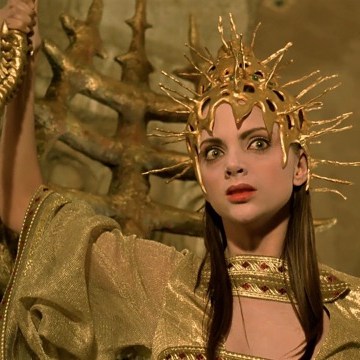
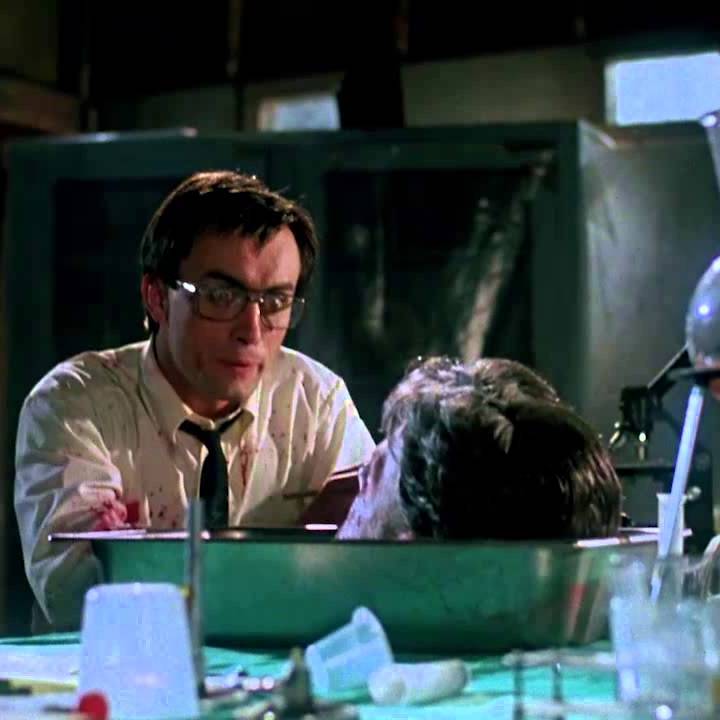
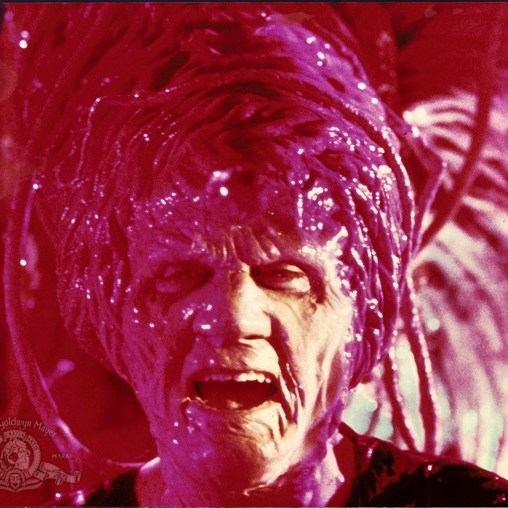
Stuart Gordon’s Top 5 Films Ranked
1. Re-Animator (1985)
Genre: Splatter, Body Horror, Zombie, Sci-Fi, Black Comedy, Horror Comedy
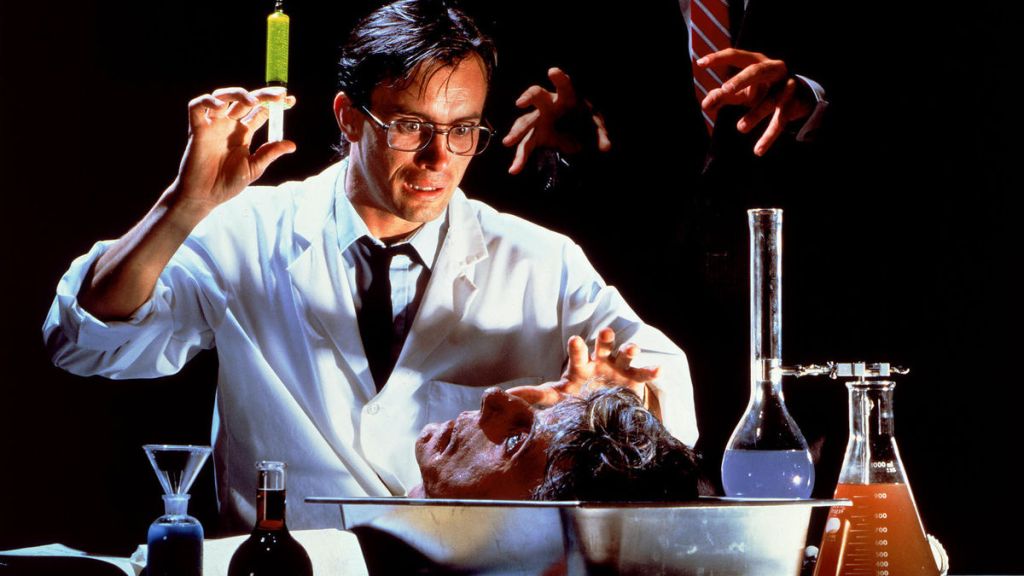
2. From Beyond (1986)
Genre: Body Horror, Sci-Fi, Cosmic Horror, Splatter

3. Dagon (2001)
Genre: Cosmic Horror

4. Stuck (2007)
Genre: Thriller, Black Comedy

5. Dolls (1987)
Genre: Supernatural Horror, Low Fantasy

Stuart Gordon: Themes and Style
Themes:
- Cosmic Horror and Lovecraftian Influence: Many of Stuart Gordon’s most notable works were directly adapted from or inspired by the works of H.P. Lovecraft. Films like Re-Animator, From Beyond, and Dagon revel in the themes of unfathomable cosmic terror and humanity’s insignificance.
- Body Horror: Films such as Re-Animator and From Beyond deal extensively with mutations, transformations, and grotesque alterations of the human form. Gordon had a penchant for pushing the boundaries of physical horror, showcasing gruesome scenes that toe the line between shock and dark comedy.
- Dark Humour: Gordon seamlessly melded horror with comedy. His films often contain moments of absurdity and irreverence, which play against the backdrop of intense horror.
- Moral Ambiguity: Characters in Gordon’s works often tread a fine line between good and evil. This moral grey area adds depth to his horror tales, presenting characters who, despite their flaws, elicit sympathy.
Styles:
- Practical Effects: One of the defining features of Gordon’s filmmaking was his use of practical effects. Instead of relying on CGI, Gordon’s films utilised physical props and makeup to achieve their ghastly visuals, lending a tactile, realistic quality to his horrors.
- Vivid Color Palette: Films like From Beyond are known for their striking use of colour, particularly shades of purple and pink. This psychedelic palette amplifies the otherworldly nature of the events unfolding on screen.
- Theatrical Presentation: Before venturing into filmmaking, Gordon was deeply involved in theatre. This background influenced his directorial approach, resulting in scenes that often feel like staged plays, emphasising dialogue and actor performance.
Directorial Signature:
- Adaptation Mastery: Gordon was adept at adapting literary works, particularly those of H.P. Lovecraft, for the screen. He took liberties in his adaptations, infusing them with his creative vision, yet remained respectful to the source material’s essence.
- Ensemble Cast: Gordon frequently collaborated with certain actors, such as Jeffrey Combs and Barbara Crampton, creating a familiar ensemble feel across his films.
- Intimate Horror: Gordon had a knack for making horror personal. Whether it was through close-up shots that captured every grimace and drop of sweat or through the emotional turmoil of his characters, Gordon made sure the horror felt close to home.
- Narrative Pacing: Gordon’s films often start with a slower, deliberate pace, gradually building tension before culminating in an explosive climax. This slow-burn approach keeps audiences engaged and heightens the impact of the film’s final act.
Stuart Gordon – Great Director


 Bronze Screen Dream