

Steven Soderbergh is an acclaimed American film director known for his diverse projects across various genres and mediums. His debut feature Sex, Lies, and Videotape marked him as a pioneering figure in the independent film movement of the 1990s, while his later commercial successes like Erin Brockovich and Ocean’s Eleven solidified his reputation as a versatile and accomplished filmmaker. Throughout his career, Soderbergh has garnered numerous accolades, including an Academy Award for Best Director for his work on Traffic.
Soderbergh’s work often explores themes of power dynamics, morality, and identity. His films frequently delve into the complexities of the human condition, showcasing multi-faceted characters embroiled in moral dilemmas, as seen in Side Effects and The Girlfriend Experience. Notably, he often explores the world of crime and corruption, as seen in Traffic and the Ocean’s series. Soderbergh’s approach to filmmaking is recognised for its pragmatism and experimental nature. He often serves as a writer, director, and cinematographer on his films, a testament to his control over his cinematic vision.
Often adopting a pseudonym when serving as his own director of photography, Soderbergh crafts distinctive visuals tailored to the narrative of each film. This is evident in Traffic, where he uses different colour grading to distinguish between storylines, or in Contagion, where he utilises a clinical, detached aesthetic to underscore the film’s themes of global pandemic. His approach towards cinema is one of exploration and reinvention, constantly pushing the boundaries of form and content, earning him a reputation as one of the most innovative directors in contemporary American cinema.
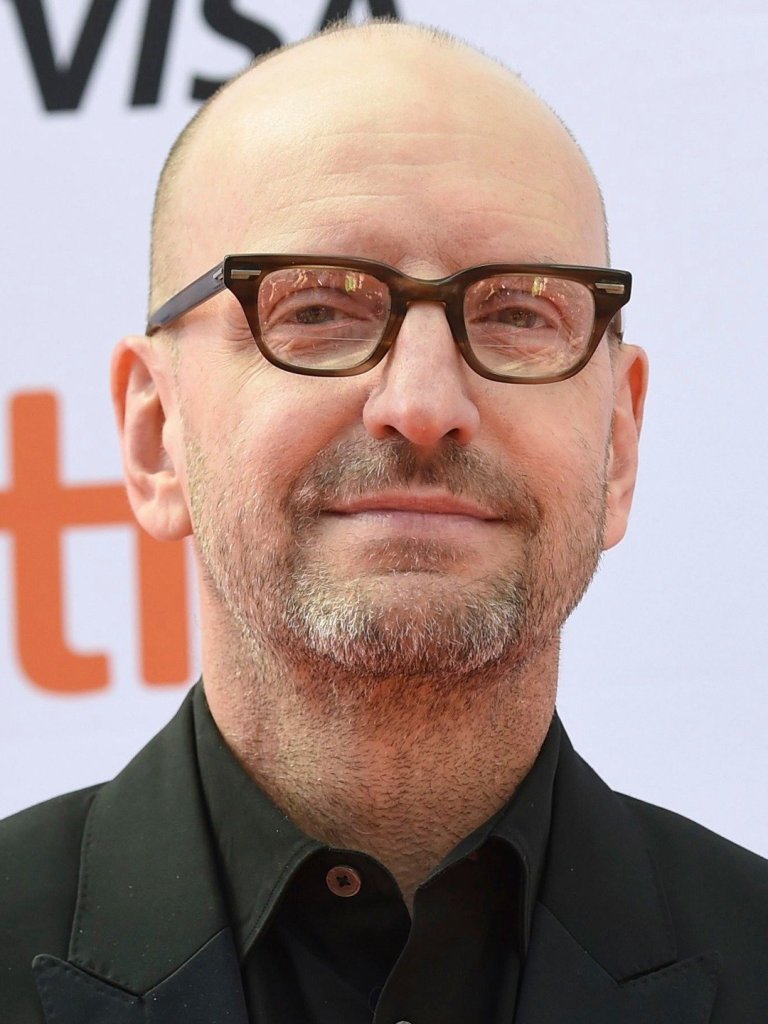
Steven Soderbergh (1963 – -)
Calculated Films:
- Sex, Lies and Videotapes (1989)
- Out of Sight (1998)
- Traffic (2000)
- Ocean’s Eleven (2001)
Similar Filmmakers
- Alfonso Cuaron
- Andrew Niccol
- Christopher Nolan
- Curtis Hanson
- Danny Boyle
- David Fincher
- David Lowery
- David Mamet
- George Clooney
- J.C. Chandor
- Jeff Nichols
- Jonathan Demme


Steven Soderbergh’s Top 5 Films Ranked
1. Sex, Lies and Videotapes (1989)
Genre: Psychological Drama

2. Out of Sight (1998)
Genre: Heist Film, Romance, Crime

3. Traffic (2000)
Genre: Crime, Drama
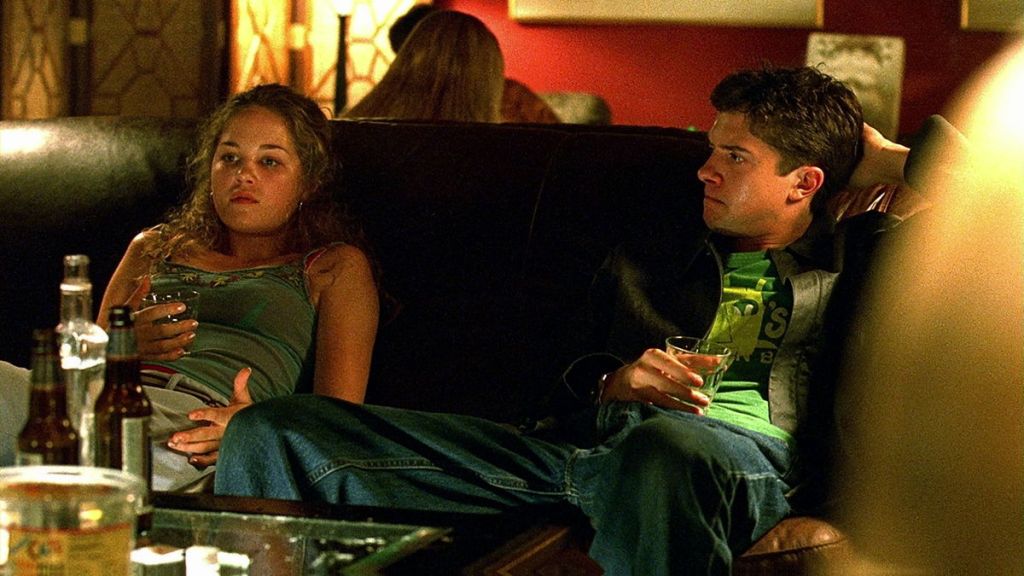
4. Ocean’s Eleven (2001)
Genre: Heist Film, Comedy, Crime

5. Che: Part One (2008)
Genre: Biographical, War, Period Drama

Steven Soderbergh: Themes and Style
Themes:
- Duality & Identity: Soderbergh often explores the complexities of identity and the human psyche. His characters frequently grapple with internal conflicts and duality, as evident in films like Sex, Lies, and Videotape and The Girlfriend Experience.
- Corporate Greed & Corruption: In films like Erin Brockovich and The Informant!, Soderbergh exposes the sinister aspects of corporate culture, exploring themes of greed, ethics, and their impact on individuals and communities.
- Heist & Crime: With the “Ocean’s” trilogy and Logan Lucky, he delves into the world of heists and crimes, blending suspense with humour and character-driven narratives.
- Technology & Surveillance: Soderbergh frequently addresses the growing impact of technology and surveillance on society and individual lives, demonstrated in films like Contagion and Side Effects.
Styles:
- Visual Experimentation: Soderbergh embraces a visually experimental style, often utilising unconventional framing, lighting, and camera movements to convey the narrative’s tone and atmosphere. His use of colour grading and handheld cameras contributes to the unique visual identity of his films.
- Non-linear Storytelling: He is known for employing non-linear and fragmented narrative structures that challenge viewers to engage with the story actively. Films like The Limey exemplify his mastery of crafting stories that are non-chronological yet coherent and compelling.
- Ensemble Cast: Soderbergh often works with ensemble casts, skillfully managing multiple characters and storylines to create a tapestry of interconnected narratives, as seen in Traffic and the “Ocean’s” trilogy.
- Genre Blending: He seamlessly blends different genres, incorporating elements of drama, comedy, thriller, and documentary styles to craft films that defy easy categorisation.
Directorial Signature:
- Cinematography Pseudonym: Often serving as his own cinematographer under the pseudonym Peter Andrews, Soderbergh has developed a distinctive visual style that complements his storytelling approach.
- Editing Pseudonym: Similarly, he frequently edits his films under the pseudonym Mary Ann Bernard, showcasing his hands-on approach to filmmaking and his commitment to crafting a specific narrative rhythm and pacing.
- Collaboration with A-list Actors: Soderbergh frequently collaborates with high-profile actors, drawing out nuanced performances that contribute to the depth and appeal of his films.
- Low-budget & High-budget Filmmaking: He navigates between making low-budget independent films and big-budget Hollywood productions with ease, demonstrating his versatility and adaptability as a filmmaker.
- Social Commentary: Many of Soderbergh’s films incorporate subtle or overt social commentary, reflecting his perspective on various societal issues, from public health to legal justice.
- Improvisational Filmmaking: He often encourages improvisation on set, allowing actors to explore their characters and contribute to the storytelling process actively.
Steven Soderbergh – Great Director


 Bronze Screen Dream