

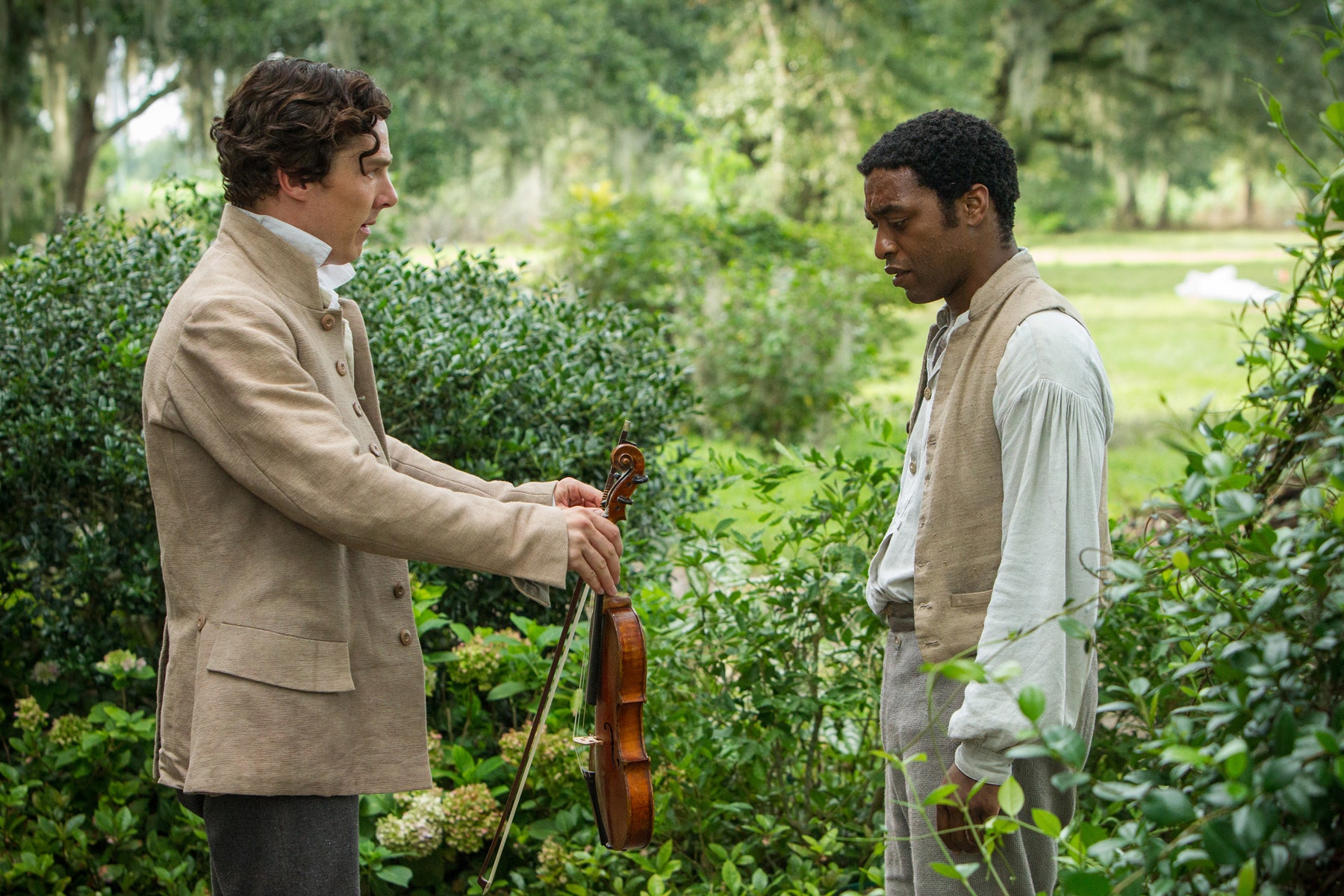
Steve McQueen, a British filmmaker and video artist, has established a distinguished reputation in contemporary cinema. Not to be confused with the late American actor of the same name, this McQueen is best known for his hard-hitting films such as 12 Years a Slave and Shame, which delve into themes of human struggle, social injustice, and the exploration of harsh realities.
McQueen’s journey into cinema is as unique as his films. Initially trained as a visual artist, he gained recognition for his experimental film installations. His background in fine arts eventually led him to feature filmmaking, where he transferred his conceptual approach to create uniquely impactful narratives.
McQueen’s films are hallmarked by their raw and unflinching exploration of human suffering and resilience. He often grapples with challenging subjects such as the legacy of slavery in 12 Years a Slave, addiction in Shame, and the Irish hunger strike in Hunger. McQueen’s keen interest in exploring painful and often overlooked aspects of history and society is evident in his filmography.
Visually, McQueen is known for his long takes, static camera, and remarkable use of naturalistic lighting. He masterfully employs these techniques to immerse his audience into the experience of his characters, ensuring that their pain, struggle, and resilience are felt rather than just observed. The brutal long take in Hunger of the conversation between Bobby Sands and the priest exemplifies his distinctive visual style.
Despite his relatively small body of feature films, McQueen’s influence on contemporary cinema is significant. His courage to confront painful subjects head-on has inspired a new wave of filmmakers to tackle social and historical issues. His impact is also felt in independent cinema, where his artistry and unorthodox approach to narrative have made him a touchstone for aspiring directors. His unique blend of visual artistry with searing social commentary has left an indelible mark on the film industry, pushing the boundaries of what is possible in cinematic storytelling.

Steve McQueen (1969–)
Calculated Films:
- Hunger (2008)
- Shame (2011)
- 12 Years A Slave (2013)
- Small Axe (2020)
Similar Filmmakers


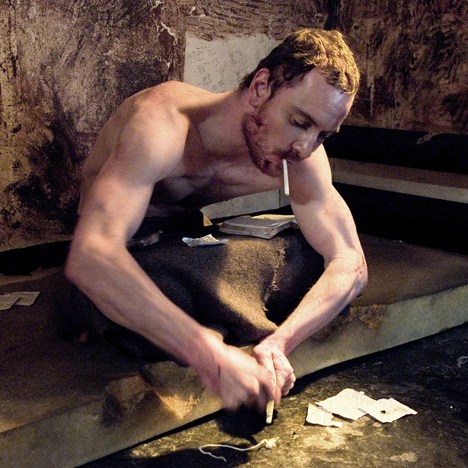
Steve McQueen’s Films Ranked
1. 13 Years A Slave (2013)
Genre: Biographical, Period Drama

2. Small Axe (2020)
Genre: TV, Music, Drama, Romance, Slice of Life, Legal Drama, Period Drama, Biographical, Coming-of-Age

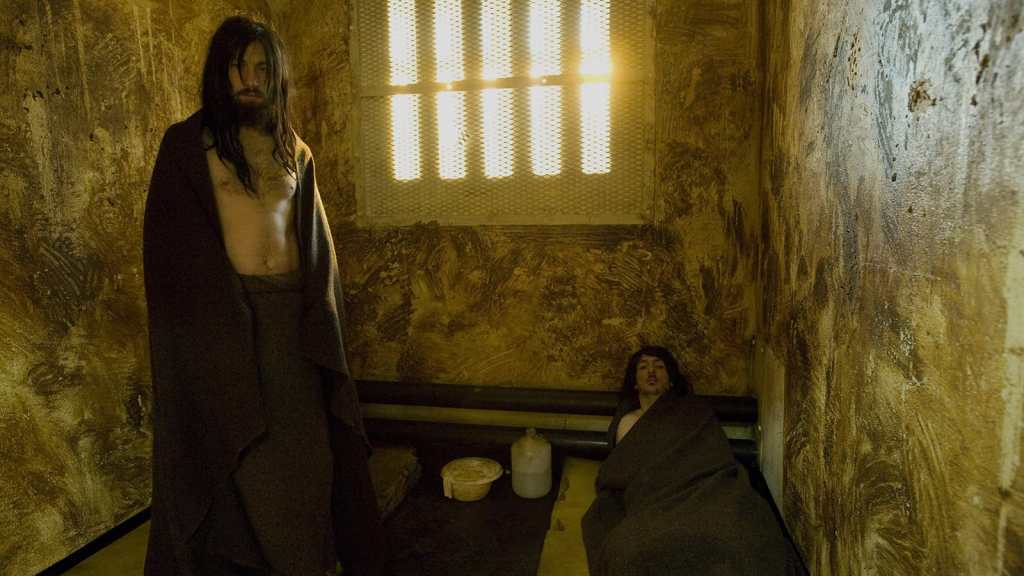
3. Hunger (2008)
Genre: Prison Film, Period Drama, Political Drama
4. Shame (2011)
Genre: Psychological Drama

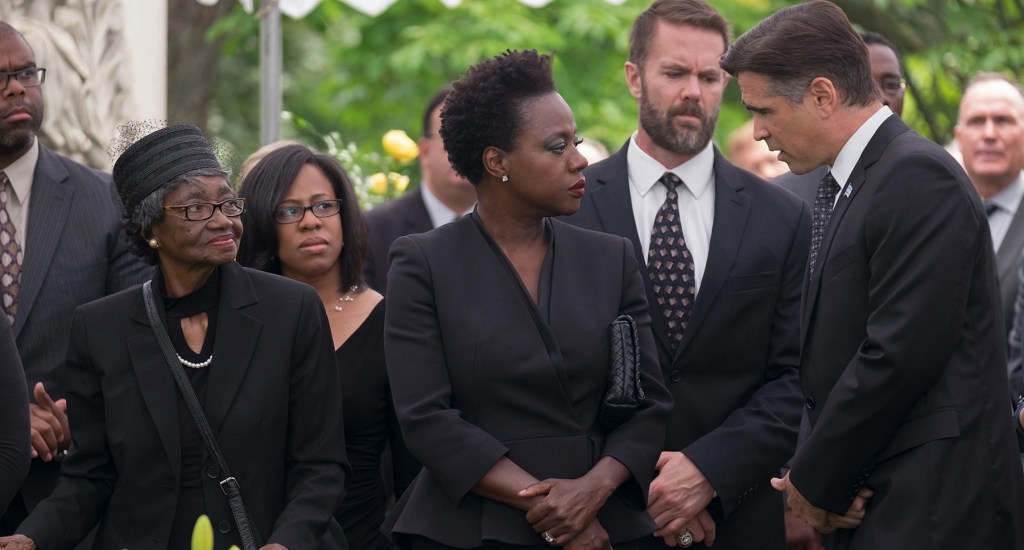
5. Widows (2018)
Genre: Heist Film, Drama, Thriller
Steve McQueen: Themes and Style
Themes:
- Social Injustice: Many of McQueen’s films touch upon societal inequities, whether it’s the chilling depiction of slavery in 12 Years a Slave or the IRA hunger strike in Hunger.
- Physical and Psychological Endurance: His characters often face intense physical and psychological trials, as evident in Hunger and Shame.
- Identity and Personal Struggles: Shame deals with addiction and personal demons, while Widows delves into the roles women are expected to play and how they break from those moulds.
- Historical Narratives: McQueen dives deep into history to portray real-life events and individuals, making them relevant for contemporary audiences.
Styles:
- Long Takes: McQueen is known for using prolonged shots without cuts, allowing tension to build and forcing the audience to remain in the moment. Examples include the long conversation scene in Hunger and the jogging sequence in Shame.
- Minimalistic Dialogue: Rather than relying heavily on words, McQueen often lets the visuals, actor expressions, and ambience communicate the story.
- Visually Striking Composition: McQueen, having a background in fine arts, brings an artist’s eye to his films. Each frame often serves as a meticulously crafted artwork.
- Raw Realism: His films aren’t glossed over; they portray the bare, unfiltered sides of humanity, making them intense and, at times, challenging to watch.
Directorial Signature:
- Intimate Portrayal of Characters: McQueen’s characters are deeply fleshed out. The audience doesn’t just watch them; they get inside their heads, understanding their motivations, fears, and desires.
- Collaborative Approach: McQueen frequently collaborates with certain individuals, like actor Michael Fassbender and cinematographer Sean Bobbitt, creating a distinctive look and feel across his films.
- Immersive Soundscapes: Sound and silence play crucial roles in his films. The lack of score or the intentional use of ambient sounds can be as evocative as any dialogue.
- Challenging Norms: McQueen never shies away from taboo subjects or societal issues. Instead, he challenges the norms and sparks conversations through his bold storytelling.
- The Dichotomy of Beauty and Brutality: McQueen has a unique ability to capture moments that are simultaneously beautiful and brutal, drawing audiences into a visceral emotional experience.
Steve McQueen: The 147th Greatest Director


 Bronze Screen Dream