

Stephen Frears is a British filmmaker widely acclaimed for his versatile and dynamic approach to directing, with an extensive filmography that spans multiple genres. He is best known for helming both critically and commercially successful films, including Dangerous Liaisons, High Fidelity, and The Queen, with the latter earning him several nominations for prestigious awards.
Frears began his career in television before making his feature film debut with Gumshoe in 1971. He first gained international recognition with My Beautiful Laundrette, a groundbreaking drama about a gay Pakistani-British man in Thatcher-era London that earned him an Academy Award nomination for Best Director.
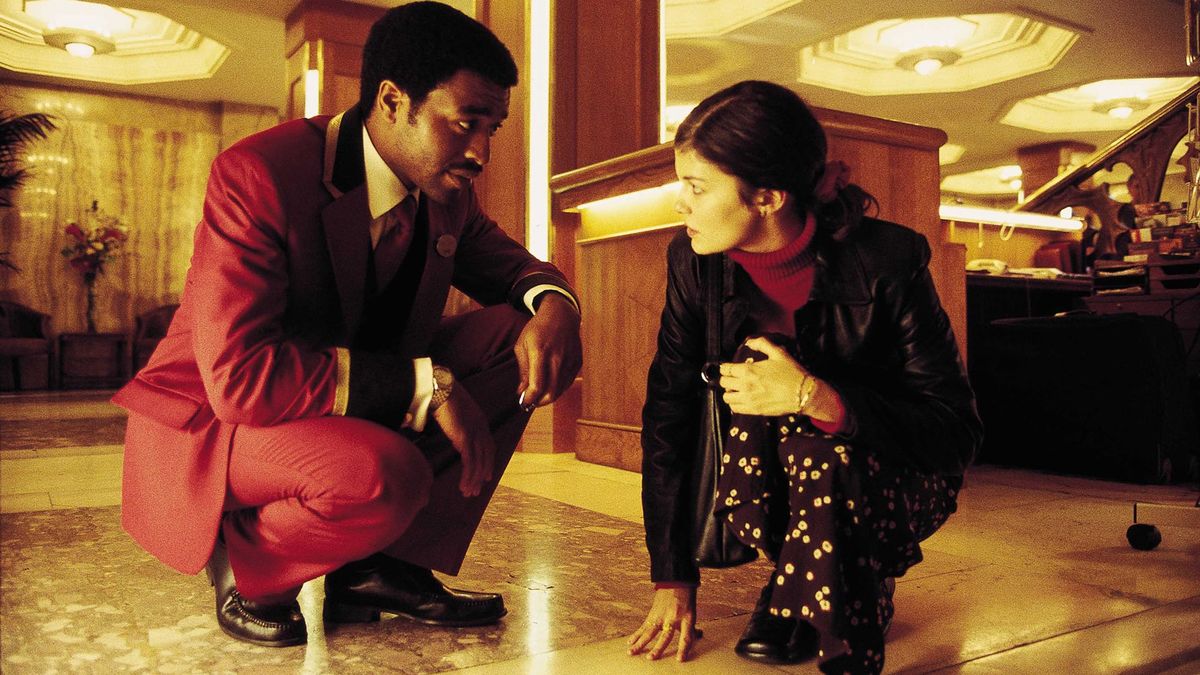
Frears went on to direct a string of critically acclaimed films in the 1980s and 1990s, including Dangerous Liaisons, The Grifters, and The Snapper. These films are notable for their complex characters, their biting social commentary, and their masterful performances from actors like Glenn Close, John Cusack, and Colm Meaney.
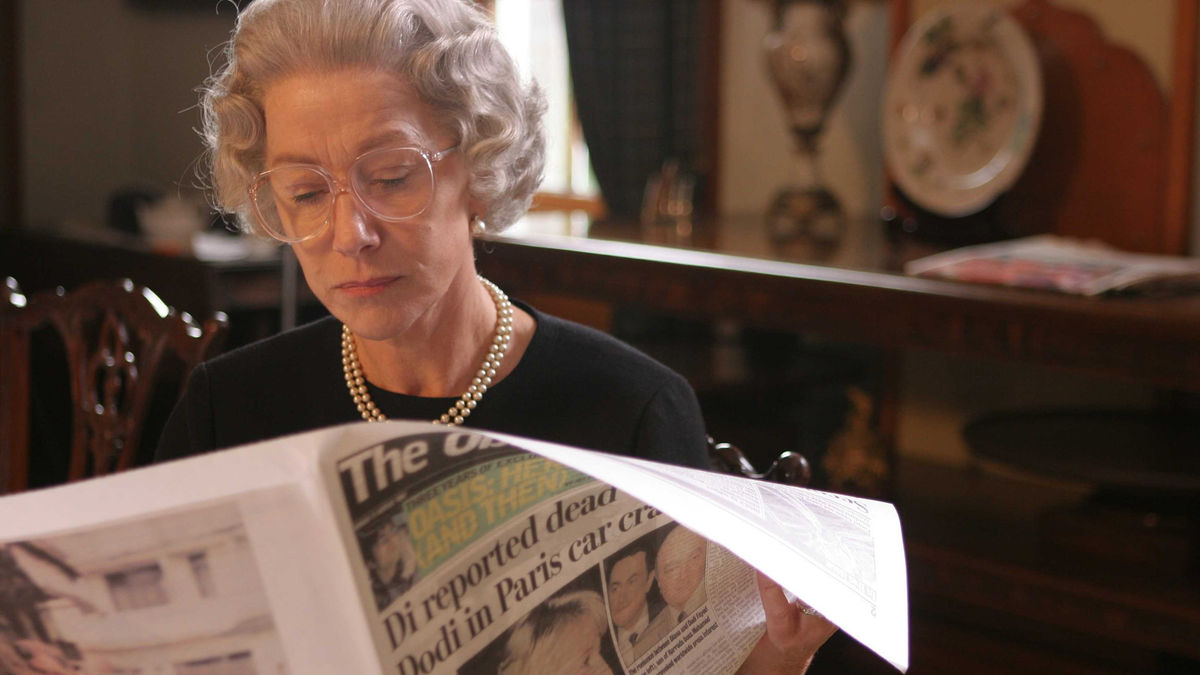
In 2006, Frears directed The Queen, a drama about the British royal family in the wake of Princess Diana’s death that earned Helen Mirren an Academy Award for Best Actress. The film was a critical and commercial success and cemented Frears’ reputation as one of the foremost directors of his generation. Throughout his career, Frears has demonstrated a remarkable ability to adapt to different genres and styles, from the gritty realism of Dirty Pretty Things to the lush period drama of Dangerous Liaisons. He has also been a champion of emerging talent, often casting young or unknown actors in key roles.

Stephen Frears (1941 – -)
Calculated Films:
- The Hit (1984)
- My Beautiful Laundrette (1985)
- Dangerous Liaisons (1988)
- High Fidelity (2000)
Similar Filmmakers
- Alan Parker
- Antonia Bird
- Danny Boyle
- James Marsh
- Jim Sheridan
- John Boorman
- John Madden
- Ken Loach
- Lone Scherfig
- Michael Winterbottom
- Mike Leigh
- Mike Newell
- Neil Jordan
- Richard Linklater
- Roger Michell
- Stephen Daldry
- Tom Hooper
- Tony Richardson


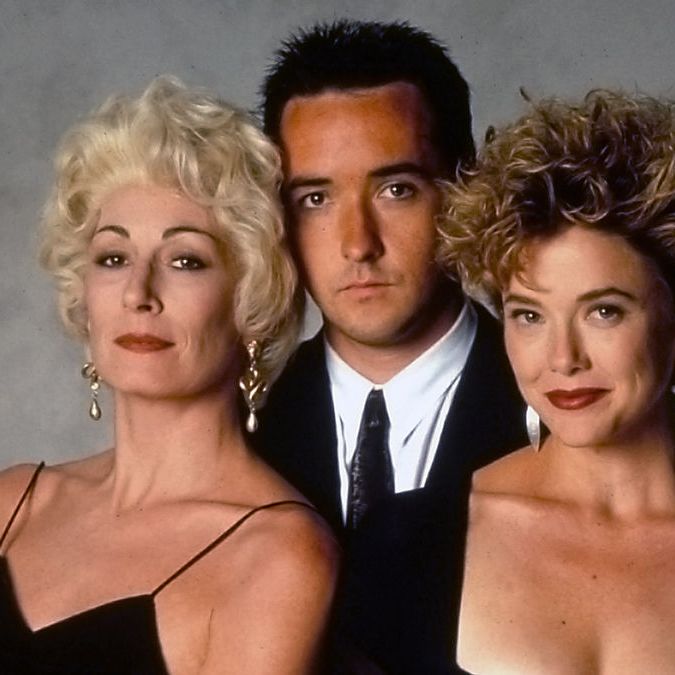
Stephen Frears’ Top 5 Films Ranked
1. Dangerous Liaisons (1988)
Genre: Romance, Period Drama
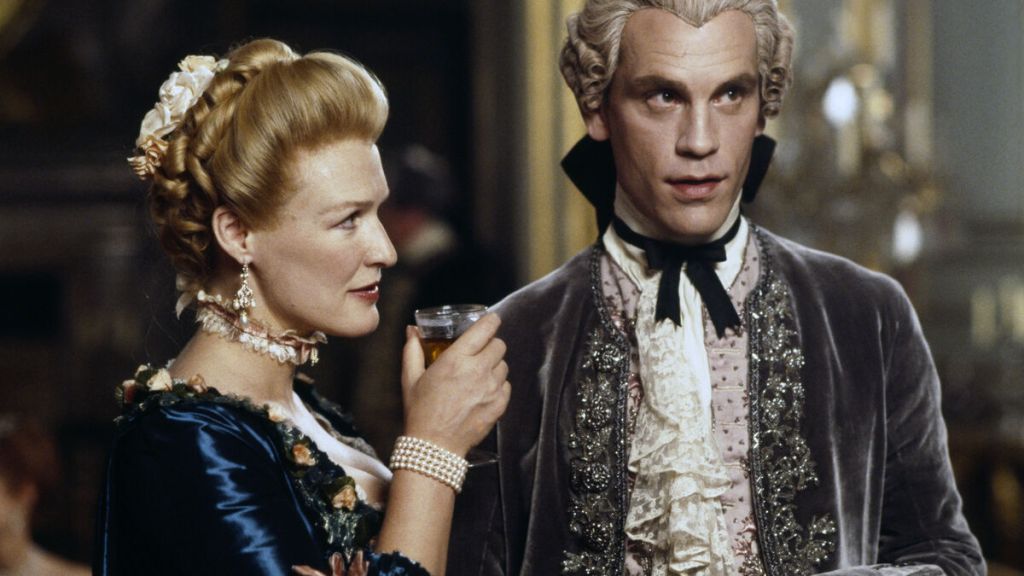
2. High Fidelity (2000)
Genre: Romantic Comedy, Music, Drama
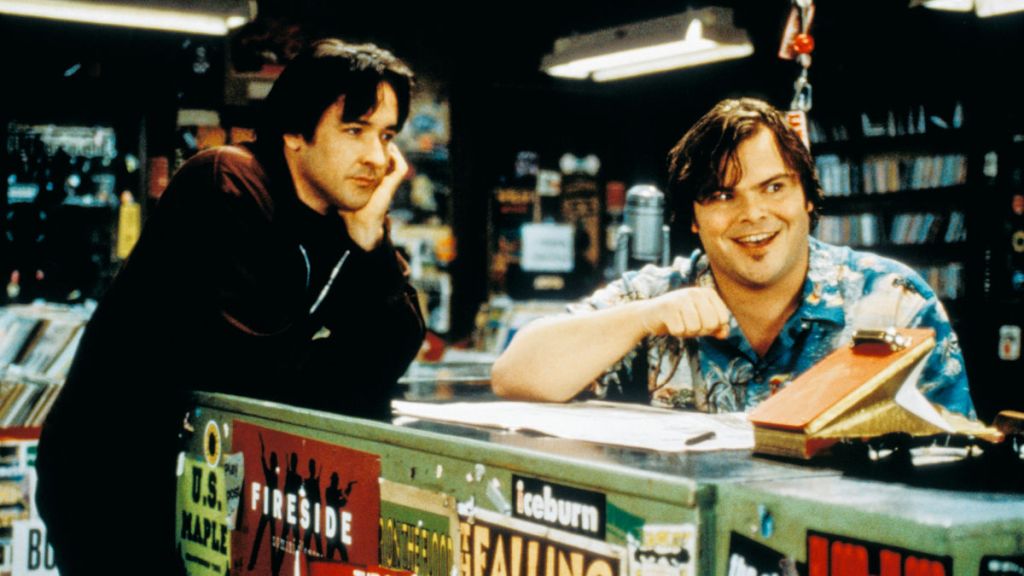
3. Prick Up Your Ears (1987)
Genre: Biographical, Drama
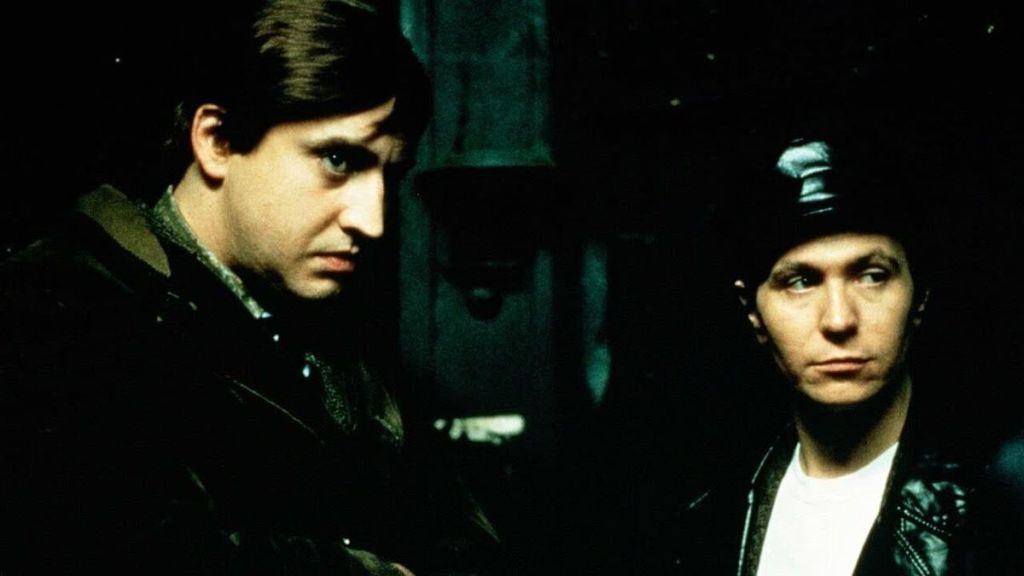
4. The Hit (1984)
Genre: Crime, Road Movie, Drama

5. Philomena (2013)
Genre: Drama, Biographical

Stephen Frears: Themes and Style
Themes:
- Social Class & Disparity: Frears often explores the dynamics of social class and economic disparity. His characters usually navigate a society delineated by class lines, providing insight into the struggles and aspirations of individuals from different socioeconomic backgrounds.
- Outsiders & Marginalised Individuals: Many of his films focus on characters living on the margins of society. These outsider perspectives allow Frears to delve into themes of identity, belonging, and alienation, often highlighting the resilience and ingenuity of his protagonists.
- British Society: The director frequently examines and critiques the facets of British society, reflecting on its complexities, contradictions, and humour. His films serve as both a mirror and a lens, offering viewers a nuanced understanding of the cultural and social milieu.
- Romantic Entanglements: Relationships and romantic entanglements often play a central role in Frears’s narratives. He portrays love in various forms, sometimes as a source of redemption and connection and at other times as a complicated, painful affair.
- Political & Historical Narratives: Frears doesn’t shy away from engaging with political and historical narratives, presenting stories that reflect on power dynamics, political intrigue, and significant historical events.
Styles:
- Genre Versatility: Frears is known for his ability to work across various genres, from thrillers and comedies to dramas and biopics. This versatility allows him to approach his themes from multiple angles, providing audiences with a varied and engaging body of work.
- Visual Storytelling: While his style isn’t ostentatious, Frears utilises effective visual storytelling techniques to convey mood and emotion. His compositions, framing, and use of colour subtly underscore the themes and characters within his films.
- Character-Centric: Frears pays significant attention to character development, crafting compelling, multifaceted individuals who drive the narrative. The characters’ dilemmas, choices, and personal growth are central to his storytelling approach.
- Narrative Pacing: Frears is adept at controlling the pace of his films, creating tension and momentum to keep the audience engaged. Whether through quick, witty exchanges or slow, contemplative moments, the pacing of his films reflects the narrative’s emotional and thematic core.
Directorial Signature:
- Narrative Accessibility: Frears makes films that are accessible to broad audiences without compromising on depth or complexity. He strikes a balance between commercial viability and artistic integrity.
- Intimate Storytelling: Even when addressing broad themes or depicting historical events, Frears’s storytelling remains intimate and character-driven.
- Balanced Tone: He adeptly balances tone, seamlessly integrating humor, drama, and suspense within a single narrative. This balance contributes to the engaging and dynamic nature of his films.
Stephen Frears – Great Director


 Bronze Screen Dream