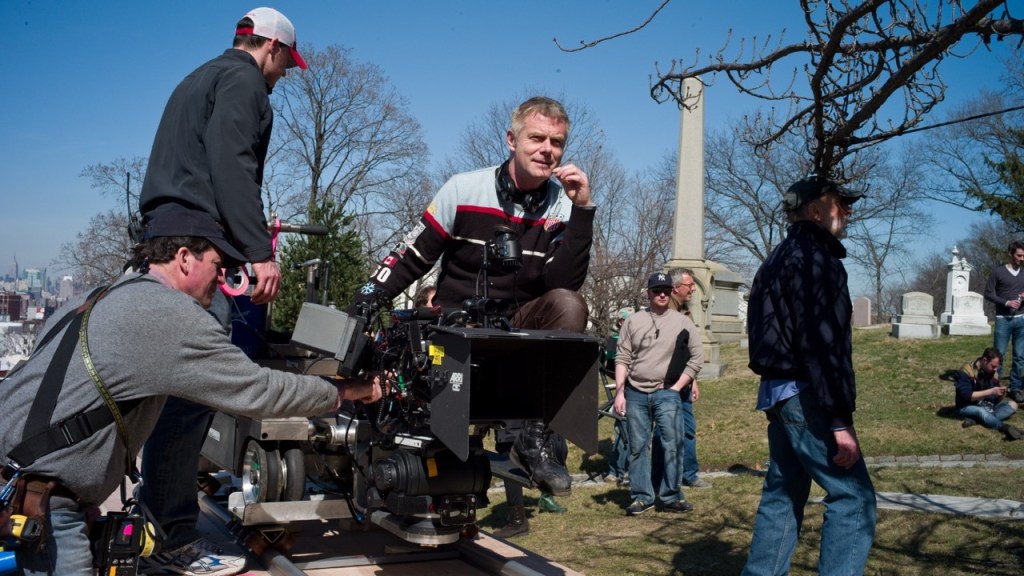
Stephen Daldry is a British filmmaker and theatre director, celebrated for his versatile work across film, theatre, and television. His directorial ventures are marked by a profound ability to delve into complex emotional narratives, often exploring themes of personal identity, societal constraints, and the transformative power of art. Daldry gained international recognition through films such as The Hours and Billy Elliot, showcasing his skill in adapting stage works for the screen and his knack for eliciting powerful performances from his actors. His work is distinguished by a keen eye for detail, a deep understanding of character dynamics, and a penchant for storytelling that resonates on a universal level.
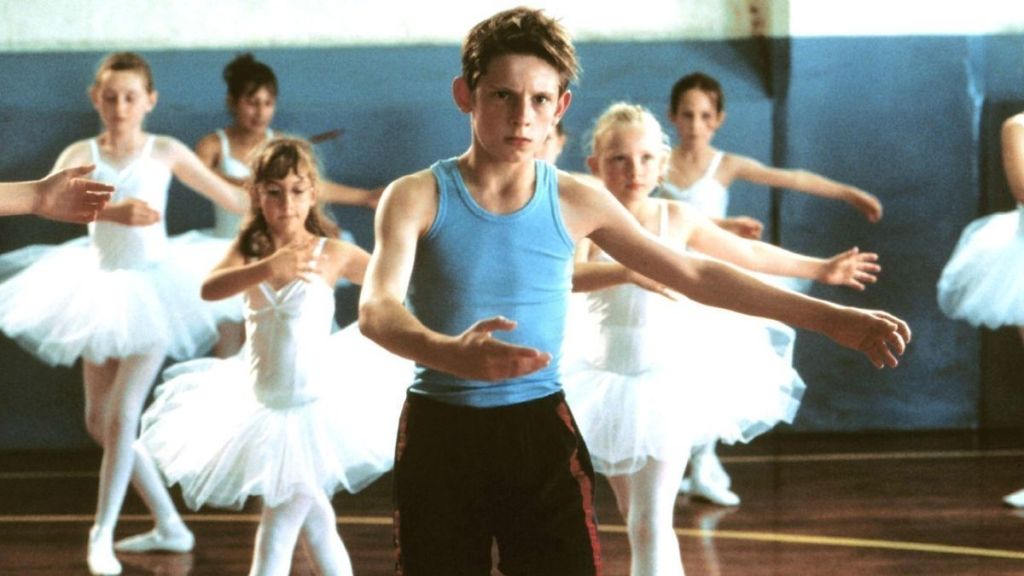
Daldry’s filmography is particularly distinctive for its consistent exploration of complex, often troubled characters navigating through critical periods of their lives. For instance, Billy Elliot vividly portrays a young boy’s struggle to pursue his passion for dance amidst the socio-economic challenges of the 1984 miners’ strike in England. The director crafts narratives that are both personal and deeply intertwined with broader socio-political contexts, thereby allowing audiences to connect intimately with the characters while also reflecting on larger societal issues. Daldry also tends to focus on themes of identity, self-discovery, and resilience, which are manifest in the lives of his multi-faceted characters as they grapple with internal and external conflicts.
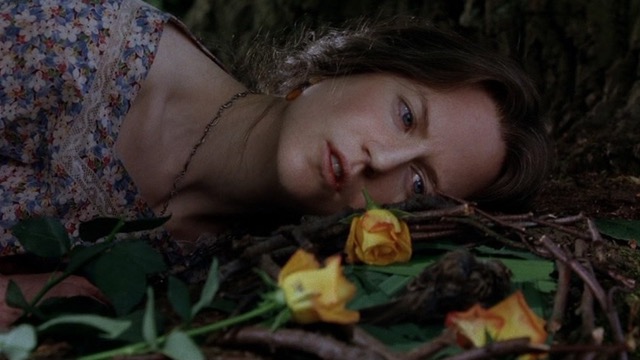
He employs a style that can be described as both elegant and emotionally charged. He has a knack for using the camera to delve deeply into the psyche of his characters, offering audiences a window into their vulnerabilities and strengths. His use of mise-en-scène is meticulous, helping to craft atmospheres that are as compelling and intricate as the narratives themselves. For example, in The Hours, he deftly interweaves three seemingly disparate narratives into a cohesive whole, with each storyline reflecting on themes of existential despair and the search for meaning.

Stephen Daldry (1960 – -)
Calculated Films:
- Billy Elliot (2000)
- The Hours (2002)
Similar Filmmakers
- Danny Boyle
- J.A. Bayona
- James Marsh
- Joe Wright
- Kenneth Branagh
- Kevin Macdonald
- Lenny Abrahamson
- Lone Scherfig
- Mark Romanek
- Mike Leigh
- Nicholas Hytner
- Phyllida Lloyd
- Richard Eyre
- Roger Michell
- Sam Mendes
- Shane Meadows
- Stephen Frears
- Tom Hooper

Stephen Daldry’s Top 5 Films Ranked
1. Billy Elliot (2000)
Genre: Drama, Coming-of-Age
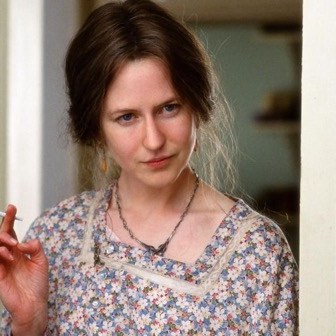
2. The Hours (2002)
Genre: Psychological Drama

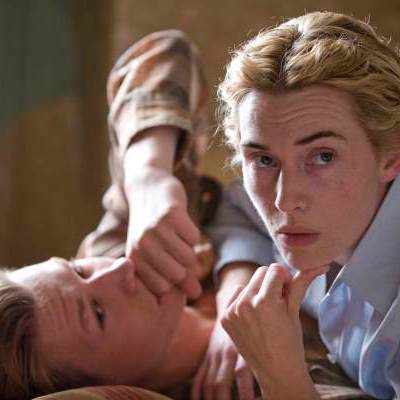
3. The Reader (2008)
Genre: Drama, Romance

4. Trash (2014)
Genre: Crime, Coming-of-Age

5. Extremely Loud & Incredibly Close (2011)
Genre: Drama, Mystery

Stephen Daldry: Themes and Style
Themes:
- Human Relationships: Daldry frequently explores intricate human relationships, focusing on familial and interpersonal dynamics. He dissects the ways individuals relate to one another and how their connections influence their personal development and understanding of the world.
- Societal Structures & Class: His works often shed light on societal structures, particularly the class system. Daldry examines the impacts of social class on individuals’ lives, aspirations, and limitations, as seen in films like Billy Elliot and The Hours.
- Identity & Self-discovery: Identity crisis and the journey towards self-discovery are pivotal themes in Daldry’s work. His characters often grapple with understanding who they are, navigating through societal expectations and personal aspirations.
- Gender Roles & Sexuality: He explores gender roles and sexuality, presenting characters who challenge or conform to societal norms while exploring their sexuality and gender identity, often in oppressive or limiting environments.
Styles:
- Visual Storytelling: Daldry employs a visually compelling storytelling style, utilising cinematography to accentuate the emotional depth and complexity of the narrative. His films often feature symbolic imagery and meticulously composed frames that reflect the characters’ internal states.
- Non-linear Narratives: His works often play with time and non-linear narrative structures. Films like The Hours intertwine multiple storylines across different periods, requiring audiences to engage actively with the unfolding narrative.
- Character-driven Stories: Daldry focuses on developing deeply layered, complex characters, allowing their development and interactions to drive the narrative forward. He invests in delivering a detailed character study that lends depth to the story.
- Theatrical Flair: Given his background in theatre, Daldry’s films often exhibit a theatrical sensibility, from the dialogue delivery and acting styles to the set design and framing, lending his films a distinctive, stage-influenced aesthetic.
Directorial Signature:
- Emotional Depth: His films are imbued with emotional depth and sensitivity. Daldry masterfully evokes strong, often conflicting emotions, drawing viewers into the characters’ experiences and eliciting empathy and understanding.
- Strong Female Characters: Daldry’s work often centres around strong, complex female characters. Whether they are navigating through personal traumas, societal expectations, or identity crises, these characters are presented with nuance and depth.
Stephen Daldry – Great Director



 Bronze Screen Dream