

Stan Brakhage was an American experimental filmmaker who is widely regarded as one of the most important and influential figures in the history of avant-garde cinema. The director began making films as a teenager in the 1950s, using a variety of unconventional techniques and materials to create abstract, non-narrative works that challenged traditional notions of cinematic representation. His early films, such as Interim and Desistfilm, were marked by their rapid editing, kaleidoscopic visuals, and use of painted and scratched film stock.
As his career progressed, Brakhage continued to experiment with form and technique, creating films that ranged from hand-painted abstractions to documentaries and autobiographical works. He was particularly interested in the physical properties of film itself, and many of his works explored the ways in which light, colour, and texture could be used to create new forms of cinematic expression.
Some of Brakhage’s most famous films include Dog Star Man (1961-1964), a sprawling, multi-part epic that combines mythic imagery with personal symbolism, and The Act of Seeing with One’s Own Eyes, a harrowing documentary filmed in a morgue that challenges the viewer to confront the reality of death and decay.
Throughout his career, Brakhage remained committed to the idea of film as a deeply personal and expressive medium, one that could be used to explore the innermost depths of the human psyche. He was a prolific and tireless creator, making hundreds of films throughout his life and inspiring countless other filmmakers and artists with his vision and dedication.

Stan Brakhage (1933 – 2003)
Calculated Films:
- Anticipation of the Night (1958)
- Window Water Baby Moving (1959)
- Prelude: Dog Star Man (1962)
- Mothlight (1963)
- Dog Star Man (1964)
- The Act of Seeing with One’s Own Eyes (1971)
Similar Filmmakers
- Bruce Conner
- Derek Jarman
- Ernie Gehr
- Gunvor Nelson
- Hollis Frampton
- Jack Chambers
- James Benning
- Jonas Mekas
- Kenneth Anger
- Len Lye
- Marie Menken
- Maya Deren
- Michael Snow
- Nathaniel Dorsky
- Paul Sharitis
- Peter Kubelka
- Phil Solomon
- Tony Conrad

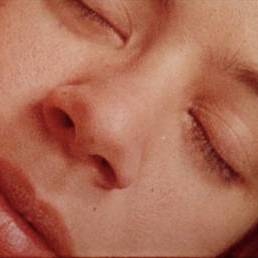

Stan Brakhage’s Top 5 Films Ranked
1. Dog Star Man (1964)
Genre: Abstract Film, New American Cinema

2. Window Water Baby Moving (1959)
Genre: New American Cinema, Diary Film
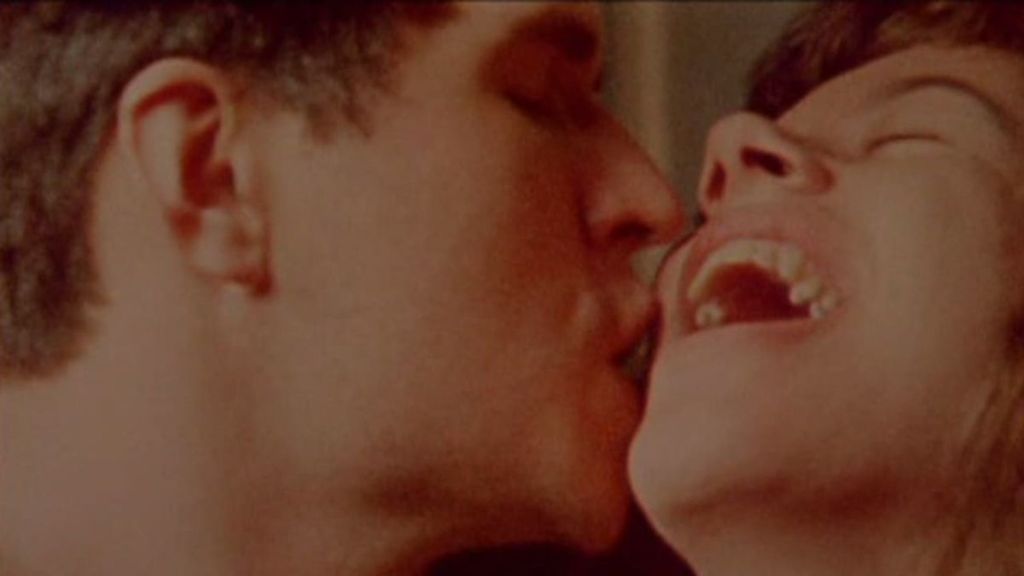
3. The Act of Seeing with One’s Own Eyes (1971)
Genre: Medical Documentary, Experimental

4. Black Ice (1994)
Genre: Abstract Film, Non-Camera Animation

5. The Dante Quartet (1987)
Genre: Abstract Film, Non-Camera Animation
Stan Brakhage: Themes and Style
Themes:
- Perception and Vision: Brakhage was deeply interested in the act of seeing. He explored what it means to see without preconceptions, aiming to represent the world not as it is but as the eye sees it.
- Nature and Cosmos: Many of Brakhage’s films delve into nature, the cosmos, and humanity’s place within it. This can be seen in epics like Dog Star Man, where he contemplates the broader universe and human existence.
- The Human Experience: From birth to death, Brakhage’s works touch on various aspects of life, often using his own life as a focal point. His films contemplate memory, dreams, and personal experiences.
- Myth and Poetry: Instead of traditional narratives, Brakhage’s films often follow a mythic or poetic structure, borrowing from different cultures and mythologies.
Styles:
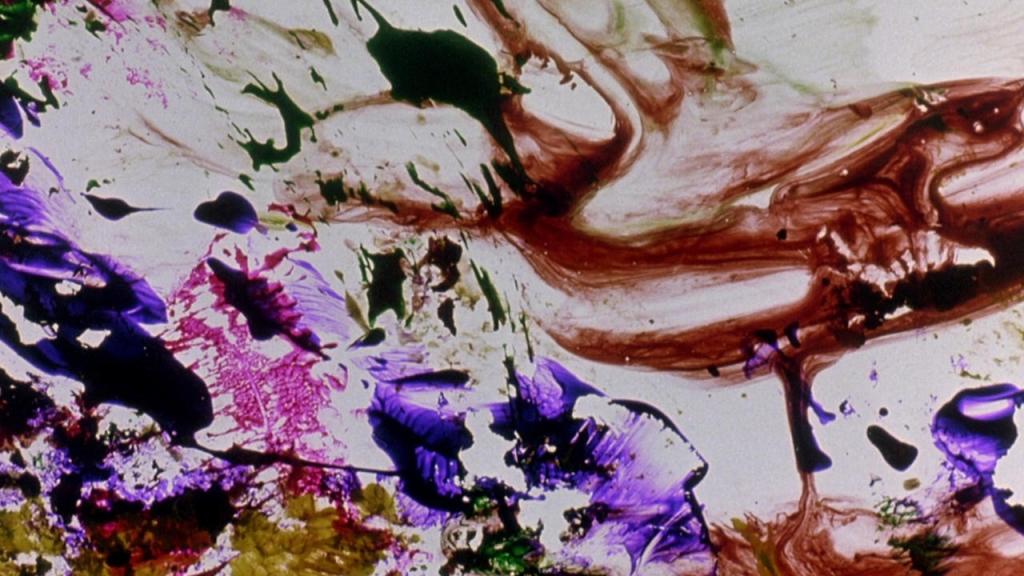
- Hand-painting and Scratching: He often painted or scratched directly onto film strips, resulting in vibrant bursts of colour or textured imagery, as seen in The Dante Quartet.
- Camera-less Filmmaking: In some films like Mothlight, he eschewed cameras entirely, pressing organic materials between film strips to create direct imprints of the physical world.
- Rapid Editing: He employed quick cuts to create a rhythm, juxtaposing images to challenge the viewer’s perception and comprehension.
- Non-narrative Structure: Forgoing traditional storytelling, his films are abstract and often lack a linear plot, focusing more on evoking emotions and visual sensations.
- Natural Light: He frequently used natural light to illuminate his subjects, giving his films a raw and organic feel.
Directorial Signature:
- Autobiographical Glimpses: Many of Brakhage’s films are deeply personal, offering glimpses into his life, family, and inner world. He often starred in his movies, blurring the lines between filmmaker, subject, and viewer.
- Closed-eye Vision: Brakhage aimed to capture the phenomenon of seeing patterns and colours when one’s eyes are shut. He was intrigued by this internal vision and often tried to reproduce it in his films.
- Silent Films: Many of Brakhage’s works are silent, emphasising the visual experience without the distraction or guidance of sound, forcing viewers to engage more deeply with the imagery.
- Organic Textures: Whether through hand-painted film strips, direct imprints of objects, or close-up shots of nature, Brakhage’s films have a tangible, textural quality that invites viewers to experience the world’s physicality.
Stan Brakhage – The 204th Greatest Director


 Bronze Screen Dream