

Spike Lee, an American cinema director, is best known for his provocative films delivering potent social commentary, particularly on race, urban crime, poverty, and politics. With films that vividly spotlight the African American experience, Lee’s work embodies his dedication to on-screen representation and diversity. His vibrant visual style, inventive narrative structures, and bold use of music accentuate his distinct voice in the film industry.
Born and raised in Brooklyn, New York, Lee’s career began in earnest when his student film won a Student Academy Award. This early success launched him into the public eye and marked the beginning of a long and prolific career. His films are typically set in New York City, with the city’s diverse culture, energy, and challenges shaping the lives of his characters, effectively making the city a character in its own right.
Recurring themes in Lee’s films are strongly rooted in social issues, demonstrating his commitment to driving conversations about societal challenges. His work frequently explores the complexities of the African American experience in the U.S., confronting racial tensions and socioeconomic disparities head-on. This is particularly evident in films like Do the Right Thing and Malcolm X, which offer incisive critiques of systemic racism.
The Grit and Groove of Spike Lee’s Urban Odes
Lee’s visual style is distinct and dynamic. Notably, he uses the “double dolly shot,” where characters seem to float through their environment, illustrating a state of disconnection or heightened emotion. This technique, combined with his use of vibrant colours and inventive camera angles, imbues his films with a distinctive aesthetic. Lee also frequently breaks the fourth wall, having characters speak directly to the camera, a technique that engages the audience and underscores specific themes or messages.
Music is crucial in many of Lee’s films, with jazz often taking centre stage. The score typically mirrors the culture of the characters, the setting, or the film’s themes, thereby enriching the narrative. Furthermore, Lee’s narratives often display non-linear structures, using flashbacks, episodic formats, and multi-narrative storylines to craft engaging and complex stories.
Lee’s bold filmmaking style and thematic focus have profoundly influenced cinema. His unflinching exploration of racial tensions and socio-political issues has inspired a new generation of filmmakers worldwide, including Ava DuVernay and Jordan Peele. His consistent commercial success, critical acclaim, and dedication to amplifying underrepresented voices affirm his significant place in film history. Despite the occasional controversy, Lee’s impact remains unquestionable, with his work continuing to spark vital conversations about race and society.

Spike Lee (1957 –)
Calculated Films:
- Do The Right Thing (1989)
- Malcolm X (1992)
- Inside Man (2006)
- BlacKkKlansman (2018)
- Da 5 Bloods (2020)
- David Bryne’s American Utopia (2020)
Similar Filmmakers
- Barry Jenkins
- Barry Levinson
- Carl Franklin
- Charles Burnett
- Coen Brothers
- F. Gary Gray
- John Cassavetes
- John Sayles
- John Singleton
- Kathryn Bigelow
- Martin Scorsese
- Melvin Van Pebbles


Spike Lee’s Top 10 Films Ranked
1. Do The Right Thing (1989)
Genre: Drama, Slice of Life

2. When The Levees Break: A Requiem in Four Acts (2006)
Genre: Documentary

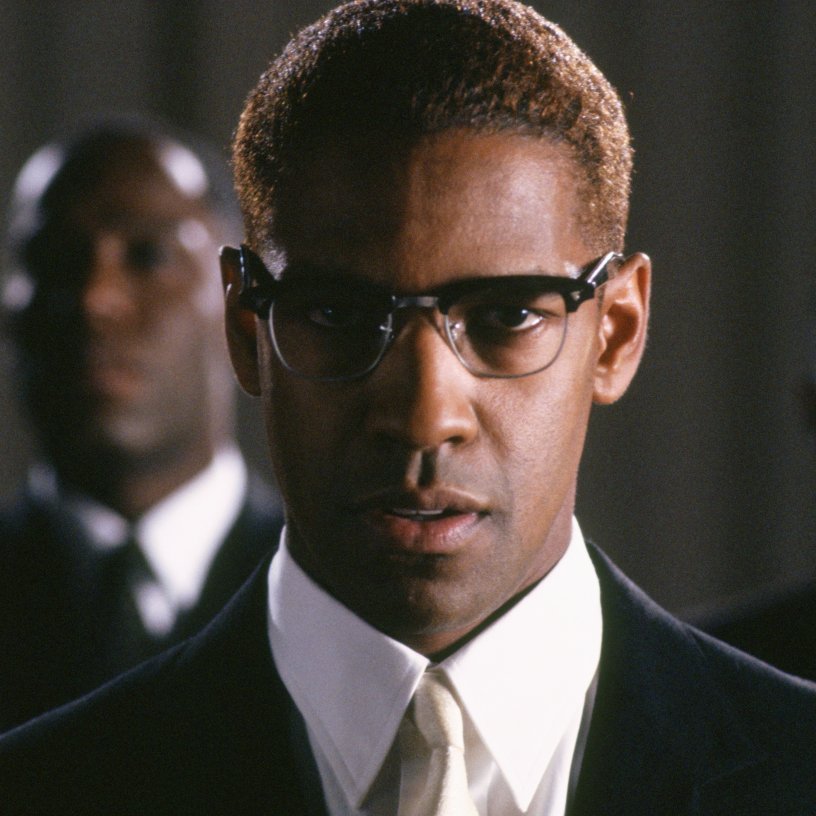
3. Malcolm X (1992)
Genre: Biographical, Political Drama

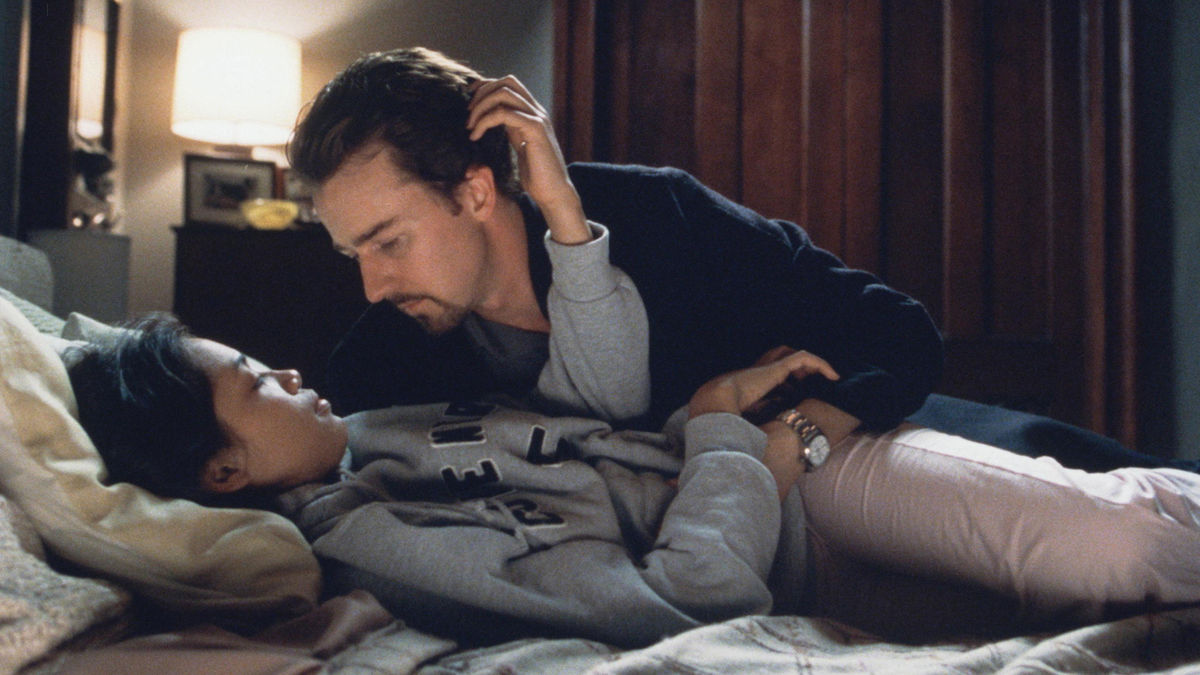
4. 25th Hour (2002)
Genre: Drama, Crime

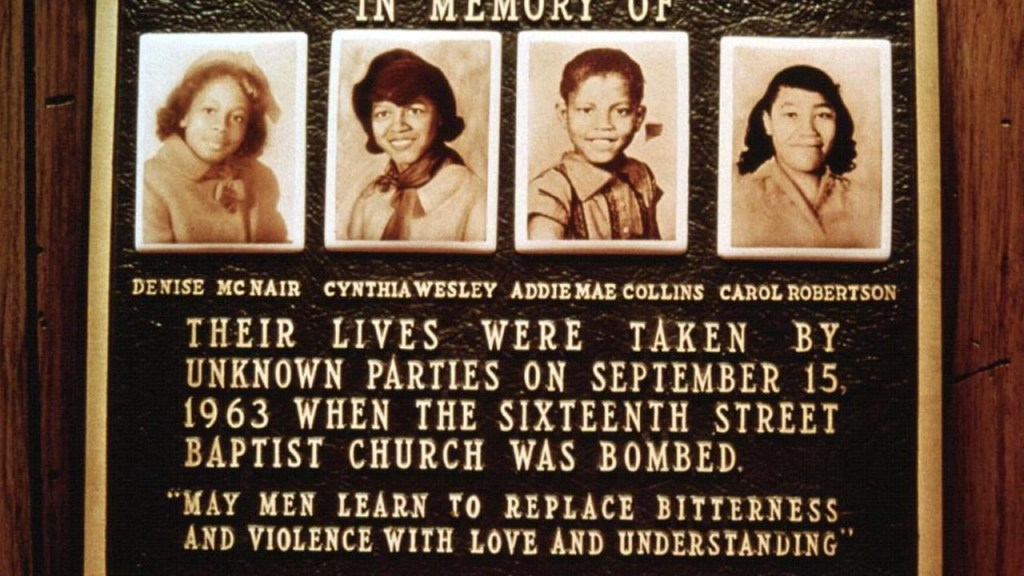
5. 4 Little Girls (1997)
Genre: Documentary
6. BlackKklansman (2018)
Genre: Police Procedural, Biographical

7. Inside Man (2006)
Genre: Heist Film, Thriller, Police Procedural

8. Crooklyn (1994)
Genre: Comedy, Drama, Family Drama

9. Bamboozled (2000)
Genre: Satire, Drama, Comedy

10. Clockers (1995)
Genre: Crime, Drama

Spike Lee: Themes and Style
Themes:
- Race and Racial Tensions: Lee often delves into the intricacies of race relations in the U.S., spotlighting the black experience, racial prejudices, and societal inequities.
- Urban Life and Its Challenges: Many of Lee’s films are set in urban environments, primarily Brooklyn, and explore the day-to-day challenges, camaraderie, and conflicts of city life.
- Politics and Activism: Lee does not shy away from making political statements in his films, touching on subjects like police brutality, political protests, and the broader implications of governmental policies on minority communities.
- Sexuality and Relationships: He often examines intimate relationships, infidelity, and the interplay between love and lust, as seen in films like She’s Gotta Have It.
- Cultural Identity: Lee’s films often explore the sense of belonging and the cultural identity of African Americans, delving into both pride and conflict.
Styles:
- Direct Address: Characters in his films frequently break the fourth wall and speak directly to the audience, making them more engaged and part of the narrative.
- Vibrant Colour Palette: Lee often employs a rich and bold colour palette, creating visually striking images that accentuate the film’s themes and emotions.
- Stylistic Camera Moves: One of Lee’s trademarks is the “floating” effect, where characters seem to glide or float toward the camera, creating a surreal feeling.
- Jazz Influences: Lee frequently collaborates with musicians, notably his father Bill Lee and later Terence Blanchard, to infuse his films with a distinct jazz-influenced soundtrack.
- Ensemble Casts: Lee often works with a recurring group of actors across multiple films, including Denzel Washington, Samuel L. Jackson, and John Turturro, among others.
Directorial Signature:
- Opening Credits Sequence: Lee often uses his opening credits as a mini-film, setting the tone for the movie. The dance sequence in Do The Right Thing is an iconic example.
- Personal Connection: Many of Lee’s works have a personal touch, either set in his hometown of Brooklyn or touching on issues that directly impact the African-American community.
- Provocative Storytelling: Lee doesn’t shy away from controversy. He crafts narratives that challenge the audience, provoke thought, and often push viewers out of their comfort zones.
- Cultural References: His films are peppered with nods to African-American culture, from music and sports to historical figures and events, grounding his stories in a rich cultural context.
Spike Lee: The 95th Greatest Director



 Bronze Screen Dream