
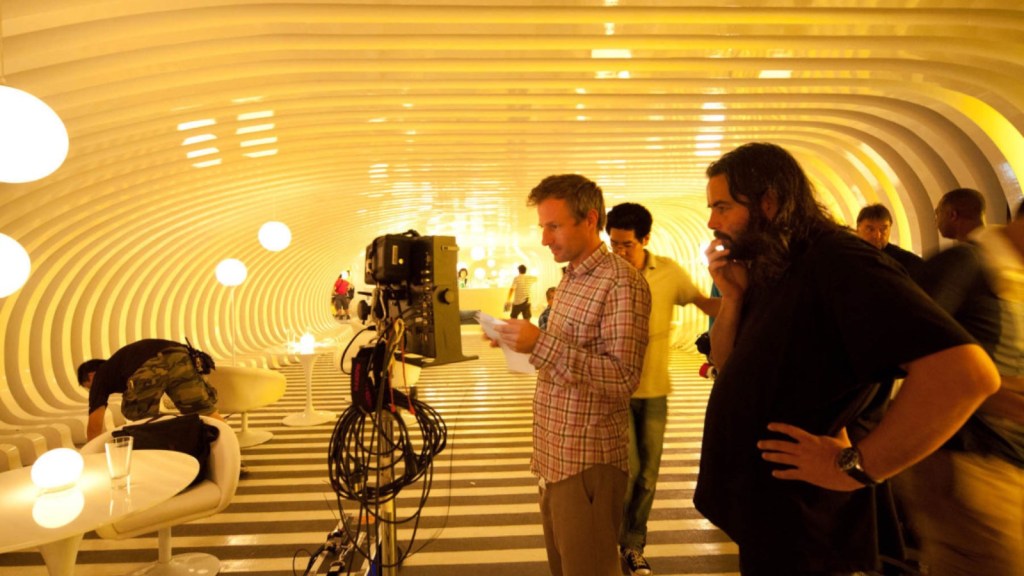
Spike Jonze is an American filmmaker well-regarded for his innovative and surrealist style of storytelling that often intertwines reality with elements of fantasy, absurdity, and surrealism. Having made a name for himself through his groundbreaking work in music videos, he transitioned into feature filmmaking, gaining critical acclaim and commercial success. With his unique take on genres and meticulous exploration of human relationships, Jonze has significantly impacted contemporary cinema with works like Being John Malkovich, Adaptation, and Her.
Jonze’s beginnings in music video directing laid the foundation for his characteristic cinematic style. His works exhibit vibrant visual creativity and rhythm, leveraging the dynamic relationship between sound and image to produce a striking aesthetic experience. This music video influence also helped shape his thematic interests. As evidenced in films like Being John Malkovich and Adaptation, Jonze’s collaboration with screenwriter Charlie Kaufman allowed him to delve deep into the intricate complexities of human relationships and emotions, resulting in narratively dense and emotionally resonant cinema.
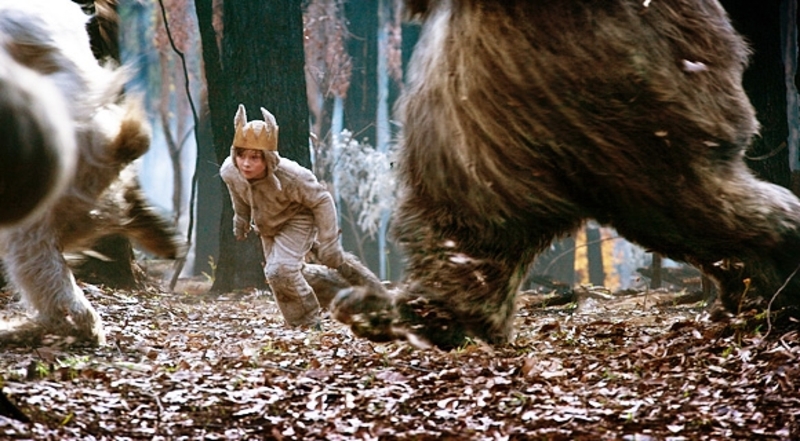
In terms of his visual style, Jonze is known for his imaginative use of metaphorical imagery to represent emotional states or abstract concepts. This visual storytelling is best exemplified in Where the Wild Things Are, where the wild creatures physically manifest the young protagonist’s emotions. Jonze also places a significant emphasis on deep and complex character development. Despite the often fantastical elements of his films, his characters are invariably empathetic and relatable, underscoring the humanistic touch at the heart of his directorial approach.
On another distinctive note, Jonze’s films frequently explore the intersection of technology and emotion. His innovative use of science fiction elements to explore these themes is most notable in Her, where an unconventional love story unfolds between a man and his AI-operated operating system. The film poignantly addresses the profound implications of our increasing reliance on technology and how it shapes our self-perception and relationships.
Jonze’s influence on cinema is far-reaching; directors such as Richard Ayoade in the UK, known for Submarine, and Michel Gondry in France, known for Eternal Sunshine of the Spotless Mind, have cited Jonze’s unique style and storytelling techniques as significant influences on their work. Spike Jonze has become a notable figure in filmmaking by constantly challenging the conventional boundaries of film genres, offering a fresh approach to narrative and character development, and presenting a unique blend of reality and surrealism.

Spike Jonze (1969–)
Calculated Films:
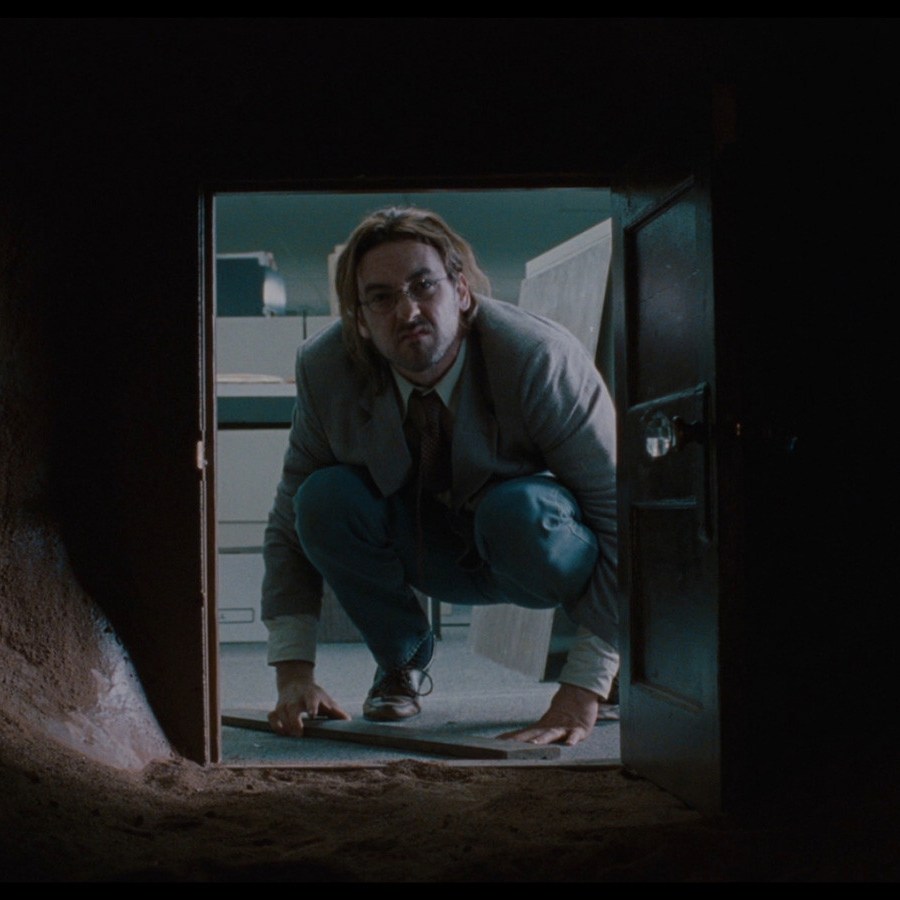
- Being John Malkovich (1999)
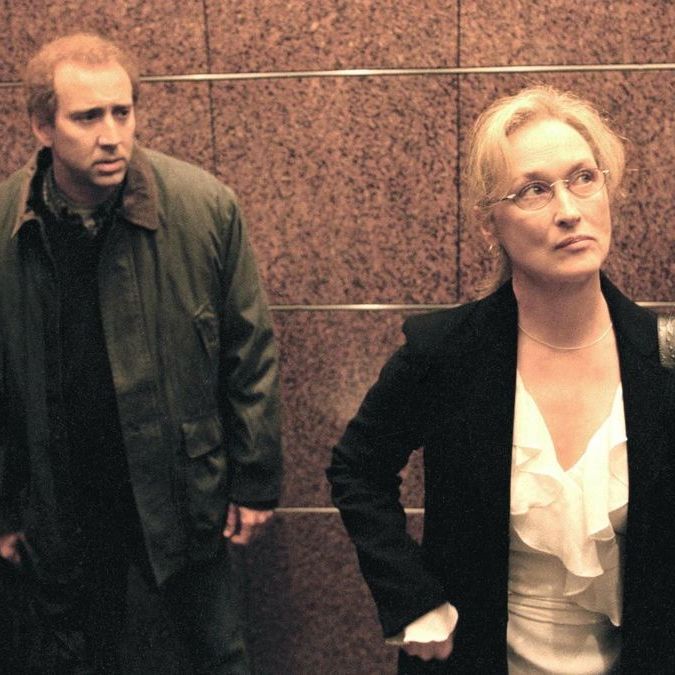
- Adaptation (2002)
- Her (2013)
Similar Filmmakers

Spike Jonze”s Films Ranked
1. Her (2013)
Genre: Romance, Sci-Fi, Drama, Artificial Intelligence

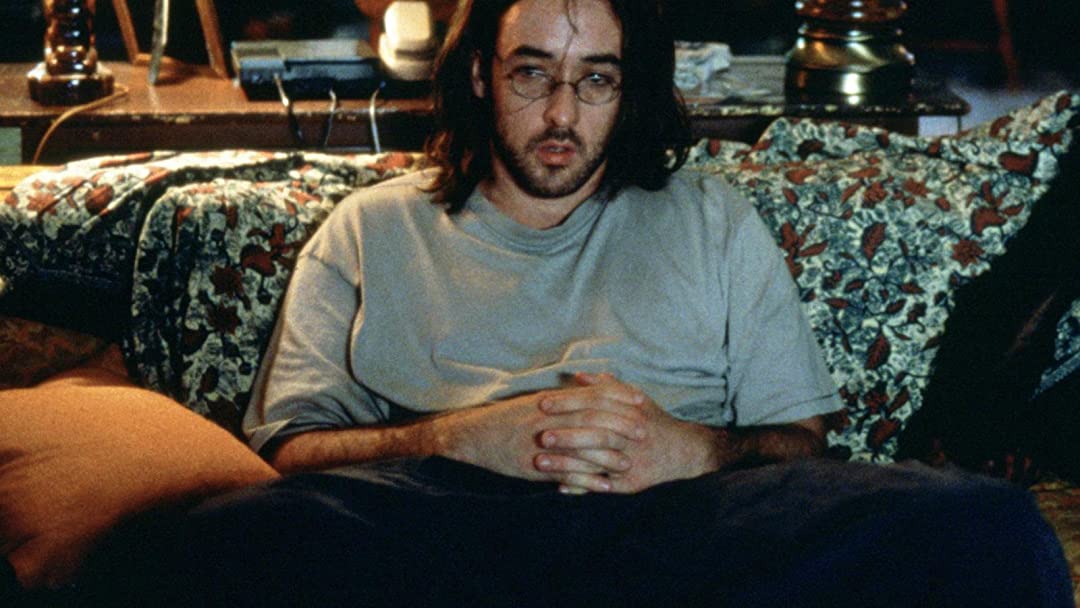
2. Being John Malkovich (1999)
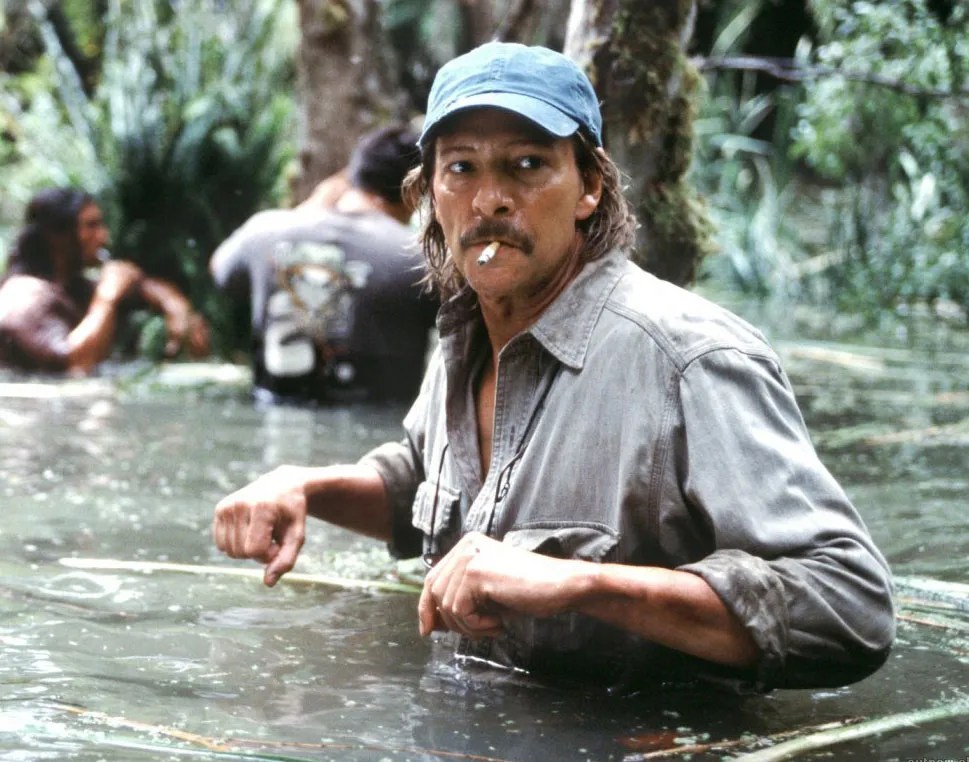
Genre: Low Fantasy, Black Comedy, Drama, Postmodernism, Magical Realism

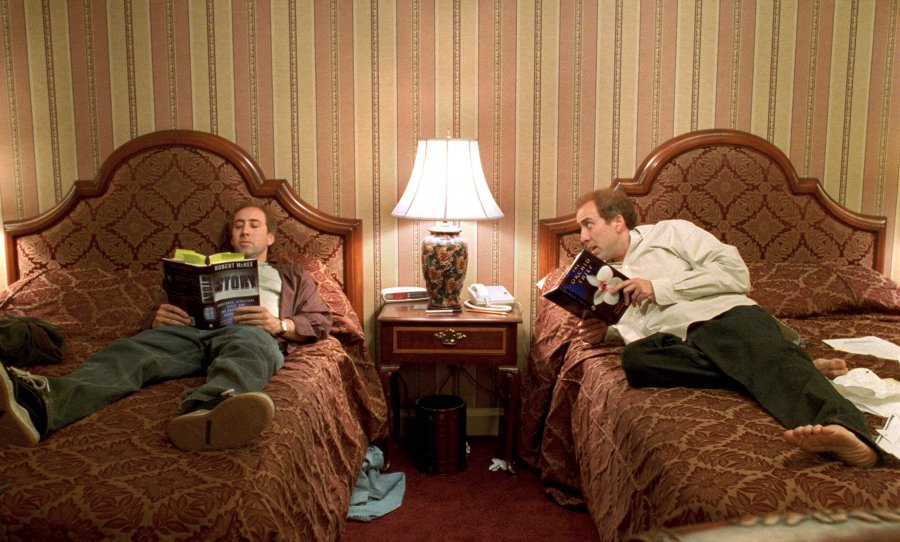
3. Adaptation (2002)
Genre: Satire, Psychological Drama, Postmodernism, Comedy
4. Where The Wild Things Are (2009)
Genre: Fantasy, Adventure, Drama, Coming-of-Age

Spike Jonze: Themes and Style
Themes:
- Human Connection: Jonze often explores the intricacies of relationships and the human need for connection. This theme is pervasive in films like Her, where the protagonist develops a deep bond with an operating system.
- Identity & Self-discovery: His works often reflect a quest for identity and self-understanding. Characters grapple with their own identities, undergoing transformative experiences that lead to self-discovery, as seen in Being John Malkovich.
- Technology & Alienation: Jonze frequently addresses the impact of technology on human lives and relationships, focusing on both its potential to connect and alienate individuals.
- Surrealism & Fantasy: Surreal elements and fantastical scenarios are integral to his storytelling, creating a unique blend of reality and fantasy that allows for a deeper exploration of the human psyche.
- Nostalgia & Loss: His films often embody a sense of nostalgia and loss, with characters reflecting on past experiences and relationships, underscoring the transient nature of life.
Styles:
- Visual Aesthetics: Jonze utilises vibrant, whimsical visual aesthetics to create immersive cinematic worlds. His visual style often includes unconventional framing and composition, dynamic camera movements, and playful use of colours and lighting.
- Non-linear Storytelling: Many of Jonze’s films employ non-linear storytelling techniques, with narratives unfolding in unpredictable ways. This approach allows for a more immersive and engaging viewing experience.
- Genre-Blending: His work defies easy categorisation, often blending elements from various genres, including drama, comedy, science fiction, and fantasy, to craft unique and genre-defying films.
- Character-Centric: The characters in Jonze’s films are meticulously developed, with deep emotional layers and relatable struggles, making them compelling focal points of their respective stories.
- Dark Humor: Jonze’s films often incorporate dark, subtle humour that underscores the absurdity and complexity of human existence.
Directorial Signature:
- Unique World-Building: Jonze is renowned for creating distinctive, immersive worlds in his films. These settings, often surreal and whimsical, serve as reflections of the character’s inner lives and the themes being explored.
- Emotionally Resonant Storytelling: Despite their surreal elements, Jonze’s films are deeply emotional and resonate with audiences on a personal level due to their exploration of universal themes like love, loss, and identity.
- Innovative Use of Music: Music plays a crucial role in Jonze’s films, often used innovatively to underscore the emotional tone of a scene or to enhance the storytelling experience.
- Meta-Referential Elements: He employs meta-cinematic elements that draw attention to the filmmaking process itself or blur the lines between fiction and reality, engaging audiences in a dialogue about the nature of cinema and storytelling.
Spike Jonze: The 206th Greatest Director

 Bronze Screen Dream