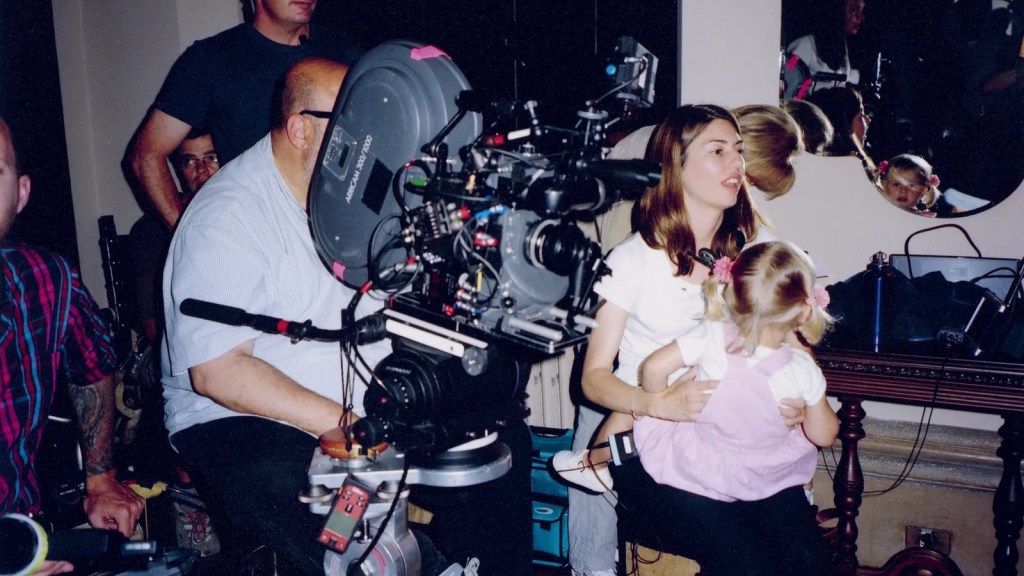
Sofia Coppola is an American filmmaker best known for her distinctive storytelling style and exploration of themes such as loneliness, disconnection, and the complexities of human relationships. Her films often feature a dreamy, atmospheric aesthetic and a keen focus on the inner lives of her characters, particularly young women navigating the challenges of growing up and finding their place in the world.
Coppola’s career began with her debut feature, The Virgin Suicides, which showcased her ability to capture the essence of adolescence and the ethereal nature of memory. The film’s haunting visuals and evocative soundtrack set the stage for Coppola’s signature style, which would become more refined in her later works.
She further established herself as a prominent director with Lost in Translation, a film that delved into the profound connection between two strangers in a foreign land and earned her an Academy Award for Best Original Screenplay. Coppola’s fascination with the lives of privileged yet emotionally adrift characters is evident in films like Marie Antoinette and Somewhere, both of which examine the isolation and ennui experienced by those living in the public eye.
Throughout her career, Coppola has demonstrated a unique approach to filmmaking. She often employs a minimalist style that relies on subtle visual cues and understated performances to convey complex emotions. Her use of music and sound design is also notable, as seen in the atmospheric soundtrack of The Beguiled and the haunting score of The Bling Ring. Her ability to create immersive, dreamlike worlds is further exemplified in films like The Bling Ring and On the Rocks, where she explores themes of identity, family dynamics, and the allure of materialism. With her distinct voice and visually arresting style, Sofia Coppola has established herself as one of the most compelling and influential filmmakers of her generation.

Sofia Coppola (1971 – -)
Calculated Films:
- Lost in Translation (2003)
Similar Filmmakers
- Ang Lee
- Greta Gerwig
- Gus van Sant
- Jane Campion
- Joe Swanberg
- Joe Wright
- Josephine Decker
- Kelly Reichardt
- Luca Guadagnino
- Mike Mills
- Miranda July
- Noah Baumbach


Sofia Coppola’s Top 5 Films Ranked
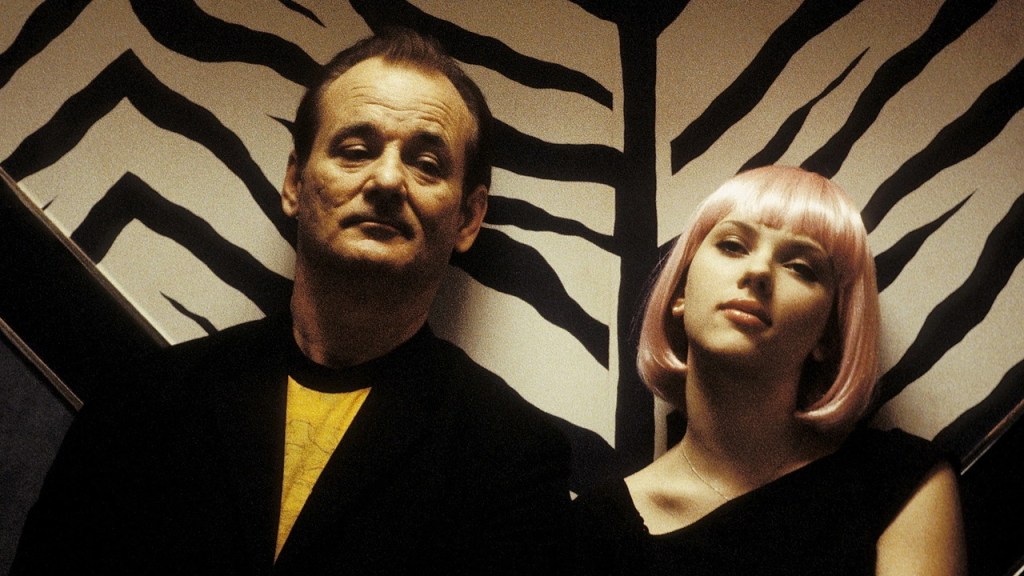
1. Lost in Translation (2003)
Genre: Drama, Romance
2. The Virgin Suicides (1999)
Genre: Drama, Coming-of-Age

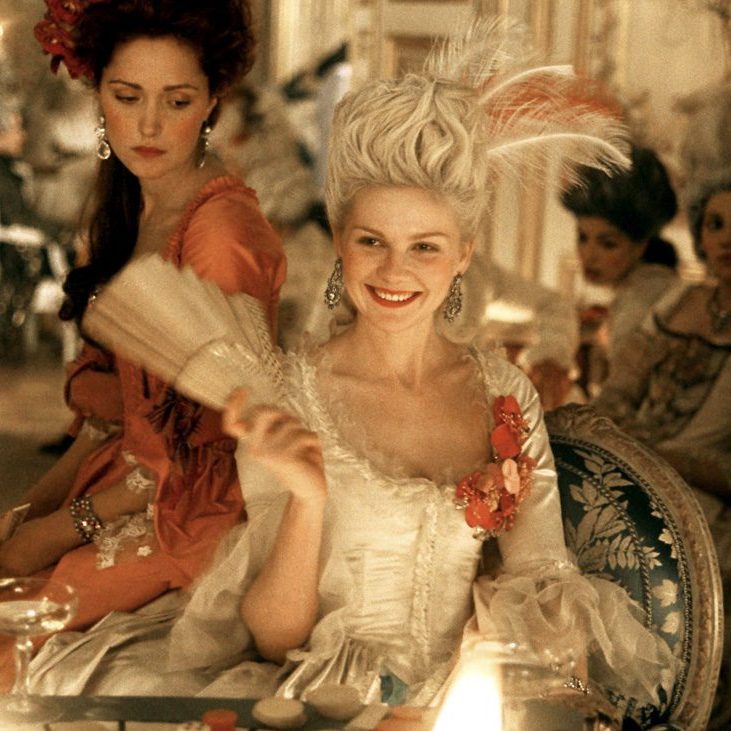
3. Marie Antoinette (2006)
Genre: Period Drama, Biographical

4. Somewhere (2010)
Genre: Drama, Family Drama
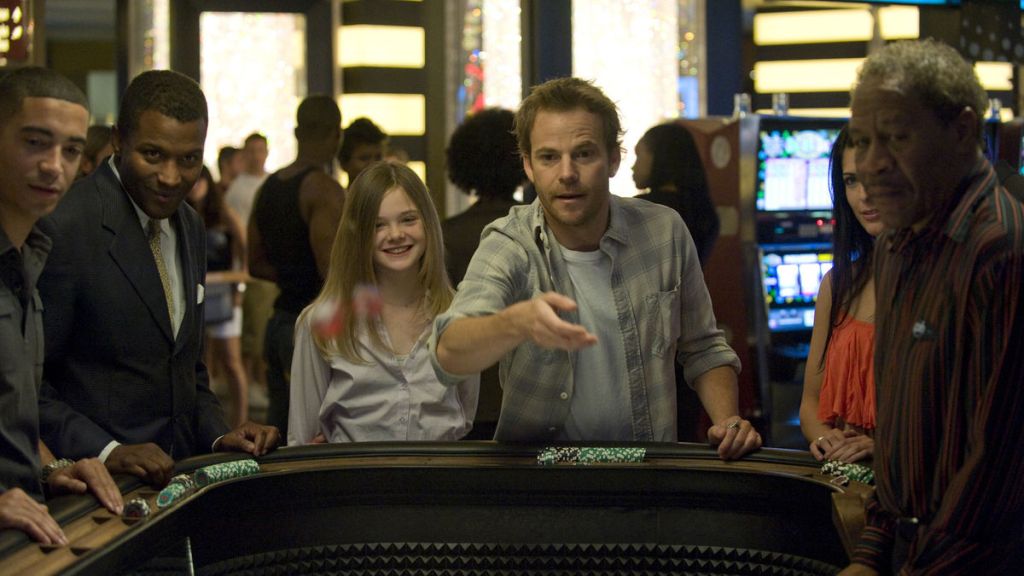
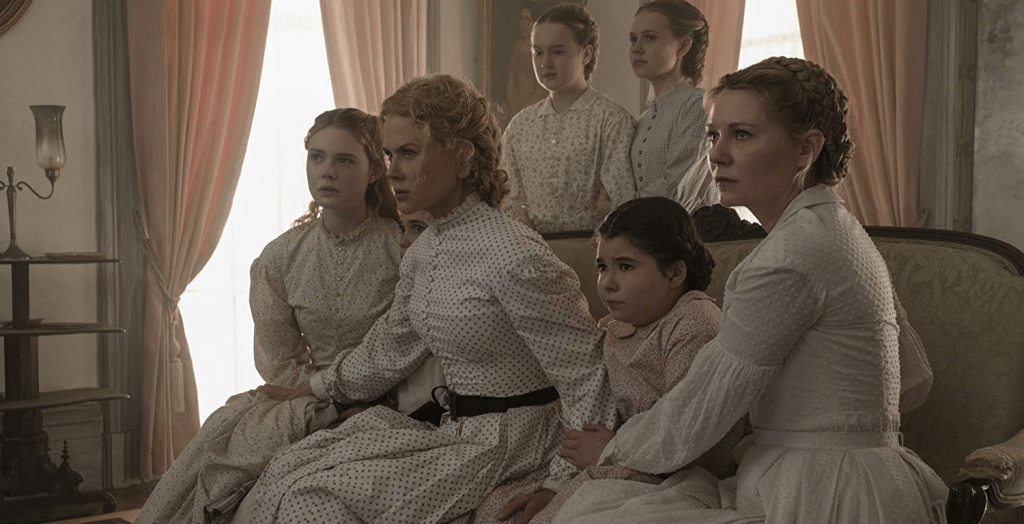
5. The Beguiled (2017)
Genre: Period Drama
Sofia Coppola: Ethereal Tales of Isolation Under The Spotlight
From birth, Sofia Coppola was immersed in film, whether that was through her parents’ friends’ visits or her father’s tales. There was no escaping cinema for Sofia. It’s an unspoken rule in moviemaking: you’ve got to know someone to use your talent. Many talentless people have used nepotism to make vapid projects, but Coppola used it to make a world all her own, marked by her unique sensibility and artistic flair.
Her acting debut in her father’s film, The Godfather Part III, was met with harsh criticism, a moment that could have broken many. But for Sofia, it was a crucible, forging her determination and leading her towards her true calling – directing.
Her directorial debut, The Virgin Suicides, was a revelation, a hauntingly beautiful exploration of adolescence, longing, and despair. It was a film that announced Sofia’s arrival, not as a mere extension of her family name but as a visionary with a voice uniquely her own. The film’s ethereal quality and ability to capture the ineffable essence of youth marked her as one of the most promising directors on the cusp of the 21st century.
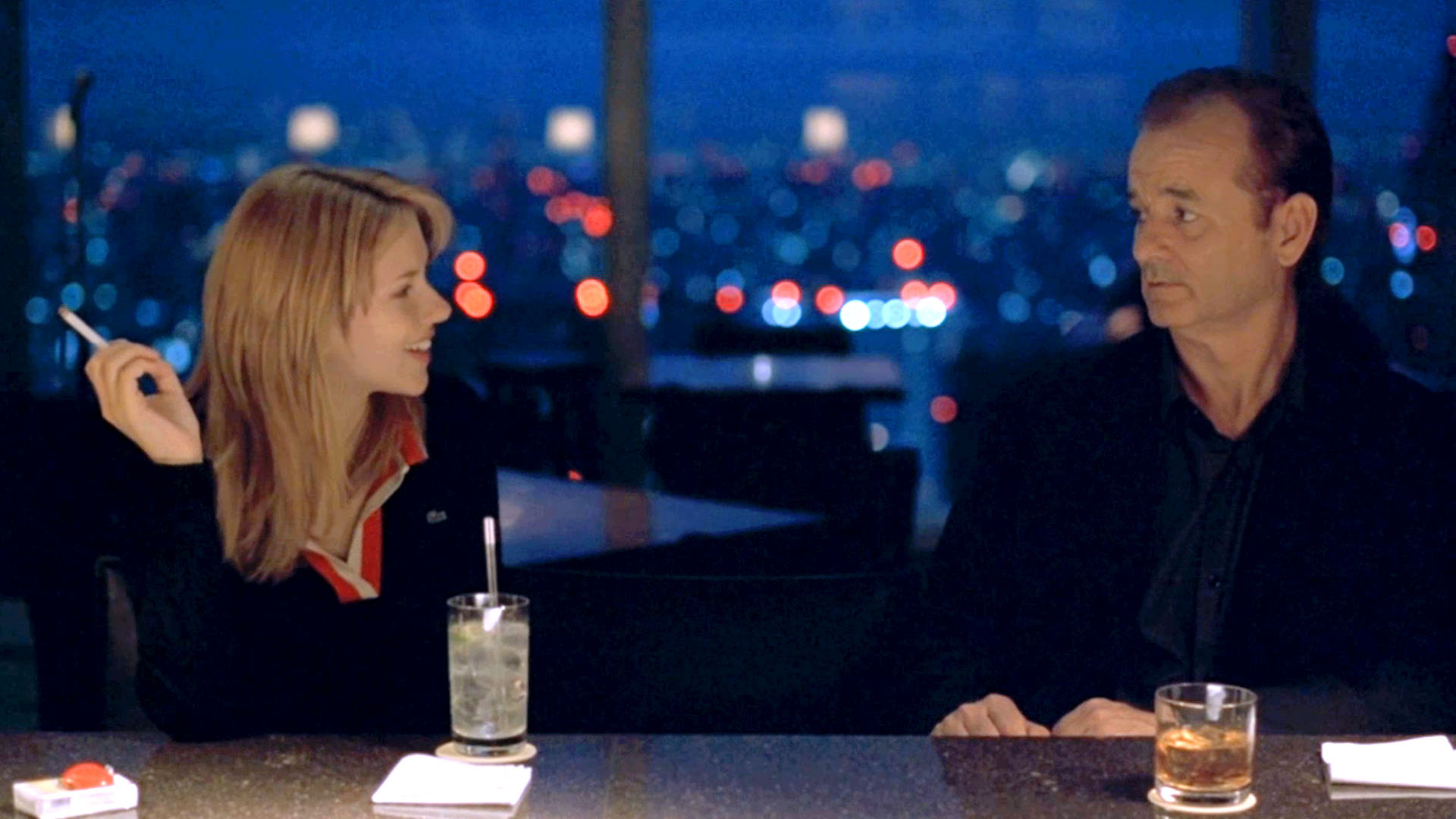
Then came Lost in Translation, a film that solidified her place among the greats. It was more than a movie; it was sublime. Poetry in motion, a dance between loneliness and connection, a love letter to the pains of existence. Few directors have ever made as good a sophomore effort as Lost in Translation. Two decades later, it continues to be heralded as one of the finest indie films ever made and one of the most poignant explorations of human emotion and cultural disconnection. Its delicate portrayal of unspoken feelings and the transient nature of relationships continue to resonate. The film’s nuanced performances and ethereal soundtrack elevate the movie, making it one of the finest American films of the 21st century.
Marie Antoinette & Somewhere
Her films were not mere stories; they were experiences, journeys into the human psyche, explorations of emotions that often lay hidden, unspoken. Whether it was the opulent decadence of Marie Antoinette or the subtle complexity of Somewhere, Sofia’s films were imbued with a grace and depth that resonated with audiences and critics alike.
Her ability to weave visual aesthetics with profound emotional insight set her apart. Her films were not just visually stunning; they were emotionally rich and layered with meaning and nuance. Sofia’s cinema was not about grand declarations but about whispers, the subtle stirrings of the heart, the quiet moments that define us.
Sofia Coppola’s films were a gentle breeze in an industry often obsessed with spectacle and noise, a refreshing departure from the norm. Her cinema was not about the clamour but the silence, the spaces between words, the unspoken connections that bind us.
Sofia Coppola’s 2010s Movies
The release of The Bling Ring in 2013 was a departure from her earlier works, a dive into celebrity obsession and materialism. The film challenged, provoked, and reflected a society lost in superficiality. It wasn’t a very good film, but she dared to dive deep into shallowness, still handling the brash narrative with her characteristic humanistic touch.
Her film The Beguiled in 2017 was another milestone, a period drama that was both a thrilling and contemplative exploration of desire and power. It was a film that showcased Sofia’s mastery of her craft and her ability to create tension and intrigue while maintaining a poetic elegance that has become her signature.
Her collaboration with various artists, her willingness to experiment with different genres, and her constant search for new ways to tell stories all marked her as a director unafraid to evolve and grow. While some may yearn for her ethereal early films, it is more exciting to wonder what comes next.
Sofia Coppola remains a fixture of the cultural zeitgeist, still eyeing up women’s stories in men’s world. Looking to deconstruct human isolation and transcend the medium as a whole. It feels like Sofia Coppola is still a new figure on the scene, but she is a veteran of the industry; few directors who came out of the American indie scene remain as active as her.
Most Underrated Film
There are critics of all her films except Lost in Translation. Films like Marie Antoinette are often criticised for their superficiality or anachronisms; however, the film also has a large cultish following, so it’s hardly underrated. Somewhere came out in 2010, not a brash, bright-coloured, bombastic movie like Marie Antoinette, but instead a quiet meditation on fame, loneliness and the elusive search for meaning. While it’s not surprising it didn’t break box-office records, the general lack of attention it gets does raise an eyebrow.
Somewhere tells the story of Johnny Marco, a Hollywood actor trapped in the ennui of his existence, living a life filled with empty pleasures and devoid of genuine connection. His world is turned upside down when his 11-year-old daughter, Cleo, comes into his life, forcing him to confront his emptiness and begin a journey towards self-discovery.
The film’s brilliance lies in its simplicity and ability to capture profound truths through understated moments. It’s a film that doesn’t shout but whispers, allowing the audience to lean in and listen, to find themselves in the silences, the glances, the unspoken understanding between father and daughter. Sofia’s direction is a study of restraint and subtlety. Her camera lingers, allowing the scenes to breathe and unfold organically. The film’s deliberate pace mirrors the protagonist’s slow awakening to the world around him.
But let’s not get too ahead of ourselves. It isn’t the perfect film; its minimalism does, at points, come across as a bit disengaging; similarly, the pacing does verge on tedium. The film won the Golden Lion at the Venice Film Festival, so it’s hard to call it ‘underrated’ in the critical sense, but it does feel somewhat forgotten.
Sofia Coppola: Themes & Style
Themes:
- Isolation and Loneliness: Many of Coppola’s films, such as Lost in Translation and Somewhere, delve into characters experiencing profound feelings of isolation, even when surrounded by people or ensconced in luxury.
- The Weight of Fame: Films like Marie Antoinette and The Bling Ring explore the trappings of fame, the public’s obsession with celebrity, and the personal costs of being in the limelight.
- Coming-of-Age: The Virgin Suicides focuses on adolescence’s challenges, mysteries, and melancholy.
- Feminine Perspective: Coppola often centres her narratives around female protagonists, exploring their inner worlds, desires, and challenges in a society that frequently misunderstands or undervalues them.
Styles:
- Visual Aesthetics: Coppola is known for her lush and dreamy visuals. Her films often have a soft, ethereal quality, focusing on colour palettes that evoke specific moods.
- Soundtracks: Music plays a pivotal role in setting the tone of her films. From the post-punk and 80s tracks in Marie Antoinette to the ambient sounds in Lost in Translation, her soundtracks are carefully curated to enhance the narrative.
- Pacing: Her films often have a deliberate, contemplative pace, allowing audiences to immerse themselves in the characters’ worlds and emotions.
- Minimal Dialogue: Coppola often relies on visual storytelling and ambient sounds, using dialogue sparingly. This allows for a more introspective viewing experience.
Directorial Signature:
- Intimate Portraits: Coppola’s films often feel deeply personal, providing intimate glimpses into her characters’ inner lives. She excels at capturing small, quiet moments that reveal deeper truths.
- Unique Settings: Whether it’s the neon-lit streets of Tokyo in Lost in Translation or the opulent halls of Versailles in Marie Antoinette, Coppola’s settings are characters in their own right, playing a crucial role in the narrative.
- Female Gaze: As one of the few prominent female directors in Hollywood, Coppola brings a distinctly feminine perspective to her films, offering a fresh take on themes like love, desire, and identity.
- Collaborations: Coppola often collaborates with the same crew and actors, such as Kirsten Dunst and Bill Murray, creating a sense of continuity and cohesion in her body of work.
Further Reading
Books:
- Sofia Coppola: The Politics of Visual Pleasure by Anna Backman Rogers – An analytical look at Coppola’s body of work.
- The Cinema of Sofia Coppola: A Cinema of Girlhood by Fiona Handyside – A comprehensive study of Coppola’s films.
Articles and Essays:
- Off with Hollywood’s Head: Sofia Coppola as Feminine Auteur by Todd Kennedy, Film Criticism
- Lost and Found by Carrie Rickey, Director’s Guild of America
- Coppola, Sofia by Anna Rogers, Senses of Cinema
Sofia Coppola – The 265th Greatest Director


 Bronze Screen Dream