

Sidney Lumet was an American filmmaker renowned for his incisive exploration of complex social issues and gripping and thought-provoking films. Lumet’s illustrious career spanning over five decades, encompassed a variety of genres, from drama and crime to thriller and social commentary. His work is best known for its gritty realism, character-driven narratives, and nuanced performances, with films like 12 Angry Men, Dog Day Afternoon, Network, and The Verdict standing as shining examples.
Having begun his career in television during its Golden Age in the 1950s, Lumet brought a unique set of skills and perspectives to filmmaking. His grounding in live TV influenced his approach to cinema, particularly his preference for extensive rehearsal and efficient shooting schedules. This early experience, coupled with his gift for working with actors and writers, underpinned his success as a filmmaker. His frequent collaborations with talented actors like Al Pacino and Sean Connery and celebrated writers such as Paddy Chayefsky profoundly influenced his work.
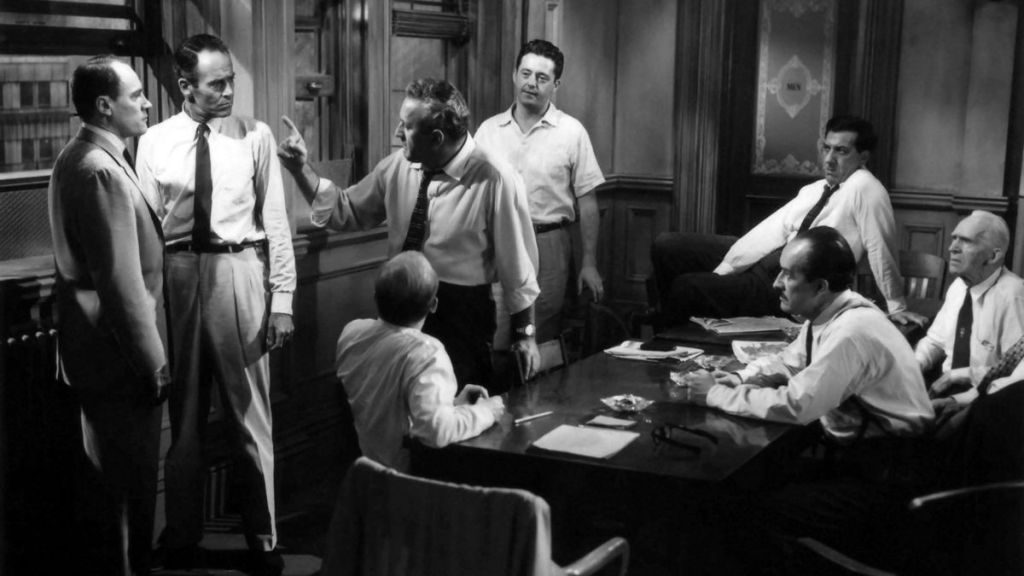
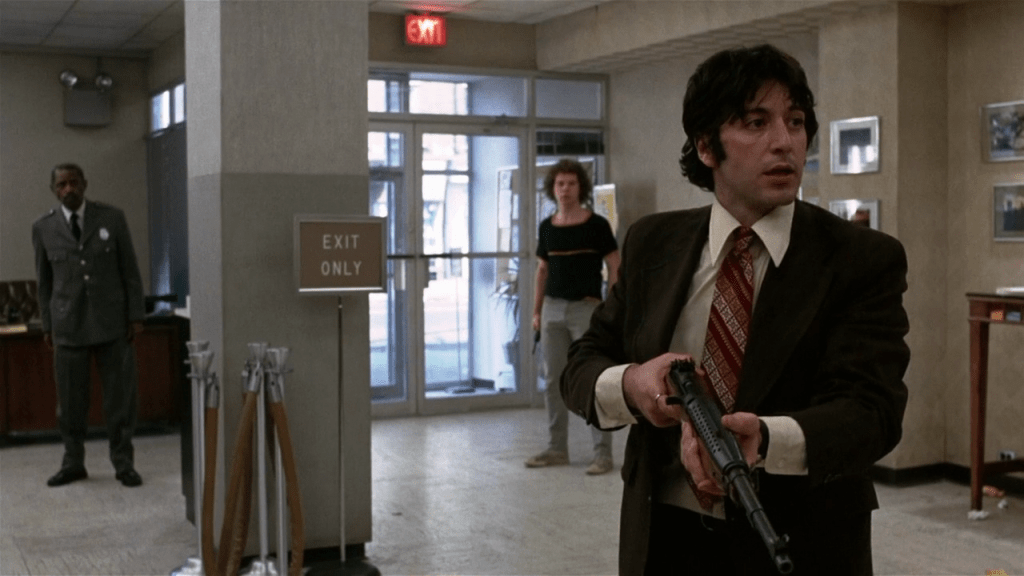
Lumet’s films are characterised by their intricate portrayal of moral and ethical dilemmas, often revolving around themes of corruption, justice, and personal responsibility. His flair for dramatic tension and emotional depth is particularly evident in 12 Angry Men, where a single juror questions the consensus of a murder trial, forcing the others to confront their biases. Similarly, Dog Day Afternoon offers an unflinching look at a bank robbery gone wrong, highlighting societal issues with empathy and grit.
An Actor’s Director
New York City, Lumet’s hometown, often serves as a potent backdrop for his narratives, underlining the gritty realism of his films. Lumet portrayed the city with an authenticity that mirrored the complex issues his characters grappled with. This unique relationship with New York is evident in Serpico and Dog Day Afternoon, where the city’s raw and chaotic energy amplifies the tension and drama.
The essence of Lumet’s directorial approach lies in his respect for performance and script. He was lauded for his ability to draw out captivating performances, evident in the 17 Oscar-nominated performances he directed. Lumet’s style was typically marked by restrained visual aesthetics, preferring naturalistic lighting and simple camera setups. This allowed the script and performances to take centre stage, with films like Network exemplifying his meticulous staging and use of long takes to augment the drama.
Despite never winning a competitive Oscar for directing, Lumet’s impact on cinema is significant. His films, praised for their uncompromising examination of societal issues, have inspired many directors, from Paul Thomas Anderson to Spike Lee. His legacy is also evident in his influence on the crime and legal drama genres. In recognition of his contributions, Lumet was awarded an Honorary Academy Award in 2005.

Sidney Lumet (1924 – 2011)
Calculated Films:
- 12 Angry Men (1957)
- Fail Safe (1964)
- The Hill (1965)
- Serpico (1973)
- Dog Day Afternoon (1975)
- Network (1976)
- Prince of the City (1981)
- The Verdict (1982)
- Running On Empty (1988)
- Before The Devil Knows Your Dead (2007)
Similar Filmmakers



Sidney Lumet’s Top 10 Films Ranked
1. 12 Angry Men (1957)
Genre: Legal Drama
2. Network (1976)
Genre: Satire, Drama, Black Comedy

3. Dog Day Afternoon (1975)
Genre: Heist Film, Drama, Biographical
4. Fail Safe (1964)
Genre: Political Thriller, Political Drama

5. The Pawnbroker (1964)
Genre: Psychological Drama

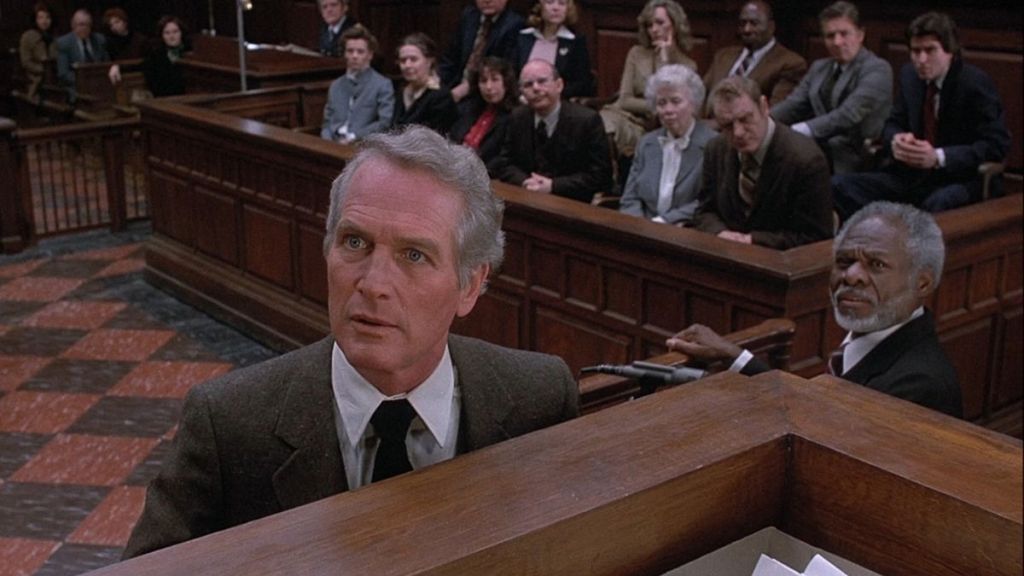
6. The Verdict (1982)
Genre: Legal Drama
7. The Hill (1965)
Genre: Prison Film, War, Drama

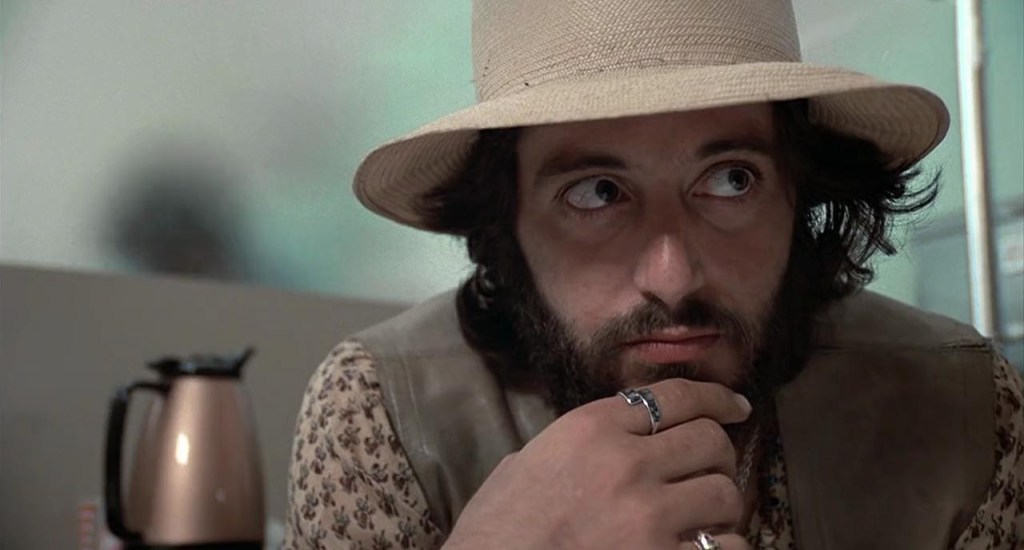
8. Serpico (1973)
Genre: Biographical, Crime, Drama, Police Procedural
9. Running On Empty (1988)
Genre: Coming-of-Age, Drama, Family Drama

10. Prince of the City (1981)
Genre: Drama, Police Procedural, Crime

Sidney Lumet: Themes and Style
Themes:
- Moral and Ethical Complexity: Lumet frequently explored the grey areas of morality and ethics, often setting his narratives in legal or political contexts, as seen in 12 Angry Men and Serpico, where characters face tough moral dilemmas.
- Corruption and Injustice: Many of Lumet’s films, like Network and Prince of the City, delve into the theme of corruption, challenging the integrity of institutions and showcasing the struggles of individuals against systemic abuse.
- Social Issues: Lumet wasn’t afraid to tackle social issues head-on, with films like The Pawnbroker addressing the Holocaust’s impact on individuals and Dog Day Afternoon exploring themes of sexuality and social disenfranchisement.
- Conscience and Guilt: His work often centres on characters wrestling with their conscience, as in The Verdict, where a down-and-out lawyer grapples with his sense of guilt and seeks redemption.
Styles:
- Realism: Lumet is known for a stark, realistic style, shunning overly dramatic or artificial techniques in favour of naturalism, which can be seen in the believable performances and settings of Dog Day Afternoon and Serpico.
- Ensemble Casts: He often employed ensemble casts, allowing for a dynamic range of characters and performances, as exemplified by the diverse jurors in 12 Angry Men.
- Tight Narrative Structure: Lumet’s films, such as Before the Devil Knows You’re Dead, are marked by tightly woven narratives, with a focus on efficient storytelling and precise pacing.
- Cinematic Technique: He used strong cinematic techniques, including close-ups and long takes, to create intimacy and tension, notably in the claustrophobic jury room of 12 Angry Men.
Directorial Signature:
- Actor’s Director: Lumet was renowned for his ability to draw out powerful performances, often working closely with actors to delve deep into their characters’ psychology, leading to many acclaimed performances.
- Social Commentary: His films frequently serve as a commentary on contemporary social issues, challenging the audience’s views and encouraging them to think critically about the world around them.
- Cinematic Adaptation: He had a notable skill in adapting plays and novels for the screen, retaining their original impact while ensuring they were cinematically compelling, as seen in his adaptation of Long Day’s Journey Into Night.
- New York City as a Backdrop: Lumet often used New York City not just as a setting but as a character in its own right, reflecting the city’s energy and complexity in films like Serpico and Network.
Sidney Lumet: The 70th Greatest Director



 Bronze Screen Dream