
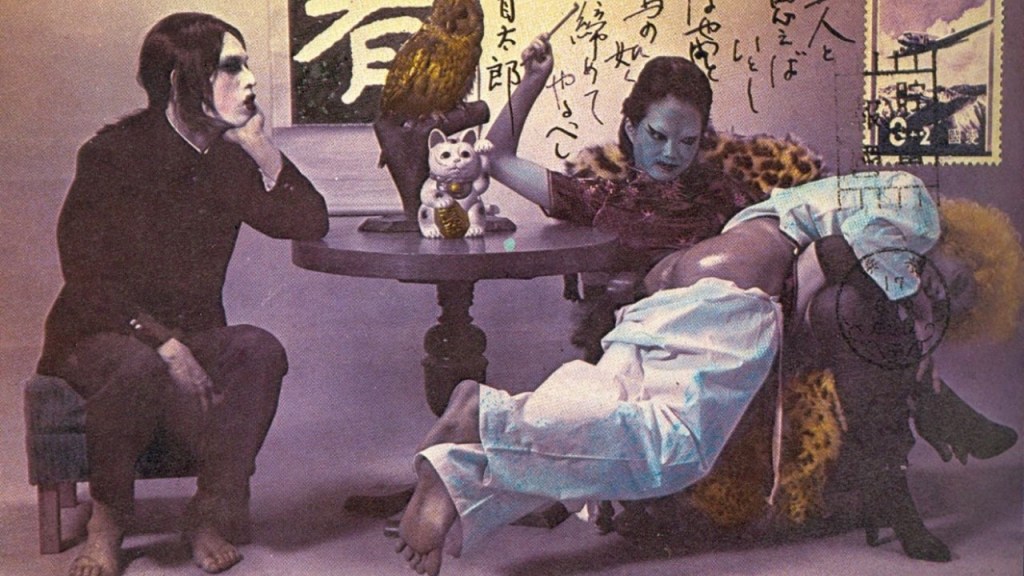
Shuji Terayama was a multifaceted Japanese artist best known for his avant-garde films that blurred the boundaries between reality and dream. Venturing beyond conventional storytelling, his cinematic works often delved deep into the psyche, inviting audiences to question perceptions and societal norms. Drawing inspiration from his personal experiences and Japan’s post-war society, his films are celebrated for their rich visual tapestry and evocative symbolism.
His filmography is a treasure trove of innovative techniques, juxtaposing the surreal with the mundane. Recurring themes include the agonies of youth, the constraints of societal norms, and an exploration of memory’s distortive power. In Throw Away Your Books, Rally in the Streets, for instance, he showcases the rebellious spirit of Japanese youth in the 1970s, embodying their disillusionment with the world around them. Like many of his others, this film was groundbreaking in its experimental narrative style, which defied the traditional linear storytelling commonly seen in cinema.
Moreover, Terayama’s films are visually distinctive, blending theatre, poetry, and various visual arts to create a truly immersive experience. His use of colour, often stark and contrasting, drew attention to his stories’ dramatic and emotional peaks. In Pastoral: To Die in the Country, Terayama employs a dreamlike narrative, questioning the very nature of cinema and its relation to reality. Another unique approach in his filmmaking was his engagement with the audience; he believed in cinema as a participatory experience. This is evident in Fruits of Passion, where viewers are made to challenge their preconceptions and are left to interpret the overlapping narratives.
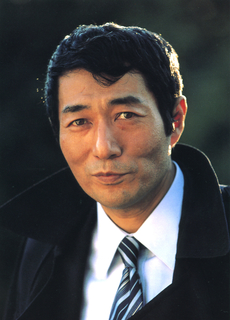
Shūji Terayama (1935 – 1983)
Calculated Films:
- Throw Away Your Books, Rally in the Streets (1971)
- Pastoral: To Die in the Country (1974)
- Grass Labyrinth (1979)
- Farewell to the Ark (1984)
Similar Filmmakers
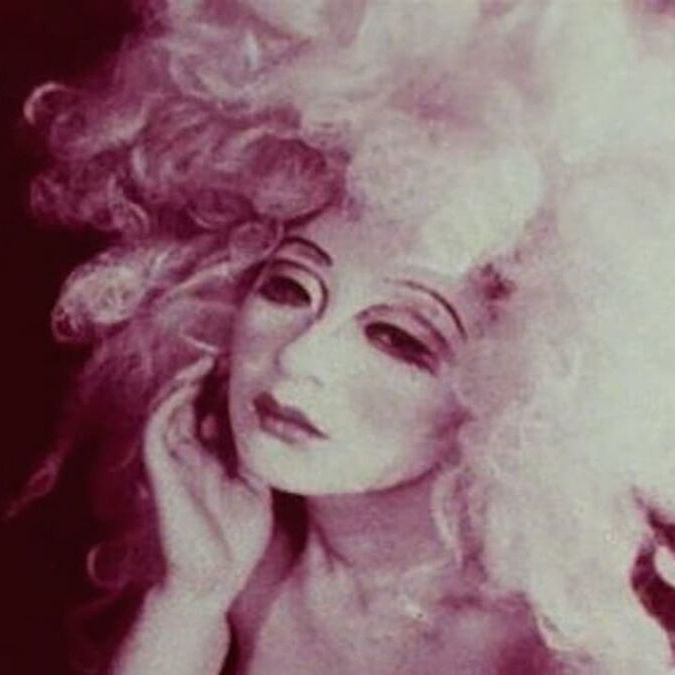
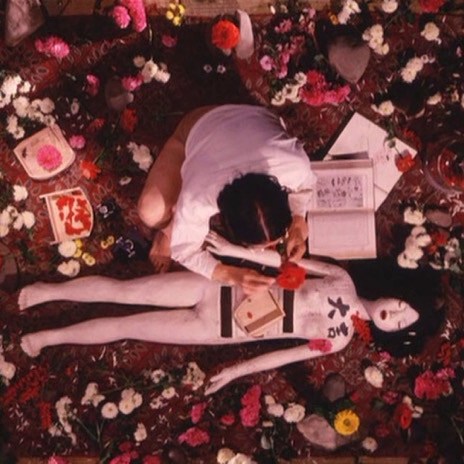

Shūji Terayama’s Top 5 Films Ranked
1. Pastoral: To Die in the Country (1974)
Genre: Surrealism, Coming-of-Age, Japanese New Wave, Magical Realism

2. Throw Away Your Books, Rally in the Streets (1971)
Genre: Japanese New Wave, Surrealism, Coming-of-Age, Drama, Postmodernism

3. Grass Labyrinth (1983)
Genre: Surrealism, Japanese New Wave
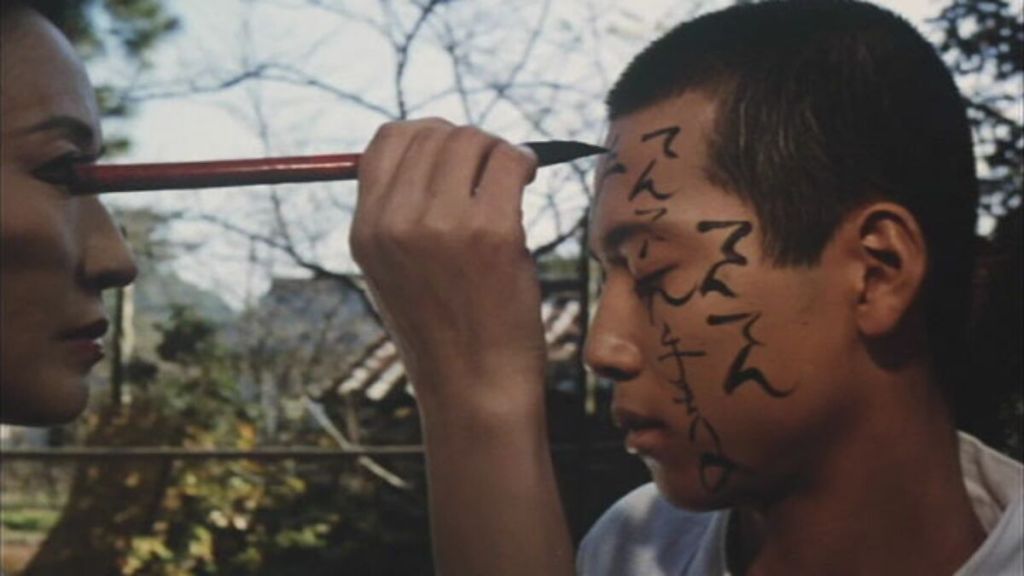
4. Farewell to the Ark (1984)
Genre: Surrealism, Drama, Magical Realism

5. The Boxer (1977)
Genre: Drama, Sports, Boxing

Shūji Terayama: Themes and Style
Themes:
- Memory and Time: Terayama was fascinated with the fluidity of memory and the passing of time. His works often blurred past and present, reality and dream, showcasing the unreliability of human memory.
- Loss and Abandonment: His early experiences, especially the loss of his mother, left a profound impact. Themes of loss, abandonment, and the longing for connection recur throughout his works.
- Societal Conventions: A recurring theme in his projects is the critique of societal norms. Terayama often challenged and questioned societal structures and their constraints on individuals.
- Boundary between Reality and Fantasy: Terayama’s work often exists in a space between the real and the surreal, emphasising dreams, illusions, and the fantastical.
Styles:
- Avant-Garde Sensibilities: Terayama’s style was experimental and non-conformist. He often combined various media and elements, like mixing traditional Japanese aesthetics with Western influences.
- Collage and Montage: In his films, Terayama frequently used rapid montage, juxtaposing unrelated images to create a sense of chaos, dislocation, or emotional intensity.
- Autobiographical Elements: Many of his projects had autobiographical traces, giving viewers insights into his experiences and traumas.
Directorial Signature:
- Interactivity: Terayama’s theatre was immersive. He believed in breaking the fourth wall, ensuring that the audience was not just a passive observer but an active participant.
- Juxtaposition: Whether in film or theatre, Terayama enjoyed placing contrasting elements side by side. This could be a mix of the old and new or the East and West.
- Provocation: He aimed to provoke, both in thought and emotion. Whether through shocking visuals, controversial themes, or unconventional narratives, Terayama’s work often elicited strong reactions.
- Visual Poetry: Terayama started as a poet, and this sensibility is evident in his visual works. He crafted sequences that were not just narratively powerful but also poetically resonant.
Shūji Terayama – Great Director


 Bronze Screen Dream