

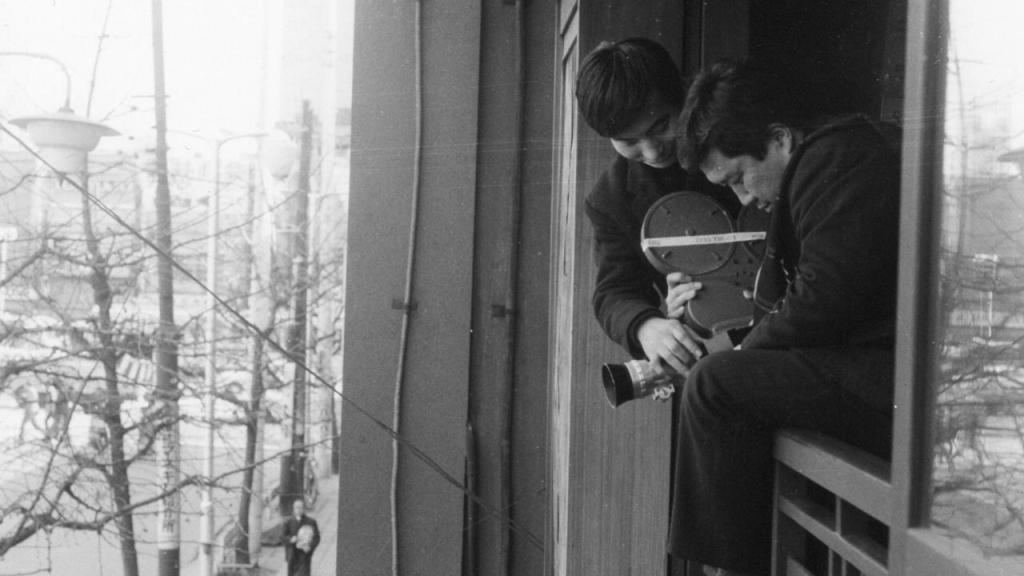
Shohei Imamura, a central figure in post-war Japanese cinema, is celebrated for his provocative and humanistic explorations of Japanese society’s underbelly. Known for works like The Ballad of Narayama and Vengeance is Mine, his distinctive style and storytelling have placed him among the titans of world cinema.
Imamura began his career in the Japanese studio system under the tutelage of Yasujirō Ozu, but he later distanced himself from his mentor’s style to focus on the lives of ordinary people. His works frequently revolve around lower-class individuals, particularly women, who navigate their lives amidst societal and economic challenges. This is displayed prominently in his film Insect Woman, which illustrates the survival instinct of a woman through the societal shifts of 20th-century Japan.
Imamura’s approach to filmmaking was characterised by an anthropological lens. He exhibited a keen interest in the relationship between humans and their environment, exploring the forces that shape human behaviour. His film The Eel beautifully captures this approach, depicting the journey of a man recently released from prison, grappling with guilt and seeking redemption while running a barbershop near a marshy river.
Visually, Imamura’s style was bold and uncompromising, often verging on the surreal. He extensively used naturalistic settings and vibrant colour schemes to create a heightened sense of reality, sometimes jarringly juxtaposing the beautiful and the grotesque. His film Profund Desire of the Gods, set on a remote southern island of Japan, presents this aesthetic distinctively, with the exotic, lush environment serving as a backdrop for the film’s intense drama.
Imamura’s influence extends far beyond Japan. His thematic focus on the marginalised and overlooked echoes in the works of directors like Ken Loach and the Dardenne brothers. Imamura’s legacy continues, and his films undergo periodic critical reappraisal, always emerging as pertinent reflections of the human condition.
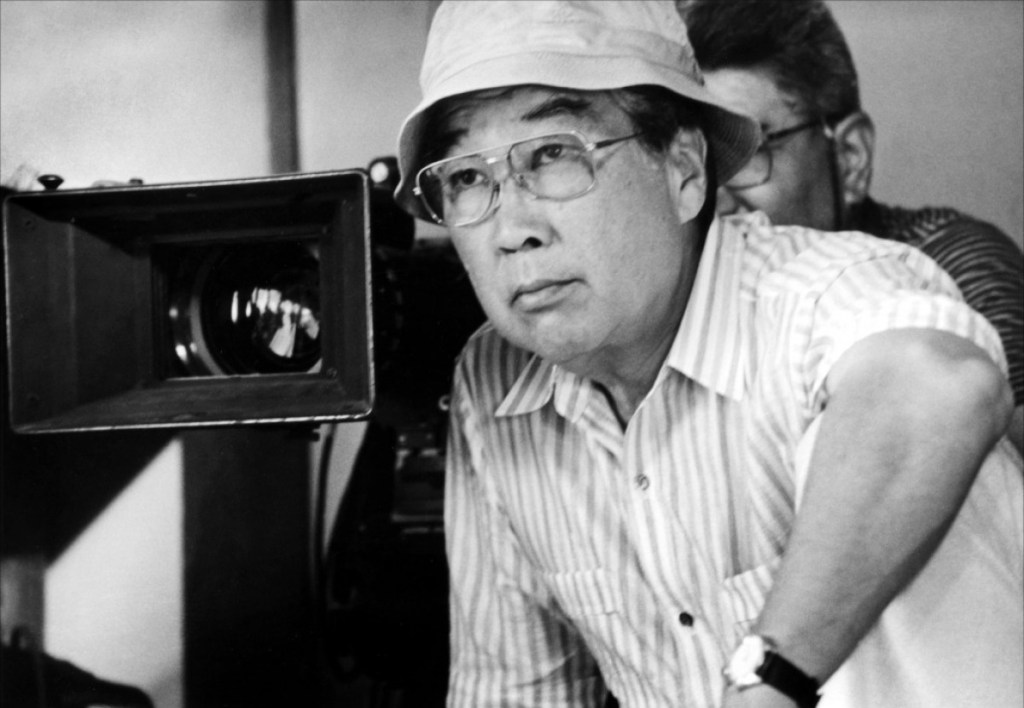
Shohei Imamura (1926 – 2006)
Calculated Films:
- Intentions of Murder (1964)
- Profound Desires of the Gods (1968)
- Vengeance Is Mine (1979)
- The Ballad of Narayama (1983)
- Black Rain (1989)
Similar Filmmakers


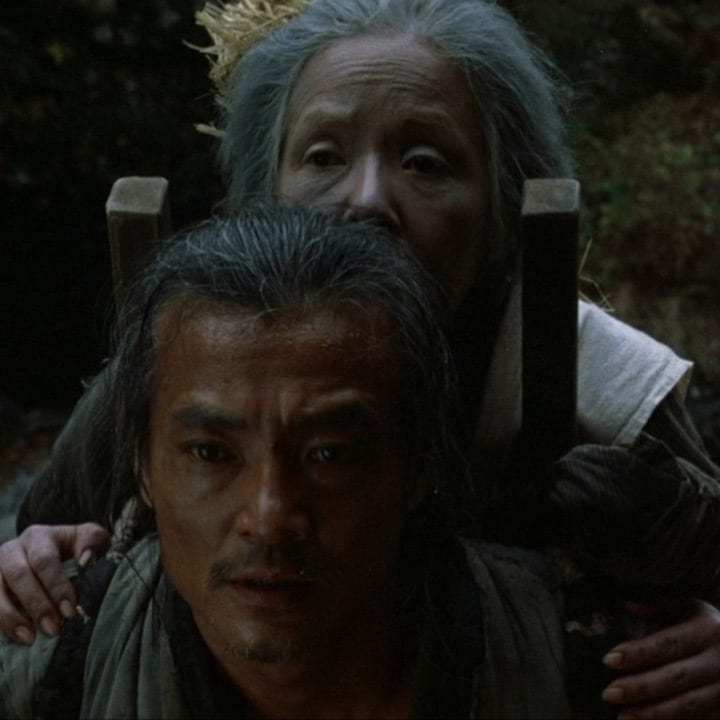
Shohei Imamura’s Top 10 Films Ranked
1. Vengeance Is Mine (1979)
Genre: Crime, Drama, Biographical
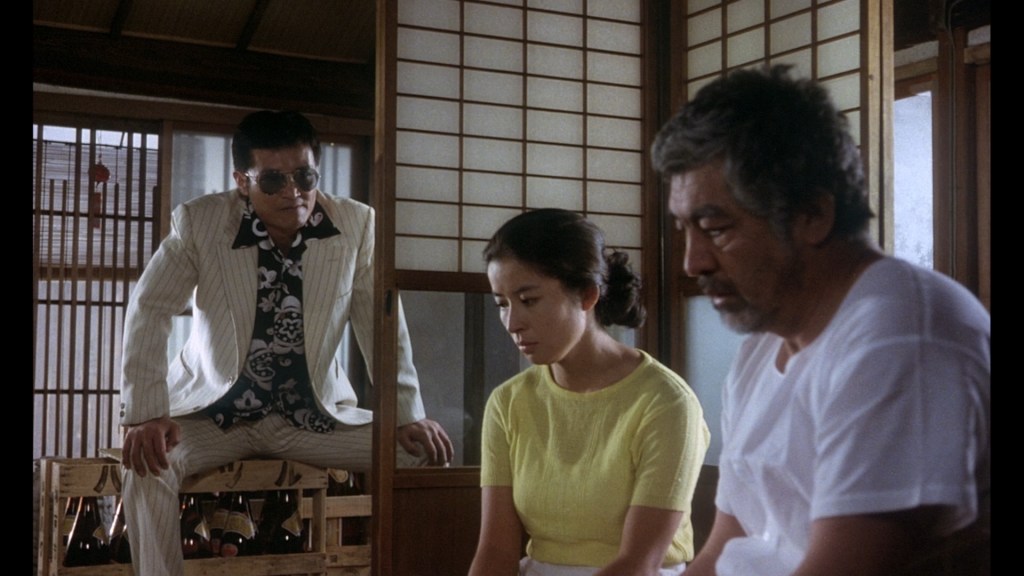
2. The Ballad of Narayama (1983)
Genre: Jidaigeki

3. Black Rain (1989)
Genre: Period Drama, Family Drama

4. Profound Desires of the Gods (1968)
Genre: Drama

5. Intentions of Murder (1964)
Genre: Psychological Drama

6. The Insect Woman (1963)
Genre: Drama

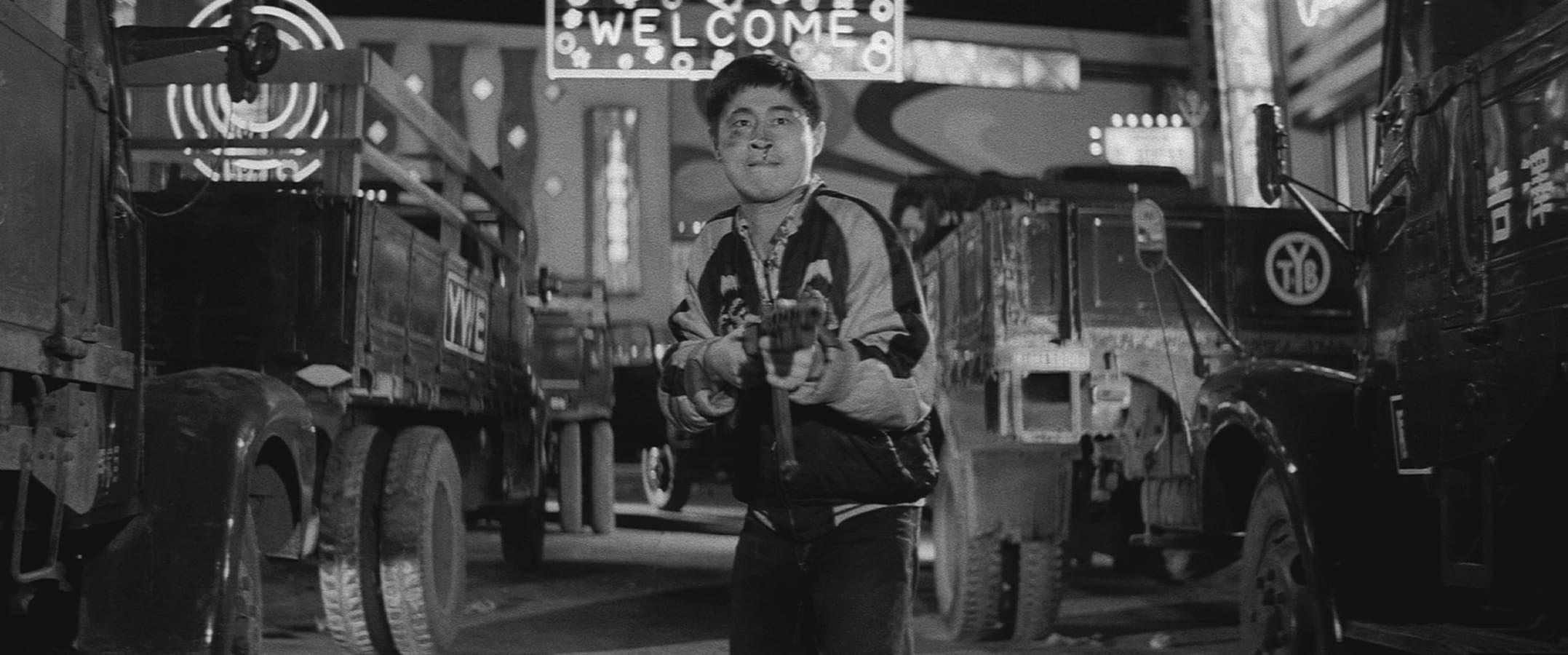
7. Pigs and Battleships (1961)
Genre: Satire, Yakuza Eiga, Drama
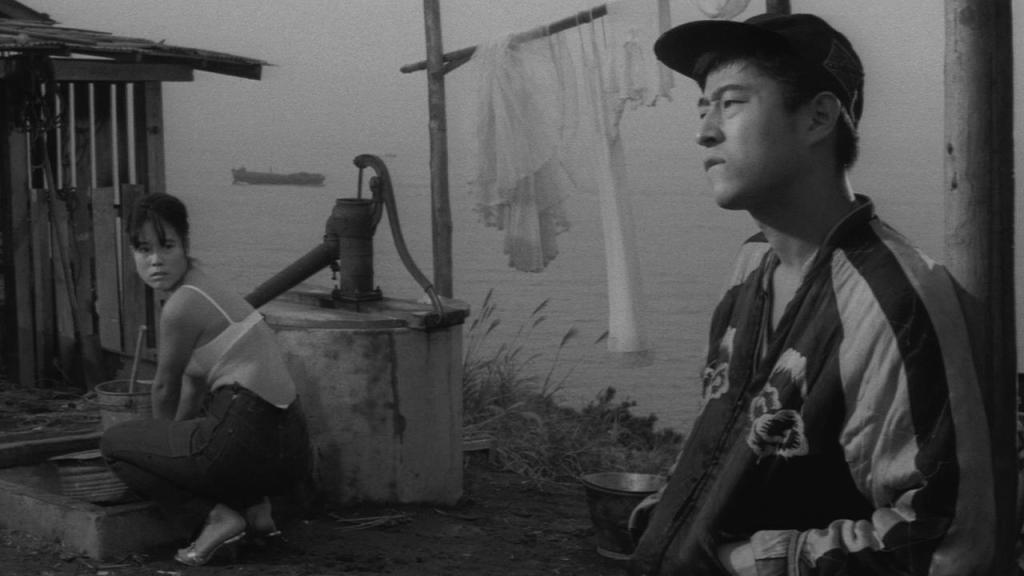
8. The Pornographers (1966)
Genre: Black Comedy, Drama

9. The Eel (1997)
Genre: Drama

10. A Man Vanishes (1967)
Genre: Cinema Verite, Mystery, Investigative Documentary
Shohei Imamura: Themes and Style
Themes:
- Focus on Marginalised Society Members: Imamura often concentrated on marginalised individuals or those living on society’s fringes. His protagonists typically exist outside conventional societal norms, living in spaces that might be considered taboo or undesirable.
- Human Instincts and Sexuality: Imamura’s films often explore basic human instincts and sexuality. He delves into the primal aspects of human behaviour, considering how these influence individuals’ lives and relationships.
- Japanese Post-War Society: The director’s work explores the socio-economic and cultural transformations in post-war Japan, reflecting on the disparities and conflicts within the rapidly changing society.
- Satirical and Dark Humour: His films frequently employ dark humour and satire to critique societal norms and human nature. This approach allows viewers to engage with serious themes in an accessible way, encouraging reflection and critique.
Styles:
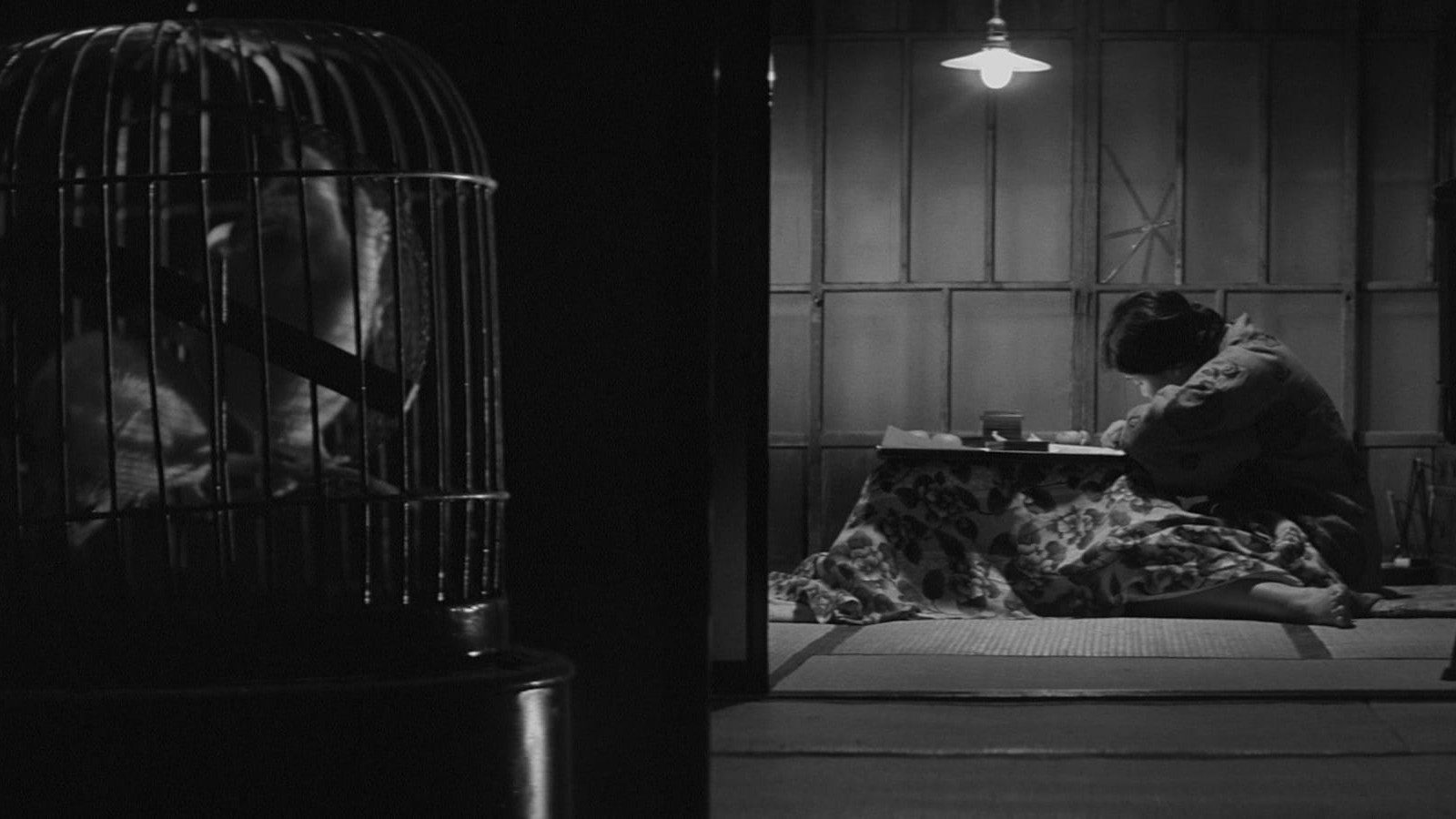
- Documentary-Like Realism: Imamura often utilises a style reminiscent of documentaries, integrating elements of cinematic realism. His approach captures the intricate details of daily life and the environment in which the characters navigate.
- Visual Experimentation: While adhering to realism, Imamura also experiments with optical techniques to enhance storytelling. His work often includes stylistic devices like freeze frames and direct addresses to the audience, breaking conventional narrative boundaries.
- Non-Linear Storytelling: Many of his films employ non-linear storytelling techniques, with narratives unfolding in a fragmented, non-sequential manner. This approach aligns with his interest in exploring the complexities and unpredictabilities of human life.
Directorial Signature:
- Empathy for Characters: Despite their flaws or societal status, Imamura approaches his characters with deep compassion and understanding, allowing audiences to connect with and reflect on the humanity of even the most unconventional protagonists.
- Rich Ethnographic Detail: Imamura, who studied ethnography, injects his films with a rich tapestry of cultural and social details, providing audiences with a deep understanding of the communities and environments depicted in his work.
- Focus on Lower Class and Working Class: Consistently throughout his career, Imamura’s lens has been focused on the lives, struggles, and aspirations of lower-class and working-class individuals, presenting an unromanticised yet deeply human view of these communities.
- Professional Actors and Non-Actors Mix: Imamura often casts non-professional actors alongside seasoned performers, creating a unique dynamic and authenticity in the portrayal of his characters and their stories.
Shohei Imamura: The 166th Greatest Director


 Bronze Screen Dream