

Shirley Clarke, an American filmmaker, is widely recognised for her pioneering contributions to independent and experimental cinema. She is best known for her innovative narrative techniques and her exploration of social and cultural themes through a distinctive, avant-garde lens. Clarke’s films often blur the lines between fiction and documentary, a style that has earned her critical acclaim and a place in cinematic history.
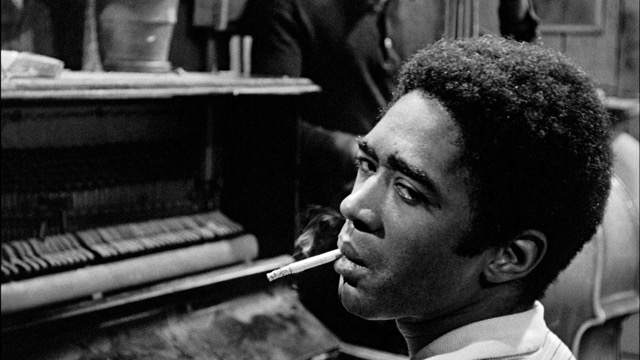
Clarke’s career began in the 1950s, marked by a fearless approach to filmmaking that challenged conventional norms. Her early works, such as Bridges-Go-Round and Skyscraper, showcase her fascination with urban landscapes, using them as canvases to explore rhythmic patterns and visual poetry. Clarke’s films are characterised by their dynamic editing styles and experimental use of sound, which often serve to heighten the emotional impact of the narrative. Her 1961 feature, The Connection, is a testament to her daring narrative style, intertwining jazz music with a raw portrayal of drug addiction. This film, along with others like Portrait of Jason, delves into controversial and socially relevant themes, reflecting Clarke’s interest in marginalised communities and her desire to push the boundaries of traditional storytelling.
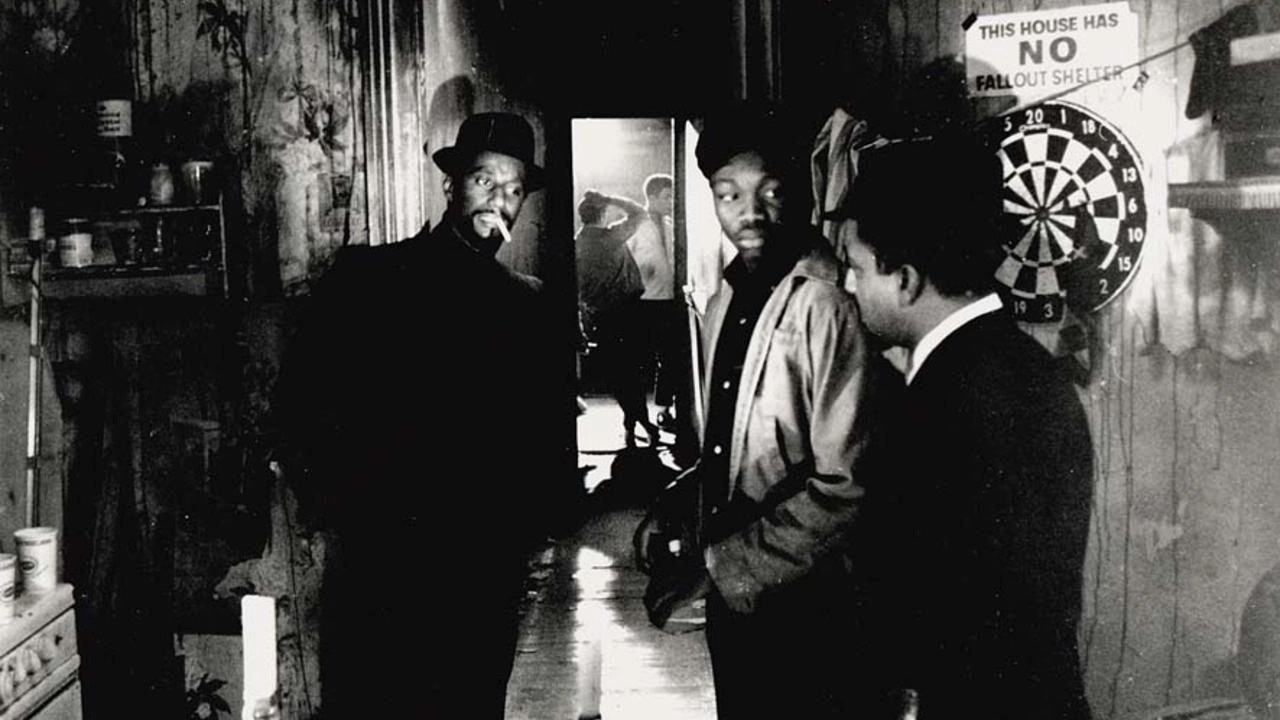
One of the most distinctive aspects of Clarke’s work is her ability to seamlessly integrate documentary realism with avant-garde techniques. Her films often feature non-professional actors and improvised dialogue, creating a sense of authenticity that resonates with viewers. Clarke’s Portrait of Jason is a prime example of this, offering an unflinching, deeply personal look into the life of a gay Black man. Her visual style, marked by close-ups and intimate framing, helps to create a powerful connection between the subject and the audience. In The Cool World, Clarke further demonstrates her unique approach to filmmaking by providing an unvarnished glimpse into the lives of Harlem teenagers, blending fiction with stark documentary realism.
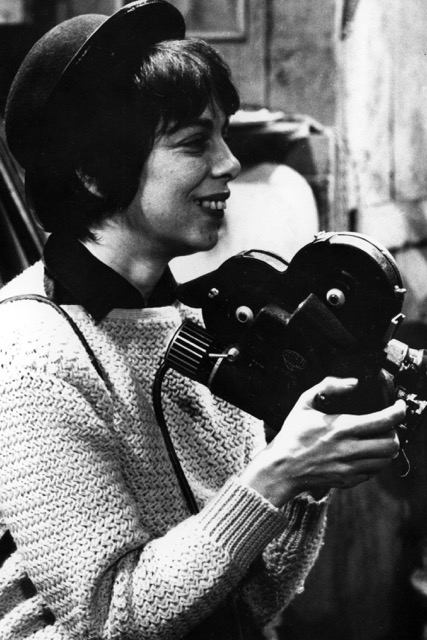
Shirley Clarke (1919 – 1997)
Calculated Films:
- Portrait of Jason (1967)
Similar Filmmakers
- Agnes Varda
- Anne Charlotte Robertson
- Barbara Hammer
- Barbara Loden
- D.A. Pennebaker
- Ed Emshwiller
- Ed Pincus
- John Cassavetes
- Jonas Mekas
- Lionel Rogosin
- Maya Deren
- Robert Breer
- Robert Downey Sr
- Robert Frank
- Rudy Burckhardt
- Stan Brakhage
- Storm De Hirsch
- Willard Maas

Shirley Clarke’s Top 5 Films Ranked
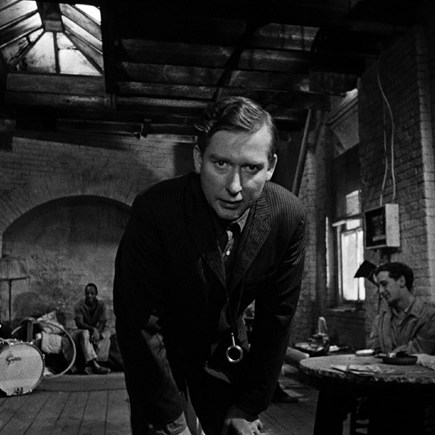
1. The Connection (1961)
Genre: Drama, New American Cinema, Mockumentary, Music, Faux Found Footage, Chamber Film
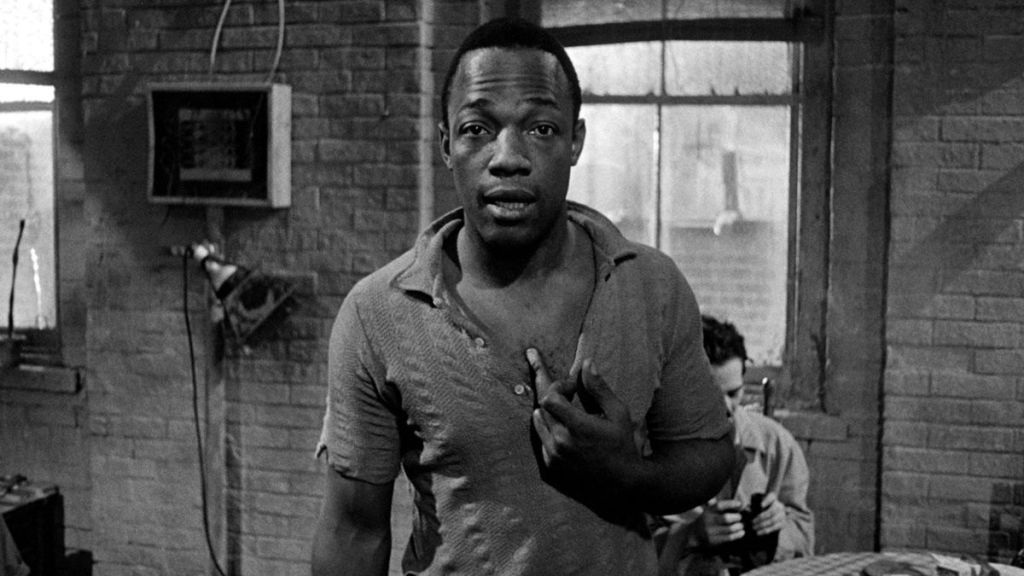
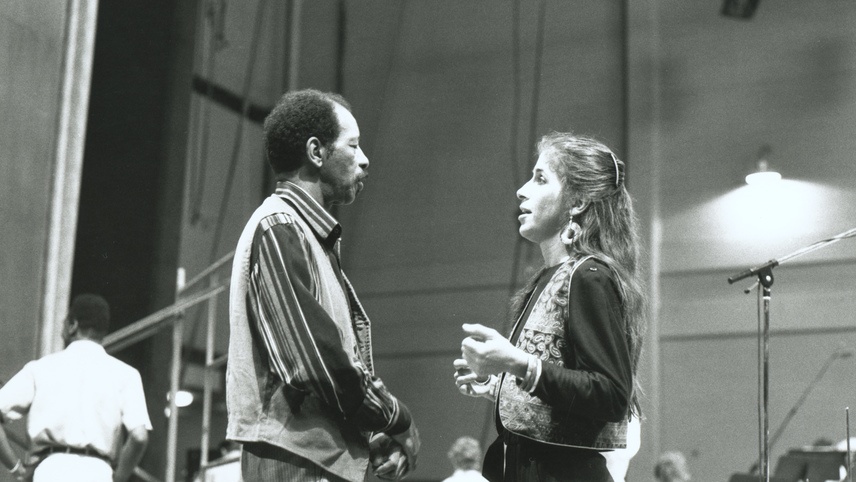
2. Ornette: Made in America (1985)
Genre: Essay Film, Music Documentary
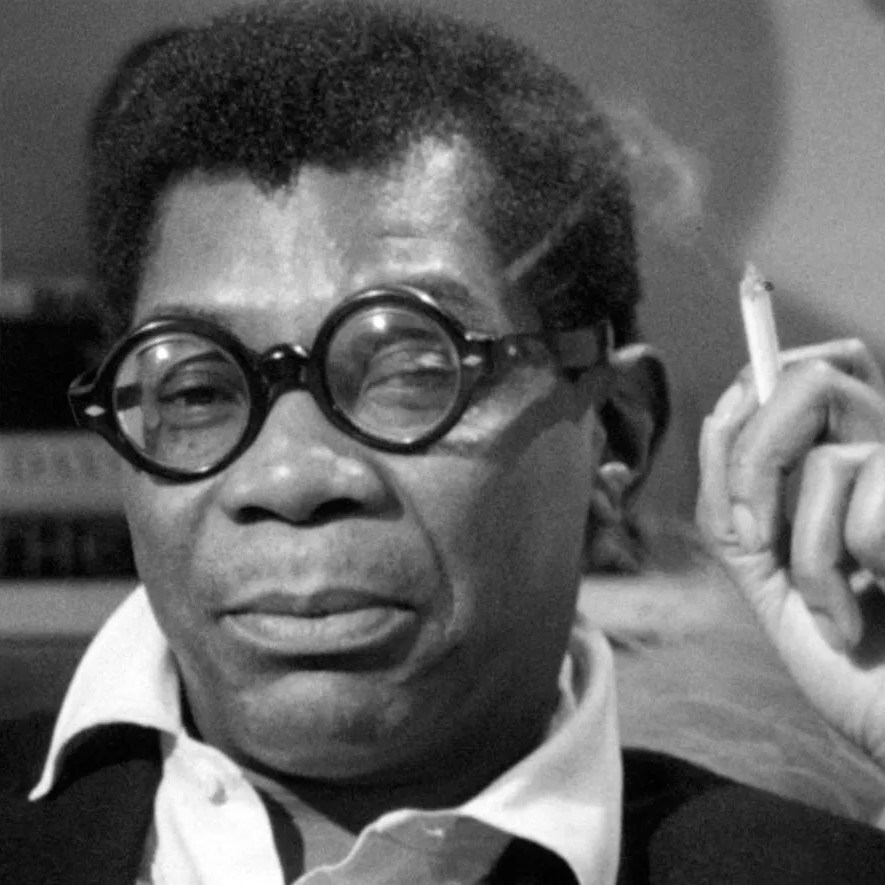
3. Portrait of Jason (1967)
Genre: Biography Documentary, Interview, LGBTQ Documentary

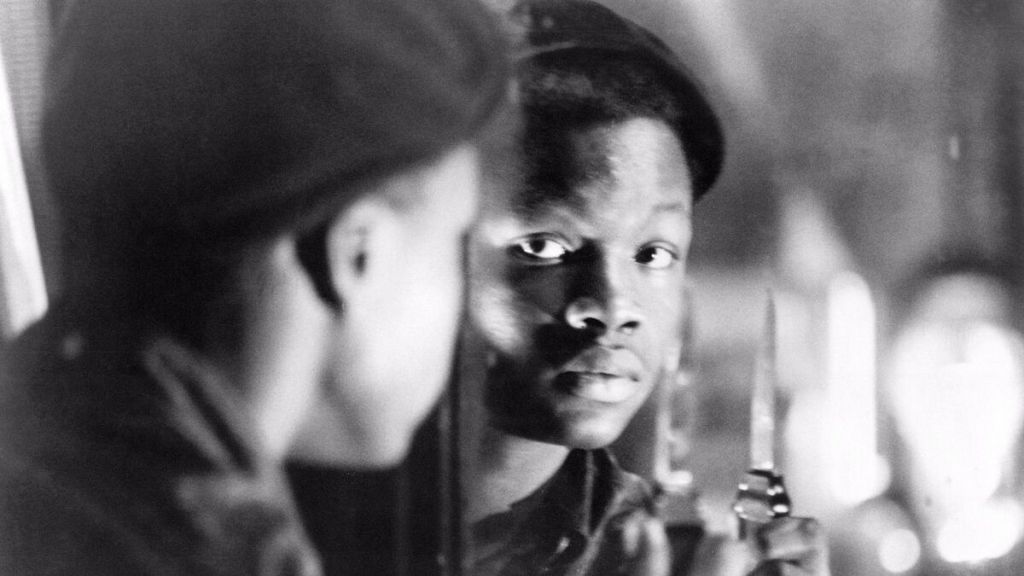
4. The Cool World (1963)
Genre: New American Cinema, Drama, Crime, Coming-of-Age
5. Skyscraper (1960)
Genre: Documentary

Shirley Clarke: Themes and Style
Themes:
- Exploration of Marginalised Communities: Clarke’s work often focuses on marginalised and underrepresented communities. Films like The Connection and Portrait of Jason delve into the lives of people living on the fringes of society, offering a raw and unfiltered view of their experiences.
- Jazz and Musical Influence: Clarke was deeply influenced by jazz, as seen in The Connection and Ornette: Made in America. Her films frequently incorporate jazz elements, reflecting the improvisational and expressive nature of the genre in both structure and narrative.
- Social and Political Commentary: Many of her films serve as commentaries on social and political issues. For instance, The Cool World addresses the harsh realities of inner-city life and gang culture, highlighting societal challenges and injustices.
- Personal and Psychological Struggle: Her works often delve into the personal and psychological struggles of individuals, as seen in Portrait of Jason, which explores the complex layers of identity, race, and sexuality.
- Urban Life and Reality: Clarke had a penchant for capturing the raw essence of urban life. Her films frequently feature the gritty, unvarnished aspects of city living, portraying a stark realism that is both compelling and challenging.
Styles:
- Cinéma Vérité and Documentary Techniques: Clarke was a pioneer of the cinéma vérité style in American cinema. She often employed documentary techniques in her narrative films, blurring the lines between reality and fiction, as evident in The Connection and Portrait of Jason.
- Improvisational Approach: Much like the jazz music she loved, Clarke’s approach to filmmaking was often spontaneous. She encouraged spontaneity and improvisation among her actors, leading to dynamic and unpredictable performances.
- Intimate Cinematography: Clarke’s use of close-up shots and intimate framing creates a deep sense of connection between the viewer and her subjects, as seen in Portrait of Jason, where the tight framing adds to the film’s intense personal focus.
- Experimental Editing Techniques: Her editing style was innovative and often experimental. Clarke was not afraid to use rapid cuts, jump cuts, and other unconventional editing techniques to create rhythm and pace in her films.
- Expressionistic Use of Light and Shadow: Clarke’s use of lighting was often stark and expressionistic, employing high contrast and dramatic shadows to enhance the mood and themes of her films, like in The Connection.
Directorial Signature:
- Integration of Non-Professional Actors: Similar to her contemporaries in the New Wave movements, Clarke often cast non-professional actors to achieve a more authentic and naturalistic performance, as demonstrated in The Cool World.
- Challenging Conventional Narratives: Clarke frequently challenged traditional narrative structures, opting instead for a more fragmented and non-linear approach, which adds a unique and often disorienting quality to her storytelling.
- Activist Filmmaking: Her work often had an activist slant, aiming to shed light on social issues and give voice to those who were often ignored or marginalised by mainstream society.
- Innovative Use of Sound: Clarke’s creative use of sound, ranging from jazz scores to environmental sounds, played a crucial role in establishing the atmosphere and mood in her films, effectively complementing her visual style.
Shirley Clarke – Great Director


 Bronze Screen Dream