

Seijun Suzuki was a Japanese film director renowned for his surreal and subversive take on yakuza films. Suzuki was noted for his genre subversion, transforming typical yakuza narratives into bold, stylised, and often psychedelic spectacles. His innovative films, such as Tokyo Drifter and Branded to Kill, challenged the norms of traditional storytelling, creating an enduring impact that extended well beyond his native Japan.
Suzuki’s filmography is marked by his distinctive visual style and narrative experimentation. His films, noted for their extensive use of colour, unusual framing, and avant-garde cinematography, create a disorienting and exhilarating atmosphere. His narratives, sometimes nonsensical or disjointed, broke away from mainstream storytelling norms, creating an effect that pushed the boundaries of what cinema could achieve. Suzuki’s tendency to rebel against studio constraints led to clashes with executives and his eventual dismissal from Nikkatsu Studio, further cementing his reputation as a rebellious auteur.
Despite initial dismissal in Japan, Suzuki’s work later gained a cult following, particularly in the West, and his influence on Japanese New Wave cinema is now widely recognised. His groundbreaking style and audacious disregard for convention influenced numerous filmmakers, including Quentin Tarantino and Jim Jarmusch, who have cited Suzuki’s work as a major source of inspiration.
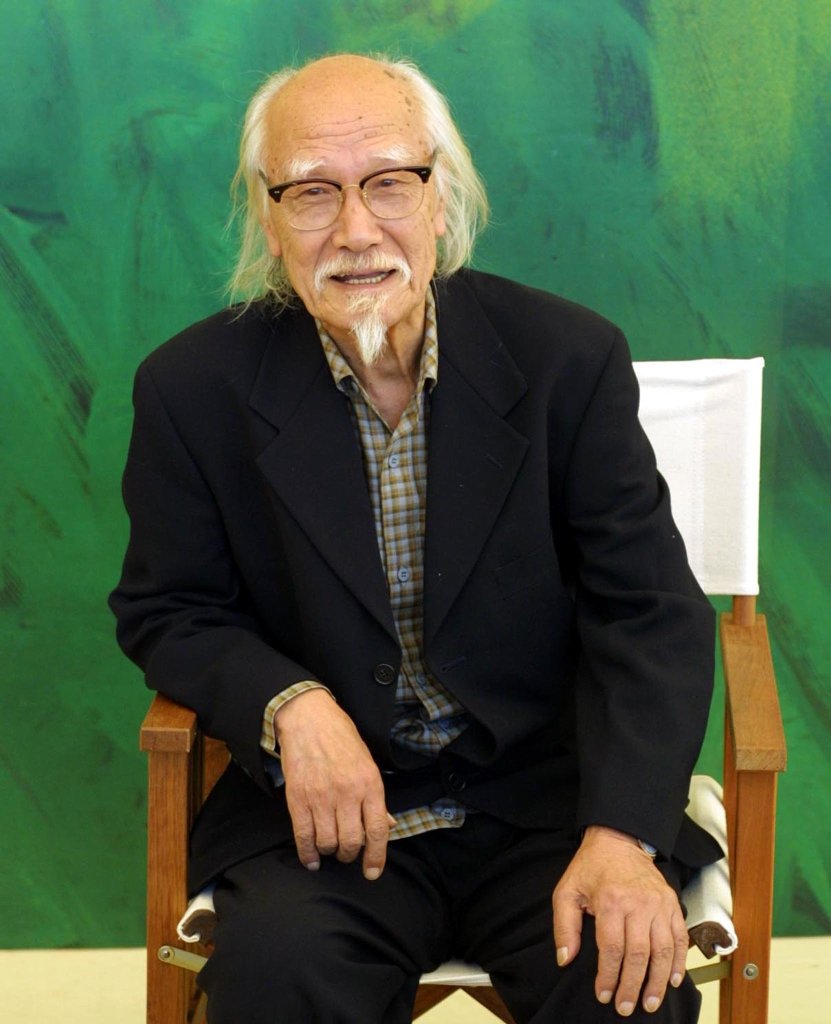
Seijun Suzuki (1923 – 2017)
Calculated Films:
- Branded to Kill (1967)
- Zigeunerweisen (1980)
- Kagero-za (1981)
Similar Filmmakers
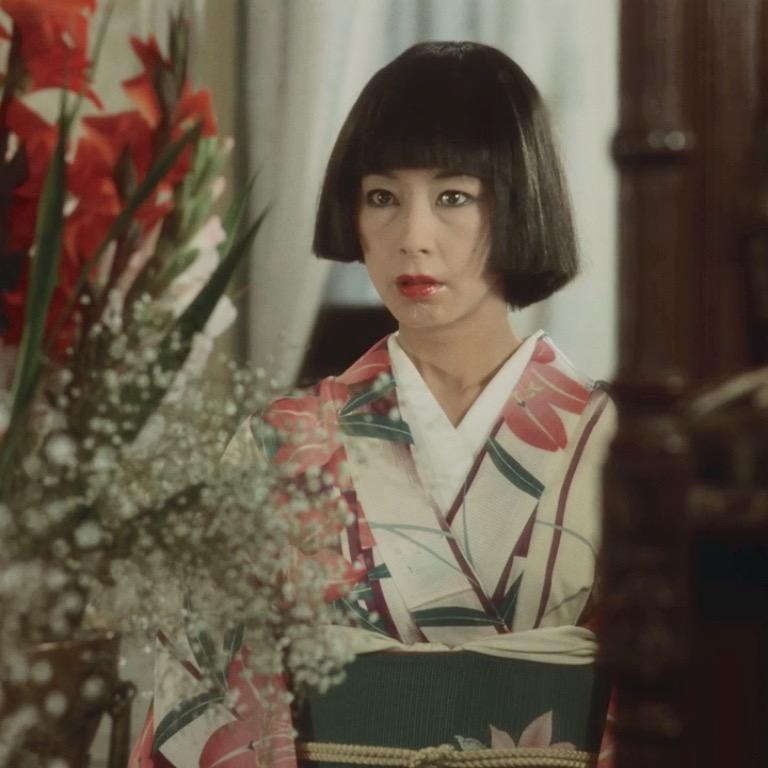


Seijun Suzuki’s Top 5 Films Ranked
1. Branded to Kill (1967)
Genre: Thriller, Neo-Noir, Yakuza, Gangster Film

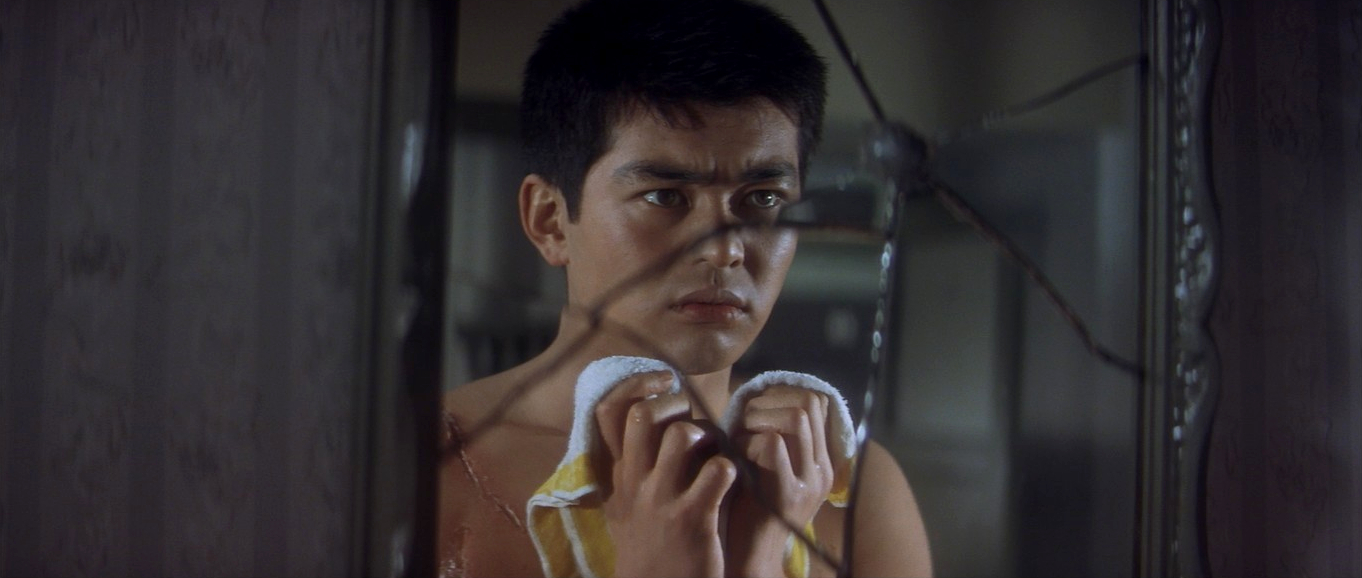
2. Youth of the Beast (1963)
Genre: Neo-Noir, Thriller, Yakuza, Gangster Film
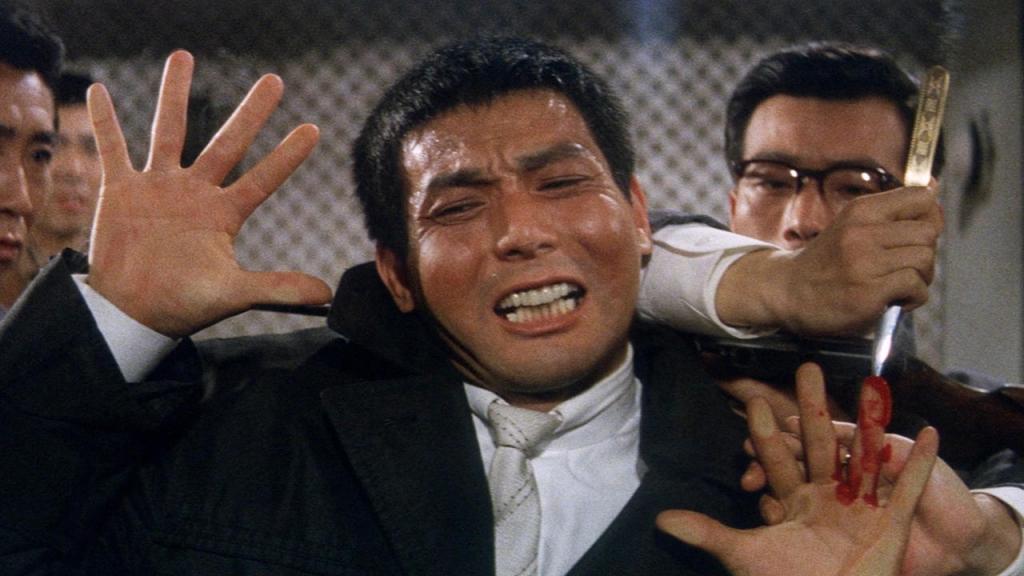
3. Kagero-za (1981)
Genre: Surrealism, Romance, Period Drama

4. Gate of Flesh (1964)
Genre: Drama, Crime

5. Zigeunerweisen (1980)
Genre: Surrealism, Mystery, Psychological Drama, Period Drama
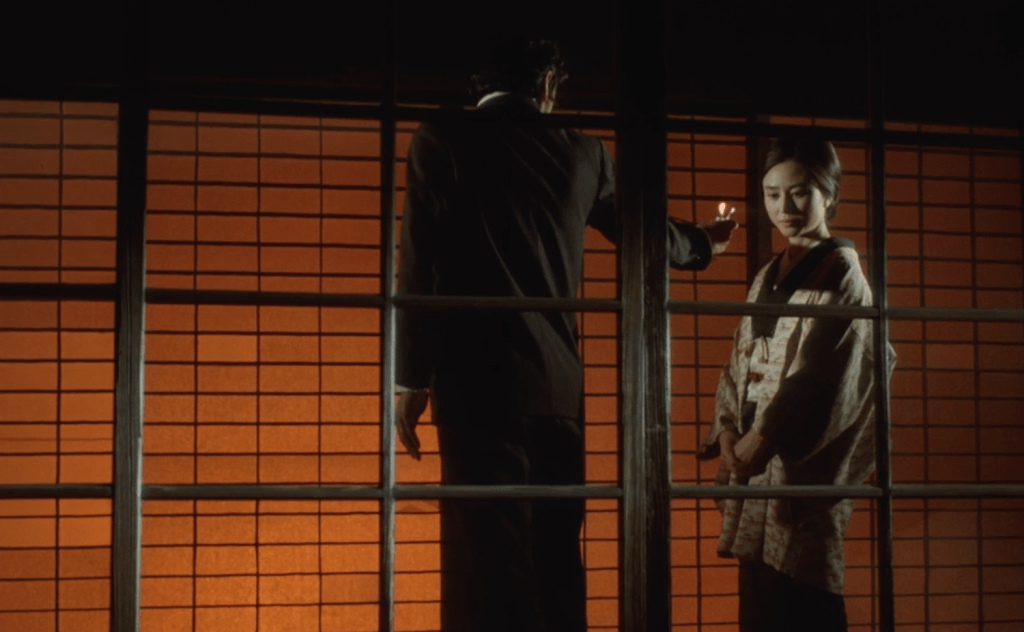
Seijun Suzuki: Themes and Style
Themes:
- Nonconformity and Rebellion: Suzuki often painted his characters as rebels, outsiders, or misfits challenging a system, reflecting his own confrontations with the Japanese studio system.
- Identity and Transformation: Films like Tokyo Drifter delve into personal metamorphosis, both physically and psychologically.
- Absurdity of Life: His stories frequently highlight existence’s unpredictable and nonsensical nature.
- Death and Fate: Characters in Suzuki’s films, especially those in the Yakuza underworld, often grapple with mortality and the uncontrollable nature of destiny.
Styles:
- Avant-garde Visuals: Suzuki was known for his bold, surreal, and often abstract visual aesthetics, extensively using colour, shadow, and unconventional camera angles.
- Narrative Disjunction: Plotlines in his films can be disjointed, favouring mood and symbolism over logical coherence.
- Genre-blending: While many of his films are rooted in the yakuza genre, Suzuki seamlessly integrated elements of comedy, horror, and even the musical into his works.
- Theatricality: His scenes often possess a stage-like quality, with pronounced lighting, set designs, and dramatic performances.
Directorial Signature:
- Iconoclastic Approach: Like Jean-Luc Godard in the French New Wave, Suzuki often broke established cinematic conventions, reshaping them in novel ways.
- Character Archetypes: The stoic, often silent anti-hero is a staple in Suzuki’s filmography. These characters usually undergo intricate personal journeys.
- Innovative Editing: Suzuki used quick cuts, jump cuts, and other experimental editing techniques to create a sense of disorientation or heightened emotion.
- Recurring Motifs: Certain visual motifs, such as butterflies in Branded to Kill, recur, adding layers of symbolism.
- Juxtaposition: Suzuki loved placing contrasting elements side by side, whether through visuals, themes, or music, resulting in a unique and unpredictable cinematic rhythm.
Seijun Suzuki – Great Director


 Bronze Screen Dream