

Satoshi Kon was a highly acclaimed Japanese film director and animator known for his impactful contributions to the world of anime. His work, characterised by its psychological depth, artistic brilliance, and seamless blurring of fantasy and reality, has left a lasting mark on the medium. His notable films, such as Perfect Blue and Paprika, remain influential, while his TV series, Paranoia Agent, demonstrated his skilful storytelling across different formats.
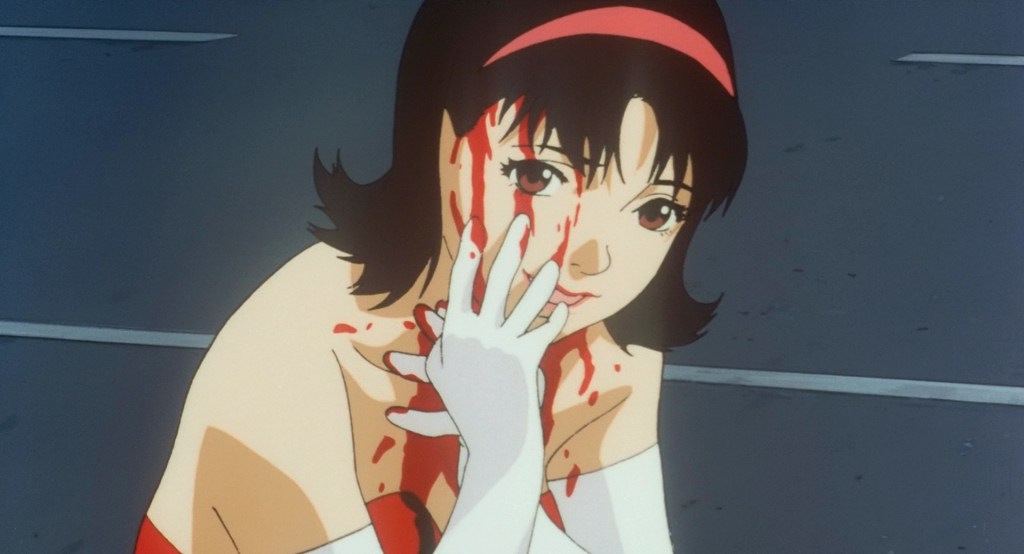
Kon’s journey into anime began with a fascination with manga, leading to him becoming a manga artist. Katsuhiro Otomo, the director of the acclaimed Akira, soon recognised his talent, which led Kon to transition to anime. His films frequently explored complex psychological themes, often using the realm of dreams and the subconscious as a narrative space. In Perfect Blue, for example, Kon delves into the psychological disintegration of a pop idol turned actress, artfully blurring the lines between reality and illusion.
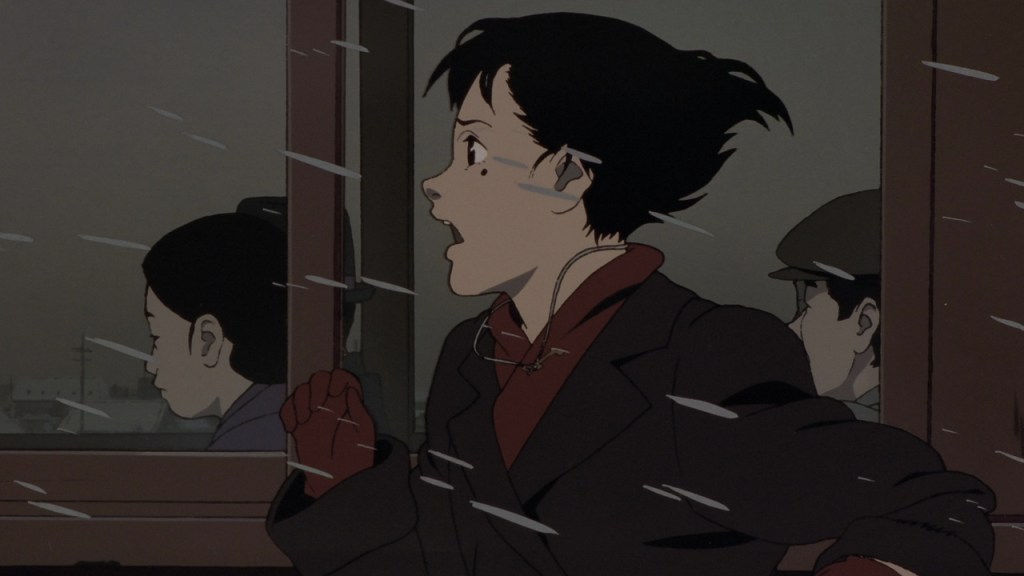
Kon’s work is visually distinguished by its meticulous detail and innovative editing. His signature style often involved transitions seamlessly blending one scene into the next, creating an impression of fluid continuity. This technique, displayed in Millennium Actress, effectively supports the film’s blend of memory, fantasy, and reality. Kon’s use of colours, character design, and imaginative settings also contribute to the distinctive visual style of his works.
What sets Kon’s work apart is his exploration of complex themes through a unique blend of psychological realism and fantasy. His films often probe into the human psyche and question the nature of reality. This is most evident in Paprika, where the invention of a device that allows therapists to enter a patient’s dreams leads to a chaotic merging of dream and reality, reflecting Kon’s fascination with the human mind and its subjective experience of reality.
Internationally, Kon’s work has influenced a range of filmmakers. Notably, American director Darren Aronofsky has cited Kon’s influence, with striking visual similarities observed between Kon’s Perfect Blue and Aronofsky’s Black Swan. Kon’s innovative storytelling techniques and mature thematic approach have opened new possibilities in anime, inspiring a generation of anime creators. Although Kon’s career was cut tragically short by his untimely death in 2010, his impactful contributions to the medium of anime and the broader world of cinema remain deeply influential, marking him as one of the most significant figures in contemporary animation.
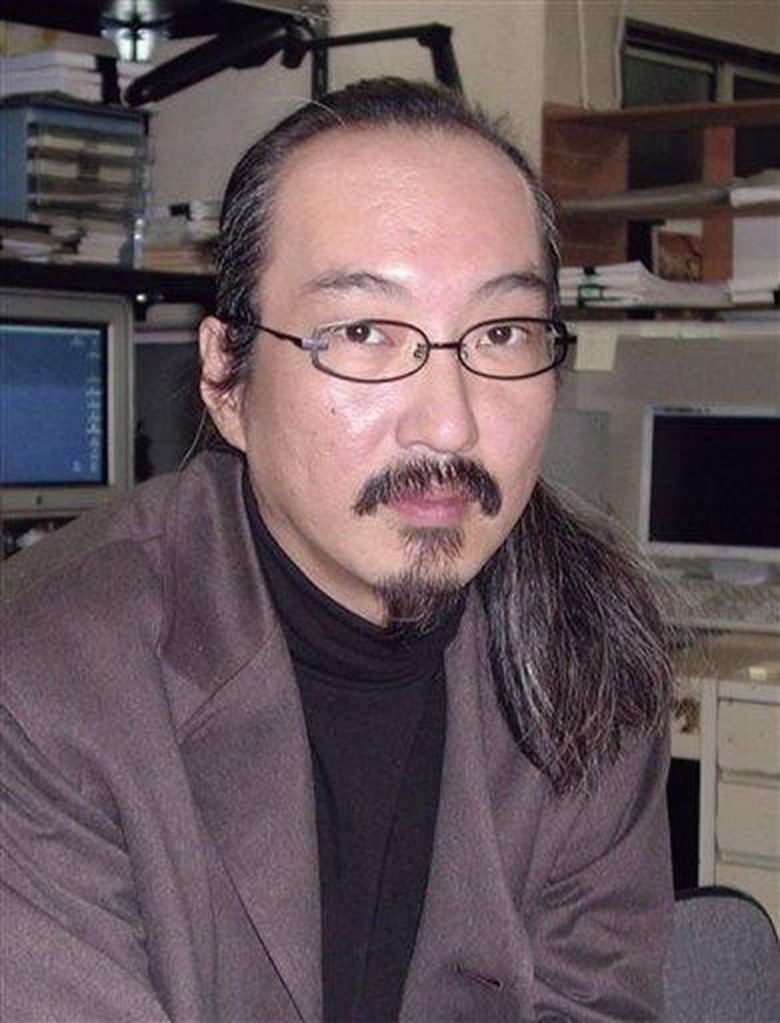
Satoshi Kon (1963 – 2010)
Calculated Films:
- Perfect Blue (1997)
- Millennium Actress (2001)
- Tokyo Godfathers (2003)
- Paprika (2006)
Similar Filmmakers
- Christopher Nolan
- Darren Aronofsky
- David Lynch
- Hayao Miyazaki
- Hideaki Anno
- Hiromasa Yonebayashi
- Hiroyuki Okiura
- Kunihiko Ikuhara
- Isao Takahata
- Katsuhiro Otomo
- Kiyoshi Kurosawa
- Makoto Shinkai
- Mamoru Hosoda
- Mamoru Oshii
- Masaaki Yuasa
- Park Chan-wook
- Shunji Iwai
- Terry Gilliam


Satoshi Kon’s Films Ranked
1. Perfect Blue (1997)
Genre: Anime, Psychological Thriller, Mystery, Psychological Horror
2. Millennium Actress (2001)
Genre: Anime, Drama, Romance
3. Tokyo Godfathers (2003)
Genre: Anime, Comedy, Drama

4. Paprika (2006)
Genre: Anime, Surrealism, Sci-Fi, Psychological Thriller, Mystery
Satoshi Kon: Themes and Style
Themes:
- Reality vs. Illusion: A recurring theme in Kon’s work is the blending of dreams and reality. Films like Paprika and Perfect Blue play with the fluidity of what’s real and what’s imagined, challenging the viewer’s perception.
- Identity and Self-perception: Characters in Kon’s films often grapple with who they are, influenced by society, their professions, or their psychological challenges. The notion of a fragmented identity or the duality of one’s persona is explored extensively in Perfect Blue and Millennium Actress.
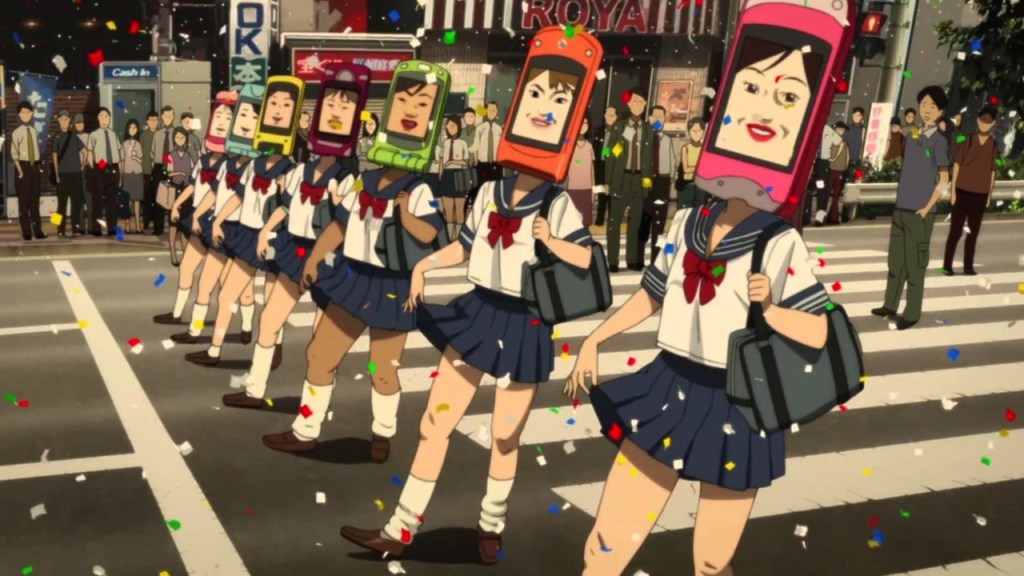
- The Role of Media and Pop Culture: Kon critically examines the world of entertainment, stardom, and media consumption in many of his films, particularly Perfect Blue and Tokyo Godfathers.
- Memories and Nostalgia: Kon’s characters often cling to or are haunted by their pasts, as seen in Millennium Actress, where the protagonist is in constant pursuit of a mysterious man from her past.
Styles:
- Visual Fluidity: Known for his seamless transitions between scenes, Kon often moves from one shot to another through ingenious visual matches, creating a dreamlike continuity in his films.
- Intricate Editing: Rapid cuts, visual parallels, and nonlinear storytelling are trademarks of Kon’s editing style. These techniques heighten the sense of disorientation and challenge the viewer’s grasp of reality.
- Detailed Animation: Kon’s background in manga and his dedication to the craft meant that his films showcased meticulous attention to detail in their animation.
- Character Designs: Kon’s characters are expressive, with realistic features and movements. They are often more subdued than the exaggerated designs common in many other anime films and series.
Directorial Signature:
- Blurred Boundaries: Kon had a unique ability to intertwine the real with the surreal. His characters often journey between reality and illusion without clear demarcations, leading to narratives that keep audiences on their toes.
- Empathetic Storytelling: Kon’s films often deal with heavy and complex themes, but they are always rooted in human emotions. He portrays his characters with deep empathy, making them relatable even in the most surreal scenarios.
- Meta-commentary on Filmmaking: Films like Millennium Actress and the series Paranoia Agent contain reflections on the nature of cinema, storytelling, and the creative process, showcasing Kon’s love for and critical view of the industry.
- Strong Female Characters: From Perfect Blue to Paprika, Kon’s films often feature strong female protagonists, each facing and overcoming their own psychological and societal challenges.
Satoshi Kon: The 195th Greatest Director



 Bronze Screen Dream