

Sam Mendes is an English director known for his visually striking and thematically potent films. With an extensive background in theatre, Mendes has demonstrated his ability to weave compelling narratives and direct outstanding performances across various genres. From the critically-lauded drama American Beauty to the exhilarating action of the James Bond film Skyfall, Mendes’s portfolio is a testament to his versatility and mastery of the art form.
Before transitioning to the silver screen, Mendes was a celebrated theatre director. This background heavily informs his cinematic approach, as seen in his emphasis on dramatic storytelling, character-driven narratives, and formidable performances. His directorial debut, American Beauty, exhibits these hallmarks. The film offers a scathing critique of suburban life and domestic relationships, themes he further explored in Revolutionary Road. Mendes’s work often peels back the veneer of the ordinary to expose underlying tension, discontent, or tragedy, a testament to his theatrical roots.
Mendes’s visual style is as distinctive as his storytelling. His films often feature memorable and stylised images crafted in collaboration with renowned cinematographers, most notably Roger Deakins, with whom he worked on Skyfall and 1917. Mendes also has a long-standing partnership with composer Thomas Newman, whose scores further enrich the director’s emotionally intense and visually striking narratives.
From Stage to Screen
His innovative film techniques show his audacious spirit and penchant for pushing boundaries. A prime example is 1917, a war film presented as if it is one continuous shot, a feat that significantly contributed to its box office success and critical acclaim. Despite the complexity and diversity of his works, Mendes has consistently achieved both commercial and critical success, as evidenced by the Academy Award he received for American Beauty and the massive global earnings of films like Skyfall and 1917.
Mendes’s influence on contemporary cinema is profound. His stage-to-screen aesthetic, exploration of societal issues, and innovative filmmaking techniques have shaped the cinematic landscape, inspiring directors worldwide. Whether delving into the intricacies of suburban life or staging epic war sequences, Mendes’s work continually challenges and captivates audiences, affirming his place in the annals of film history.

Sam Mendes (1965 – -)
Calculated Films:
- American Beauty (1999)
- Road to Peredition (2002)
- Skyfall (2012)
- 1917 (2019)
Similar Filmmakers

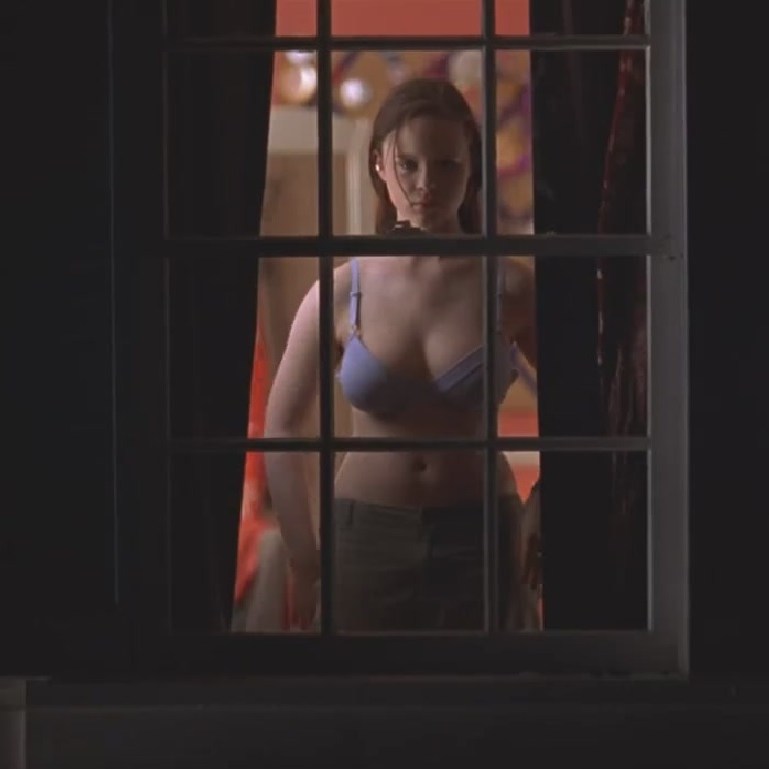

Sam Mendes’ Films Ranked
1. American Beauty (1999)
Genre: Drama, Black Comedy, Family Drama

2. 1917 (2019)
Genre: War, Period Drama, Thriller, Adventure

3. Skyfall (2012)
Genre: Spy, Action, Thriller

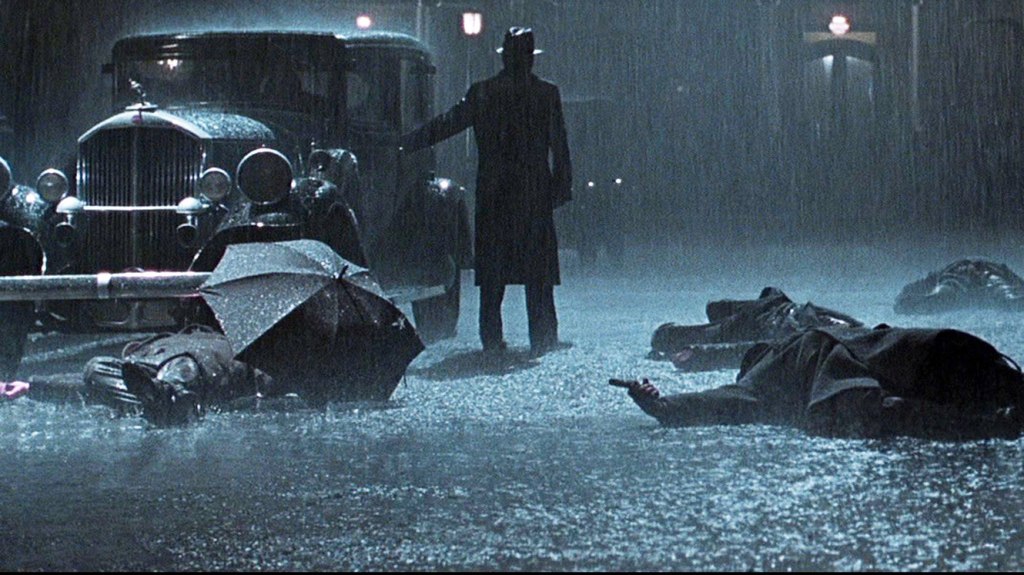
4. Road to Perdition (2002)
Genre: Gangster Film, Drama, Thriller, Period Drama
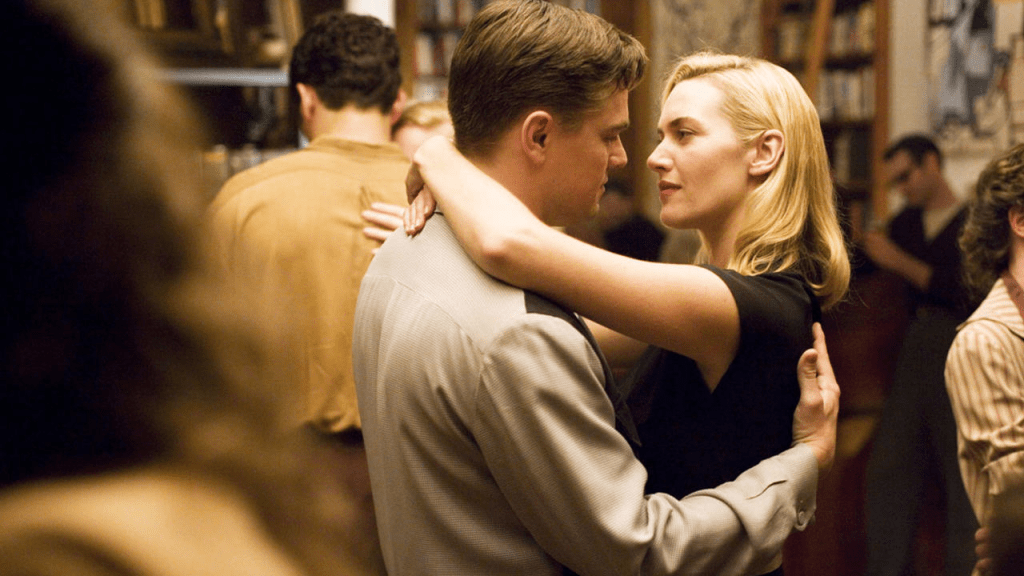
5. Revolutionary Road (2008)
Genre: Drama, Melodrama, Period Drama, Family Drama
6. Jarhead (2005)
Genre: War, Drama

7. Away We Go (2009)
Genre: Road Movie, Drama, Comedy

8. Spectre (2015)
Genre: Spy, Action

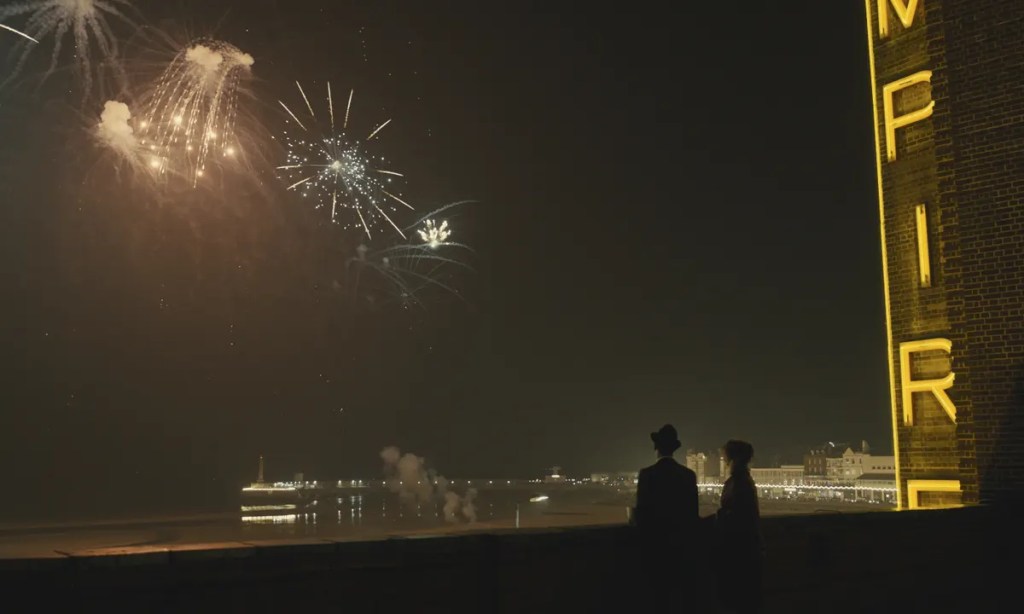
9. Empire Of Light (2022)
Genre: Period Drama, Romance
Sam Mendes: Themes and Style
Themes:
- The Human Psyche: Mendes often delves into the intricate workings of the human mind. His characters are psychologically complex, often struggling with their internal conflicts, desires, and motivations.
- Isolation and Loneliness: Many of Mendes’s films explore themes of alienation and solitude, showcasing characters who grapple with their emotional and physical isolation from society and their loved ones.
- The American Dream: Mendes critically examines the pursuit of the American Dream, highlighting its allure, hollowness, and often destructive impact on individuals and families.
- War and Conflict: War serves as a central theme in some of Mendes’s work, serving not only as a backdrop but also as a lens through which the director explores the human condition, sacrifice, and the effects of violence.
Styles:
- Visual Storytelling: Mendes is known for his strong visual style that integrates meticulous composition, colour grading, and lighting to create atmospheric and emotionally charged scenes.
- Theatricality: With a background in theatre, Mendes infuses his films with a sense of theatricality, employing dramatic elements and staging techniques that enhance the narrative’s emotional depth and visual appeal.
- Long Takes and Tracking Shots: Mendes often utilises extended takes and sophisticated tracking shots, which not only showcase technical prowess but also immerse the audience more deeply into the story and the characters’ experiences.
- Symbolism: Symbolic elements are prominent in Mendes’s films. Through visual metaphors and allegories, he communicates deeper meanings and themes that resonate with audiences on a subconscious level.
Directorial Signature:
- Ensemble Cast: Mendes often works with ensemble casts, drawing out strong performances that create a tapestry of interconnected characters and relationships, each contributing significantly to the narrative’s depth.
- Collaboration with Renowned Cinematographers: Mendes collaborates closely with accomplished cinematographers (like Roger Deakins), crafting visually stunning films that are as notable for their imagery as for their storytelling.
- Integration of Music and Sound: Soundtracks and sound design play crucial roles in Mendes’s films, often used to accentuate the emotional tone of a scene, enhance the narrative pacing, or underscore thematic elements.
- Juxtaposition of Reality and Fantasy: Mendes seamlessly blends the lines between reality and fantasy, often through subjective viewpoints, dream sequences, or visual effects that reflect the characters’ internal states and perceptions.
Sam Mendes: The 225th Greatest Director


 Bronze Screen Dream