

Sally Potter is a renowned British filmmaker known for her thought-provoking and visually striking films that often challenge conventional narratives and explore complex themes. Her work spans various genres, from experimental short films to feature-length dramas, and has garnered critical acclaim and international recognition.
Throughout her career, Potter has consistently pushed the boundaries of cinema. She began her journey in the 1970s with experimental short films before making her feature debut with the groundbreaking The Gold Diggers in 1983. Potter gained widespread recognition with her 1992 film Orlando, an adaptation of Virginia Woolf’s novel, which showcased her ability to blend historical and contemporary themes while exploring gender and identity. She has since directed numerous notable films, such as The Tango Lesson, Yes, and Ginger & Rosa, each demonstrating her versatility and willingness to take on challenging subjects.
Potter’s films often delve into themes of identity, gender, politics, and the human experience. She has a keen interest in exploring the inner lives of her characters, particularly women, and the societal pressures they face. In The Tango Lesson, Potter herself stars as a filmmaker who becomes entangled in a complex relationship with a tango dancer, blurring the lines between reality and fiction while examining power dynamics and creative expression. Her 2004 film Yes tackles issues of love, religion, and cultural differences through an unconventional narrative structure and poetic dialogue.
Visually, Potter’s films are characterised by their striking imagery and innovative use of cinematic techniques. She often employs unconventional camera angles, bold colour palettes, and carefully composed frames to create a distinct aesthetic that complements her storytelling. Potter’s approach to filmmaking is deeply personal and introspective, often drawing from her own experiences and observations. She is known for her collaborative process, working closely with her actors and crew to create a supportive and creative environment on set. Potter’s films are also notable for their use of music and dance, which she seamlessly integrates into her narratives to evoke emotion and convey meaning.

Sally Potter (1949 –)
Calculated Films:
- Orlando (1992)
Similar Filmmakers
- Agnes Varda
- Agnieszka Holland
- Carine Adler
- Chantal Akerman
- Deepa Mehta
- Derek Jarman
- Ildiko Enyedi
- Jane Campion
- Julie Dash
- Julie Taymor
- Lynne Ramsay
- Margarethe von Trotta
- Marleen Gorris
- Niki Caro
- Patricia Rozema
- Peter Greenaway
- Terence Davies
- Wim Wenders


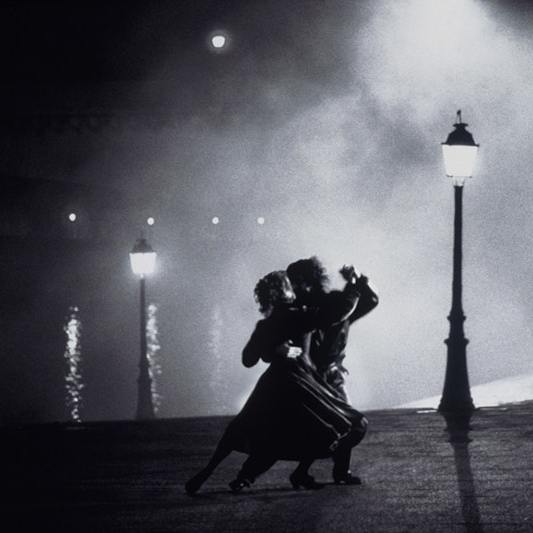
Sally Potter’s Top 5 Films Ranked
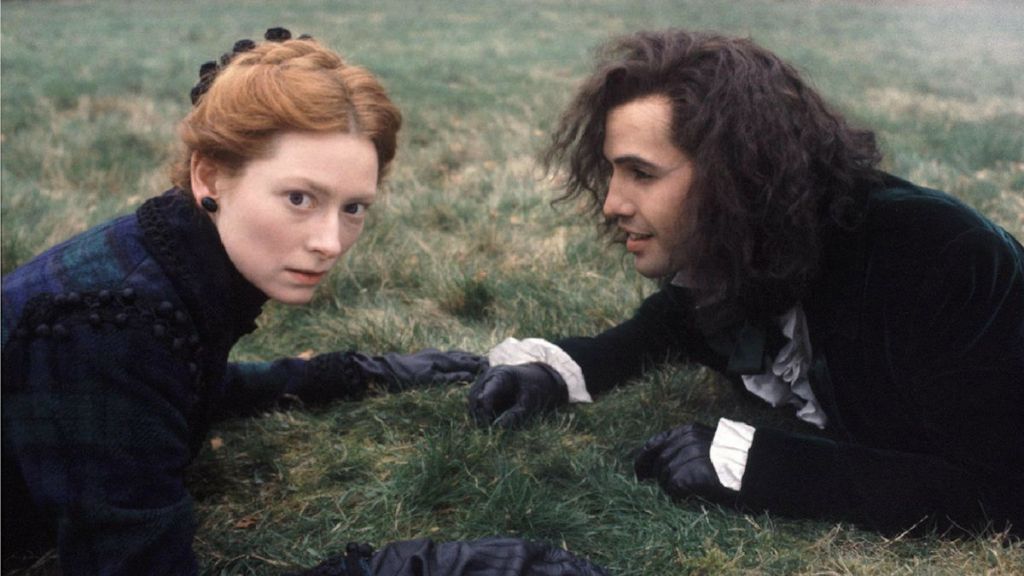
1. Orlando (1992)
Genre: Low Fantasy, Period Drama, Magical Realism
2. The Party (2017)
Genre: Black Comedy, Satire, Drama, Chamber Film

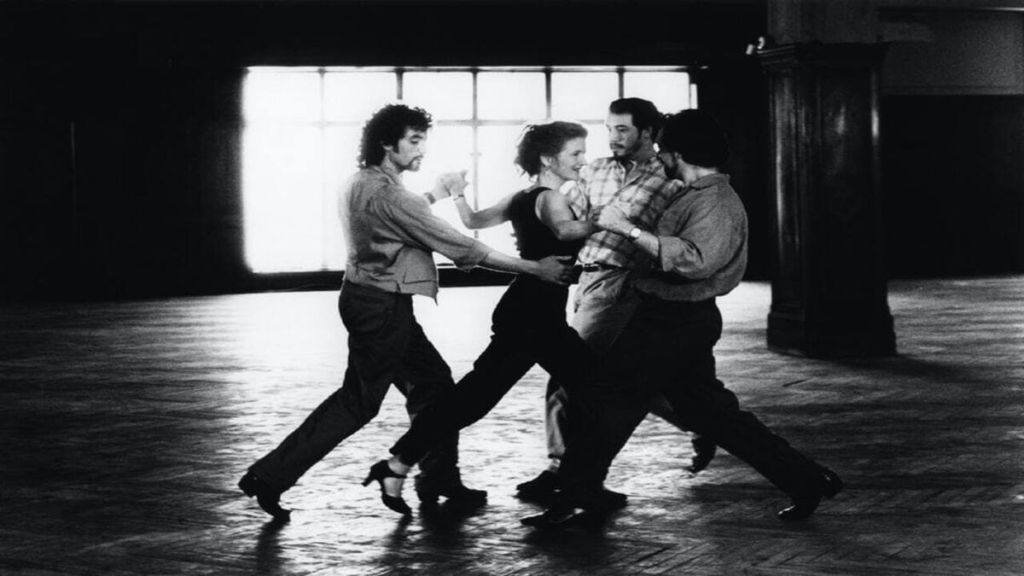
3. The Tango Lesson (1997)
Genre: Drama, Dance Film, Romance
4. Ginger and Rosa (2012)
Genre: Drama, Coming-of-Age

5. The Gold Diggers (1983)
Genre: Psychological Drama, Surrealism

Sally Potter: Themes and Style
Themes:
- Gender and Identity: Potter frequently explores complex issues surrounding gender and identity in her films. In Orlando, she delves into the fluidity of gender, challenging traditional norms and presenting a protagonist who transcends time and gender boundaries, reflecting Potter’s fascination with how identity is constructed and perceived.
- Politics and Society: Her work often contains a strong socio-political undercurrent. For example, The Party is a satirical take on contemporary politics, exposing the hypocrisies and moral dilemmas faced by its characters, which mirrors Potter’s interest in dissecting societal structures and beliefs.
- Art and Performance: Potter’s background in performance art is evident in her thematic interest in the arts. Films like The Tango Lesson blur the lines between reality and performance, exploring the relationship between the artist and their art and the transformative power of dance and music in expressing identity and emotions.
- Human Connections and Relationships: At the core of many of Potter’s films are the intricate dynamics of human relationships. Ginger & Rosa focuses on the intense friendship between two girls set against the backdrop of the 1960s nuclear threat.
Styles:
- Non-Linear Storytelling: Potter often employs non-linear and fragmented narrative structures to enhance her thematic explorations. In Orlando, the disjointed timeline and episodic nature of the narrative reflect the fluidity and complexity of identity and history, showcasing Potter’s innovative storytelling techniques.
- Visual Aesthetics and Symbolism: Her films are known for their striking visual style, characterised by rich symbolism and meticulous composition. The Gold Diggers showcases Potter’s use of monochrome imagery and symbolic elements to create visually compelling narratives that augment the film’s thematic depth.
- Interdisciplinary Approach: Drawing from her diverse artistic background, Potter’s style is marked by a multidisciplinary approach, blending elements of theatre, dance, and music. The Tango Lesson is a testament to this, where dance sequences are not just performances but integral narrative and thematic components.
- Minimalism and Intimacy: Potter often employs a minimalist approach, focusing on intimate settings and small casts to delve deep into character psychology and relationships. The Party is set almost entirely in a single house, using this constrained setting to intensify the dramatic interactions and emotional tensions among the characters.
Directorial Signature:
- Intellectual Provocation: Potter’s films are intellectually stimulating, often provoking thought on complex themes like gender politics, historical consciousness, and artistic expression.
- Collaborative Performances: Potter is known for her collaborative approach with actors, often drawing out deeply nuanced performances.
- Genre Blending: Potter defies traditional genre constraints, blending elements from various genres to create unique cinematic experiences. Orlando merges historical drama with elements of fantasy and comedy, reflecting Potter’s penchant for transcending genre boundaries to enhance narrative and thematic richness.
- Personal Touch: Many of Potter’s films have a personal touch, drawing from her own experiences and artistic journey. The Tango Lesson, where Potter plays a version of herself, offers a glimpse into her personal exploration of creativity and the intersection between life and art, marking it as a signature aspect of her directorial style.
Sally Potter – Great Director




 Bronze Screen Dream