

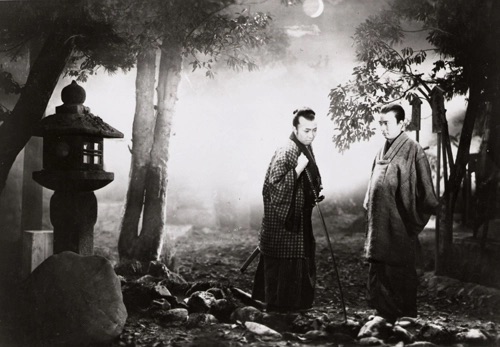
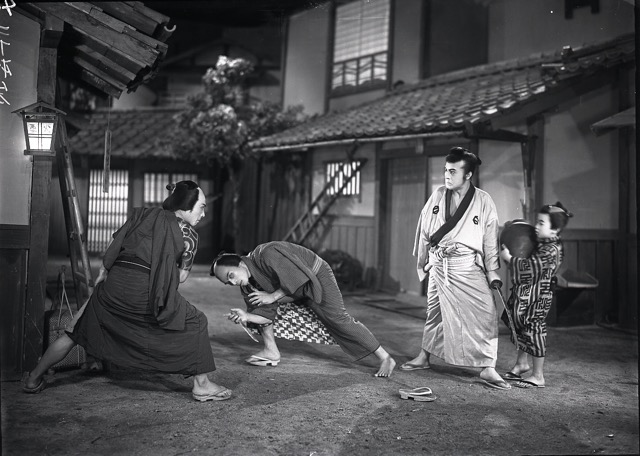
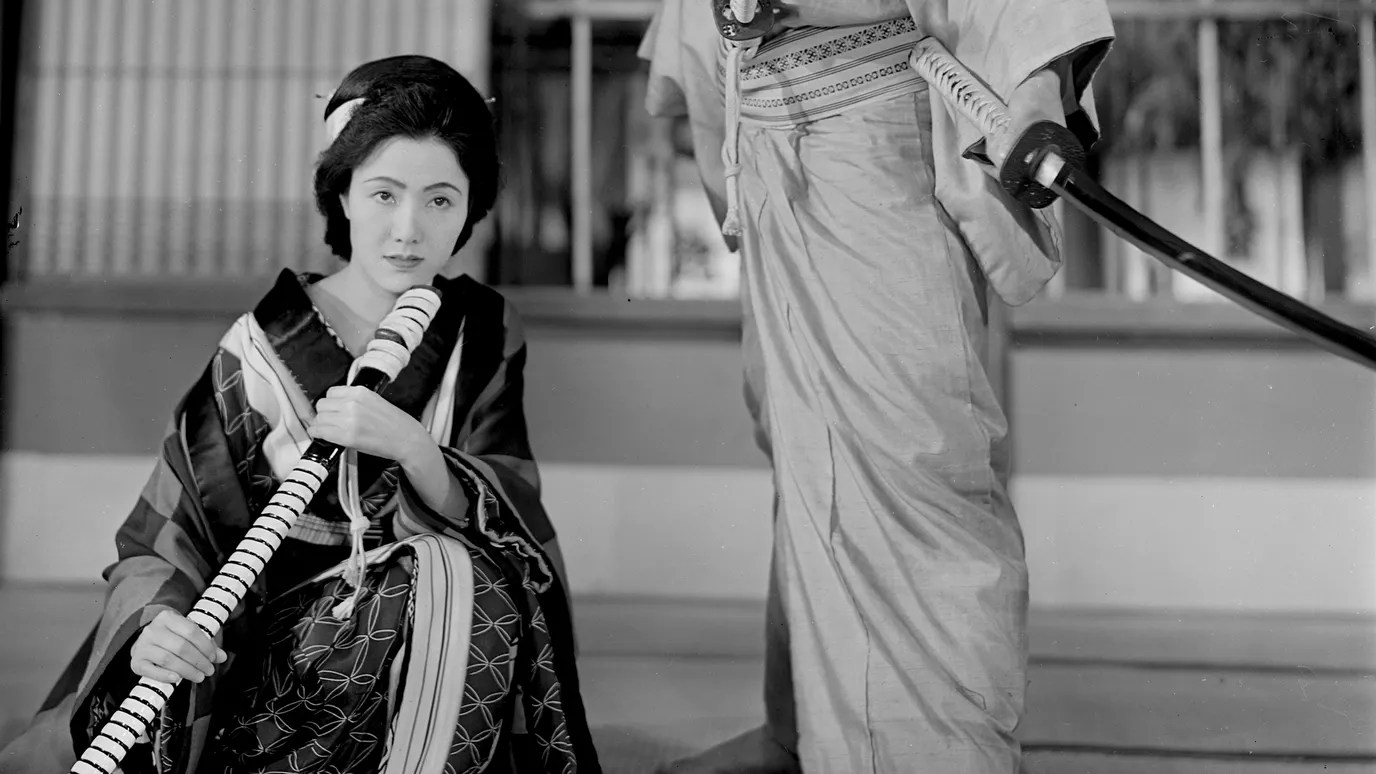
Sadao Yamanaka was a Japanese film director celebrated for his pioneering works in the jidaigeki genre during the 1930s. Though his career was tragically short-lived, his films have left their impression on Japanese cinema.
Unlike many of his contemporaries who depicted historical tales with grandeur, Yamanaka’s approach was deeply rooted in humanity and the everyday lives of common people. In Kōchiyama Sōshun, for instance, he turned a traditional kabuki play into a poignant exploration of human desires and regrets. Another hallmark of his works was his ability to capture the nuanced social dynamics and class hierarchies of feudal Japan. Films like Humanity and Paper Balloons highlighted the plight of the downtrodden and their desperate struggles against oppressive societal structures.
Yamanaka had a knack for using mise-en-scène to communicate the emotional depth of his narratives. Sparse settings, naturalistic lighting, and prolonged takes were employed to immerse the audience in the world he depicted. He often refrained from using overly dramatic musical scores, allowing the natural ambient sounds and dialogues to drive the mood of the scene. This minimalist approach, coupled with richly written characters, gave his films a genuine, lived-in feel. Although lesser known nowadays, Yamanaka was a crucial figure in developing Japan’s budding pre-war movie industry.
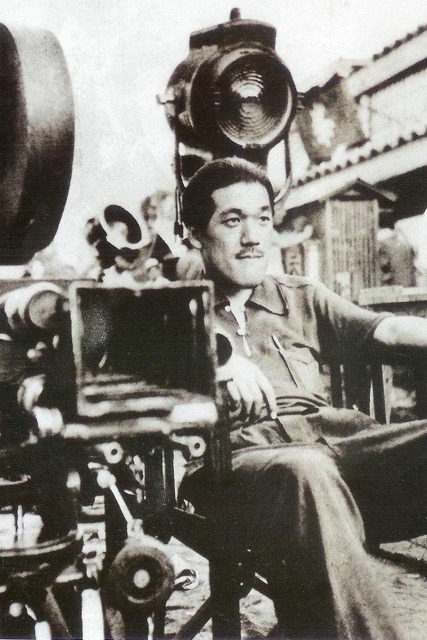
Sadao Yamanaka (1909 – 1938)
Calculated Films:
- Sazen Tange and the Pot Worth a Million Ryo (1935)
- Humanity and Paper Balloons (1937)
Similar Filmmakers
- Akira Kurosawa
- Daisuke Ito
- Heinosuke Gosho
- Heinosuke Kinugasa
- Hiroshi Inagaki
- Hiroshi Shimizu
- Kazuo Mori
- Keisuke Kinoshita
- Kenji Mizoguchi
- Kon Ichikawa
- Masahiro Makino
- Masaki Kobayashi
- Mikio Naruse
- Tadashi Imai
- Tai Kato
- Tomu Uchida
- Torajiro Saito
- Yasujiro Ozu


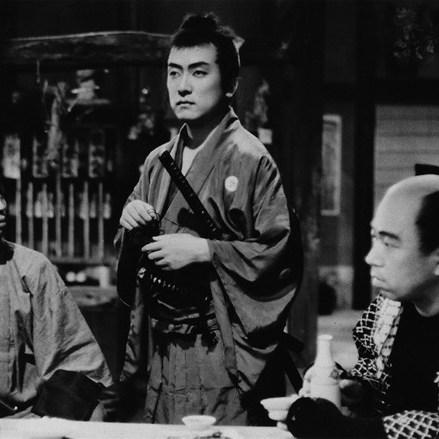
Sadao Yamanaka’s Top Films Ranked
1. Sazen Tange and the Pot Worth a Million Ryo (1935)
Genre: Jidaigeki, Comedy
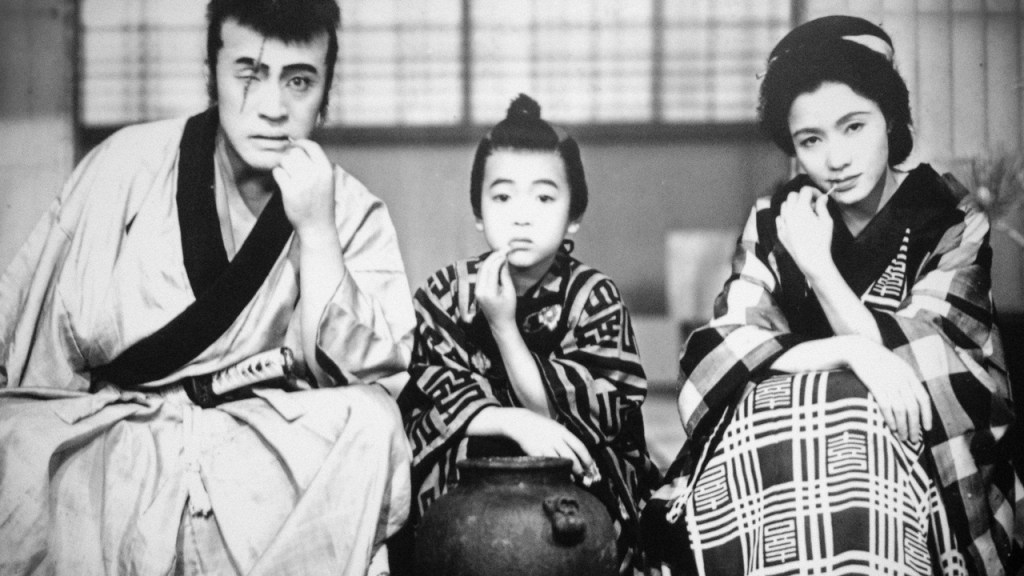
2. Humanity and Paper Balloons (1937)
Genre: Jidaigeki

3. Kōchiyama Sōshun (1936)
Genre: Jidaigeki
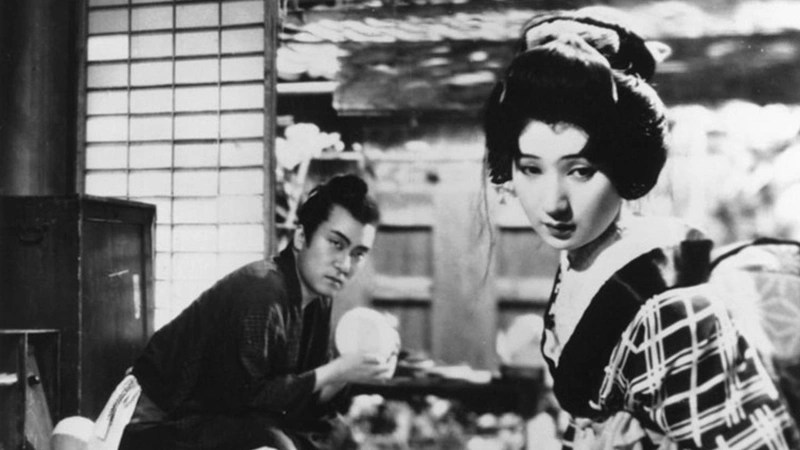
Sadao Yamanaka: Themes and Style
Themes:
- Societal Critique: Yamanaka was known for his incisive portrayal of Edo period society, highlighting the stark contrasts between different classes, particularly the lives of samurai, peasants, and townspeople.
- Humanism: At the core of many of his films is a deep compassion and understanding of the human condition. His characters often grapple with their place in society, searching for meaning or struggling with their own moral compasses.
- Tragedy and Comedy: Yamanaka had a gift for blending tragedy and comedy. His films often wove moments of levity with deep melancholy, demonstrating the dual nature of life.
- Fate and Circumstance: Characters in Yamanaka’s films frequently find themselves trapped by the circumstances of their birth or the whims of fate, a reflection of the restrictive societal norms of the Edo period.
Styles:
- Naturalistic Dialogue: Yamanaka’s films were known for their realistic and relatable dialogue, a departure from the more stylised or theatrical dialogues common in period films.
- Minimalism: He often used minimal sets, focusing instead on the intricacies of the characters and the narrative. This approach lent a raw, unfiltered look into the world he was portraying.
- Detailed Characters: Every character, no matter how minor, was fleshed out with depth and nuance, making them memorable and significant to the story.
- Collaboration with Actors: Yamanaka had a close working relationship with his actors, particularly with his frequent collaborators like Chojuro Kawarasaki and Kanemon Nakamura. This collaboration led to rich, multifaceted performances that enhanced the narrative.
Directorial Signature:
- Juxtaposition of Tone: One of Yamanaka’s most defining traits was his ability to oscillate between comedy and tragedy, often within the same scene. This juxtaposition created a unique tone, making his films deeply poignant.
- Character Depth: No character was merely a plot device in Yamanaka’s films. Each had their own desires, flaws, and arcs, making them feel real and relatable.
- Subversive Approach: Yamanaka often subverted traditional genre expectations, especially in jidaigeki (period drama) films. His samurai, instead of being noble figures, were often flawed, impoverished, or comical.
- Modern Sensibilities: Despite being set in the Edo period, Yamanaka’s narratives were infused with modern themes and sensibilities, making them resonate with contemporary audiences.
Sadao Yamanaka – Great Director

 Bronze Screen Dream