
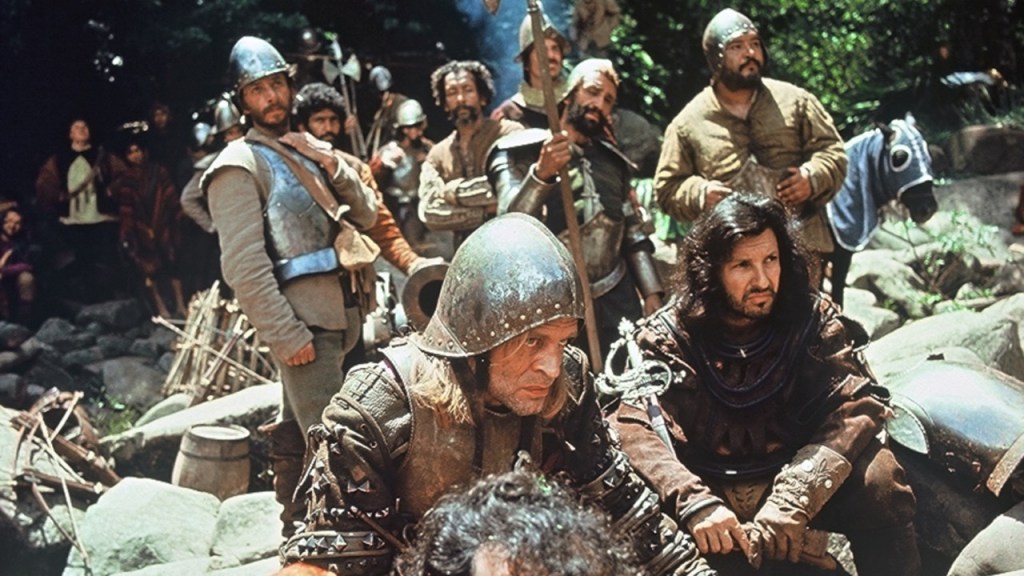
Ruy Guerra is a renowned Portuguese-Brazilian filmmaker, screenwriter, and actor who has made significant contributions to the Cinema Novo movement. He is best known for his thought-provoking and socially conscious films that often explore themes of political resistance, social inequality, and the human condition, with a particular focus on the struggles of marginalised communities in Brazil and beyond.
Throughout his career, Guerra has directed numerous critically acclaimed films that have garnered international recognition. His feature directorial debut, Os Cafajestes, is considered a landmark of Brazilian cinema and helped establish the Cinema Novo movement. Other notable works include Os Fuzis, which won the Silver Bear at the Berlin International Film Festival, and Sweet Hunters, which was nominated for the Palme d’Or at the Cannes Film Festival.
Guerra’s films are characterised by their bold visual style. He often incorporates elements of surrealism and symbolism to convey deeper meanings and emotions. He frequently employs nonlinear narratives and experimental techniques to challenge conventional storytelling and engage the audience on a more profound level. In The Fall, for example, Guerra uses a fragmented narrative structure to explore the psychological and emotional turmoil of a woman grappling with personal tragedy and political oppression.
Another recurring theme in Guerra’s work is the examination of power dynamics and the struggle against oppressive systems. Films such as Eréndira and Kuarup delve into the exploitation of indigenous communities and the clash between traditional ways of life and the forces of modernisation.

Ruy Guerra (1931 –)
Calculated Films:
- The Guns (1964)
Similar Filmmakers
- Glauber Rocha
- Hector Babenco
- Julio Garcia Espinosa
- Leon Hirszman
- Lino Brocka
- Lucia Murat
- Maurice Capovilla
- Mikhail Kalatozov
- Nelson Pereira dos Santos
- Paulo Cesar Saraceni
- Roberto Farias
- Tomas Gutierrez Alea
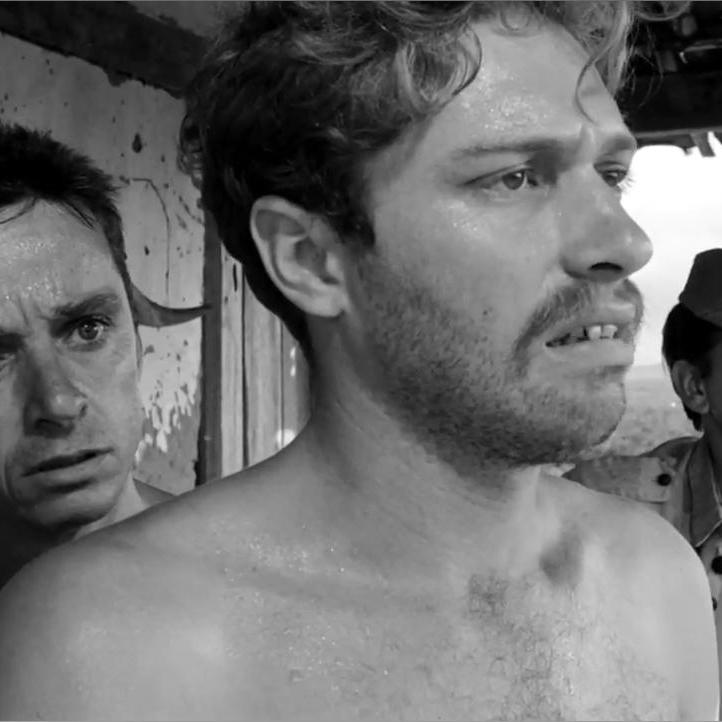


Ruy Guerra’s Top 5 Films Ranked
1. The Guns (1964)
Genre: Cinema Novo, Drama

2. The Fall (1976)
Genre: Political Drama

3. The Unscrupulous Ones (1962)
Genre: Cinema Novo, Drama, Crime
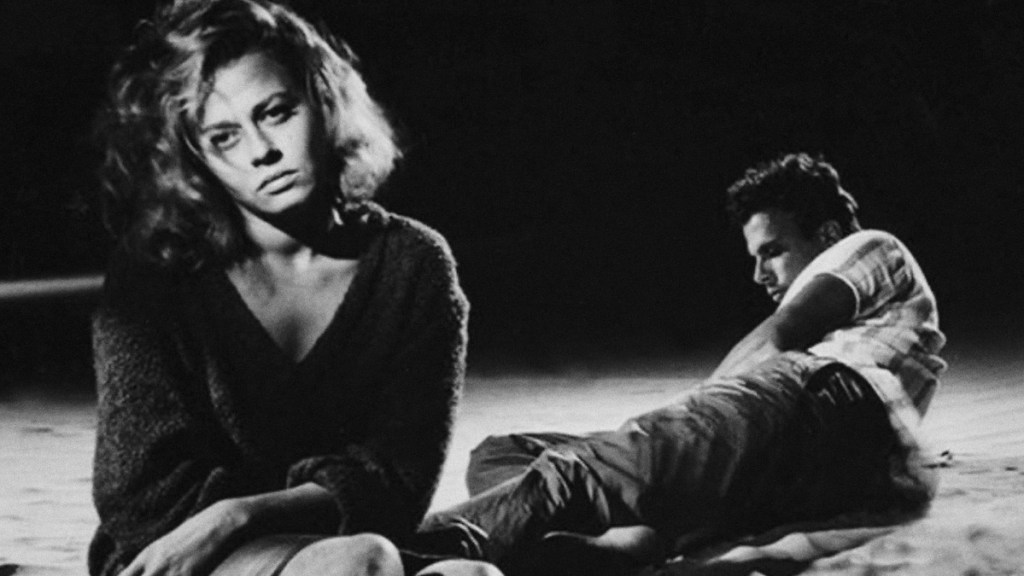
4. Of Gods and the Undead (1970)
Genre: Cinema Novo
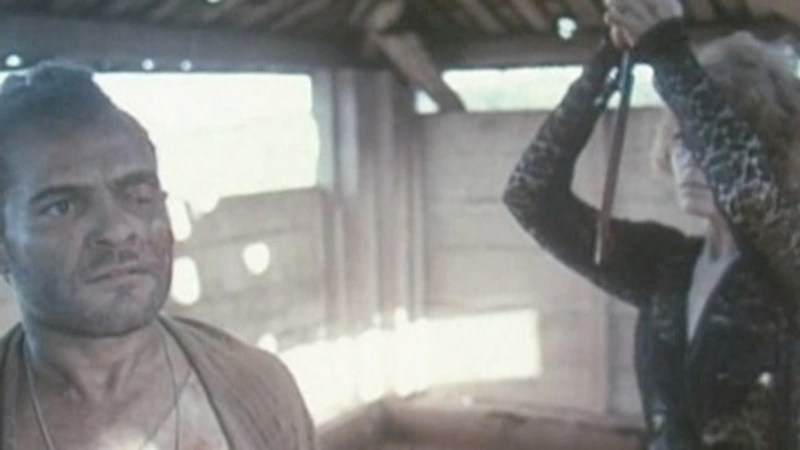
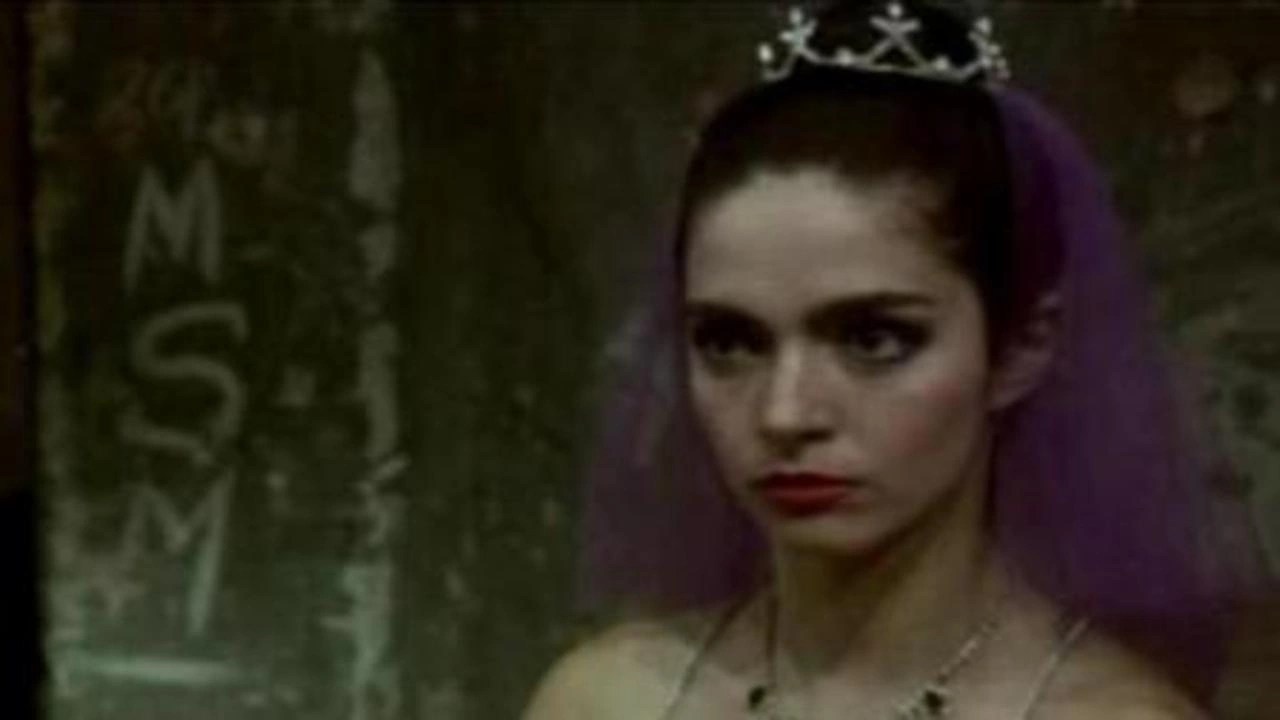
5. Malandro (1986)
Genre: Drama, Musical

Ruy Guerra: Themes and Style
Themes:
- Political Engagement: Ruy Guerra’s films often explore themes of political engagement and resistance, notably through narratives that reflect upon the struggles and upheavals in his native Mozambique and broader Latin America. Os Fuzis (The Guns) exemplifies this, delving into the impacts of colonialism and the fight for independence.
- Human Experience: Guerra’s work frequently delves into the intricacies of the human experience, showcasing characters embroiled in complex emotional and existential dilemmas. In Os Cafajestes, the focus is on the moral ambiguities and personal conflicts faced by its protagonists.
- Cultural Identity: A recurrent theme in Guerra’s filmography is the exploration of cultural identity, particularly the tension between traditional values and modern influences
- Love and Betrayal: His films often weave narratives around the themes of love, betrayal, and the intricacies of human relationships, exploring how these elements intersect with broader societal issues. Eréndira, for example, showcases a complex tale of manipulation and innocence lost, set against a backdrop of surreal and oppressive circumstances.
Styles:
- Cinéma Vérité Influence: Guerra’s stylistic approach is heavily influenced by cinéma vérité, employing naturalistic cinematography and unscripted dialogues to create an authentic, immersive experience. This is evident in his early works like Os Fuzis, where the gritty, documentary-style filming enhances the narrative’s realism.
- Surrealist Elements: Incorporating surreal elements into his storytelling, Guerra often blurs the lines between reality and fantasy, creating layered, thought-provoking narratives. Eréndira stands out for its dreamlike sequences that juxtapose the harshness of the film’s themes.
- Non-linear Narratives: Guerra experiments with non-linear narrative structures, challenging traditional storytelling conventions and engaging the audience in piecing together the storyline. A Queda utilises a fragmented narrative to reflect the chaos and fragmentation of its characters’ lives.
- Poetic Imagery: His films are marked by a distinctive use of lyrical imagery and symbolic motifs, contributing to a rich visual language that complements the thematic depth of his work.
Directorial Signature:
- Intimate Character Studies: Guerra’s directorial signature includes a deep focus on character development, often portraying individuals in intimate detail and exploring their psychological depth.
- Social Commentary: A hallmark of Guerra’s direction is his adeptness at weaving social commentary into his films, critiquing political and societal systems through nuanced storytelling. Os Fuzis serves as a potent example, offering a critique of military and colonial oppression.
- Atmospheric Tension: Guerra excels at creating a palpable sense of tension and atmosphere in his films, using visual and auditory elements to evoke a strong emotional response from the audience.
Ruy Guerra – Great Director


 Bronze Screen Dream