
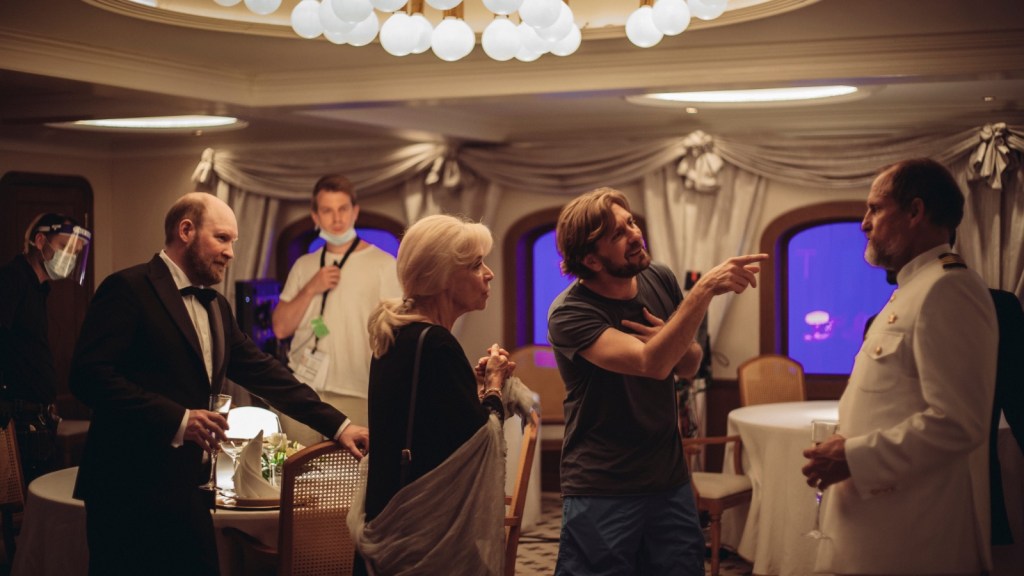
Ruben Östlund is a Swedish filmmaker best known for his distinctive, thought-provoking films that often delve into the intricacies of human behaviour, society, and morality. His movies, widely recognised for their originality and boldness, include the critically acclaimed Force Majeure and The Square.
Östlund’s career in filmmaking began with his interest in skiing videos, which later evolved into a more profound exploration of film as a medium to scrutinise societal conventions and human behaviour. His breakthrough came with Force Majeure, a film that examines family dynamics and gender expectations through the lens of a crisis during a ski vacation. This film’s critical success paved the way for Östlund to further his exploration of societal themes in The Square, a satirical drama that delves into the art world, questioning our moral compass and the role of art in society. The Square not only confirmed Östlund’s position as a formidable storyteller but also garnered him the prestigious Palme d’Or at the Cannes Film Festival, marking a significant peak in his career.
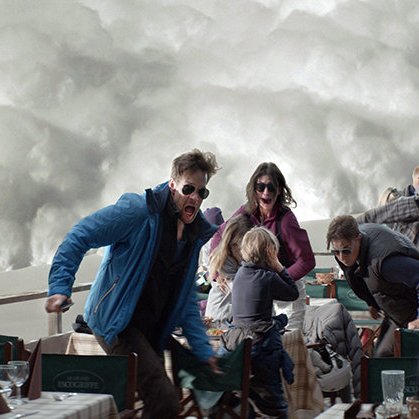
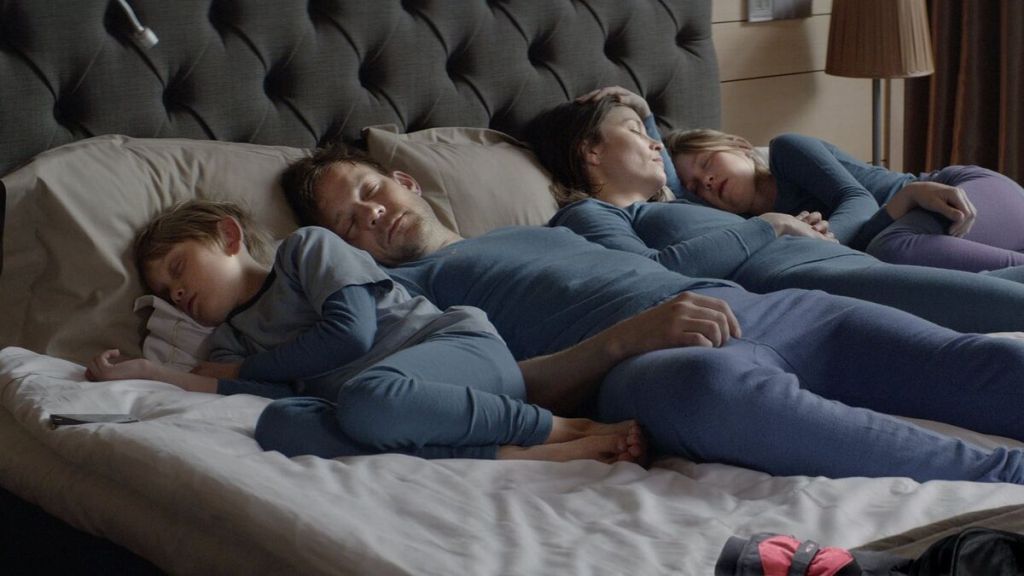
Östlund’s films can be recognised for their unique style, characterised by long takes, meticulous composition, and a biting satirical edge. His films often explore the tension between individual identity and societal expectations, presenting characters who grapple with moral dilemmas or find themselves in uncomfortable or absurd situations that expose the fragility of social constructs and norms. For example, in Force Majeure, the storyline revolves around a man’s unexpected reaction to an avalanche while on a ski vacation with his family, subsequently leading to a deep examination of masculinity, responsibility, and relational dynamics.
Additionally, Östlund employs a visual style that is both striking and calculated, making extensive use of static shots and precise framing to create a sense of detachment or alienation, subtly prompting viewers to engage more deeply with the unfolding narrative and themes. In The Square, this visual strategy is coupled with dark humour and sharp social commentary, offering a reflection on art, altruism, and the precariousness of the social contract. Together, these stylistic and thematic elements define Östlund’s distinctive approach to filmmaking, making him one of the most intriguing and important voices in contemporary cinema.
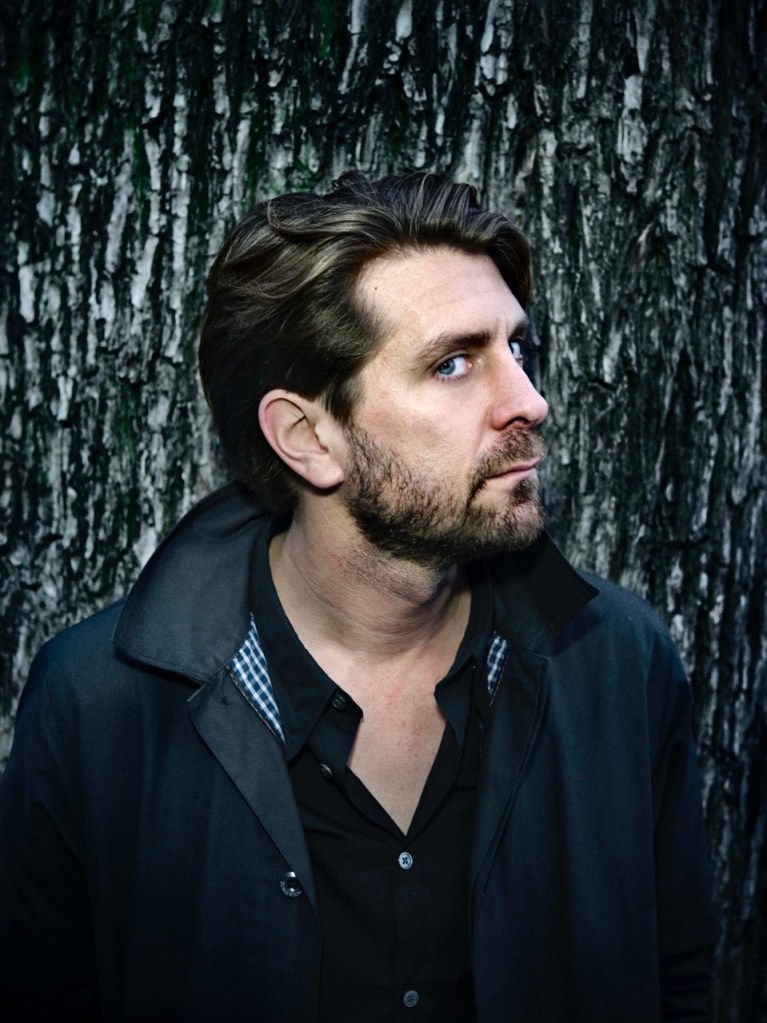
Ruben Östlund (1974 – -)
Calculated Films:
- Play (2011)
- Force Majeure (2014)
- Triangle of Sadness (2022)
Similar Filmmakers
- Aki Kaurismaki
- Anna Odell
- Athina Rachel Tsangari
- Bong Joon-ho
- Bruno Dumont
- Cristian Mungiu
- Cristi Puiu
- Jessica Hausner
- Joachim Trier
- Lars von Trier
- Maren Ade
- Michael Haneke

Ruben Östlund’s Top 5 Films Ranked
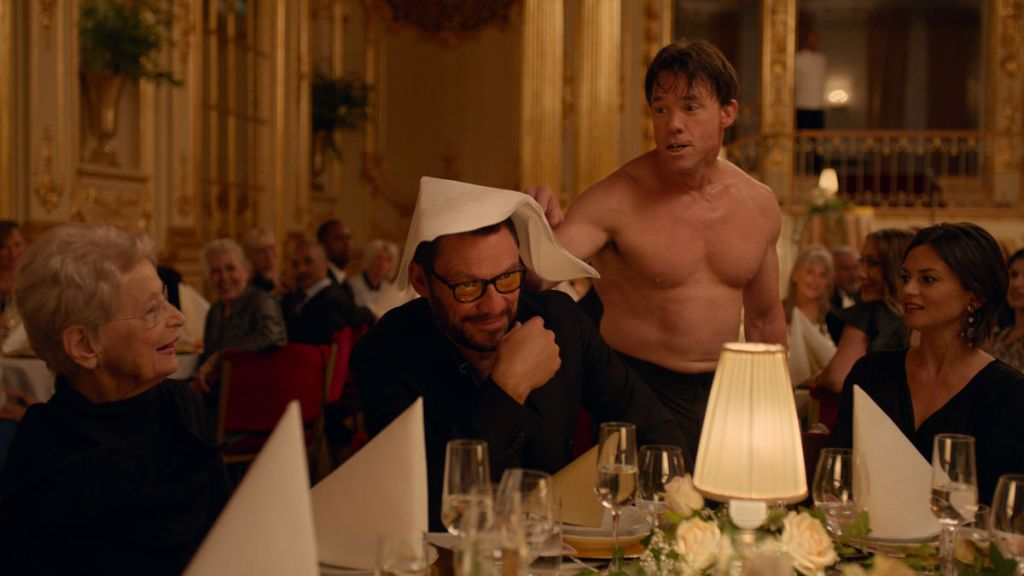
1. The Square (2017)
Genre: Satire, Drama, Black Comedy
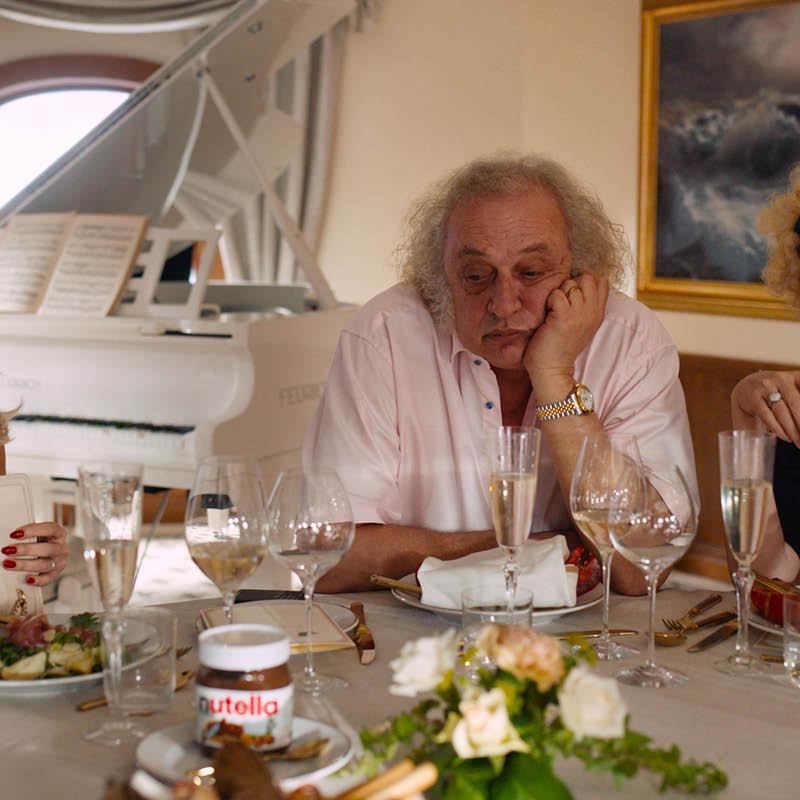
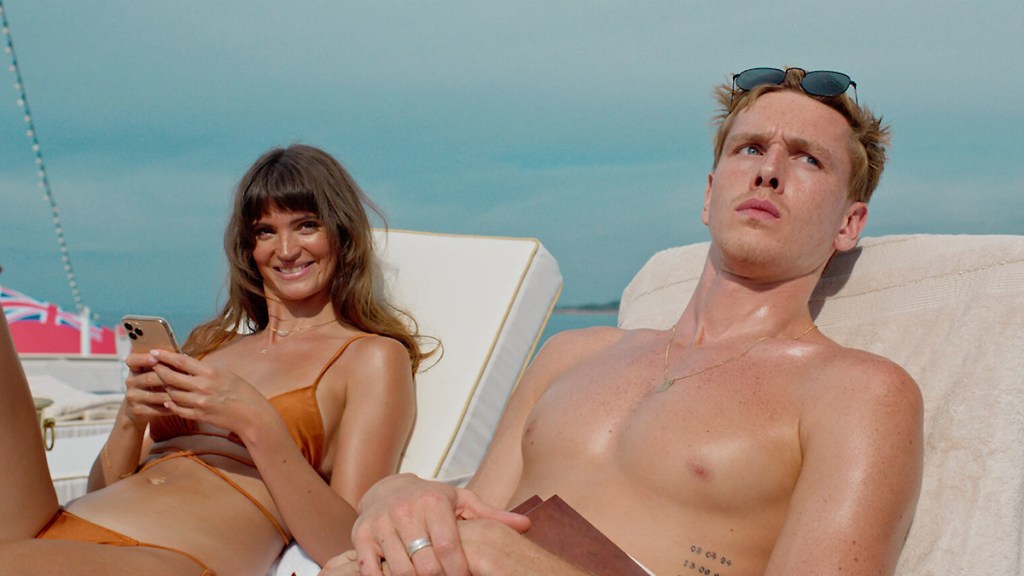
2. Triangle of Sadness (2022)
Genre: Satire, Black Comedy
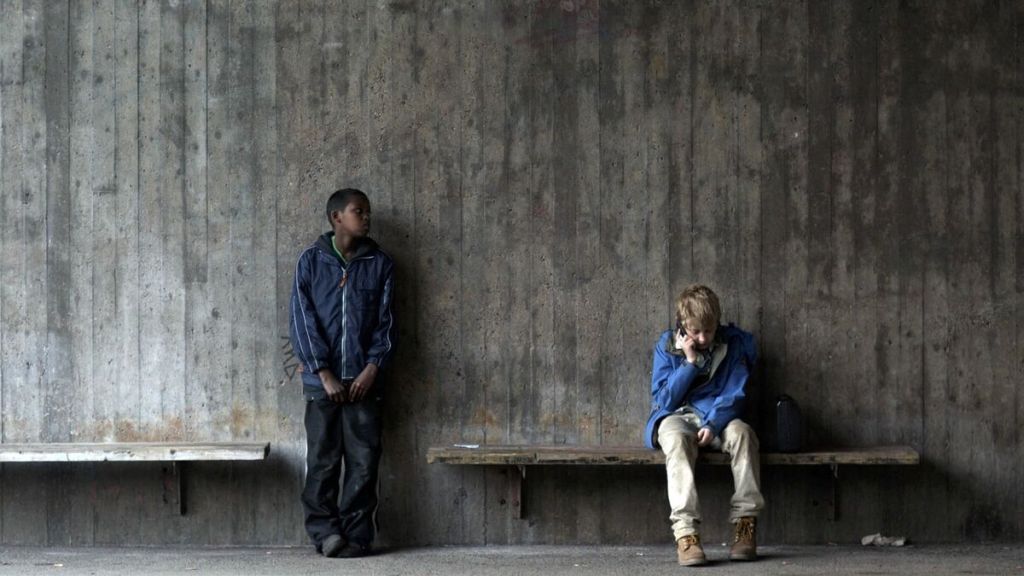
3. Play (2011)
Genre: Drama
4. Force Majeure (2014)
Genre: Psychological Drama, Family Drama
5. Involuntary (2008)
Genre: Drama, Hyperlink Cinema

Ruben Östlund: Themes and Style
Themes:
- Societal Examination: Östlund frequently investigates societal norms, human behaviour, and the psychology of individuals when faced with unexpected or challenging situations. He delves deep into the social facade and what lies underneath when the mask slips.
- Masculinity: Many of Östlund’s films explore the male ego, vulnerabilities, and societal expectations of manhood. They often depict the internal conflict of his male characters grappling with their roles in modern society.
- Class and Privilege: Östlund often critiques and satirises the bourgeoisie, addressing issues of entitlement, indifference, and the moral ambiguities of the affluent class.
- Group Dynamics: He is intrigued by group behaviours, especially the conformity and fear of standing out or going against the group’s consensus, even if it compromises moral integrity.
Styles:
- Static Camera Work: One of Östlund’s trademarks is his use of long takes with a stationary camera. These shots allow scenes to unfold organically, often building tension or awkwardness.
- Naturalistic Performances: He often elicits very realistic, understated performances from his actors, making scenes feel spontaneous and true to life.
- Visual Composition: Östlund’s background in skiing videos and his love for photography translate into meticulously framed shots, balancing both the aesthetics and the narrative purpose.
- Dry Humour: His films often carry dark, satirical humour, presenting uncomfortable truths or situations with an understated comedic touch.
Directorial Signature:
- Provocative Scenarios: Östlund enjoys setting up situations that provoke both his characters and the audience. For example, in Force Majeure, a man’s split-second decision during an avalanche leads to profound personal and familial introspection.
- Absurdity in Everyday Life: He often magnifies the absurdities lurking in mundane scenarios, using them to provide commentary on larger societal issues.
- Uncomfortable Long Takes: Whether it’s a protracted argument, a moment of silence, or an awkward confrontation, Östlund doesn’t shy away from letting the camera linger, often longer than what audiences might be comfortable with, amplifying the emotional intensity or discomfort of a scene.
- Objective Observations: Rather than telling the audience how to feel, Östlund positions himself (and the viewer) as an observer, letting the scenes play out without overt emotional cues. This often forces viewers to confront their own biases, judgments, and feelings.
Ruben Östlund – Great Director


 Bronze Screen Dream