
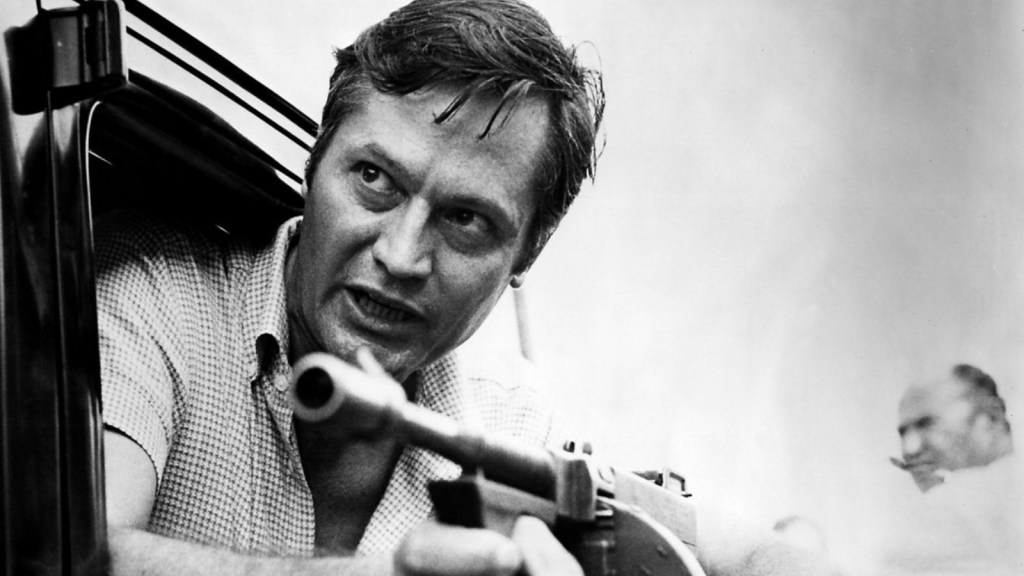
Roger Corman is an American film director and producer renowned for his prolific output of low-budget independent films, often of the horror and sci-fi genre. He is best known for his work in the 1960s and 70s, with some of his most recognised movies, such as The Little Shop of Horrors, The Masque of the Red Death, and the Edgar Allan Poe adaptations, being cornerstones of the “B movie” culture. Throughout his career, Corman has championed the philosophy of making films swiftly and economically, earning him the nickname “The Pope of Pop Cinema.”
Corman was able to stretch minuscule budgets to their absolute limits, consistently delivering engaging narratives and memorable visuals. His films are often characterised by their macabre humour, innovative use of practical effects, and biting social commentary, subjects not typically addressed by mainstream Hollywood of the time. For instance, The Intruder courageously dealt with racial prejudice at a time when it was highly controversial. His visual style often conveys larger-than-life surrealism, like in X: The Man with the X-ray Eyes, to compensate for budgetary constraints.
Corman is also known for his “film school,” where he mentored a generation of filmmakers who would become influential figures in cinema, such as Francis Ford Coppola, Martin Scorsese, and James Cameron. This, combined with his willingness to experiment and defy convention, has contributed to his enduring impact on cinema, especially within the independent film sector. Despite working mostly outside the Hollywood mainstream, Corman’s low-budget, high-concept approach to filmmaking has left an indelible mark, making him one of the most influential figures in 20th-century cinema.
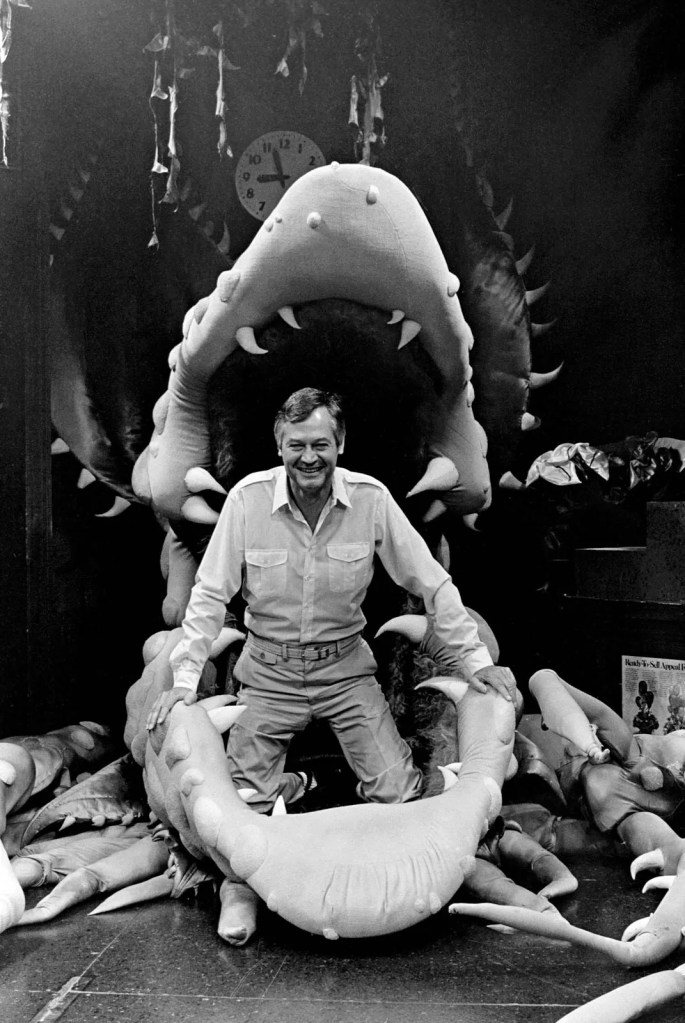
Roger Corman (1926 – 2024)
Calculated Films:
- NA
Similar Filmmakers
- Allan Arkush
- Bert I. Gordon
- Ed Wood
- George A. Romero
- Herschell Gordon Lewis
- Jack Arnold
- Jack Hill
- Jesus Franco
- Jim Wynorski
- Joe Dante
- John Carpenter
- Lewis Teague
- Lloyd Kaufman
- Mario Bava
- Monte Hellman
- Russ Meyer
- Terence Fisher
- William Castle

Roger Corman’s Top 5 Films Ranked
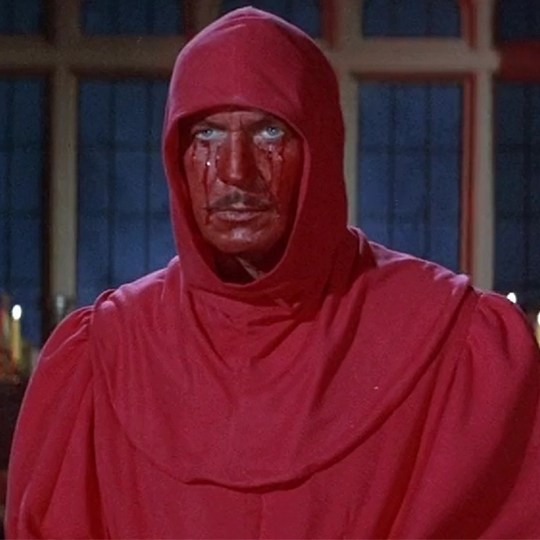
1. The Masque Of The Red Death (1964)
Genre: Gothic Horror, Medieval

2. The Intruder (1962)
Genre: Political Drama, Psychological Drama

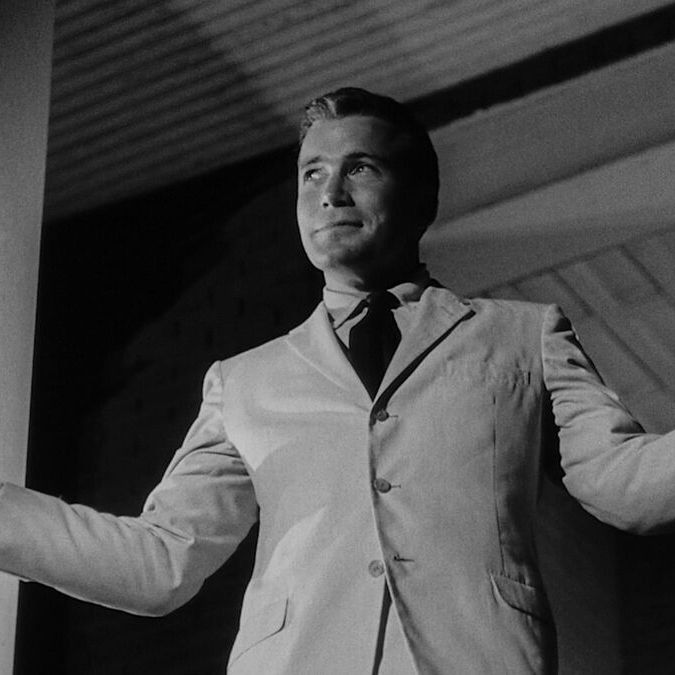
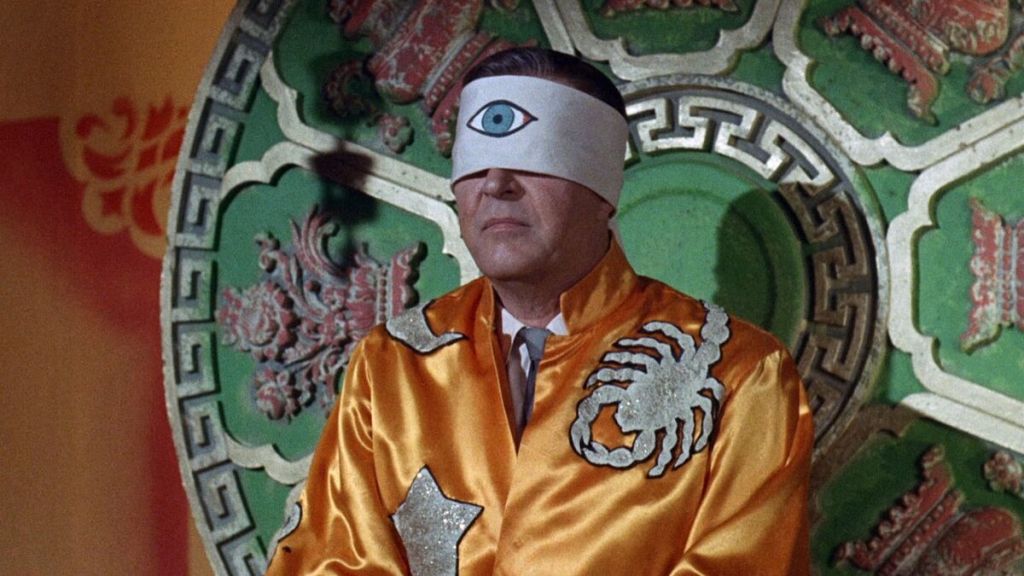
3. X: The Man With The X-Ray Eyes (1963)
Genre: Sci-Fi, Thriller
4. A Bucket of Blood (1959)
Genre: Black Comedy, Horror, Satire

5. The Pit And The Pendulum (1961)
Genre: Gothic Horror, Mystery, Medieval

Roger Corman: Themes and Style
Themes:
- Low-Budget Exploitation Films: Corman is widely acknowledged for his exploitation films that were produced on shoestring budgets. These films often exploited trending societal fears, desires, or current events to draw audiences, like teenage rebellion, drug use, or rock and roll culture.
- Science Fiction and Horror: Much of his work resides within the science fiction and horror genres, utilising them as conduits to explore deeper philosophical and societal themes.
- Dark Comedy: A significant number of Corman’s films incorporate elements of dark comedy, blending horror or science fiction with absurdity and wit.
- Social Commentary: Embedded within his films, viewers often find subtle critiques and reflections on societal norms and issues of the time, such as class struggle, conformity, and the human condition.
Styles:
- Efficient Filmmaking: Renowned for rapid and cost-effective production, Corman’s style is characterised by efficiency, often shooting films in a matter of days. He maximised minimal resources to create visually engaging and entertaining movies.
- Visual Style: Despite budget constraints, Corman’s films exhibit a striking visual style, making use of dramatic lighting, vibrant colours, and inventive camera angles to create atmospheric tension and excitement.
- Ensemble Casts: Corman frequently worked with unknown or up-and-coming actors, many of whom went on to have illustrious careers in Hollywood. His films often featured ensemble casts, bringing together diverse talent to enhance the storytelling experience.
Directorial Signature:
- Mentorship: Known for nurturing talent, Corman provided opportunities for young actors and filmmakers to kickstart their careers, serving as a mentor and guide.
- Collaborative Approach: Corman encouraged collaboration and creativity among his cast and crew. He was open to improvisation and spontaneous ideas that would contribute to the film’s overall impact.
- Corman’s “Touch”: Despite the variety in his filmography, a Corman film is often immediately recognisable due to its unique combination of thematic elements, visual style, and tone. This signature touch reflects his particular vision and approach to filmmaking.
- Innovation Within Constraints: His ability to innovate and create compelling narratives within the constraints of low budgets and tight schedules is a hallmark of his directorial signature.
Roger Corman – Great Director



 Bronze Screen Dream