
Robert Zemeckis is an American filmmaker celebrated for his inventive use of special effects and his fusion of technical innovation with emotional storytelling. His vast filmography ranges across genres, but he is perhaps best known for his iconic films, such as Back to the Future, Forrest Gump, and Who Framed Roger Rabbit.
Zemeckis’ path to filmmaking started in the field of cinematography, which significantly influenced his directorial style. A graduate of the University of Southern California School of Cinematic Arts, he began his career working with Steven Spielberg. This partnership would help launch Zemeckis’ career and establish his reputation as a pioneering visual storyteller.
Zemeckis’ films often incorporate elements of adventure, comedy, and science fiction. They are frequently characterised by their intricate plots, memorable characters, and innovative use of technology. His approach to filmmaking relies heavily on visual effects to create immersive cinematic experiences, but never at the expense of character development or narrative coherence. Movies like The Polar Express and Beowulf showcase his fondness for digital technology and motion capture, with these elements often enhancing the story’s emotional depth.
“I’m really tired of making these huge, over-$100 million movies where they literally mean life and death for a studio. It’s really rough making these expensive movies. Everyone is hysterical.”
Zemeckis’ work is visually characterised by dynamic camera movement, inventive visual effects, and a seamless blending of live action and animation, as exemplified in Who Framed Roger Rabbit. His films are often visually stunning, marked by an attention to detail and an affinity for creating immersive cinematic worlds.
Zemeckis’ influence on cinema is considerable; his pioneering use of digital technology has inspired a new generation of filmmakers in Hollywood. Directors such as J.J. Abrams and Brad Bird have cited him as an influence. His impact on film history is especially apparent in visual effects, where his innovative techniques have changed the landscape of modern cinema. Despite some critical reappraisal regarding his reliance on technology, Zemeckis’ commitment to storytelling always remains at the heart of his work, which resonates with audiences worldwide.

Robert Zemeckis (1951 –)
Calculated Films:
- Back to the Future (1985)
- Who Framed Roger Rabbit? (1988)
- Back To The Future Part II (1989)
- Forrest Gump (1994)
- Cast Away (2000)
Similar Filmmakers
- Barry Levinson
- Barry Sonnenfeld
- Brad Bird
- Chris Columbus
- Chuck Jones
- George Lucas
- George Miller
- James Cameron
- Joe Dante
- Joe Johnston
- Peter Hyams
- Peter Jackson
- Ralph Bakshi
- Richard Donner
- Ron Howard
- Steven Spielberg
- Tex Avery
- Wachowski Siblings


Robert Zemeckis’ Top 10 Films Ranked
1. Back to the Future (1985)
Genre: Comedy, Sci-Fi, Adventure, Time Travel

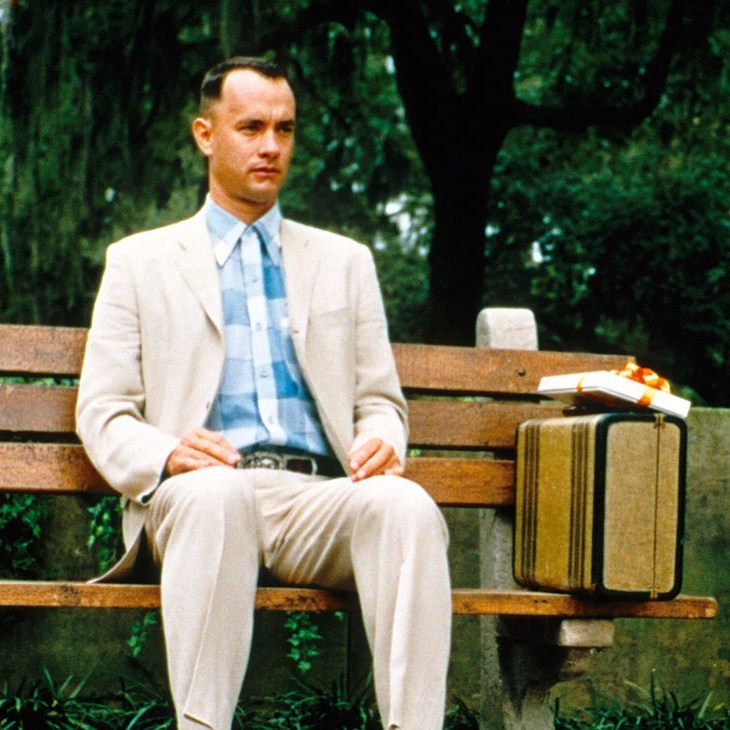
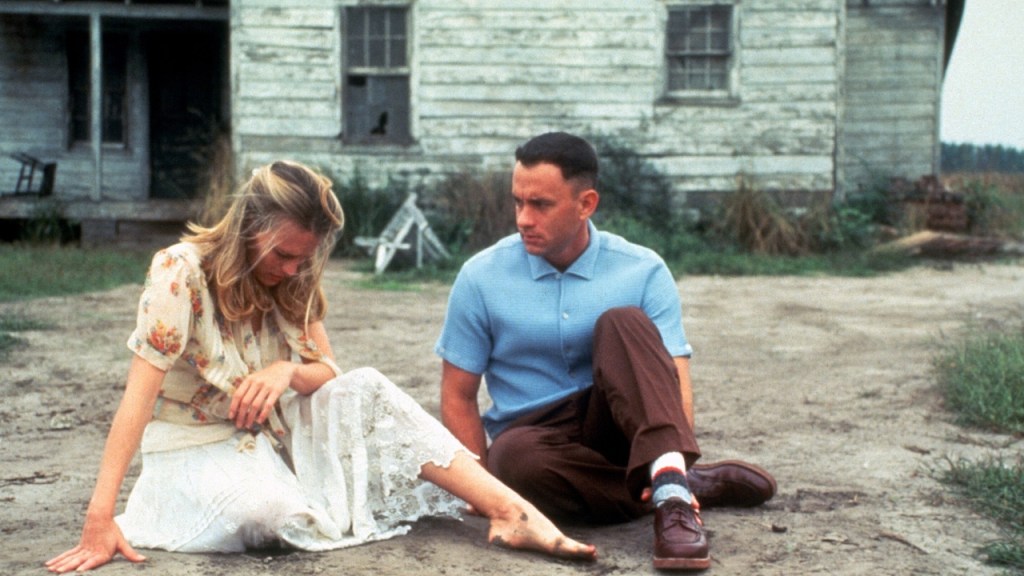
2. Forrest Gump (1994)
Genre: Drama, Comedy, Romance
3. Who Framed Roger Rabbit (1988)
Genre: Comedy, Neo-Noir, Mystery, Live-Action Animation, Low Fantasy

4. Back to the Future Part II (1989)
Genre: Comedy, Sci-Fi, Adventure, Time Travel

5. Cast Away (2000)
Genre: Drama, Survival

6. Contact (1997)
Genre: Drama, Sci-Fi, Extraterrestrial

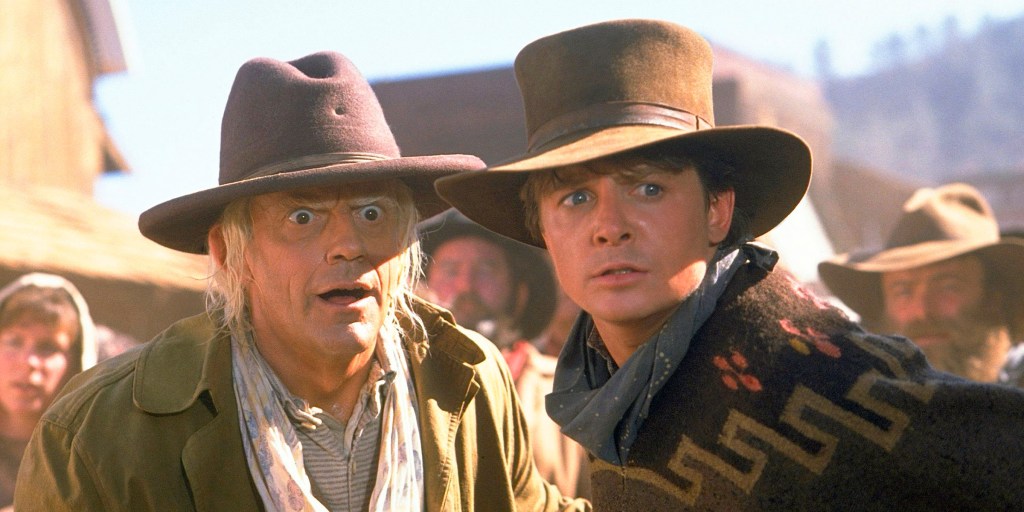
7. Back to the Future Part III (1990)
Genre: Comedy, Adventure, Sci-Fi, Western, Time Travel
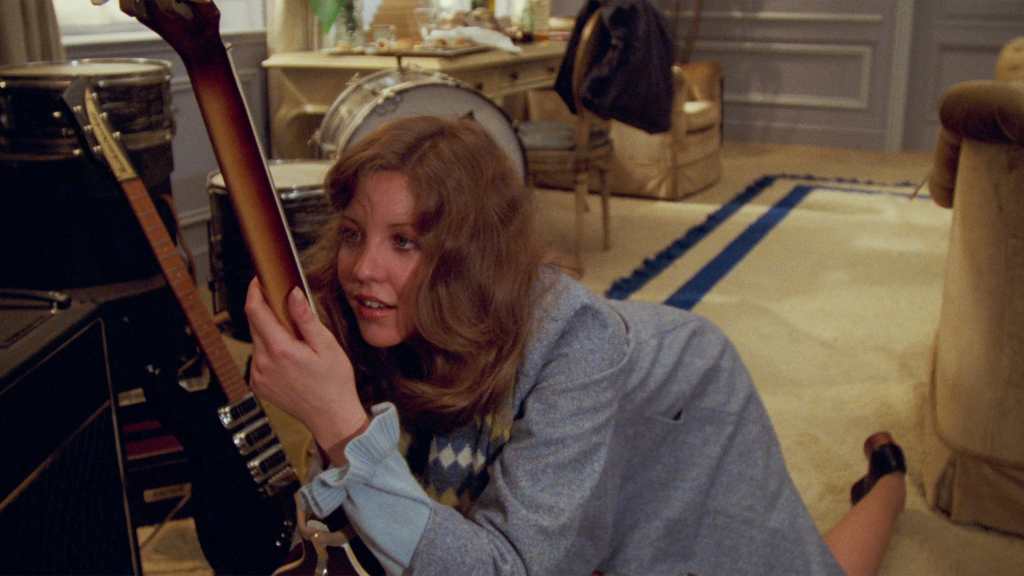
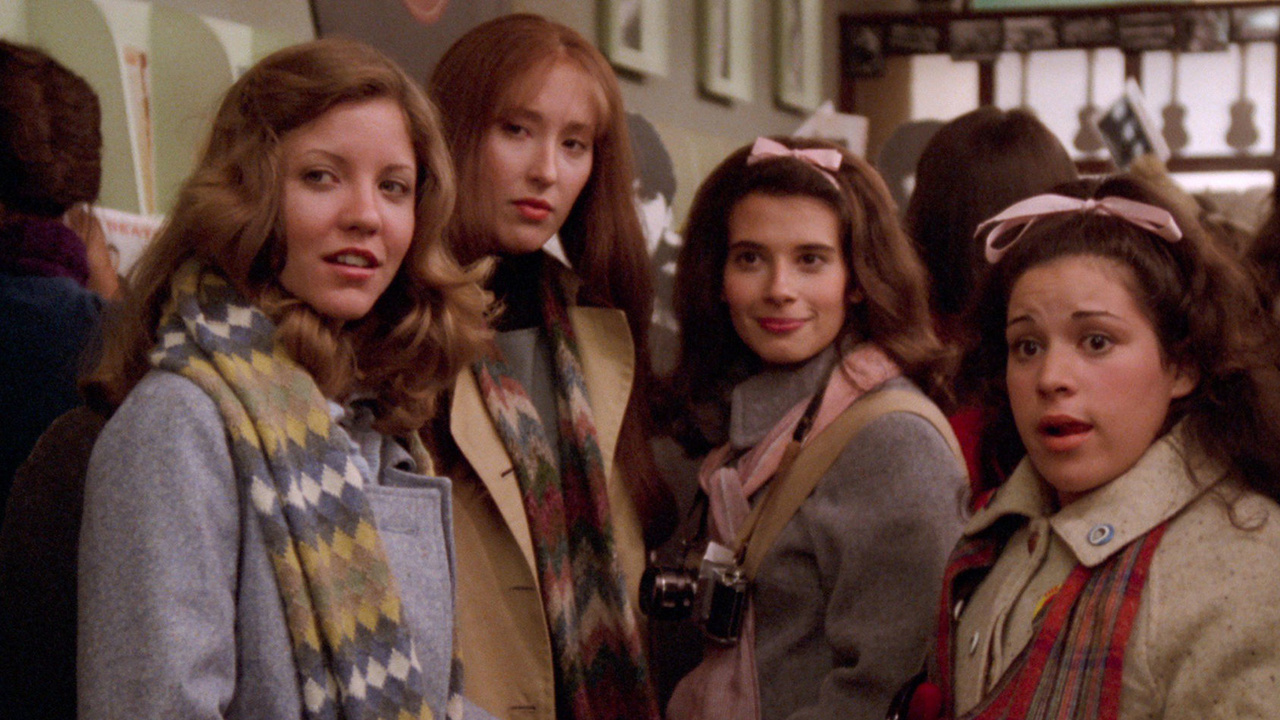
8. I Wanna Hold Your Hand (1978)
Genre: Comedy, Teen Movie, Music
9. Used Cars (1980)
Genre: Comedy, Satire

10. Romancing the Stone (1984)
Genre: Adventure, Romance, Comedy

Robert Zemeckis: Themes and Style
Themes:
- Human Potential and Transformation: From the time-travelling adventures of Marty McFly to the life-altering experiences of Forrest Gump, Zemeckis often explores the bounds of human potential, ambition, and transformation.
- Journey and Adventure: Zemeckis’s films often follow a character’s journey, be it physical, emotional, or both, capturing their growth and evolution.
- History and Time: Many of his films, like Forrest Gump and The Walk, play with historical events, intertwining fiction and real-life incidents.
- Isolation and Human Connection: Films like Cast Away and The Polar Express delve into themes of isolation, the human need for connection, and the lengths one would go to achieve it.
Styles:
- Innovative Visual Effects: Zemeckis is known for pushing the boundaries of visual effects, whether it’s the integration of animation with live action in Who Framed Roger Rabbit or the photorealistic performance capture in The Polar Express.
- Narrative Experimentation: His storytelling often plays with time, intertwining different timelines or giving new perspectives to historical events.
- Blend of Humor and Emotion: Zemeckis’s films manage to balance humour with profound emotional beats, making them both entertaining and deeply moving.
- Memorable Soundtracks: His collaboration with composer Alan Silvestri has led to iconic soundtracks that enhance the emotional resonance of the films.
Directorial Signature:
- Seamless Integration of Technology and Story: Zemeckis masterfully uses technological advancements not just for spectacle but to drive the narrative forward. His integration of visual effects serves the story rather than overshadowing it.
- Complex Tracking Shots: He often employs intricate, extended tracking shots that capture a scene’s essence, as seen in the opening of Forrest Gump or the wire-walking sequence in The Walk.
- Recurring Collaborations: Zemeckis frequently collaborates with certain actors (like Tom Hanks) and crew members, such as composer Alan Silvestri and cinematographer Dean Cundey, creating a consistent aesthetic and tonal quality across his films.
- Heart at the Core: Regardless of the technological marvel or high-concept premise, a Zemeckis film always has heart, humanity, and a deep emotional core.
Robert Zemeckis: The 114th Greatest Director



 Bronze Screen Dream