
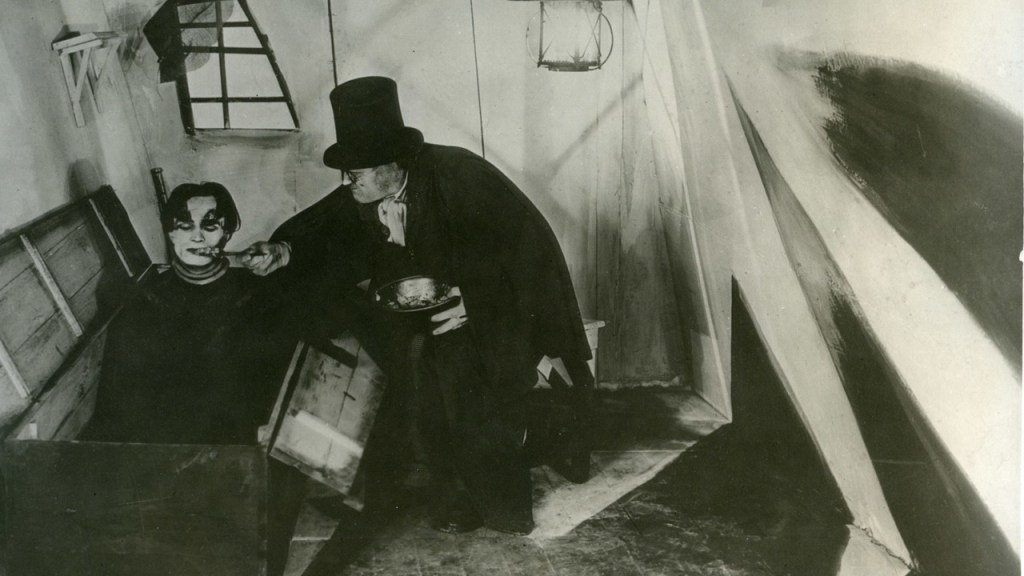
Robert Wiene was a German film director and screenwriter best known for his influential contributions to the expressionist movement in cinema. His films, particularly The Cabinet of Dr. Caligari, are considered landmarks of the silent era and helped establish the visual and thematic conventions of the horror and thriller genres. Wiene began his career in the theatre before transitioning to film in the early 1910s. His early films were marked by innovative use of lighting and set design, exploration of psychological themes, and unreliable narration.
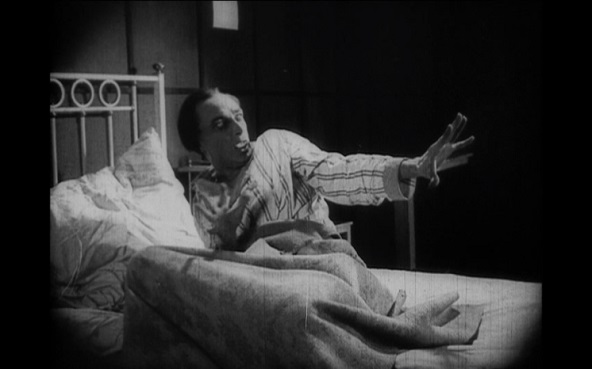
Wiene’s most famous film, The Cabinet of Dr. Caligari, tells the story of a hypnotist who uses a sleepwalker to commit murders. The film is notable for its highly stylised sets, which feature distorted perspectives and exaggerated angles, as well as its use of shadow and light to create a sense of unease and horror. The film’s twist ending, which reveals that the story is being told from the perspective of an unreliable narrator, has become a classic of the genre.
Wiene’s subsequent films continued to explore the themes and techniques of expressionism, often using visual distortion and psychological manipulation to create a sense of unease and disorientation in the viewer. Films such as Genuine and Raskolnikow are notable for their use of symbolism and their exploration of the darker aspects of human nature. Despite the success of his movies, Wiene’s career was cut short by the rise of Nazism in Germany. As a Jew, he was forced to flee the country in the 1930s and spent the remainder of his life in exile, working in Austria and England.
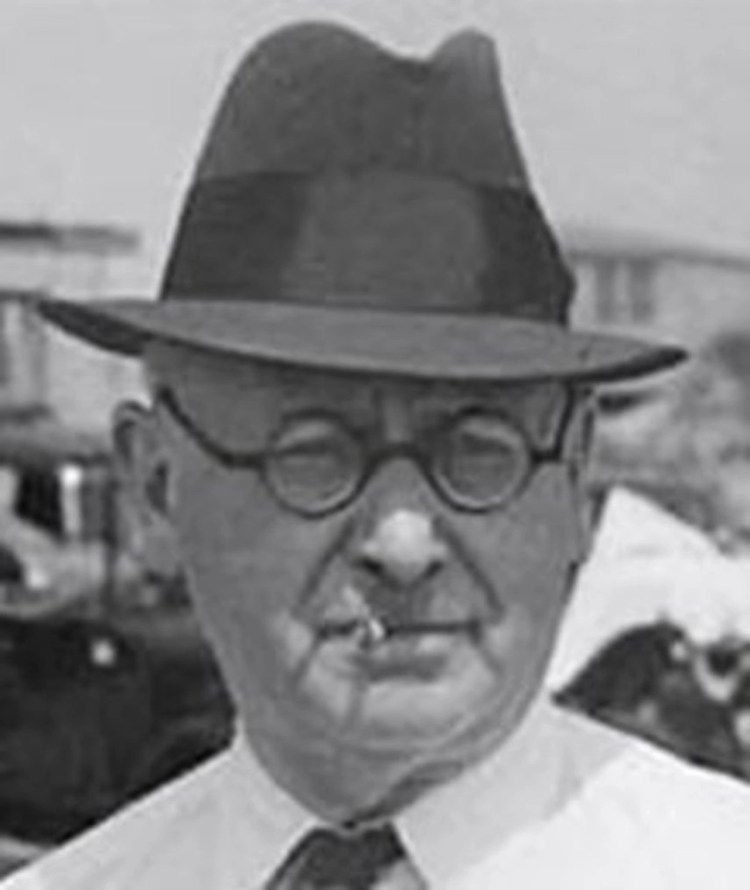
Robert Wiene (1873 – 1938)
Calculated Films
- The Cabinet of Dr Caligari (1920)
Similar Filmmakers
- Alfred Hitchcock
- Arthur Robison
- Carl Boese
- Carl Th. Dreyer
- E.A. Dupont
- Edgar G. Ulmer
- F.W. Murnau
- Fritz Lang
- G.W. Pabst
- Henrik Galeen
- James Whale
- Josef von Sternberg
- Karl Heinz Martin
- Lotte Reiniger
- Paul Leni
- Paul Wegener
- Robert Reinert
- Rudolf Meinert


Robert Wiene’s Top 5 Films Ranked
1. The Cabinet of Dr Caligari (1920)
Genre: German Expressionism, Mystery, Psychological Horror, Gothic Horror
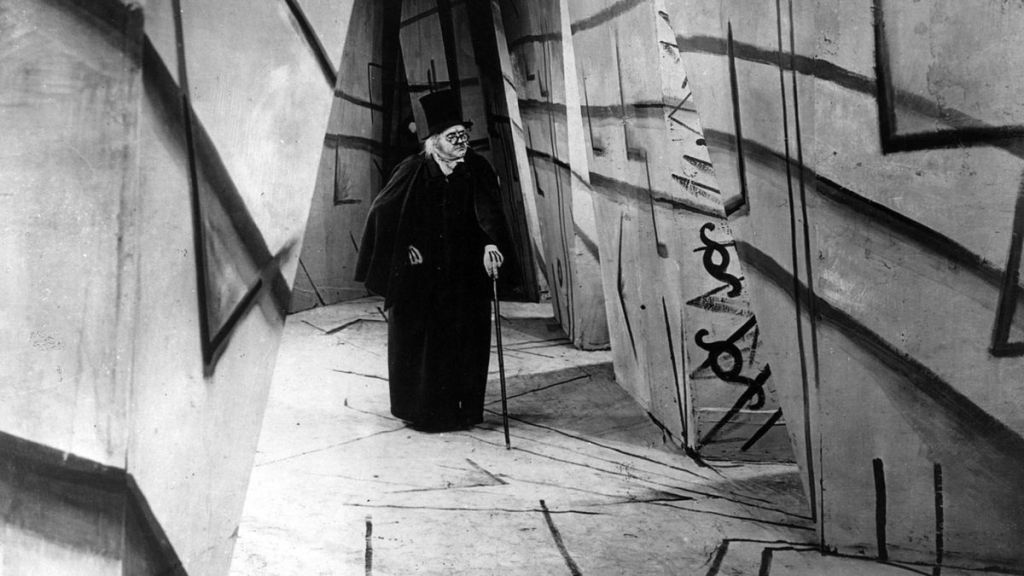
2. The Hands of Orlac (1924)
Genre: German Expressionism, Psychological Horror
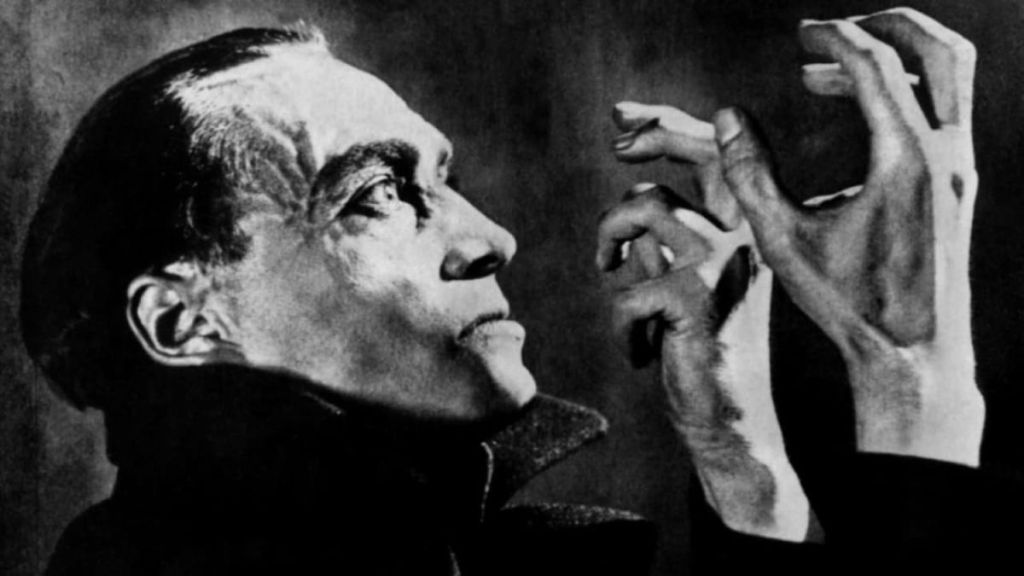
3. Genuine: The Tragedy of a Vampire (1920)
Genre: German Expressionism, Horror


5. Fear (1917)
Genre: Melodrama

Robert Wiene: Themes and Style
Themes:
- Psychological Complexity: Wiene often delved deep into the human psyche, exploring his characters’ inner struggles and dualities, as seen in Das Cabinet des Dr. Caligari.
- Authority and Control: His works often questioned the nature of authority and its potential for manipulation, seen vividly through the character of Dr. Caligari.
- Reality and Illusion: Films like Das Cabinet des Dr. Caligari toyed with perceptions of reality, challenging the audience’s understanding of what’s real and imagined.
- Societal Critique: Many believe his films indirectly reflected post-WWI German society’s disillusionment and chaos.
Styles:
- Expressionist Aesthetics: Wiene’s films, particularly Caligari, are hallmarks of German Expressionism with distorted sets, exaggerated shapes, and stark contrasts.
- Stylised Performances: The actors in his films often gave heightened performances, aligning with the overall expressionist mood.
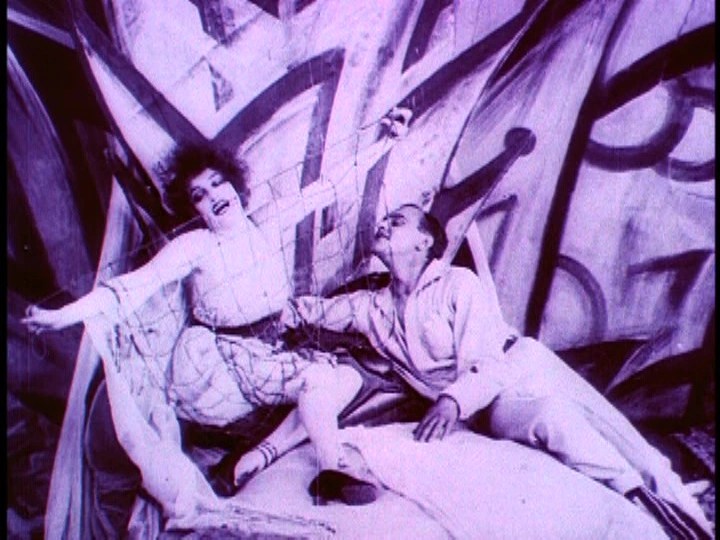
- Innovative Set Designs: Wiene’s films featured non-realistic and distorted set designs characterised by sharp angles, twisted architectures, and dark shadows.
- Narrative Innovation: Wiene often played with narrative structures, introducing early instances of twist endings and unreliable narrators.
Directorial Signature:
- Visual Allegory: Wiene had a unique ability to use visuals as allegories, making them a tool for storytelling and a medium for deeper symbolic meanings.
- Atmosphere Over Realism: His films prioritised creating a particular mood or atmosphere, often at the expense of realistic depictions.
Robert Wiene – Great Director


 Bronze Screen Dream